
The Science of Chance: How Randomness Powers the Digital World
From predicting the weather to simulating space missions, randomness is a powerful concept in science. It underpins everything from genetic mutation to quantum physics—and it also plays a critical role in some of our favourite online entertainment experiences. But what does “random” really mean, and how does it impact the technology we interact with daily?
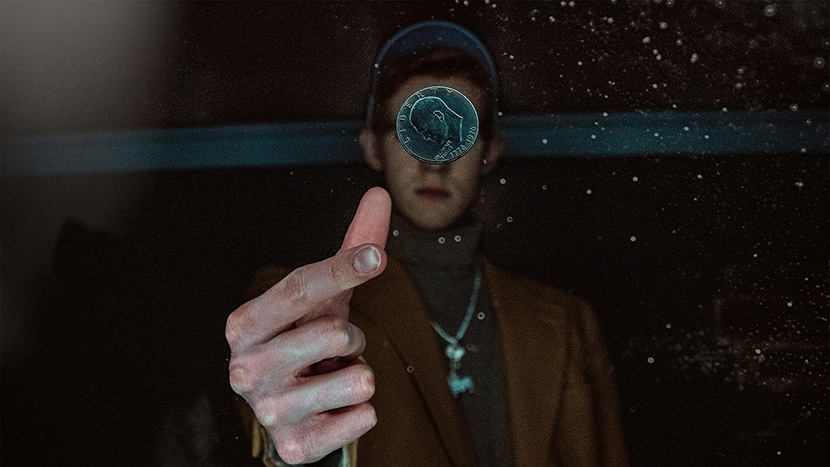
Understanding Randomness
At its core, randomness refers to outcomes that cannot be precisely predicted. In science, we often rely on randomness to model complex systems. For instance, meteorologists use probabilistic models to forecast weather, as countless variables influence the outcome. Similarly, in biology, genetic variation occurs through random mutation and recombination, driving evolution.
But how do we create randomness in machines, which are inherently deterministic?
Enter the RNG: Random Number Generators
Since computers follow strict instructions, generating true randomness requires clever workarounds. This is where Random Number Generators (RNGs) come in. RNGs are algorithms or hardware systems that produce sequences of numbers with no discernible pattern.
There are two primary types of RNGs:
True Random Number Generators (TRNGs): These rely on physical processes, like radioactive decay or atmospheric noise, to produce truly unpredictable outcomes.
Pseudo-Random Number Generators (PRNGs): These use mathematical formulas to simulate randomness. While not truly random, PRNGs are designed to be statistically unpredictable over large sequences.
PRNGs are used widely in computing, from securing encrypted data to simulating natural processes in video games—and yes, even in digital entertainment like online slots.
Randomness in Digital Entertainment
Online gaming platforms, including Bally Casino, use certified PRNGs to ensure fair play and unpredictable outcomes. In online slots, each spin is determined by these algorithms, making each result independent and unbiased. This mirrors the experience of spinning a physical reel, where chance and randomness are integral.
The science here is not just about fairness—it’s also about trust. Regulatory bodies rigorously test and audit PRNGs to ensure they meet strict statistical standards. At Bally Casino, all online slots undergo compliance checks to ensure each game offers not only a fun experience but also a fair one.
Beyond Entertainment: Randomness in Everyday Life
We encounter randomness more often than we realize. Whether it’s the order of search results, shuffled music playlists, or even how traffic lights change, random (or pseudo-random) sequences help technology adapt and perform efficiently.
In cybersecurity, randomness is crucial. Encryption protocols use large, random keys to protect sensitive information. If an attacker could predict these keys, they could break into anything from personal emails to bank accounts. That’s why RNGs aren’t just for fun—they’re foundational to modern digital life.
The Beauty of the Unpredictable
What makes randomness so captivating—whether in nature, science, or a simple game—is its unpredictability. It reminds us that not everything can be controlled, and sometimes that’s a good thing. Whether you’re running a simulation, or enjoying your favorite online slots at Bally Casino, randomness adds an element of surprise and excitement that’s hard to replicate.
So next time you marvel at a perfectly shuffled playlist, an unexpected scientific breakthrough, or a winning spin, remember: behind the scenes, the quiet elegance of randomness is hard at work.