Ecology in Action: Why Keystone Species Matter
In every ecosystem, species interact in complex ways, but some organisms have an impact far beyond their numbers. These are known as keystone species, and their presence can maintain the health, diversity, and balance of the entire habitat. Predators like wolves, small but influential species like sea otters, or pollinators like bees often act as these ecological linchpins. Removing them can trigger cascading effects, while protecting them can restore balance and resilience to environments under threat.
Understanding the role of keystone species helps ecologists predict changes, manage conservation efforts, and design strategies to prevent ecological collapse. When wolves were reintroduced to Yellowstone National Park, their predation shifted the grazing behavior of deer and elk, allowing willow and aspen trees to regenerate. This growth stabilized riverbanks, encouraged beaver populations, and created habitat for birds, fish, and other wildlife. It was a textbook example of how a single species can shape an entire ecosystem.
In the modern world, we see parallels between ecosystems and other complex systems, including digital communities. Platforms that encourage engagement often rely on key actions to sustain balance. For instance, players can sign up and take advantage of Zoome free bonus to experience additional rewards that maintain participation and interaction within the platform. Just as a keystone species drives ecological stability, these elements in a gaming system, though few, hold it all together.
Why Keystone Species Are Critical
- Maintain Biodiversity – Keystone species prevent any one species from dominating, ensuring a variety of organisms can thrive.
- Control Population Dynamics – Predators regulate herbivore populations, preventing overgrazing or overpopulation.
- Shape Habitats – Some species, like beavers, physically alter landscapes, creating new niches for other organisms.
These three mechanisms show why protecting keystone species isn’t optional — it’s essential for ecosystem function.
Examples from Nature
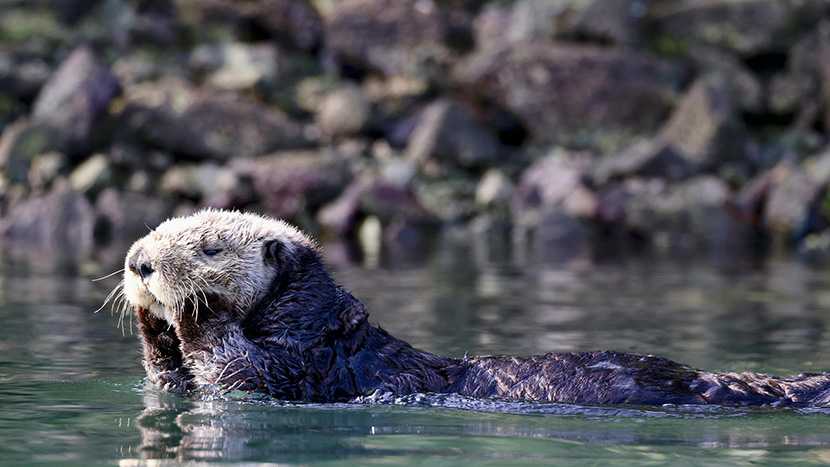
- Sea Otters: Keep urchin populations in check, protecting kelp forests that shelter countless marine species.
- Wolves: Influence prey behavior, helping vegetation recover and stabilizing river ecosystems.
- Elephants: Act as “ecosystem engineers” by creating water holes, clearing paths, and dispersing seeds in savannas.
These examples highlight the diversity of roles keystone species play — from top predators to landscape architects.
Lessons for Conservation
Conservation strategies increasingly focus on keystone species. Rather than attempting to protect every organism equally, ecologists prioritize those with the greatest ecological influence. Reintroducing or safeguarding keystone species can accelerate habitat restoration and biodiversity recovery.
For example, the removal of apex predators in marine ecosystems often leads to an explosion of mid-level species, resulting in overconsumption of critical vegetation. Reintroducing the predator can reverse the imbalance. This principle also applies to invasive species management, where controlling one influential species can restore ecological order.
Human Impact and Responsibility
Humans have disrupted keystone species worldwide through habitat destruction, overhunting, and pollution. Protecting these species requires careful planning and long-term commitment. It also demands education and awareness, ensuring that communities understand the broader ecological consequences of local actions.
From a broader perspective, keystone species remind us that small changes can produce massive ripple effects. Whether in nature, digital systems, or even societal structures, maintaining balance is key to stability and growth.

Final Thoughts
Keystone species are not just fascinating subjects for ecological study; they are essential to life as we know it. Their influence shapes landscapes, sustains biodiversity, and maintains ecosystem health. Observing their impact teaches us about resilience, interdependence, and the subtle connections that sustain our natural world.
Whether managing ecosystems or designing engaging online platforms, the principle remains the same: focus on the key components that keep the system balanced. Just as keystone species maintain the web of life, strategic incentives like Zoome free bonus help digital platforms thrive — creating engaging, sustainable environments for participants everywhere.