Can AI Help Athletes Train and Recover Better?
For any athlete, whether they’re an amateur or a professional, it’s important to train and recover in the best possible way. Using the right training techniques can help build your body’s strength effectively. Likewise, the most suitable recovery techniques can minimise damage to your body and leave you in a good state after physical activity.
Well-known athletes today face enormous pressure from both fans and the media to constantly perform at their best. With social networks amplifying every success and mistake, the spotlight on them has never been more intense. This attention becomes even stronger in sports that attract large global audiences and major sponsorships. One of the driving forces behind this growing pressure is the popularity of sportsbook platforms, where fans can place bets on matches and outcomes. These platforms have turned sports into a more interactive and emotionally charged experience. When people have their own money riding on the results, they watch every move more closely, cheer louder, and often become far more invested in athletes’ performance than ever before.
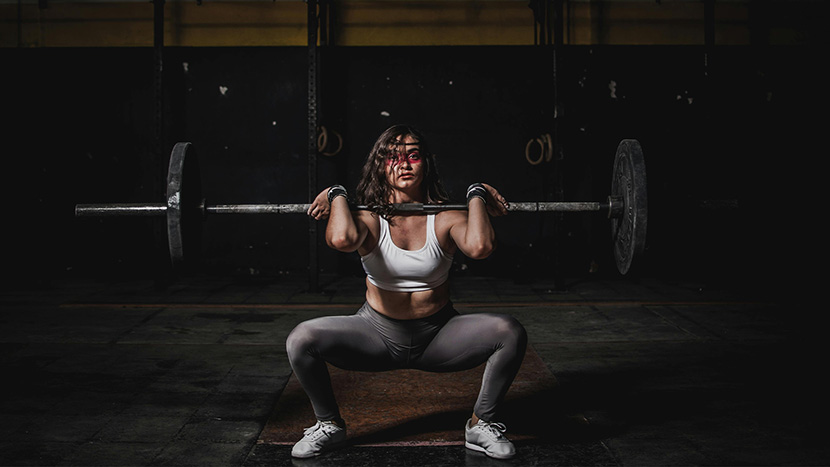
To help train and recover as efficiently as possible, athletes consider all sorts of options. Some might work with a personal coach; others might join a workout group or take classes at their local gym. Another option is using artificial intelligence, also known as AI. The question is, can AI help athletes train and recover better?
How AI Can Help With Training and Recovery
The answer is a resounding yes. AI is being used for a huge range of things and there’s practically no limit to what it can help with. To get something important out of the way, artificial intelligence can have flaws. It can make mistakes such as providing false information, making biased decisions, misinterpreting prompts and failing to understand context. Having said that, most people who use it accept it’s not 100% reliable and use the results it generates with caution.
AI and Training
When devising a training plan, AI can be a great help. When entering your prompt, simply give as much information as possible about yourself and everything related to your fitness and general health. Of course, you should also let the AI program know about what you’re training for and what specific goals you have, if any.
What’s great about AI is that it can help you come up with a training plan that’s personalised. When you try to find a plan online, a lot of them are written for a broad, general audience and may not be suitable for you. With AI, you can enter all your needs, wants and specifications and have the program come up with a plan specially tailored for you.
You could also use AI to recommend pre-existing training techniques. Tell the program what techniques you’re interested in and let it know if you’ve tried any in the past. Basically, the more you’re able to type into the prompt, the more the AI program will be able to give you in return.
Many athletes have wearables that track all sorts of metrics before and while they work out, as well as when they recover afterwards. AI programs in wearables can analyse data and provide you with guidance to help you perform better or even suggest changes you might want to make. With data analysis, AI can even prevent injuries by alerting you when you’re doing too much or when you’re working out with improper form.
Any type of training can involve swathes of data when you use wearables or any sort of tech that tracks what you do. AI can interpret, analyse and use this data in all sorts of ways, and it can put this data to use more quickly than humans can.
AI and Recovery
When it comes to recovery, you can use AI in the same way to create a personalised plan or find a pre-existing one that’s suitable for you. Again, it’s a matter of inputting as much relevant and useful information as possible because the more AI ‘knows’ you, the better its response will be. With AI, you can have a personalised recovery plan that takes into account your body’s needs and key features, while also acknowledging your mental state and general mood.
If you use a wearable, AI can effectively track your stats after a workout and make suggestions to improve your recovery. It can tell you what you should be doing and if there’s anything you’re currently doing that should be avoided. AI can also provide summaries of how you’ve coped after doing exercise so you can see for yourself what toll it’s taken on your body.
The feedback you receive from a recovery period can be used to improve your future exercise sessions. For example, if a workout is particularly intense and your recovery takes longer than usual, AI can alert you to this and suggest you not do as much during your next workout.
Words of Advice
AI may ‘know’ you in a way, but it doesn’t truly know you and your body. Only you do. If you rely on any sort of artificial intelligence in any capacity, remember that you’re the decision-maker. AI can make useful and genuinely helpful suggestions, but you don’t have to do anything it says. Take its words as pieces of advice that you may or may not follow.
It’s also worth pointing out that AI isn’t human. It’s a highly advanced programme that’s trained to interpret data. It can do incredible things, but it lacks the human touch. By all means, use AI to your benefit and let it assist you in your training and recovery. Just remember it’s not the be-all and end-all, and ultimately, you’re the one in charge.