What Did the Ancient Egyptians Learn About Human Biology Through Mummification?
The fact that Ancient Egyptians used to mummify the dead is common knowledge, but the exact science behind the process is not as well known. Recently, Egyptologists have made plenty of discoveries about mummification and how it taught the people of the time about human biology. By going through this embalming process, Ancient Egyptians learned a lot about human anatomy and the placement of all the vital organs.
Mummification is One of the Lesser-Known Aspects of Ancient Egypt
Ancient Egypt is one of the most fascinating periods of human history, and there’s clearly a widespread interest in the era. This is most evident in the entertainment industry, where there have been countless offerings inspired by the pyramid-building civilization.
Indeed, people who play slots online will know that there’s an overwhelming abundance of Ancient Egyptian-themed games, highlighting just how popular this theme is in the mainstream. Games like Eye of Horus and Egypt Clusterbuster are some of the top-listed games currently in the slots market.
There have also been numerous hit films based on Ancient Egypt, with Cleopatra and the Mummy franchise among the most famous. From all the entertainment offerings, people have been able to garner some knowledge of the way Ancient Egyptians lived. However, there are so many things that aren’t known, such as the exact scientific reasoning for the mummification process and the discoveries that it brought about.
Egyptians Learned About Anatomy Through the Embalming Process
Most people know that the Ancient Egyptians used mummification techniques on the dead, but many don’t know why it was done. It’s often associated with horror, with mummies being a common choice of outfit for Halloween. However, the main reason behind it was to preserve bodies for the afterlife. Mummification slowed down the decomposition process because Egyptians believed that the body needed to be recognizable for the spirit to find it after death.
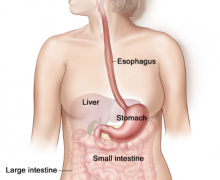
Part of the mummification process was embalming different parts of the body, including organs, bones, and soft tissues. When doing this, they learned a lot about the human anatomy and recognized that the heart was the central organ that was linked to all the other parts of the body. The knowledge of how everything was connected helped Egyptian physicians set broken bones and deal with certain injuries. Indeed, the civilization was far more advanced in this regard than many people realize.
Medical Knowledge That Emerged From Embalming Practices
Through practicing the embalming process over many years, Ancient Egyptians developed medical practices related to their findings. Because the embalmers handled organs regularly, they knew what to look for in terms of healthy and unhealthy tissue.
That enabled them to recognize symptoms such as swelling and infection, along with internal damage. Egyptologists have found that the people of the era were skilled at stitching and healing wounds, with many of their practices described in the Edwin Smith Papyrus and the Ebers Papyrus.
It’s incredible to think that a civilization from thousands of years ago already knew a lot about human biology. They may have stumbled on many of their discoveries accidentally, but over time they managed to develop some excellent medical strategies.