How Digital Tools Are Transforming Science Education in the Field
Science education has always been grounded in observation, experimentation, and discovery. However, in today’s world, field notebooks and lab reports are no longer the only tools that researchers use. Digital technology is changing the way science is recorded, shared, and experienced.
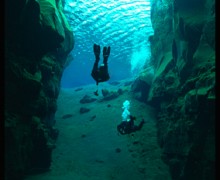
From the rainforests to the ocean, scientists are using traditional methods of research along with digital tools to make science more accessible, collaborative, and engaging.
Field Research in the Digital Age
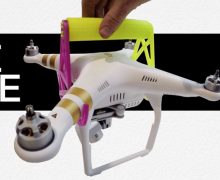
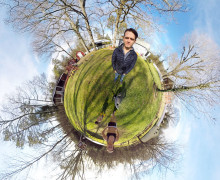
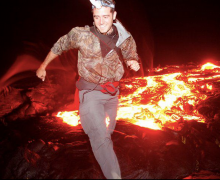
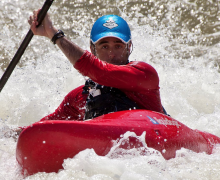
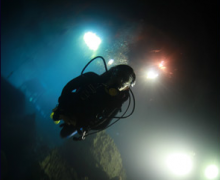
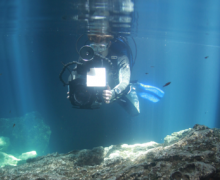
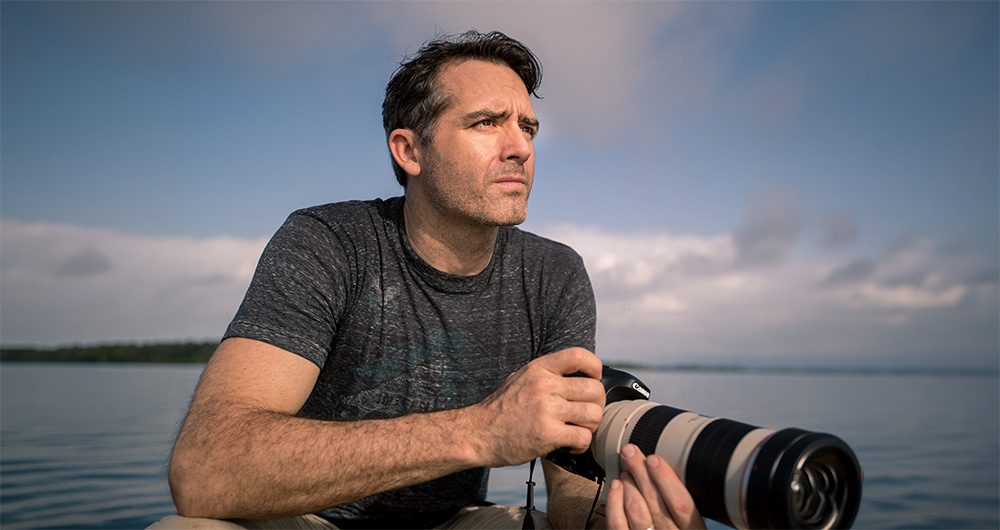
Contemporary field research may include more than just the collection of samples or the making of handwritten notes. Today, researchers employ the use of drones, action cameras, GPS tracking devices, mobile data applications, and cloud collaboration software to gather and share data in real time.
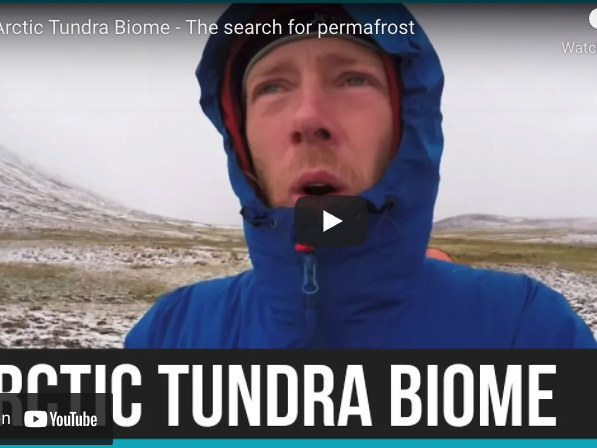
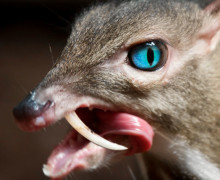
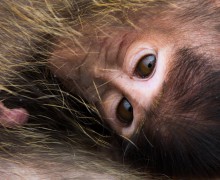
Video documentation has also become a crucial aspect of field research. Wildlife behaviors, changes in habitats, as well as experimental designs, can be documented and analyzed multiple times, thereby increasing accuracy and educational potential.
To ensure compatibility across devices and platforms, research teams frequently export footage in formats optimized for web and classroom sharing, such as the MP5 video format.Using the appropriate format enables educators to share high-quality video content on learning platforms without straining the storage system or the video playback quality. This is particularly important when working in areas with limited bandwidth.
Effective video formatting enables students, co-authors, and the international community to access real-world science as it unfolds.
Making Science More Visual and Interactive
Visual storytelling has always been an incredibly powerful tool in science education. This is because diagrams, microscopy images, and nature footage all serve to break down difficult concepts into manageable experiences.
Modern technology now enables teachers to:
- Produce educational videos from field data
- Create interactive maps of research locations
- Integrate data visualizations with real-world footage
- Create immersive virtual field trips
These methods do not displace hands-on science education but rather serve to supplement it. By allowing students to visualize ecosystems, species interactions, or data results, abstract ideas become concrete.
Branding and Identity in Science Outreach
With the growing presence of science communication on the internet, research groups and environmental projects are also considering issues of presentation and identity. A strong identity can help projects gain credibility and attract volunteers.
Educational projects, conservation campaigns, and citizen science projects usually have a strong identity.Some teams even use AI-powered design tools to create an AI logo that reflects their mission — whether it’s biodiversity conservation, marine research, or climate awareness.
While the research itself remains the priority, strong visual identity helps communicate professionalism and purpose. In a digital landscape filled with information, clarity and consistency matter.
Collaboration Beyond Borders
Technology has also expanded global collaboration. Researchers in different countries can share:
- Field recordings
- Species databases
- Environmental sensor data
- Annotated video clips
- Collaborative research notes
Cloud storage, optimized video formats, and AI-assisted analysis tools make it possible for teams to collaborate across time zones and ecosystems. Students can now watch research being conducted thousands of miles away – sometimes in near real-time.
This level of access helps bridge the gap between research and public understanding.
Preparing the Next Generation of Scientists
Digital literacy is emerging as a new skill that future scientists will require. The ability to document research properly, organize data, display research findings visually, and communicate research results online is now considered a new aspect of scientific literacy.
By incorporating digital media tools into science education, teachers are now preparing students not only to conduct research but also to communicate research responsibly and effectively.
Field biology, environmental science, and conservation can greatly benefit if research findings are not only documented but also communicated effectively.
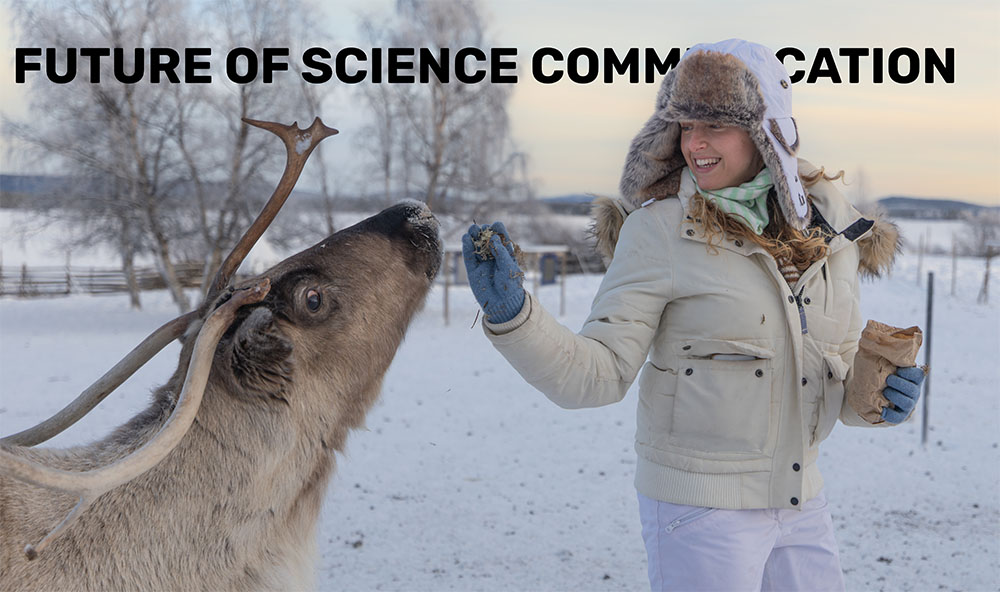
The Future of Science Communication
As video technologies, collaborative platforms, and AI tools advance, science education will become even more interactive and inclusive. Remote classrooms can now join field expeditions. Students can now examine real datasets. Conservation projects can now post updates instantly.
Technology does not replace curiosity, critical thinking, or exploration. Rather, it enhances them.By integrating rigorous scientific research with effective digital communication, scientists and educators can now inspire a higher level of engagement – one that connects learners with the natural world in a more immediate, immersive, and impactful way than ever before.