Bioreactor Cleaning and Sterilization: A Guide to SIP, CIP, and Autoclaving
Bioreactor cleaning is crucial in lab operations. You must remove all media residues to protect research integrity and result reliability. Before you decide which method fits your lab, you must first understand what they do and how they work. You can also check out HABITAT bioreactors for sale for the best deals.
Clean-in-Place (CIP)
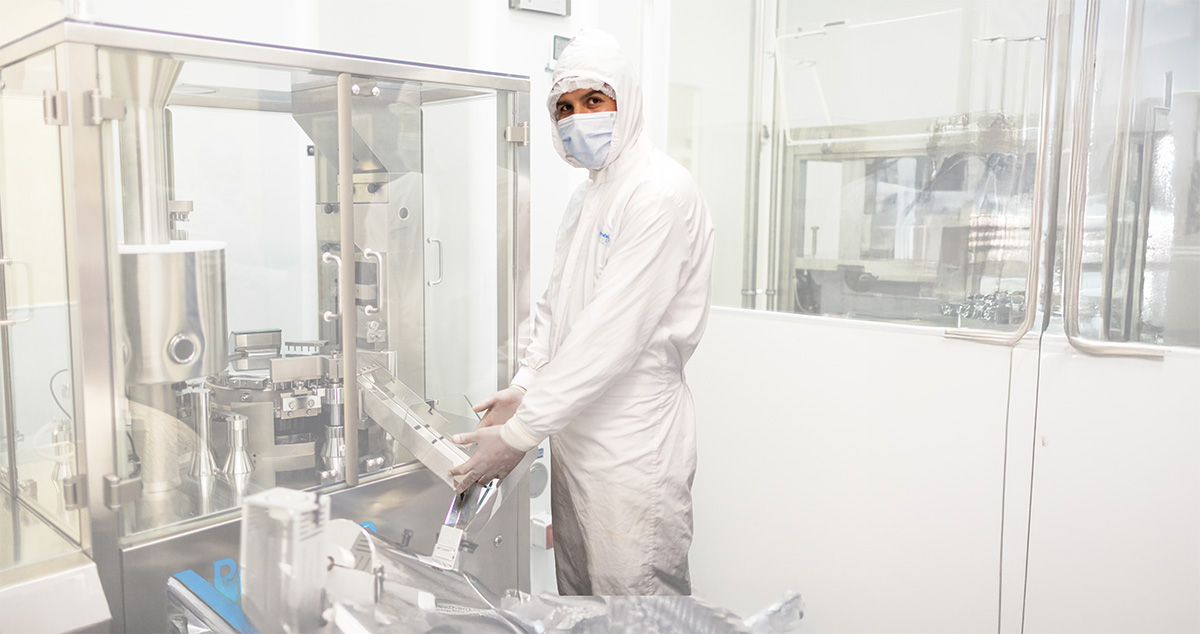
Clean-in—Place is the bioreactor cleaning process for removing residues from internal surfaces of bioreactors without dismantling equipment. It is an essential lab tool.
Applications
CIP is widely used in industries like pharmaceuticals and biotechnology. This method provides a practical way to clean bulky bioreactors.
How it works
It pre-rinses the surface to remove large debris. Then, there is a cleaning solution for the machine. Finally, the process ends with rinsing everything again with purified water.
Advantages
CIP significantly reduces human errors by automating the process. It also prevents extended periods of downtime, since the machines do not have to be disassembled.
Sterilize-in-Place (SIP)
Sterilize-in-Place (SIP) refers to the process of bioreactor sterilization after CIP.
Application
SIP is always after CIP. They form a complete cleaning cycle together. CIP focuses on the cleaning part of the process. SIP looks at the sterilisation to make it contamination-free.
How it works
It utilises pressurised steam to achieve bioreactor sterilization. Powerful, concentrated steam is injected into the vessel at around 250°F for at least 15 minutes. After that, it’s the cooling phase for the equipment to gradually return to its working condition. The high heat eliminates all viable microorganisms, thoroughly cleaning the tool.
Advantages
SIP integration allows you to monitor the whole process for traceability. It decreases contamination risks greatly. It also improves operational efficiency through automation. The entire process is standardised.
Autoclave Sterilization
An autoclave is a standard batch sterilization method for benchtop and lab-scale bioreactors.
Application
It works great for small-scale bioreactors and glass vessels. However, due to its design, it is not suitable for large vessels.
How it works
The entire vessel is placed inside the autoclave chamber. After that, pressurised steam is applied at around 250°F. The exposure time will depend on the type and volume of the bioreactors.
Advantages
It is a very effective sterilization method that is not limited by the reactor design. It is also very reliable.
Comparative Analysis
All three methods are used for bioreactor cleaning. You need to understand their applications and limitations to apply them accurately.
CIP
CIP is the first step of the cleaning process. It is good for complicated systems that can’t be dismantled easily.
SIP
SIP must follow CIP for a full cleaning cycle. It is the sterilisation process after the cleaning step. It can be automated to minimise errors.
Autoclave
It is also a sterilisation process. But it is mostly used for small-scale tools or removable components. It offers some degree of automation, but not fully.
Validation and Regulatory Considerations
When purchasing lab tools, make sure you get them from trusted manufacturers like IKA. It makes regulatory compliance smooth and simple.
Regulations
They are all governed by official guidelines created by bodies like the FDA or WHO. The whole cleaning process must be validated and documented.
Validation
You must validate every step through documentation. It is often a legal requirement for reproducibility and accountability.
Best Practices and Recommendations
Follow these practices when cleaning your reactions.
Operational flow
You always need to combine CIP with SIP and should never mix the order. Document and monitor the process to intervene if an abnormality arises.
Optimisation
Follow the manufacturer’s guidelines for the right cleaning agents and instructions.
Maintenance
Inspect the cleaning tools for cracks and buildup before usage. The valves, seals, and pipes should create a smooth airflow.
In conclusion
Bioreactor cleaning is an inseparable part of the process. It builds the ground for product quality, safety, and regulatory compliance. CIP is an efficient, automated cleaning process. SIP is the final touch that follows CIP. They are suitable for large machinery. An autoclave is ideal for smaller vessels.
Working with the right method is effective and efficient. It also meets regulatory standards.