What Makes a Species Endangered? Understanding the Case of Giraffes
Most people assume a species becomes endangered overnight, but the process is usually slow, layered, and easy to miss until the numbers are already low. Populations shrink, habitats break apart, and survival becomes harder with each passing year. These changes rarely happen in isolation.
In this article, we’ll look at what makes a species endangered and how those pressures show up in the wild. We’ll then examine giraffes as a real-world example of how multiple threats can quietly push a well-known animal toward decline.
What Does “Endangered” Actually Mean?
“Endangered” is not a vague label. It has a specific meaning based on how likely a species is to disappear in the wild. Conservation groups use measurable criteria to track this risk, including population size, rate of decline, and how widely a species is distributed.
The most widely used system comes from the International Union for Conservation of Nature, which maintains the Red List of Threatened Species. This framework places species into categories based on their level of risk:
- Vulnerable: facing a high risk of extinction in the wild
- Endangered: facing a very high risk of extinction
- Critically Endangered: facing an extremely high risk of extinction
Each step reflects a worsening situation, often driven by ongoing population decline or severe habitat loss.
The Key Factors That Push Species Toward Endangerment
No species becomes endangered for just one reason. Here are factors that can make species endangered:
Habitat Loss and Fragmentation
Natural habitats are cleared for farming, roads, and urban development. What remains is often broken into smaller, isolated patches. This limits access to food, water, and breeding partners, while increasing the risk of conflict with humans.
Illegal Hunting and Poaching
Some species are hunted for meat, body parts, or trade. Even low levels of poaching can have serious effects when populations are already under pressure. Over time, this reduces numbers faster than they can recover.
Climate Change and Environmental Stress
Shifts in temperature and rainfall patterns affect ecosystems in ways that are not always obvious at first. Food sources may become less reliable, water can become scarce, and migration patterns may no longer align with seasonal changes.
Low Reproductive Rates
Species that reproduce slowly struggle to bounce back after population loss. If fewer young are born each year, recovery becomes difficult, especially when other threats are still present.
Human Expansion and Land Use Pressure
Wildlife faces increasing pressure as human populations expand, forcing them into smaller spaces. This increases competition for resources and leads to more encounters between people and animals, which often end in harm to the species.
Each of these factors can cause damage on its own. Combined, they create the conditions that move a species closer to endangerment.
Why Giraffes Are Quietly Becoming Endangered
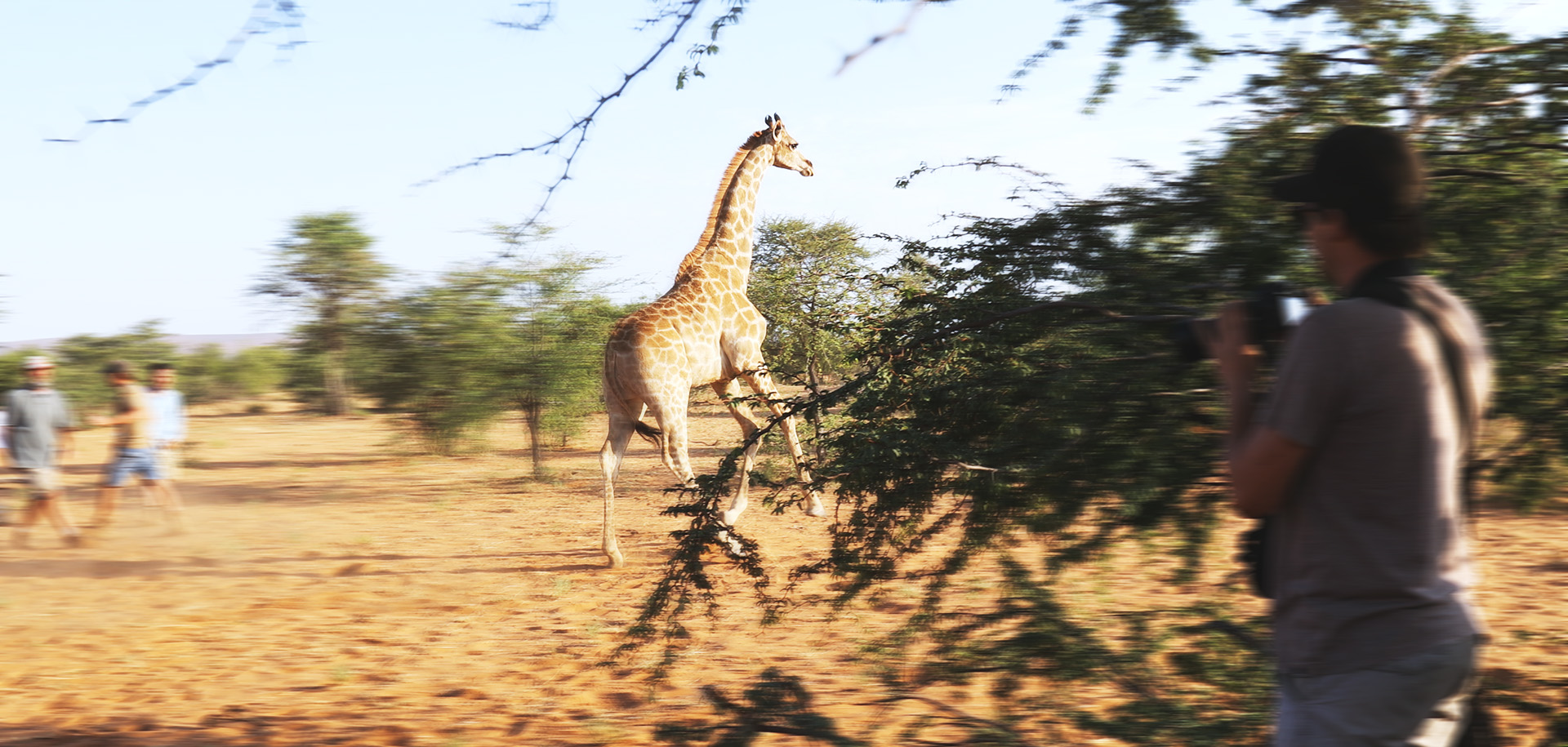
Giraffes are widely recognized, yet their decline has received far less attention than that of other large African mammals. Over the past few decades, their numbers have dropped significantly, but the change has been gradual enough to go largely unnoticed.
Population Decline You Don’t Hear About
Giraffe populations have fallen by nearly 30% over the last few decades. This kind of decline does not always make headlines because it happens slowly, without a single defining event. The result is what conservationists often describe as a “silent” decline, where a familiar species becomes less common without widespread awareness.
Habitat Fragmentation Across Africa
Giraffes need large, connected landscapes to move, feed, and reproduce. Across many parts of Africa, those landscapes have been divided into smaller sections by farms, roads, and settlements. Isolated groups struggle to maintain healthy genetic diversity, which affects long-term survival.
Poaching and Human Conflict
In some regions, giraffes are hunted for bushmeat or targeted during periods of resource scarcity. Expanding human activity also increases the chances of conflict, especially when wildlife and communities rely on the same land for survival.
Climate Pressure on Food Sources
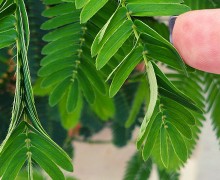
Giraffes depend on specific vegetation, particularly acacia trees. Changes in rainfall patterns and prolonged dry periods can reduce the availability of these food sources, forcing giraffes to travel farther or compete more intensely for what remains.
Taken together, these pressures show how a species can move toward endangerment without a single obvious cause.
Why Giraffes Matter More Than People Realize
As browsers, giraffes feed on leaves high in the tree canopy, especially from acacia species. This feeding pattern helps shape vegetation growth, preventing certain plants from becoming overdominant and allowing a wider range of species to thrive. In the process, giraffes also move seeds across large distances, supporting plant regeneration in different areas.
Their movement across open landscapes creates pathways that other animals use, and their feeding habits can influence how nutrients cycle through an ecosystem. When giraffe populations decline, these small but important interactions begin to shift, affecting more than just one species.
Giraffes also carry cultural and ecological significance. They are part of the identity of many African landscapes and play a role in local tourism economies. A decline in their numbers does not just affect biodiversity. It affects how entire ecosystems function and how people connect with those environments.
What Can Be Done to Protect Endangered Species Like Giraffes
Here’s what we can do as collectives to protect endangered species:
- We must protect and restore habitats.
- We must strengthen anti-poaching efforts.
- Support local communities.
- Research and population monitoring.
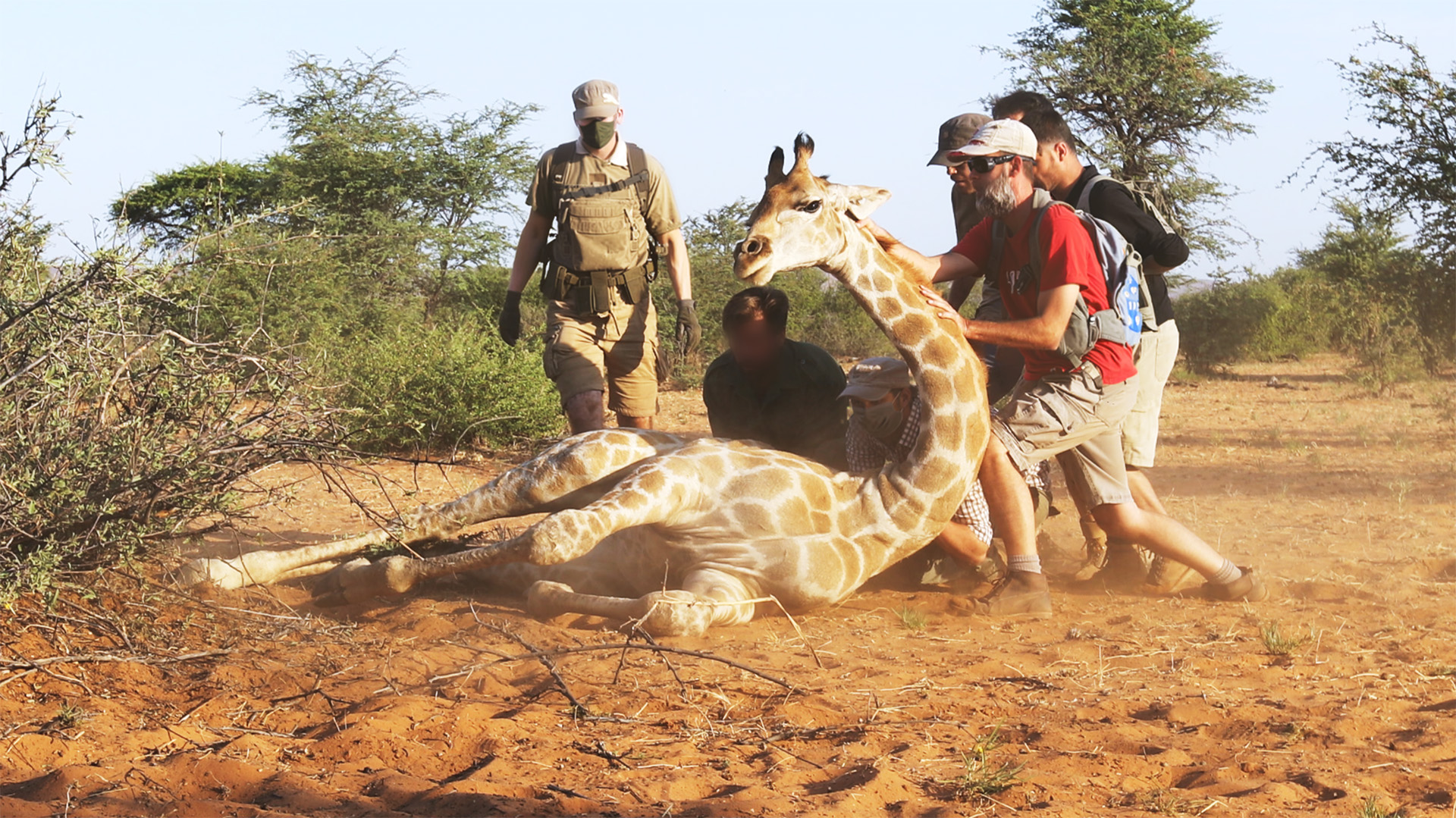
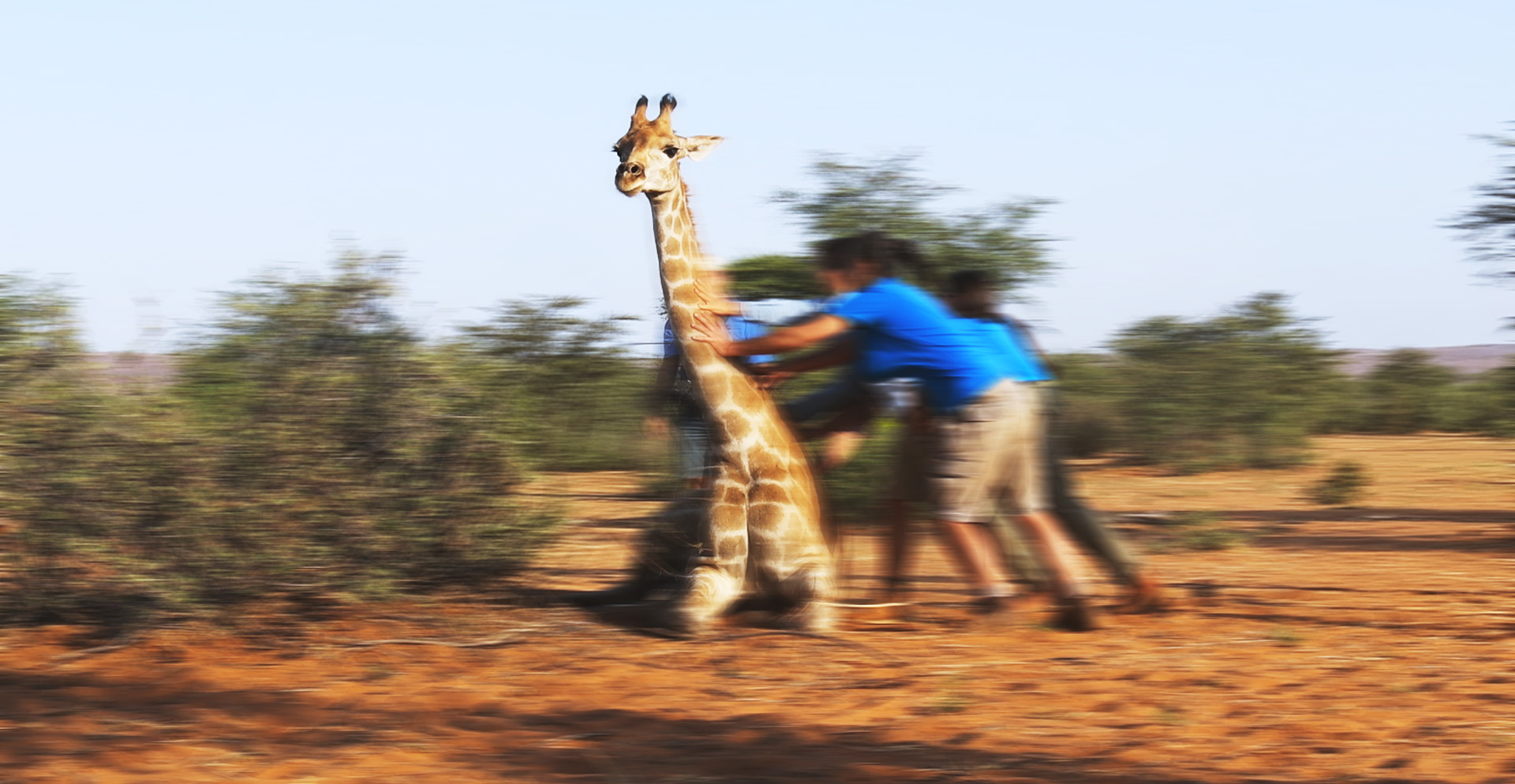
Organizations like Save Giraffes Now are working directly in affected regions, focusing on habitat protection, emergency rescue efforts, and long-term strategies that support both giraffes and the ecosystems around them.
Endangerment Is a Pattern, Not an Exception
Giraffes are not an isolated case. The same pressures affecting them are shaping the future of many species across the world. Habitat loss, climate stress, and human expansion continue to follow a similar pattern, pushing different animals toward the same outcome.
What makes this concerning is how predictable the process has become. A species loses space, populations become fragmented, numbers begin to drop, and recovery becomes harder with time. Without early attention, these changes can continue for years before they reach a critical stage.
Looking at giraffes through this lens makes the issue clearer. Their decline reflects a broader pattern rather than a unique situation. One of the best ways to protect species that can still recover is to notice these patterns and act before they worsen.