Beyond the Webcam: How to Shoot Professional-Grade Field Lectures for Online Science Courses
To shoot professional-grade field lectures for online science courses, start by investing in quality gear like DSLRs, good microphones, and suitable lighting. Scout visually appealing locations and craft an engaging script with anecdotes and interactive elements. Use strong storytelling to hook your audience and keep them curious. When editing, choose user-friendly software and find the right platforms for distribution. You’ll soon master the art of creating compelling content that captivates your students and enhances their learning experience.
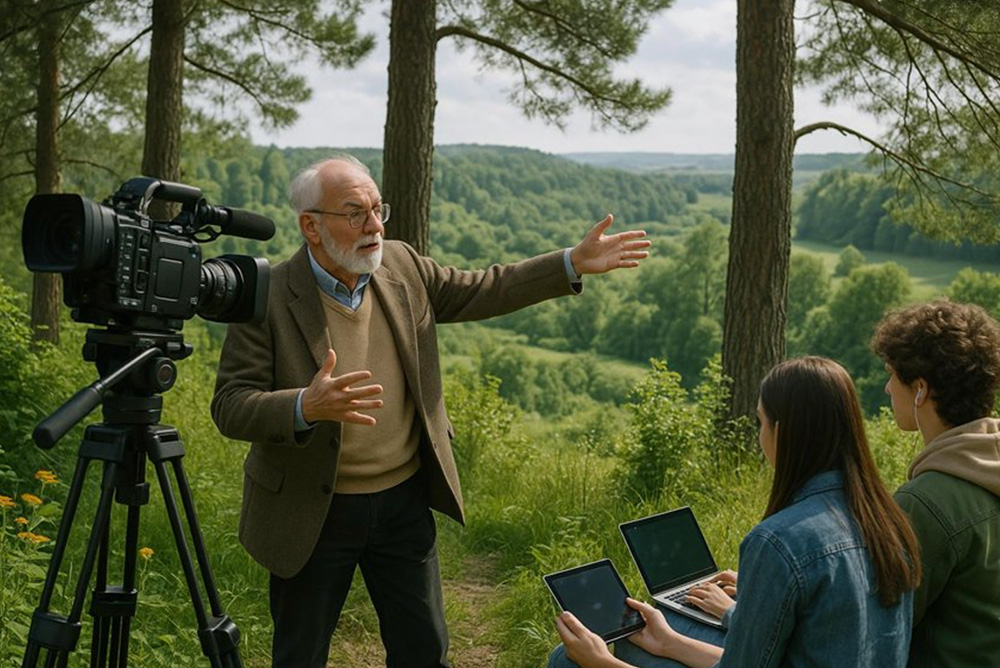
Why High-Quality Field Lectures Matter
When you think about science education, high-quality field lectures can make all the difference in your understanding and engagement. These immersive experiences have a profound impact on learning by connecting theoretical concepts to real-world applications. You’ll find that being out in the field stimulates your curiosity and fosters deeper insights.
Moreover, high-quality field lectures actively boost student engagement. They provide a dynamic alternative to traditional classroom settings, making complex subjects more relatable and exciting. You’re not just passively absorbing information; you’re exploring, questioning, and participating.
This hands-on approach awakens your passion for science, encouraging you to investigate deeper into the material. Ultimately, investing in quality field lectures enriches your educational journey and empowers you to take charge of your learning.
Essential Gear for Captivating Filming
When you’re planning your field lecture, choosing the right camera is vital for capturing stunning visuals.
Don’t overlook audio equipment either; clear sound can make or break your presentation.
Let’s explore the essential gear that will elevate your filming game.
Camera Selection Tips
Choosing the right camera is essential for creating engaging online science lectures. Start by considering different camera types—DSLRs, mirrorless, or even high-quality action cameras—all have unique benefits.
DSLRs offer versatility and excellent image quality, while mirrorless cameras are lightweight and compact, perfect for fieldwork.
Next, think about lens options. A versatile zoom lens can capture everything from wide landscapes to close-up details, making it ideal for varied lecture content.
If you’re focusing on intricate subjects, a macro lens can showcase fine details beautifully.
Ultimately, select a camera that fits your style and the message you want to convey. With the right gear, you’ll elevate your lectures and captivate your audience.
Essential Audio Equipment
Quality audio is just as essential as stunning visuals in online science lectures. To guarantee your message resonates, invest in reliable audio equipment. Start with a good microphone—lapel mics or shotgun mics can dramatically improve sound quality.
Pair your microphone with an audio interface to capture and manage audio levels effectively.
Don’t forget about soundproofing techniques; they can make a huge difference in reducing background noise. Simple measures like using foam panels or recording in a quieter space will enhance your audio clarity.
Planning Your Shoot: Locations and Logistics
As you commence planning your shoot, the right locations and effective logistics can make all the difference in delivering a professional-grade lecture.
Start with location scouting—choose sites that enhance your message and resonate with your audience. Look for visually appealing, relevant backdrops that spark curiosity.
Once you’ve pinpointed the ideal spots, focus on shoot scheduling. Consider factors like lighting, weather, and potential noise disruptions. Plan your shoots during prime times to guarantee a smooth experience.
Always have a backup plan in case of unforeseen circumstances.
With thoughtful location choices and seamless logistics, you’ll create an engaging environment that captivates viewers, allowing them to connect with your content on a deeper level.
Your preparation sets the stage for success!
Crafting Your Script for Engagement
With the right locations and logistics in place, your next step is to craft a script that captivates your audience.
Use engaging storytelling to draw them in and incorporate interactive elements to keep them involved. Here’s how to structure your script:
- Start with a hook: Open with a surprising fact or question that piques curiosity.
- Paint a vivid picture: Describe the setting or concepts using sensory language to create imagery.
- Include anecdotes: Share personal experiences or relatable stories that resonate with your audience.
- Encourage participation: Pose questions or challenges that invite viewers to think critically.
How to Light Your Field Lectures for Maximum Impact
Lighting can transform your field lectures from ordinary to extraordinary, enhancing both visual appeal and audience engagement.
Start by utilizing natural lighting techniques; shoot during golden hours—early morning or late afternoon—to capture soft, flattering light. Position yourself facing the light source for the best results.
If conditions aren’t ideal, explore artificial lighting options like LED lights or portable softboxes. These can create a balanced, professional look, ensuring your audience sees you clearly.
Don’t forget to avoid harsh shadows and overexposure by adjusting your setup. Experiment with different angles and setups to find what works best for your environment.
With the right lighting, you’ll captivate your viewers and elevate the overall quality of your field lectures.
Tips for Capturing Clear Audio in the Field
When you’re out in the field, capturing clear audio is vital for your lectures.
Choosing the right microphone, reducing wind noise, and finding an ideal recording environment can make all the difference.
Let’s explore some effective strategies to enhance your audio quality.
Microphone Selection Matters
Selecting the right microphone is essential for capturing clear audio in the field. Your choice directly impacts audio fidelity, so consider these microphone types:
- Lavalier Microphones: Discreet and clip-on, perfect for hands-free talking.
- Shotgun Microphones: Highly directional, ideal for isolating your voice from background noise.
- Handheld Microphones: Great for interviews or interactive sessions, allowing you to engage your audience directly.
- USB Microphones: Simple and effective, they connect easily to your devices for quick setups.
Wind Noise Reduction Techniques
Even with the right microphone, wind noise can sabotage your audio quality in outdoor recordings. To tackle this, consider effective windbreak solutions, like using natural barriers such as trees or boulders, to shield your microphone from gusts.
You can also position yourself strategically, turning your back to the wind while speaking.
Incorporating specific audio techniques, such as using windshields or foam covers on your microphone, can drastically reduce unwanted noise. If you’re in a pinch, even simple solutions like holding a hand or jacket over the mic can help.
Optimal Recording Environment Tips
Capturing clear audio in the field often hinges on finding the right recording environment. To enhance your sound quality, consider these ideal tips:
- Choose a quiet location: Look for spots away from busy roads or loud crowds to minimize background noise.
- Utilize natural barriers: Use hills, trees, or buildings to block unwanted sound, acting as natural soundproofing techniques.
- Time your recording wisely: Early mornings or late evenings often feature less wind and activity, improving audio clarity.
- Check background considerations: Ascertain your backdrop complements your message—avoid distracting visuals that might pull focus from your lecture.
How to Keep Your Audience Engaged During Field Lectures?
How can you keep your audience engaged during field lectures? Start by incorporating interactive elements that invite participation. Ask questions or create polls to spark discussion and make your audience feel involved.
Utilize storytelling techniques to weave your content into relatable narratives, enhancing retention and interest. Share personal experiences or case studies to create a connection.
Don’t forget visual aids—use slides, images, or props to illustrate key points and break up your talk. This variety not only maintains attention but also caters to different learning styles.
Editing Tools for Polished Field Lectures
When delivering a polished field lecture, utilizing the right editing tools can make all the difference. Here are four essential tools to elevate your lecture:
- Editing Software: Choose user-friendly options like Adobe Premiere Pro or Final Cut Pro for seamless editing.
- Video Transitions: Incorporate smooth changes between clips to maintain flow and keep viewers engaged.
- Audio Enhancement: Use software like Audacity to clean up audio, ensuring clarity and professionalism.
- Graphics and Text: Add insightful graphics or text overlays to emphasize key points and enhance understanding.
Best Platforms for Distributing Your Field Lectures
Choosing the right platform to distribute your field lectures can make all the difference in reaching your audience effectively.
You’ll want to contemplate popular video hosting platforms for easy access and sharing, along with learning management systems that enhance student engagement.
Let’s explore the best options available to guarantee your lectures shine.
Popular Video Hosting Platforms
As you prepare to share your field lectures online, selecting the right video hosting platform is essential for maximizing reach and engagement.
Consider these popular options:
- YouTube: Utilize YouTube analytics to track audience demographics and enhance your content strategy.
- Vimeo: Explore Vimeo features for high-quality video hosting, customizable options, and better privacy controls.
- Facebook: Leverage Facebook integration to tap into existing communities and boost engagement through social sharing.
- Platform Comparisons: Compare subscription models and video monetization options to find the best fit for your needs.
Choosing the right platform not only improves content accessibility but also guarantees your lectures reach the audience that craves knowledge and freedom.
Learning Management System Options
Selecting the right Learning Management System (LMS) can make a significant difference in how effectively you distribute your field lectures. You’ll want an LMS that supports seamless course integration, making it easy for students to access your content.
Platforms like Moodle, Canvas, and Blackboard offer robust features, allowing you to organize materials, track progress, and engage learners dynamically. Consider user-friendliness; an intuitive interface enhances the learning experience for students in ASU Prep Digital programs.
If you desire flexibility, explore options like Google Classroom or Teachable, which enable you to customize your courses while reaching a broad audience.
Ultimately, your choice of learning management systems will shape how your students interact with your field lectures, so choose wisely to maximize engagement and impact.
Collecting Student Feedback for Future Improvements
Gathering student feedback is essential for enhancing the effectiveness of online science courses. By understanding your audience’s insights, you can develop improvement strategies that truly resonate.
Here’s how to collect and analyze feedback effectively:
- Conduct student surveys at the end of each module to gauge content clarity.
- Utilize course evaluations to identify strengths and weaknesses in your lectures.
- Perform feedback analysis to pinpoint recurring themes and concerns.
- Implement iterative development by making adjustments based on student suggestions.
These approaches not only enrich your course but also foster a collaborative learning environment.
Embrace this opportunity to refine your teaching methods and create an engaging experience for your students. Their feedback is your roadmap to success!
Conclusion
Incorporating high-quality field lectures into your online science courses can transform your teaching. With the right gear, planning, and engagement strategies, you can create videos that captivate your audience like a blockbuster film. Don’t forget to edit meticulously and choose the best platforms for distribution. Collecting feedback will help you refine your approach, ensuring your future lectures shine even brighter. Embrace these techniques, and watch your students’ enthusiasm soar to astronomical heights!