How Antibodies Development Shapes Next-Generation Biopharmaceuticals?
Antibodies development has evolved into an integrated discipline spanning discovery, engineering, manufacturing, and analytics. Monoclonal antibodies development underpins many next generation biologics, including bispecifics and ADCs. Product quality is shaped early through design, not only downstream control. Modern biologics development integrates potency, manufacturability, and safety from the outset. Antibody drug development now defines how targeted biologic therapies are conceived and scaled.
Why Antibodies Development Is Central to Modern Biopharmaceutical Innovation?
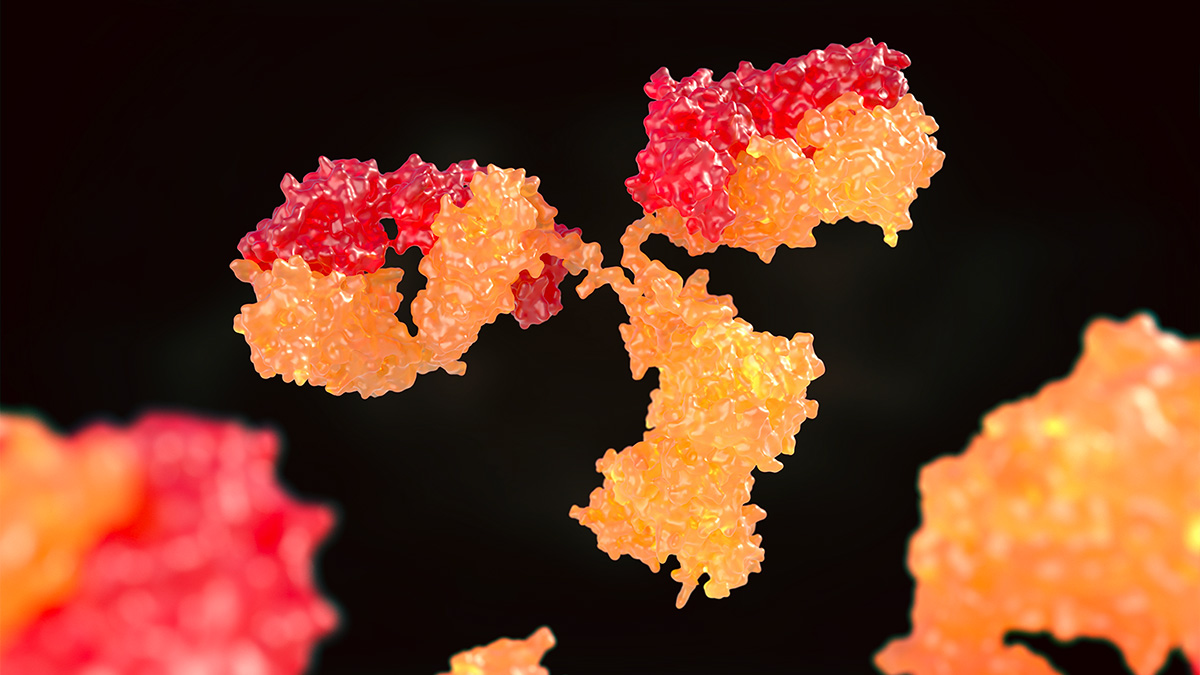
Antibodies development sits at the center of contemporary biopharmaceutical innovation because antibodies combine target specificity, modular structure, long circulating half-life, and tunable effector biology in a way few other therapeutic classes can match. That combination has allowed therapeutic antibodies to evolve from relatively straightforward monospecific blockers into an extensible engineering framework for targeted biologic therapies across oncology, immunology, infectious disease, and rare disease.
Crucially, antibodies development integrates molecular design with industrial feasibility, requiring that candidates meet criteria for expression, stability, and analytical tractability alongside biological potency. This convergence of biology and engineering has transformed antibodies into platform technologies rather than isolated products. As a result, advances in antibody engineering increasingly shape broader biologics development strategies. The field demonstrates that innovation depends not only on novel targets but also on the ability to translate them into manufacturable and controllable therapeutics.
Key Stages in Antibodies Development for Therapeutic Applications
The entire process of developing therapeutic antibodies can be divided into five independent stages:
- Target selection and antibody discovery
- Early screening (sometimes called research screening)
- Lead optimization
- Process development (including cell line development, upstream processing and downstream purification development)
- Characterization of the antibody by analytical methods
Target selection establishes the mechanistic thesis, including whether therapeutic benefit will come from ligand neutralization, receptor blockade, receptor agonism, immune cell redirection, payload delivery, or modulation of Fc-mediated effector pathways. Discovery then converts that mechanistic thesis into molecular matter through hybridoma methods, display technologies, transgenic platforms, B-cell interrogation, or related repertoire-based approaches that can generate candidate binders with differing epitope coverage and functional phenotypes. The central question is whether antibody binds in a way that supports the intended biology under clinically relevant conditions.
Early screening should include assessment of antigen density, receptor trafficking, soluble target burden, internalization behavior, and species cross-reactivity for nonclinical assessment. Therefore increasingly incorporates orthogonal assays that connect binding to function, such as cell-based potency, Fc receptor interaction profiling, cytokine release risk assessment, and early stress testing for colloidal or chemical instability. These early filters matter because they identify liabilities that may otherwise emerge only after large investments in stable cell line generation and toxicology packages. In this sense, antibody discovery has become inseparable from antibody optimization, because a therapeutic candidate is now defined as much by what it avoids as by what it achieves.
Lead optimization integrates sequence engineering to improve affinity, specificity, and physicochemical properties while mitigating immunogenicity and manufacturability liabilities. At this stage, developers must also align molecular design with intended clinical use, including route of administration and dosing constraints.
Once a lead antibody is nominated, biologics development shifts into a stage where drug substance manufacturing knowledge begins to shape the asset itself. Stable cell line development, typically based on a CHO cell line for full-length antibodies, determines expression level, product quality distribution, and the baseline consistency from which future scale-up decisions will proceed. Upstream process development then establishes how media composition, feed strategy, culture duration, dissolved oxygen control, pH management, temperature shifts, and productivity-enhancing interventions influence the titer, glycosylation, charge heterogeneity, fragmentation propensity, and other critical quality attributes. Downstream process development introduces another layer of selectivity through capture, viral inactivation, polishing, impurity clearance, and conditioning steps that collectively determine residual host-cell proteins, aggregates, fragments, glycoform enrichment, and overall product consistency.
Analytical characterization complete the transformation from candidate molecule to therapeutic product. Regulatory science for biologics expects developers to identify critical quality attributes and justify how process parameters, in-process controls, release tests, and stability programs together ensure the desired quality profile. For antibodies, this typically requires an integrated analytical package spanning identity, purity, size variants, charge variants, glycosylation, potency, target binding, Fc receptor interactions when relevant, higher-order structure, particulate risk, and immunogenicity-related assessment.
Engineering Strategies Driving Advances in Antibodies Development
Engineering strategies are the primary drivers of progress in antibodies development. Variable-region optimization enhances affinity and specificity but must be balanced against stability and developability constraints. Fc engineering has become one of the most consequential tools in this shift because the Fc region governs much of what differentiates antibodies from other protein drugs. By altering Fc interactions with Fc gamma receptors, complement components, or the neonatal Fc receptor, developers can tune cytotoxic effector function, inflammatory signaling, and serum half-life in ways that directly affect clinical utility. An antibody intended to deplete target-expressing cells may benefit from enhanced Fc-mediated recruitment of effector mechanisms, whereas an antibody designed for pure receptor blockade may require Fc silencing to avoid unintended biology. Likewise, half-life extension through Fc modifications can support less frequent dosing, but only if the resulting changes do not introduce new stability, immunogenicity, or tissue-distribution liabilities.
Format innovation represents a major frontier, particularly with bispecific antibodies and antibody-drug conjugates. These modalities enable new mechanisms such as dual-target engagement or targeted payload delivery but introduce additional complexity in production and characterization. As a result, successful antibody-drug conjugates development depends on integrating engineering decisions with process and analytical strategies early in the lifecycle.
Antibodies Development and Its Impact on Targeted Therapies
The impact of antibodies development on targeted therapies is most visible in the way it has changed therapeutic precision. Traditional systemic pharmacology often sought sufficient exposure and acceptable tolerability across broadly distributed biology. In contrast, therapeutic antibodies are built around target definition, tissue context, receptor occupancy logic, and measurable mechanisms of action. Among the indications for which antibodies have proven to be a revolution in treatment are:
- Rituximab for CD20-positive diffuse large B-cell lymphoma (vs CHOP therapy)
- Trastuzumab for HER2-positive metastatic breast cancer (vs chemotherapy)
- Bevacizumab for first-line metastatic renal cell carcinoma (vs interferon α-2a)
- Adalimumab for early rheumatoid arthritis (vs. methotrexate)
- Daratumumab for newly diagnosed multiple myeloma (vs. VMP therapy)
Antibodies development has demonstrated that therapeutic targeting and production consistency are inseparable, reinforcing the need for integrated development approaches. It is worth using contract solutions for this purpose.
Future Directions in Antibodies Development for Complex Biologics
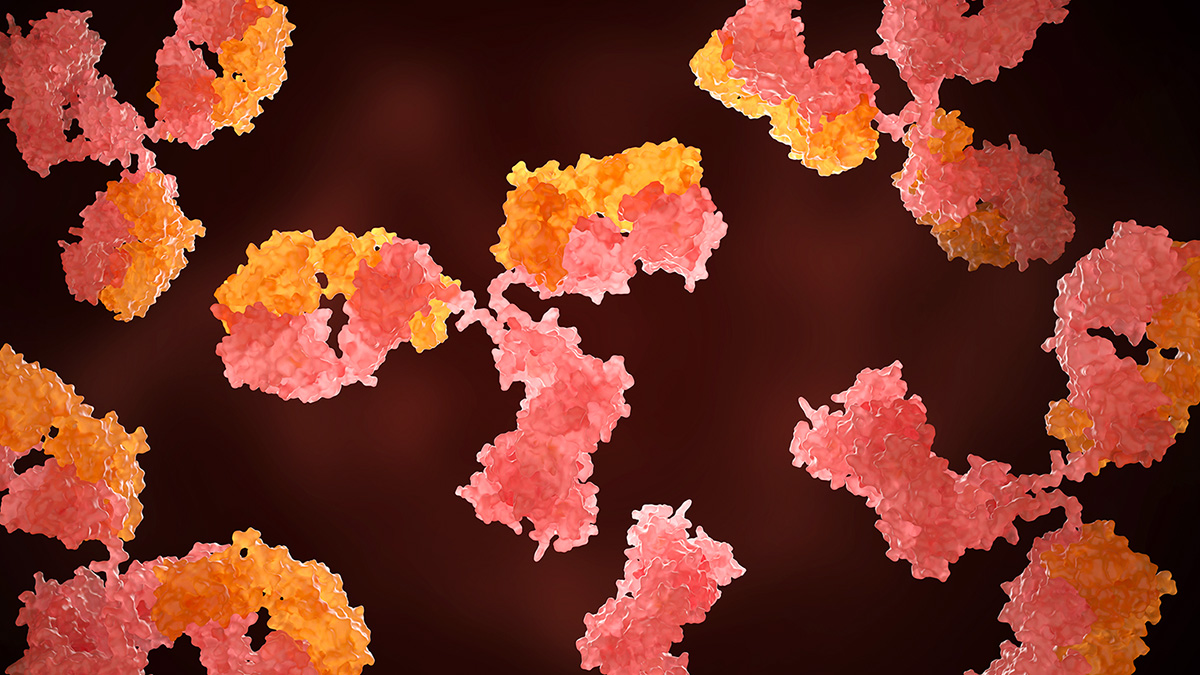
Future antibodies development will be defined by increasing molecular complexity combined with stronger integration of engineering, manufacturing, and analytical science. While novel formats will continue to expand functional capabilities, success will depend on the ability to control heterogeneity and ensure consistent product quality. Developers are likely to prioritize candidates that align with platform manufacturing and well-understood control strategies.
Advances in analytical technologies will play a critical role by enabling deeper understanding of structure-function relationships and more efficient comparability assessments. At the same time, immunogenicity risk management will become more proactive, particularly for heavily engineered molecules. The field is moving toward a model in which discovery, process development, and clinical strategy are tightly interconnected. Ultimately, antibodies development will continue to shape next generation biologics by transforming molecular specificity into a scalable and controllable therapeutic paradigm.