Exploring the Endocannabinoid System
Hand two people the exact same gummy and you can end up with two completely different nights. One feels light and sleepy within the hour. The other checks the package twice, wondering if it even worked.
The reason why comes down to a network of receptors inside the body called the endocannabinoid system.
How the Receptor System Actually Works
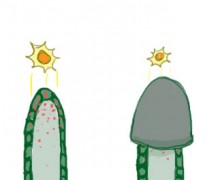
The endocannabinoid system, or ECS, runs on two main receptor types. CB1 sits mostly in the brain and central nervous system, handling memory, appetite, and pain signaling. CB2 shows up more in immune cells and tissue outside the brain, where it helps regulate inflammation.
Edibles with Delta-9 THC work by binding to that CB1 pathway — just through a slower route than smoking, since the compound has to clear digestion and the liver before it ever reaches the bloodstream.
CB1 Wasn’t Identified Until 1990
Researchers at the National Institute of Mental Health didn’t identify CB1 until 1990, working with rat brains in a lab — years after THC itself had already been isolated. The gap between finding the compound and finding what it actually binds to is bigger than most people realize.
The Body Was Already Running This System
Here’s the part that tends to surprise people: the body was already producing its own version of these compounds long before anyone encountered cannabis.
Anandamide and 2-AG are the two most studied. They bind to CB1 and CB2 to help manage stress, appetite, and sleep — the usual list of things a body regulates without being asked. THC happens to be shaped closely enough to slot into the same receptors.
Smoke, Eat, or Drink: Different Timelines
Smoking delivers THC into the blood through the lungs, so effects can show up within minutes.
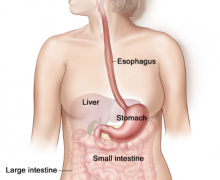
Edibles don’t work that way. The liver converts THC into a different compound — 11-hydroxy-THC — and that conversion delays onset to somewhere between 30 and 90 minutes.
THC-infused beverages land between the two, absorbing partly through the stomach and mouth lining, with effects hitting in about 15 minutes.
Where People Actually Go Wrong
That gap between eating something and feeling something is exactly where people get into trouble. Twenty minutes go by. Nothing seems to be happening. So they take another piece. Then both doses hit at once, and now they’ve had far more than planned. It’s one of the most common mistakes with edibles, and it has nothing to do with the product being weak.
Dosage adds another layer. A 10 mg gummy and a 100 mg gummy can look nearly identical, and body weight, what someone ate that day, and how quickly their liver processes things all affect how the ECS handles THC.
Start Low and Pay Attention
Nobody experiences cannabis the same way, and once you understand the ECS, that’s not surprising. CB1 and CB2 respond to compounds the body was already producing before cannabis entered the picture.
The liver treats swallowed THC differently than inhaled THC. Onset varies, and so does intensity. Start with a low dose, wait longer than feels necessary, and pay attention to what your own body is telling you — no label can do that part for you.