Decision Fatigue in Athletes: What Cognitive Science Reveals About Split-Second Choices
Athletes make hundreds of quick choices in a game. Some are instinctive, while others demand focus and control. But what happens when those calls start slipping, even when the body still feels fine?
That might just be decision fatigue. It’s a mental burnout that affects how players process information and react under pressure.
Now, that has become a growing topic in sports science because the difference between a sharp call and a wrong one can decide entire matches.
What Decision Fatigue Really Means
The idea first came from psychologist Roy Baumeister, who studied how people lose self-control when their brain runs low on mental energy. His 2011 research on “ego depletion” showed that our ability to make good decisions weakens the more we use it. In sports, it’s exactly that. It’s the brain’s version of muscle exhaustion.
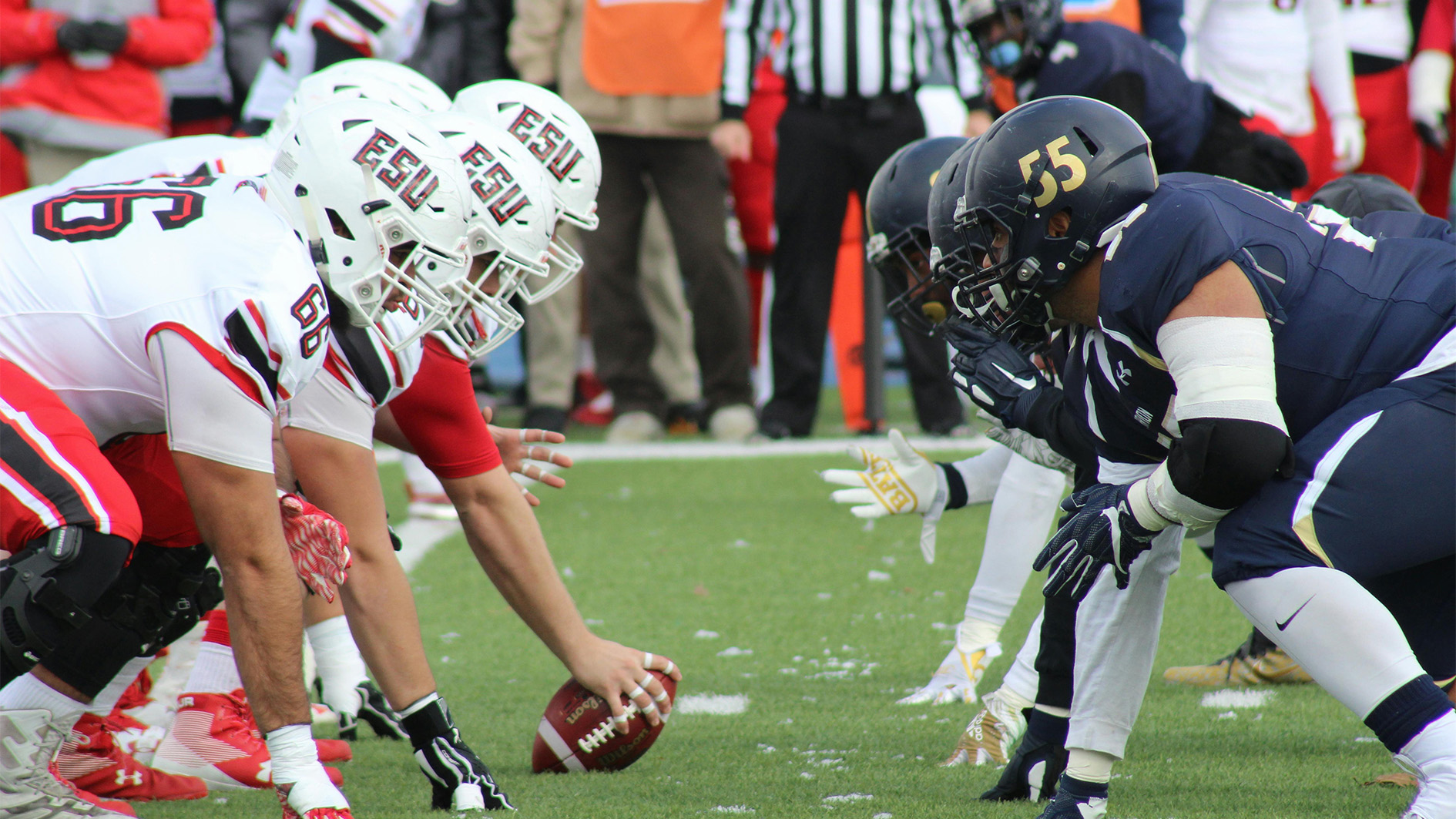
A 2019 Frontiers in Psychology study found that football players showed lower accuracy and slower decision times after repeated high-intensity games. They weren’t just tired physically. Their reaction to in-game cues, like judging pass angles or anticipating opponent movement, dropped as mental fatigue increased.
The takeaway is simple: physical training alone doesn’t keep a player sharp. The brain needs recovery, too.
How It Shows Up During Matches
You can see it in the numbers. UEFA’s 2023 technical report noted that misplaced passes and fouls spike in the final quarter of matches. Pep Guardiola put it bluntly in a BBC interview last year: “Mental tiredness shows up before physical tiredness.”
In cricket, ICC match data shows the same pattern. Across recent T20 tournaments, dismissals from risky shots rise in the final overs. Batters tend to misjudge bounce or swing even when the pitch hasn’t changed. Coaches now admit that those mistakes often come from mental lapses rather than technical flaws.
The pattern cuts across sports: decision fatigue makes good players look inconsistent.
What Science Says Happens in the Brain
The prefrontal cortex, the area that handles focus, impulse control, and strategy, burns through glucose during long periods of focusing. Once that energy dips, the brain then stops weighing options carefully and starts taking shortcuts.
A 2021 Journal of Sports Sciences paper tracked this using EEG scans. When athletes hit cognitive fatigue, their neural response times slowed down, and the brain region for decision-making dropped in activity. So, it’s basically the brain saying, “Let’s just guess our next moves instead.”
That explains why an athlete can follow the same routine but produce very different results late in the game. They’re not ignoring their instincts. Their brain just stops processing as efficiently.
How Teams Are Dealing With It
Coaches now treat mental workload like any other training metric. FC Barcelona has used NeuroTracker sessions to improve players’ visual awareness, while Indian cricket has been working with SportsMechanics to study decision-making patterns over long tournaments.
Nutrition and recovery programs also include figuring out and promoting brain health. Teams now also track sugar and hydration levels to understand how they can keep the players’ cognitive performance stable.
That’s also where predictive models come in. Data platforms like TheTopBookies sports predictions model use historical player data to map performance shifts under pressure. That can help predict match outcomes too, but it’s also for understanding how consistency changes as fatigue builds up.
What Can Be Done About It
Decision fatigue isn’t something that can be completely erased, but teams can manage it better. Mindfulness training and visualization exercises are now common in professional setups. Paddy Upton, India’s former mental conditioning coach, introduced breathing and focus routines during practice to help players reset between overs.
The Australian Institute of Sport reported in 2022 that structured “neuro recovery” sessions, basically giving the brain short rests during long training days, improved focus and reduced error rates by almost 20 percent in competitive athletes.
Teams are also rotating players more often, not just to avoid injuries but to reduce mental overload. The ones that do it well usually perform better late in tournaments.
Why It Matters Going Forward
Modern sport tracks almost everything: sprint speeds, workload, reaction time, and sleep cycles. But the real edge is moving toward mental endurance. Understanding decision fatigue helps teams prepare smarter instead of just training harder.
As AI, wearables, and sports science continue to merge, we’ll likely see more focus on how the brain behaves under constant stress. But the good thing is that what AI wearables can help with doesn’t just apply to athletes. That’s because any field that demands quick, repeated decisions, from pilots to surgeons, faces the same mental drain.
In short, players don’t just lose focus. Their brains are simply running low on fuel. And in high-pressure games, that difference between clarity and chaos can happen in seconds.