The Difference Between Iboga and Ibogaine – Lessons from a Bwiti Initiated Healer
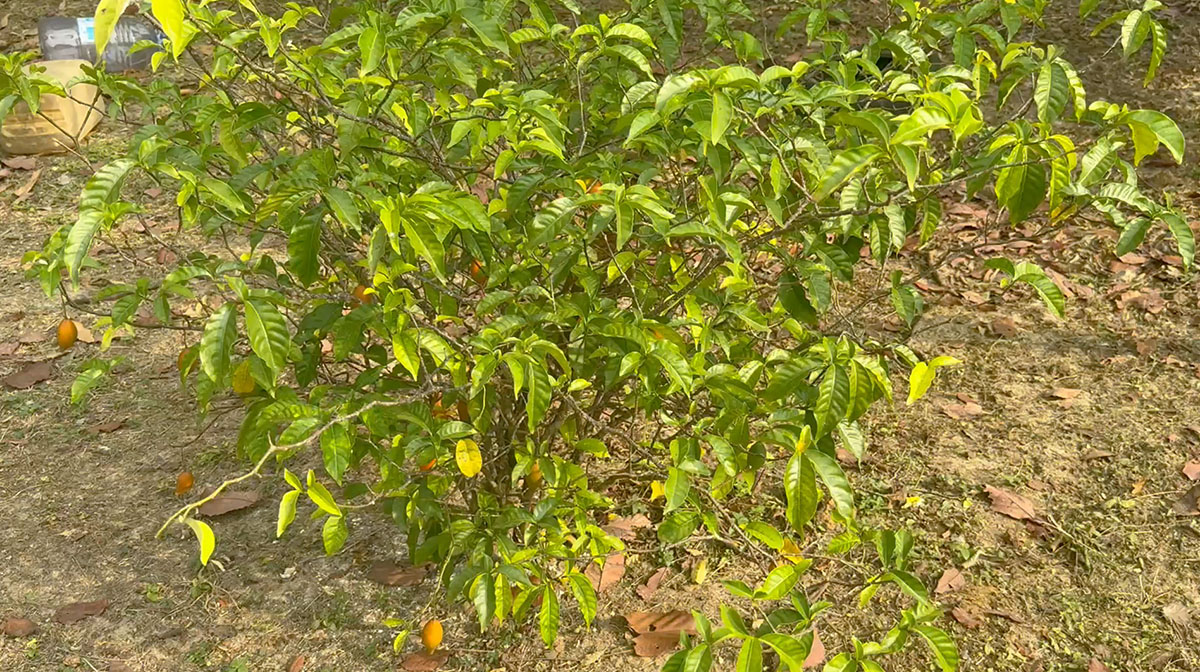
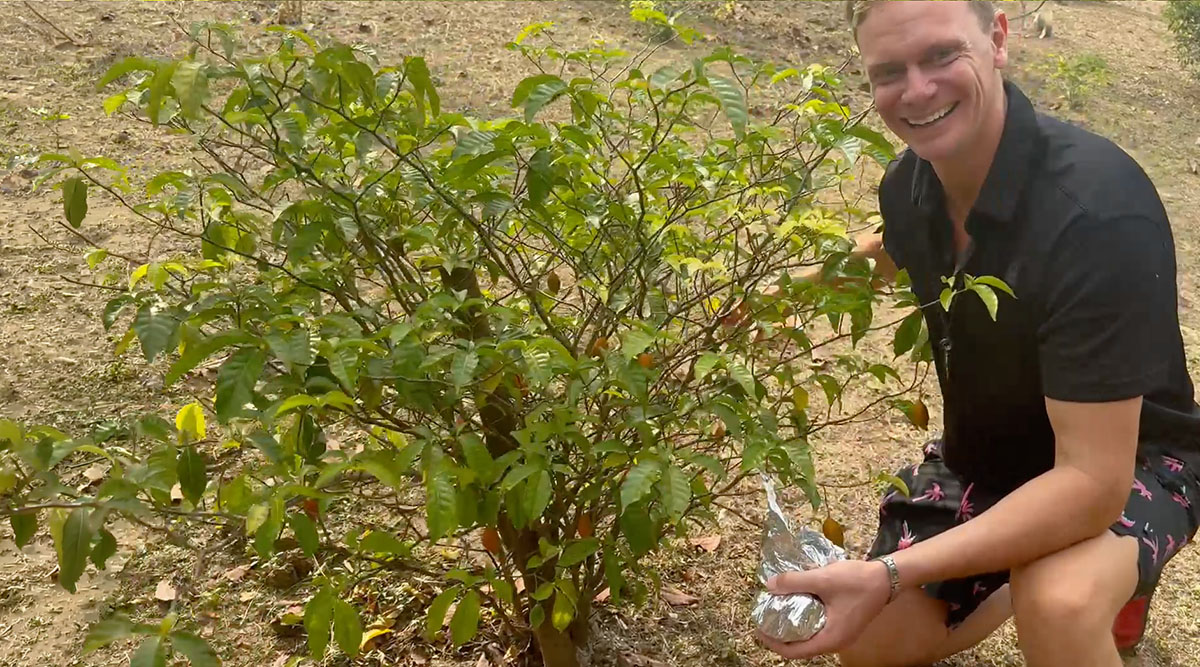
The first time I was shown an image of iboga in my ethnobotany textbook, I was underwhelmed. I had expected something imposing. What I saw was a dinky, scrappy, waist high plant with slightly wavy leaves and a few orange fruits that looked like undersized and squished oranges. I only recently took up an interest in it because I went to an ibogaine retreat in Mexico – and as you can see from the video below, it was intense.
After that experience, I have been building an education program about ibogaine, the alkaloid extracted from that root bark, for people who are seriously considering taking it. The more I learned, the more a single question kept surfacing in the forums, the emails, and the conversations I was having: what is the actual difference between iboga and ibogaine? People used the words interchangeably even though they are very different. Almost nobody explained them well.
So I went looking for someone who could speak to both sides of the divide, the plant and the molecule, the ceremony and the clinic. I found Troy Valencia and we had this amazing conversation.
This article is my attempt to write down what Troy taught me, and to put it in the context of the science I have been digging through for the course. If you only have time while driving in the car, listen to the video. If you have more time, keep reading.
A chemist who was initiated twice into the Bwiti
Troy is an unusual guide to this subject because he trained as a scientist first. Undergraduate degrees in biology and chemistry, a master’s in analytical chemistry, then years working as a chemist. If you want someone to explain what an indole alkaloid is and why an HPLC readout matters, he can do that. Later he earned a master’s in East-West Psychology from the California Institute of Integral Studies and is now finishing a doctorate in clinical psychology, with a dissertation on iboga as a psychotherapeutic tool.
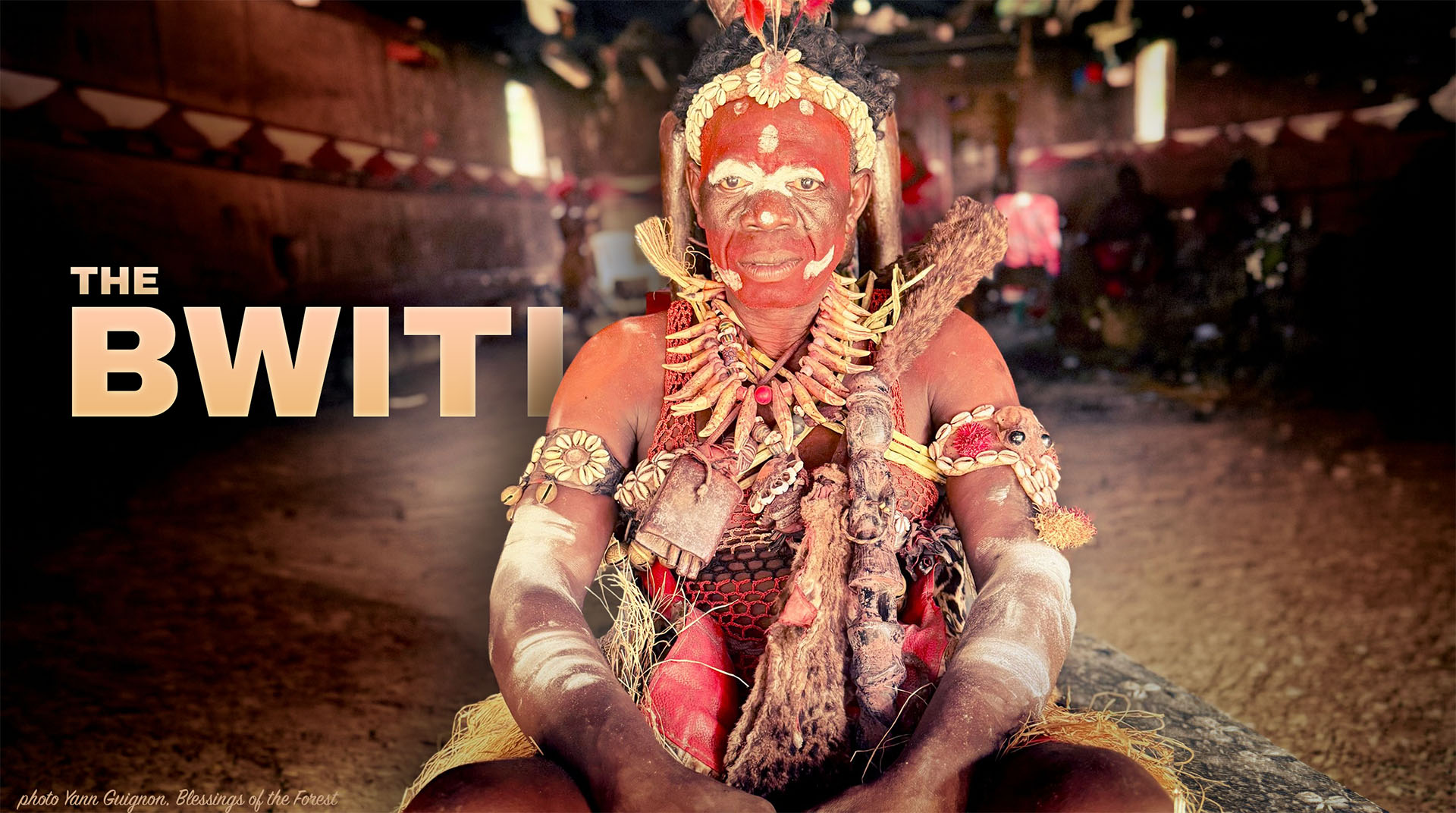
But the thread that oddly runs underneath all of that (and how he first came to this plant) is his ancestral lineage. Troy was adopted but found out from a blood test that his paternal roots trace to Gabon and Cameroon, the home range of Tabernanthe iboga and of the Bwiti tradition that has used it as a sacrament for centuries. He has been initiated into Bwiti twice, once in the Disumba (Fang) school and once in the Misoko school. That matters, because the two branches of Bwiti approach the plant differently, and Troy can speak from inside both.
Today he and his wife, Joaly Trinidad, run Root & Wisdom, an iboga retreat center in Costa Rica, and Sacred Roots Foundation, a nonprofit that channels support back to the communities in Gabon the medicine comes from. More on that work below.
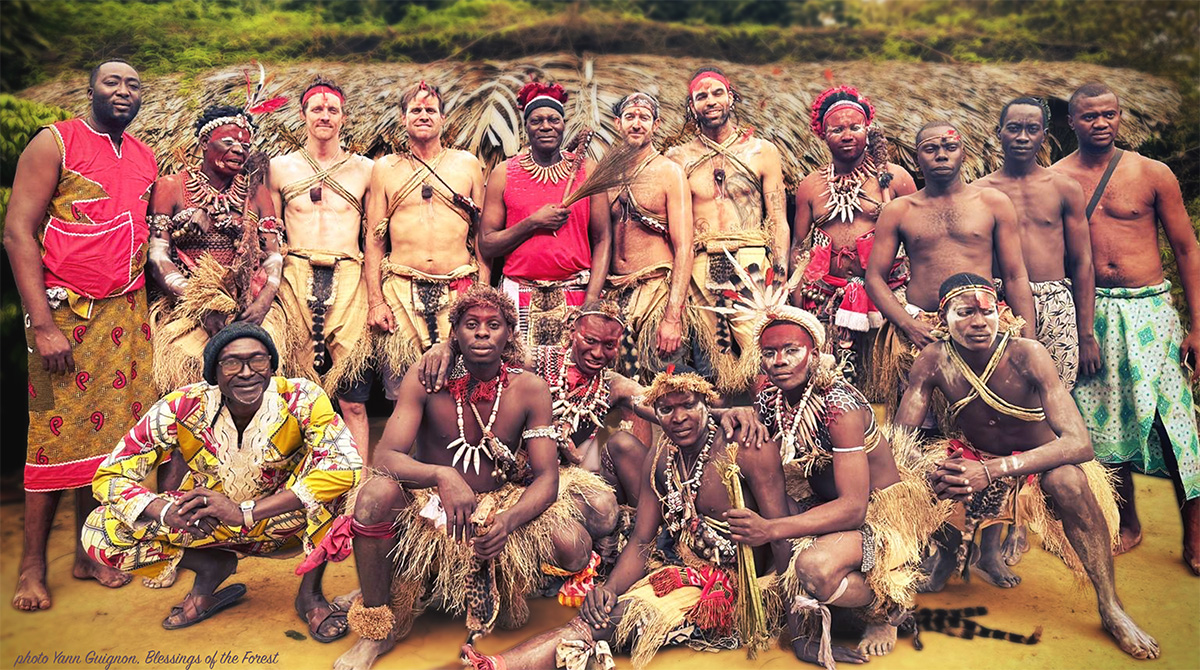
First, what is Bwiti?
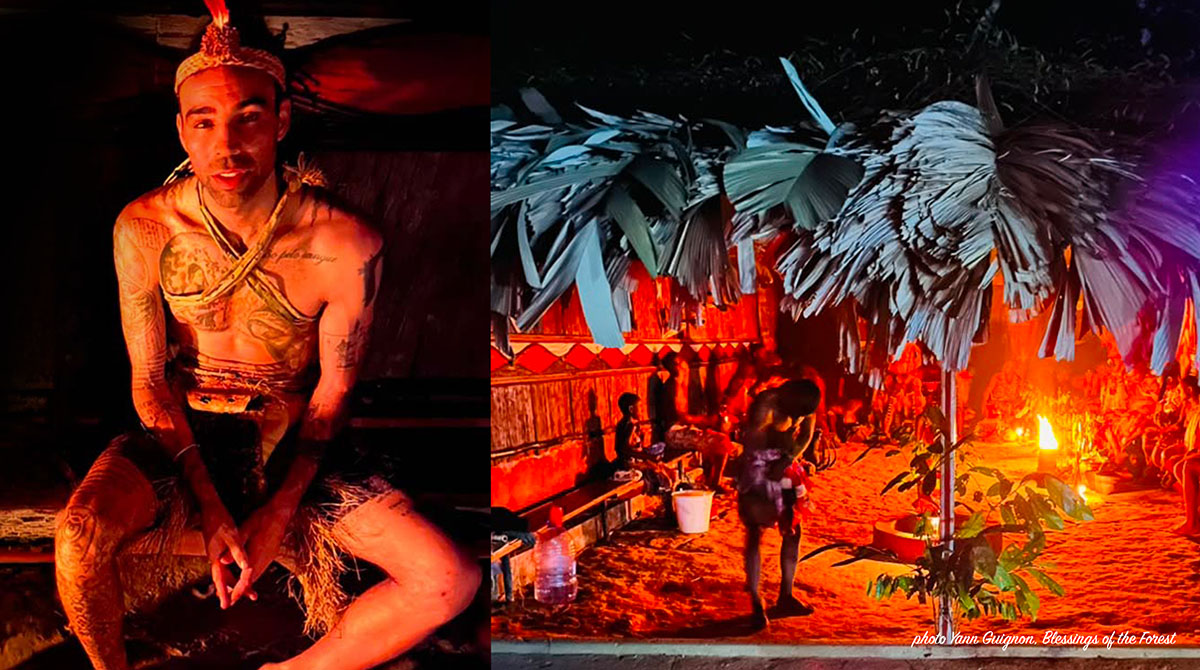
I came into this interview thinking of Bwiti as a tribe of people or “the religion that uses iboga,” the way you might describe the Native American Church as “the religion that uses peyote.” Troy explained that it’s more of an ethos.
Bwiti, as he described it, is not a tribe. It is a spiritual and social system built on the relationship between the living and the ancestors, and iboga is the tool that opens the door between them. The anthropologist James Fernandez, who spent years with the Fang in Gabon, described the purpose of eating iboga as “binding”: binding people across time to those who came before, and binding them to one another through a shared experience that words alone cannot transmit. When I read that later in Kenneth Alper’s ethnographic work, it lined up almost exactly with how Troy described his own initiation.
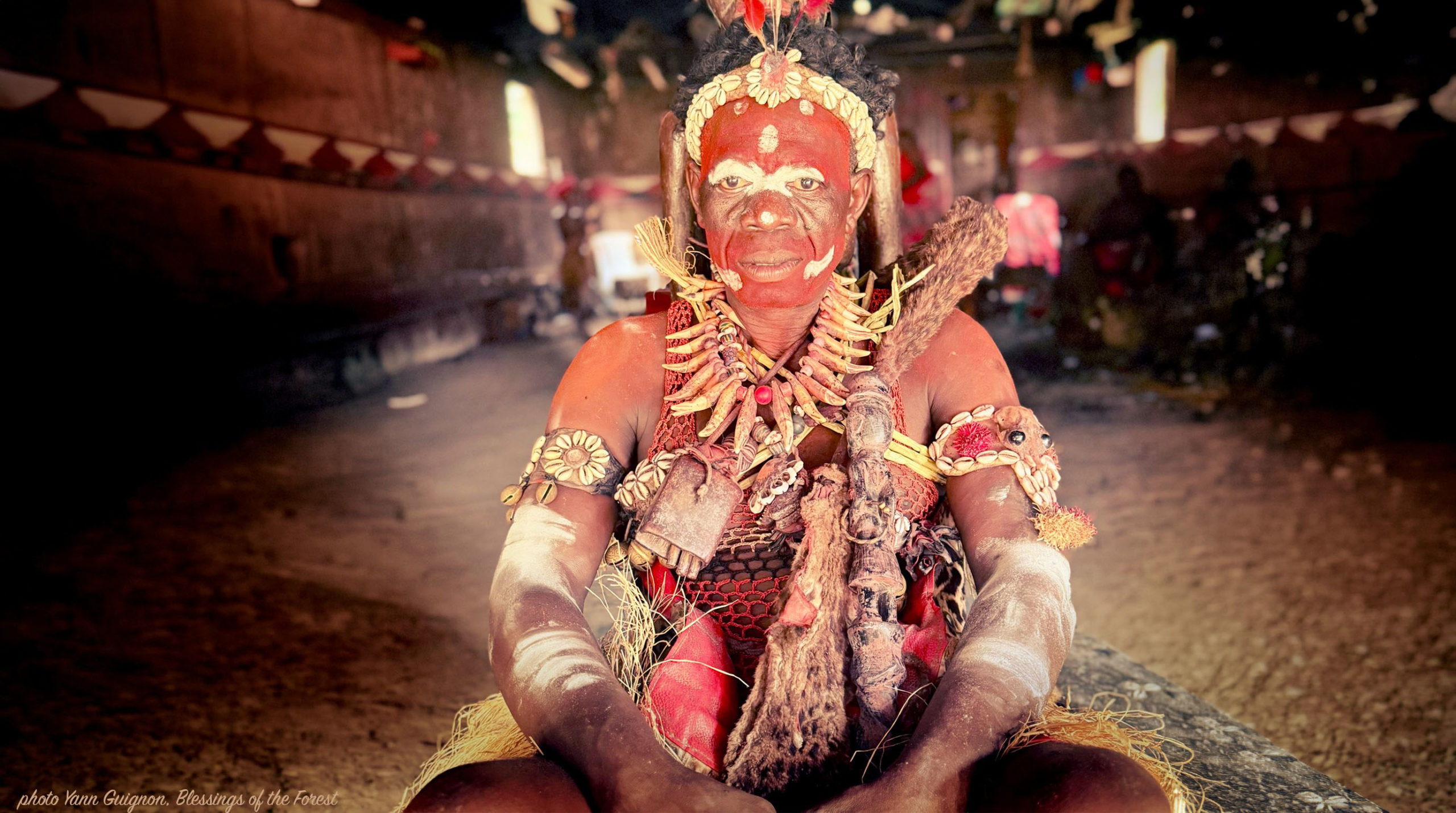
Initiation is the heart of it. A candidate does not simply take iboga; they are prepared for it, sometimes for days, by a nganga, the healer and ritual specialist who leads the ceremony. There is fire, there is music, there is a community that stays awake with you through the night. The visions are interpreted by people who have seen hundreds of them. The point, Troy emphasized, is not the trip. The point is what the community does with you afterward.
He put it more directly: the only way to really understand Bwiti is to sit in ceremony. Words do not get you there.
Then, what is iboga?
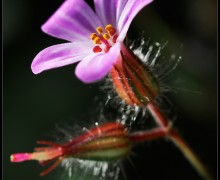
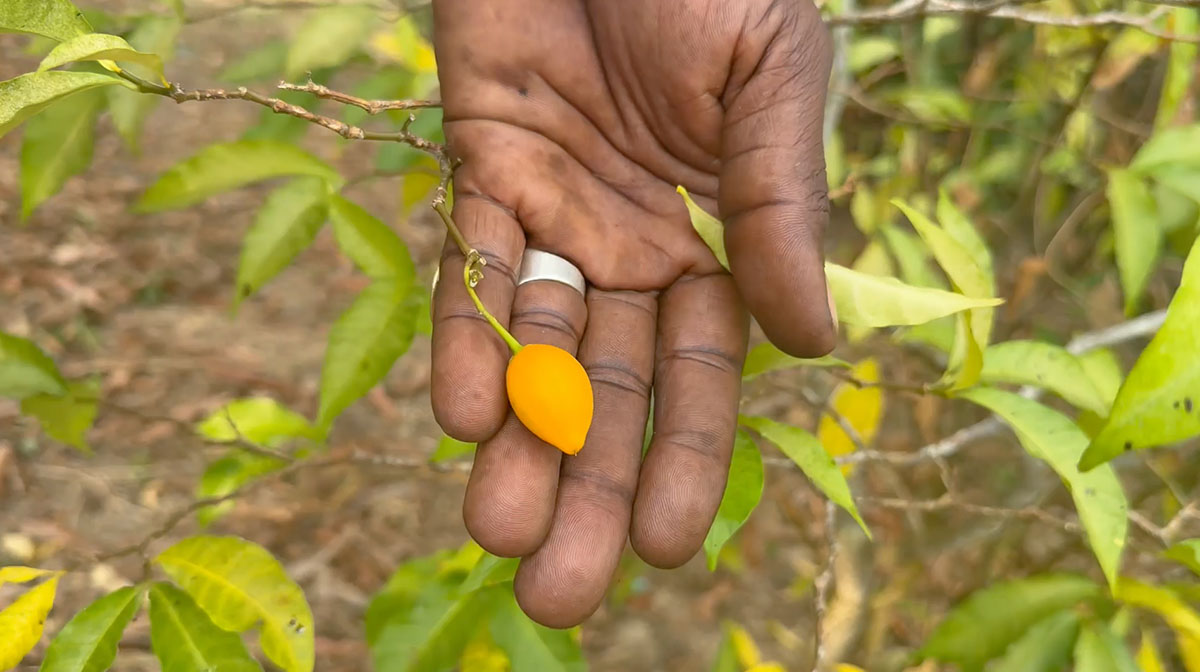
Botanically, iboga is Tabernanthe iboga, a shrub in the dogbane family (Apocynaceae), the same family that gives us oleander, periwinkle, and the source plants for several chemotherapy drugs. It grows in the understory of the rainforests of Gabon, Cameroon, and the Republic of the Congo. It is unremarkable to look at. Its fruits are edible but not psychoactive.
The active material is the bark of the root, which is scraped, dried, and either eaten as shavings or ground into a bitter powder. Chemists have identified around a dozen alkaloids in that bark. Ibogaine is the most abundant and by far the most studied, but it shares the root with ibogamine, tabernanthine, coronaridine, voacangine, and others whose pharmacology is only partly understood.
When a Bwiti initiate eats iboga, they are eating all of it. That fact is the whole crux of the difference Troy wanted me to understand.
And what is ibogaine?
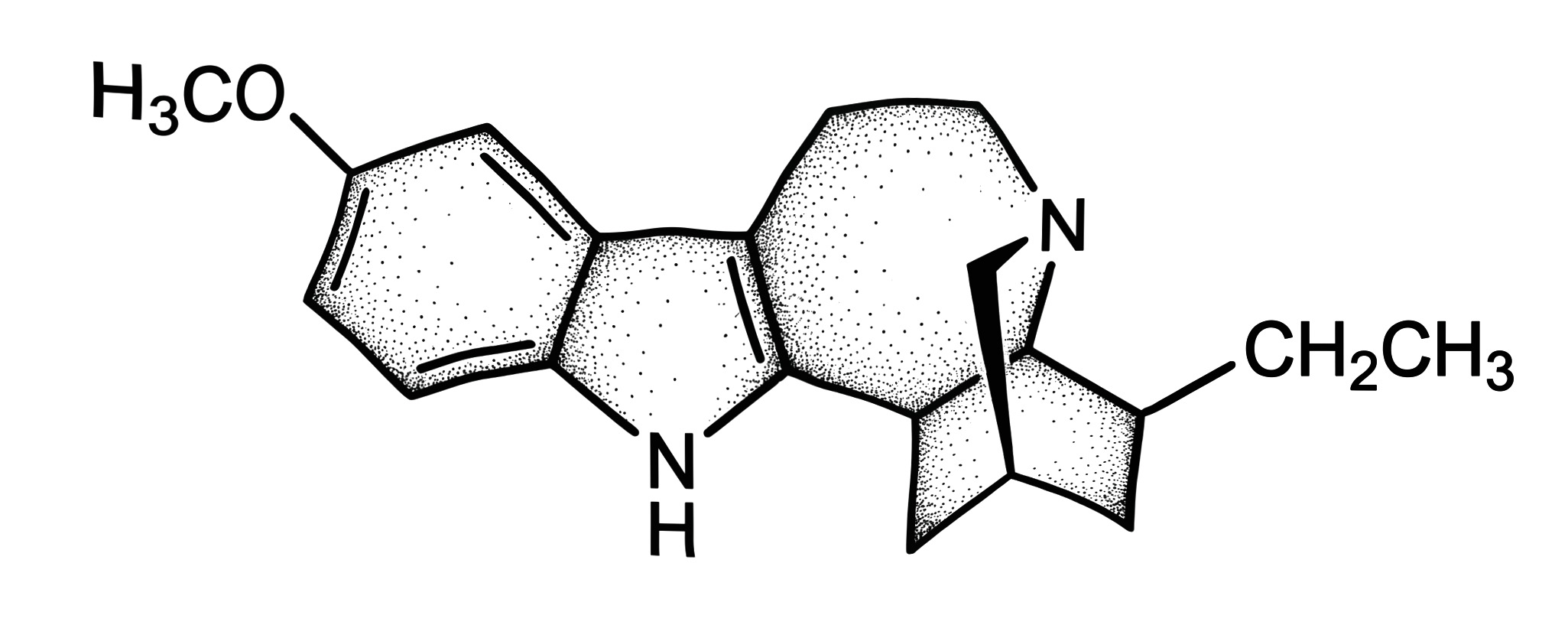
Ibogaine is a single molecule, an indole alkaloid with the formula C20H26N2O. It was first isolated from iboga root in 1901 by the French chemists Dybowski and Landrin, sold in France for a few decades in a low dose tablet called Lambarène, and then mostly forgotten by Western medicine.
Its second life began in 1962, when a nineteen year old heroin user in New York named Howard Lotsof took it as a psychedelic experiment and noticed, about a day and a half later, that he had no withdrawal symptoms and no craving. That single observation launched everything that followed: the underground treatment scene, the patents, the early clinical work, and the modern wave of interest that has now reached the pages of Nature Medicine and the halls of state legislatures.
What is striking, if you look at the history honestly, is how narrowly ibogaine was adopted in the West. An ethnographic survey led by Alper and Lotsof in 2008 estimated that of everyone who had taken ibogaine outside Africa up to that point, a little over three thousand people, 68 percent took it to treat a substance use disorder and 53 percent specifically for opioid withdrawal. The molecule left Gabon as a sacrament and arrived in the West as a detox drug.
Ibogaine hydrochloride is what most clinics use today: a white crystalline powder, typically 95 to 99 percent pure, dosed by body weight and administered under cardiac monitoring. The precision is real and it matters, because ibogaine has a genuine safety problem. It slows the heart and prolongs the QT interval, and most of the documented deaths involved either undiagnosed heart conditions or opioids still in the system. The current standard of care, refined in the 2024 Stanford study of veterans with traumatic brain injury, includes pre-screening EKGs, intravenous magnesium, and continuous monitoring. That study, incidentally, reported large reductions in PTSD, anxiety, and depression symptoms one month after a single dose. The science is finally catching up.
The rainbow and the color red
Here is where Troy gave me the frame I have been using ever since.
“Iboga is the rainbow. Ibogaine is just the color red.”
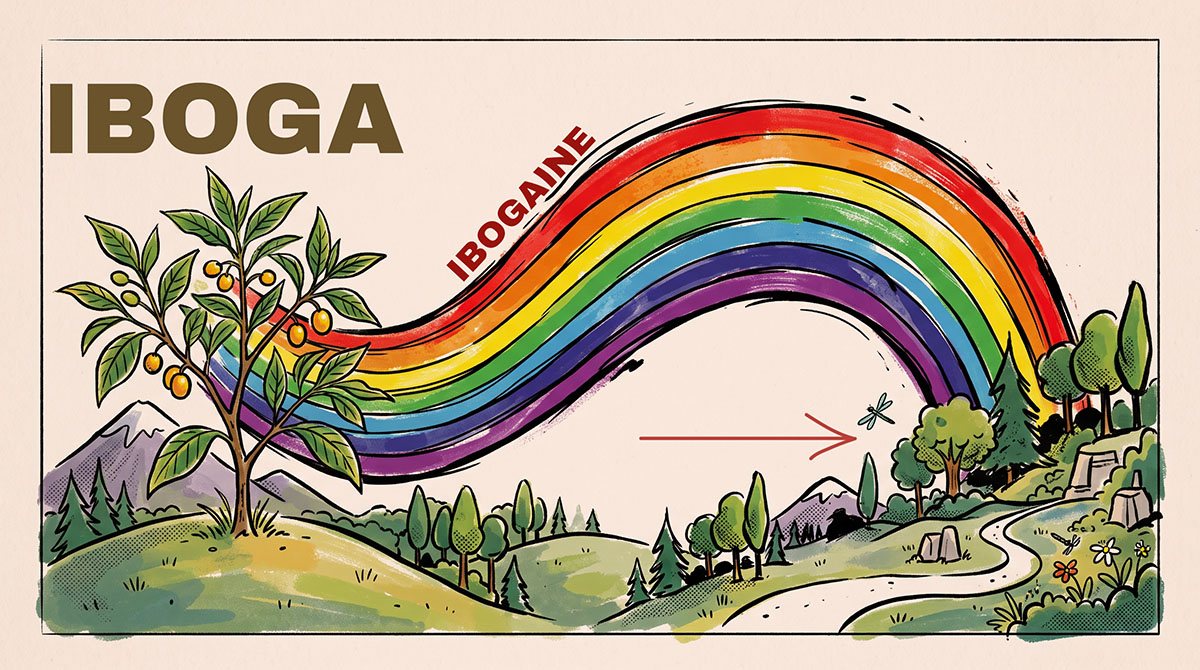
I have thought about that line a lot. It is the same story we have told with almost every powerful plant we have encountered. We found willow bark and made aspirin. We found the coca leaf and made cocaine. We found cannabis and, for a long time, talked as though THC were the whole plant. In each case the isolated molecule was more potent, more consistent, more patentable, and easier to study, and in each case something was lost that we only later learned to name. Cannabis researchers now talk about an “entourage effect.” Coca leaf chewers in the Andes have never had a cocaine problem.
Troy is only somewhat romantic about this. He is a chemist. He told me plainly that ibogaine has advantages: you know exactly what dose you are giving, you can titrate it, you can study it in a way that a pile of root bark shavings will never allow. If a hospital is ever going to administer this medicine to a veteran with a brain injury, it will be ibogaine hydrochloride in a capsule, not a spoonful of bark.
But he was equally plain that the reduction has costs, and he described three of them.
The other alkaloids. Nobody knows yet what ibogamine, tabernanthine, and coronaridine contribute in combination. There is preclinical evidence that several of them act on the same receptor systems as ibogaine, and some early work suggests they may moderate its effects.
The pharmacokinetics. Root bark is slower. The alkaloids come on gradually, over hours, and the experience unfolds across a night and often well into the next day. Many providers who have worked with both describe the root bark experience as more grounded and the HCl experience as sharper and more electric, with more of the hyperactive, sleepless “afterglow” afterward. Part of that is the liver metabolite noribogaine, which lingers for days, and part of it may be the missing alkaloids. Troy’s view is that the plant’s slower rhythm is not a bug. It is closer to the pace at which a person can actually process what they are seeing.
The container. This was the one Troys seems to care about most in all the interviews I’ve seen with him. Ibogaine in a clinic arrives stripped of the thing Bwiti considers essential: the community, the music, the nganga who can interpret what you saw, and the weeks of integration that follow. A clinic can keep your heart beating. It cannot tell you what the vision of your grandmother meant, or hold you accountable to change your life afterward. In Troy’s experience the medicine does its most durable work when the container is intact, and he sees the failure to rebuild that container as a bigger problem for Western ibogaine than any missing alkaloid.
The obvious question I had to ask – Why Ibogaine?
If the root bark is the whole rainbow, why does anyone use ibogaine at all?
Troy’s answer was more nuanced than I expected. Root bark is harder to dose. The alkaloid content varies from plant to plant and batch to batch, which is exactly why traditional Bwiti relies on experienced ngangas who know their own supply and read the initiate through the night. When Westerners have tried to shortcut that, ordering bark online and eating it alone at home, people have died. The 2008 ethnographic paper documented deaths tied to root bark and crude extracts taken outside the traditional context, sometimes at doses more than double what an initiated Bwiti healer would ever give.
So the picture is not that one form is safe and the other is dangerous. Both carry real cardiac risk. Ibogaine gives you dosing precision and a medical safety net. Iboga gives you the full plant and, if you are in the right hands, a ceremonial and community structure that Western medicine has not learned to replicate. What you should not do, Troy and I agreed, is take either one without people who know what they are doing.
Troy’s work in Costa Rica
I do not want to write about Troy as though he were only a source. The work he and his wife, Joaly do in Costa Rica is, to my eye, one of the more serious attempts anyone has made to carry the iboga to the new world, help people heal, but not take the bwiti tradition for granted..
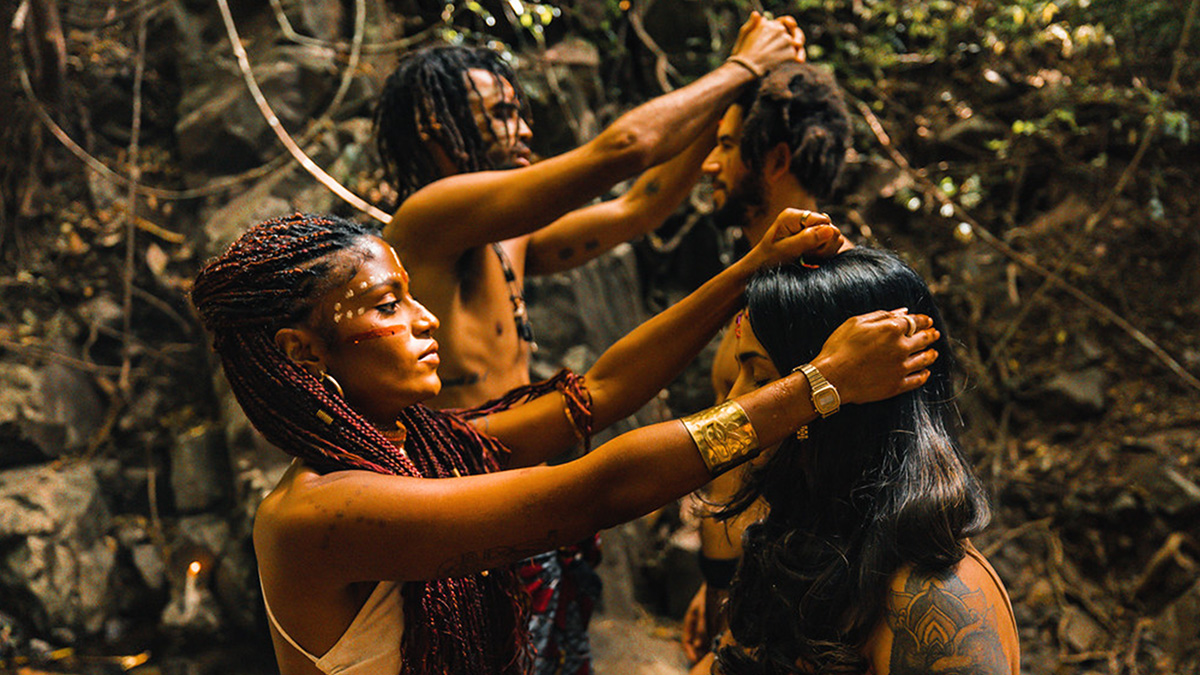
Root & Wisdom runs iboga retreats using traditional Bwiti ceremony, which Troy explains as it happens rather than presenting as theater. Guests are screened medically beforehand. Ceremonies are followed by deliberate stillness and integration work rather than a shuttle to the airport. Joaly, who comes from a line of women seers on her mother’s side and was herself initiated into the Mabanji women’s tradition of Bwiti, leads much of the ceremonial and integration work alongside Troy.
Two things about their approach stood out to me.
The first is reciprocity. Iboga is being overharvested in Gabon. Wild plants are poached for a growing export market, and the communities who have stewarded the tradition for centuries see very little of the money the medicine now generates abroad. Through Sacred Roots Foundation and in partnership with Blessings of the Forest, the Gabon based conservation group whose photographs appear in this article, Troy and Joaly direct support toward iboga cultivation, agroforestry, youth training, and the preservation of Bwiti knowledge in Gabon itself. Troy’s phrase for what he is fighting was the colonization of sacred plants, and he does not mean it as a slogan.
The second is research. Root & Wisdom works with a board of licensed medical professionals and is documenting outcomes with the goal of eventually pursuing a formal medical license to treat conditions like depression, anxiety, and traumatic brain injury. Troy is candid that this is early and that most of what they have are case observations, not controlled data. But he is one of the few people I have met who is trying to hold the sacrament and the science in the same hand. It’s rare and I respect it.
What this means if you are considering ibogaine
I want to be careful here, because I am a biologist and a science communicator, not a clinician and not an initiate into the bwiti. My job in the ibogaine course is to make the landscape legible so you can ask better questions of the people who are.
What I took from Troy is this. The question “iboga or ibogaine?” is really three questions folded together. What chemistry are you taking, one molecule or a dozen? What pace are you signing up for, a sharp night or a slow one? And what container are you walking into, a clinic with an EKG or a ceremony with a nganga, or, in the best cases, some thoughtful combination of both? Each of those has tradeoffs, and none of them is a decision to make from a forum post.
We go much deeper into this comparison, with a side by side breakdown of forms, dosing, duration, safety, and setting, on the Understanding Ibogaine course site:
Iboga vs. Ibogaine: What’s the Difference?
LEARN IBOGAINE
The full program, built for people who are personally considering an ibogaine or iboga experience and want everything in one honest, organized place, lives at:

It covers candidacy and screening, the cardiac safety questions in detail, how to evaluate a provider, what the experience actually feels like phase by phase, and what integration looks like afterward. Troy’s interview is one of several with people who work with this medicine from very different angles and who serves as a contributor to the course.
I went into this interview wanting a clean answer to a definitional question. I came out with something better: an understanding of the traditions of the Bwiti and their relationship to the plant, the molecule and the greater world. I also came out of it with a connection to someone in spirit, even though we have not yet met in person. My hope is that we will meet in person soon.
The shrub, meanwhile, is now sitting on this webpage, just as it sat as a photo in that old science textbook for me, looking like nothing at all.