What You Need to Know About South Florida’s Iguanas

Green iguanas are large, arboreal lizards native to Central and South America, known for their striking appearance and impressive size. These reptiles are among the largest species of lizards commonly kept as pets, and they can grow to remarkable lengths, often reaching between 4 to 6 feet from head to tail. In some cases, especially in the wild where they have ample space and food, green iguanas can grow even larger, with some individuals exceeding 6 feet. A significant portion of their length is due to their long, powerful tails, which they use for balance and defense.

Adult green iguanas typically weigh between 8 to 17 pounds, though some can grow heavier depending on their diet and environment. Males tend to be larger and more robust than females and often develop pronounced physical features such as larger jowls and a prominent dewlap (a flap of skin under the chin used for communication and thermoregulation).

Photo by Egor Kamelev

Green iguanas are primarily herbivores, meaning their diet consists mostly of plant material. In the wild, they feed on a variety of leaves, flowers, fruits, and shoots. Their diet is rich in fiber and low in protein, which is essential for their digestive health. They have specialized teeth and jaws adapted to tearing and chewing tough vegetation. Common foods include leaves from plants like hibiscus, dandelion greens, collard greens, and other leafy greens, as well as fruits such as mangoes, papayas, and berries. Occasionally, they may consume insects or small animals, but this is rare and not a significant part of their diet.

Green iguanas are diurnal, meaning they are active during the day. They are excellent climbers and spend much of their time in trees, where they bask in sunlight to regulate their body temperature. Their skin color (typically bright green) helps them blend into the leafy canopy, providing camouflage from predators. However, their coloration can vary, sometimes showing hints of blue, orange, or brown depending on their mood, health, or environmental conditions.

Why They Are Such a Problem in South Florida

Green iguanas have become a significant ecological and infrastructural problem in South Florida over the past few decades. These large lizards were introduced to Florida primarily through the pet trade. As pet owners released unwanted iguanas into the wild or as some escaped captivity, the species found the subtropical climate of South Florida ideal for survival and reproduction. Over time, their populations have exploded, leading to widespread concerns among residents, environmentalists, and local authorities.

One of the main reasons green iguanas have become so numerous in South Florida is the region’s warm, humid climate, which closely resembles their native habitat. The mild winters and abundant vegetation provide an ideal environment for iguanas to thrive year-round. Unlike in their native range, where predators and environmental factors help keep populations in check, Florida lacks many natural predators that would normally control green iguana numbers. This absence of significant predation allows iguanas to reproduce prolifically. Female green iguanas can lay large clutches of eggs — sometimes up to 70 eggs per season — and with favorable conditions, multiple clutches can be laid in a single year.

The rapid reproductive rate combined with few natural threats has resulted in a population boom. Iguanas have adapted well to urban and suburban environments, where they find plenty of food in ornamental plants, gardens, and fruit trees. Their herbivorous diet means they often feed on landscaping vegetation, causing damage to residential yards, parks, golf courses, and public green spaces. This feeding behavior has made them a nuisance for homeowners, as they can decimate plants, flowers, and young trees. Additionally, green iguanas are known to dig burrows for nesting, which can undermine sidewalks, seawalls, and other infrastructure, leading to costly repairs.

Controlling the green iguana population in South Florida has proven to be a difficult challenge for several reasons. First, their elusive and arboreal nature means they can easily escape human attempts to capture or remove them. They are fast climbers and swimmers, able to flee quickly when threatened. Second, their burrowing behavior complicates control efforts because destroying nests or burrows requires significant labor and care to avoid damaging the environment. Third, public attitudes toward iguanas are mixed; while some see them as pests, others view them as exotic wildlife and oppose lethal control methods. This can lead to restrictions on removal efforts and complicate coordinated population management.

It’s also worth noting that green iguanas have legal protections in some areas, and regulations around their capture and euthanasia vary, limiting the tools available to wildlife managers. Non-lethal control methods, such as habitat modification or exclusion techniques, are often labor-intensive and only partially effective. In some cases, hunting or trapping programs have been implemented, but these efforts require ongoing commitment and resources to have a meaningful impact.

Legal Methods to Control the Population in South Florida

Green iguanas are classified as a non-native invasive species in Florida, and the Florida Fish and Wildlife Conservation Commission (FWC) regulates their control. Unlike some protected native wildlife, green iguanas do not have special protections, which means they can be legally removed or euthanized under certain conditions. However, it is important for individuals and pest control professionals to follow established laws to ensure humane treatment and avoid penalties.

Permitted Control Methods

Lethal Control (Hunting and Euthanasia): The FWC allows private citizens and licensed professionals to lethally remove green iguanas from private property without a permit, as long as the animals are not relocated elsewhere. Euthanasia must be performed humanely, following guidelines set by the American Veterinary Medical Association (AVMA) or similar standards. Shooting green iguanas is permitted on private property, but discharging firearms must comply with local laws and ordinances. It is important to check with local municipalities because some areas have restrictions on firearm use or other lethal methods.

Trapping: Live trapping is another legal method to capture green iguanas. However, relocation of live iguanas is prohibited. Captured iguanas must be humanely euthanized or otherwise disposed of in accordance with state regulations. Trapping can be effective in localized areas but requires regular monitoring to prevent animal suffering.

Egg and Nest Management: Because green iguanas lay large clutches of eggs in burrows, destroying or removing nests is a legal and effective way to reduce future populations. Property owners can dig up nests and destroy eggs to prevent hatching. This method is non-lethal to adult iguanas and helps control population growth.

Habitat Modification and Exclusion: While not a direct removal method, modifying the environment to make it less attractive to iguanas is a legal and recommended approach. This includes removing preferred food sources, such as certain ornamental plants, and installing barriers or fencing to exclude iguanas from yards and gardens. These methods are non-lethal and can reduce damage over time.

Restrictions and Considerations

Relocation Prohibited: It is illegal to capture and relocate green iguanas to new areas. Relocation can spread the invasive population and cause further ecological harm.

Use of Pesticides or Poisons: The use of chemical poisons or pesticides to control green iguanas is not legal or recommended due to potential risks to other wildlife, pets, and humans.

Why Homeowners Should Turn to Professionals for Iguana Control

Dealing with invasive iguanas across South Florida has become an increasingly common challenge for homeowners. While it may be tempting to handle the problem independently, there are several important reasons why homeowners should turn to professionals for iguana control.

First and foremost, green iguanas can be surprisingly difficult to manage due to their size, speed, and climbing abilities. These are far from just little lizards! Not only are they often quite large, these reptiles are agile and can quickly escape when approached. This makes capture challenging for those without experience and skills. Professionals have specialized training and equipment designed specifically for safely and effectively capturing or removing iguanas. This expertise minimizes the risk of injury to both the homeowner and the animal, ensuring humane treatment in accordance with legal standards.

Another critical factor is the legal complexity surrounding iguana control in South Florida. Regulations prohibit relocating iguanas to new areas, and the use of certain removal methods is restricted. The last thing you want is to get in trouble with the government for trying to keep your yard and homestead free of invasive reptiles. Professionals are well-versed in current laws and guidelines, helping homeowners avoid potential fines or legal issues. They also understand the proper protocols for humane euthanasia when necessary, following state and federal regulations.

Additionally, green iguanas often cause damage that goes beyond what is immediately visible. They dig burrows that can undermine foundations, seawalls, and sidewalks, leading to costly structural problems. Professionals can assess the extent of damage and recommend comprehensive solutions, including habitat modification and exclusion techniques, to prevent future infestations.

Finally, dealing with invasive iguanas across South Florida requires ongoing management rather than a one-time effort. Professionals offer continued monitoring and maintenance plans to keep iguana populations under control, which is difficult for most homeowners to manage alone.

What Should You Know About Skydiving Insurance?

Filming while skydiving is on many a filmmakers bucket list, but it doesn’t come without it’s risks. Skydiving is a high-risk sport where a person can cause harm not only to themselves but also to others. 

That is why skydiving travel insurance differs from other types of insurance in its coverage and requires special attention and consideration.

In this article, we shall speak about how to select skydiving travel insurance and what important coverage points you cannot miss in any case. 

Let’s get started! 

Photo by Balakrishnan Raman

Why Is Skydiving Travel Insurance Different? 

There is a common misconception that skydiving insurance is not much different from typical travel insurance. Yet, it is not always so. Most insurance companies exclude high-risk activities, such as skydiving, scuba diving, or bungee jumping, from their standard travel insurance plans. 

This is because these activities involve high risks, and the equipment that may be damaged during such activities is costly to fix or replace. 

Moreover, in skydiving, landing is not always predictable, and the health and properties of others may be damaged during such activities. 

What Does Skydiving Insurance Cover? 

Skydiving insurance covers medical costs, equipment damage, and costs associated with liability claims resulting from damage to the health or property of others. The factors that influence its cost include the jumper’s experience level, the number of jumps, and the location. 

Usually, the skydiving travel insurance has several types of coverage: 

  • Liability claims: If a person causes damage to others during jumping or landing, the insurance company covers allegations and other related expenses. 
  • Medical expenses: Since skydiving can lead to various injuries, the respective medical insurance should cover hospital bills, surgery costs, rehabilitation costs, and the fees associated with transporting family members in the event of an emergency. It should also cover the costs of ambulance transportation, whether between hospitals or as a part of a rescue mission. Typically, such insurance should include dental care for dental work needed due to jumps. 
  • Property damage: Skydiving travel insurance typically covers the venues, equipment, or facilities used during skydiving experiences. Usually, this is the property of companies that provide skydiving services. Such insurance should also cover damage to the aircraft used for skydiving, both while on the ground and during the jump. The instances covered may be as severe as the damage due to the fire. 

Additionally, life insurance is a necessary consideration when going skydiving, and it is a crucial element of any skydiving insurance policy. 

Why Do You Need A Skydiving Insurance? 

The first reason a person needs skydiving insurance is mentioned above, and it is the fact that ordinary travel insurance usually excludes risky activities. 

The second reason is the high cost of equipment and utilities associated with skydiving, which may cost tens of thousands of dollars. For example, a jumper may damage a parachute or its essential parts, which is quite an expensive equipment in any country. Comprehensive insurance covers such things.

It is also important to mention that rescue operations can be costly and may cost a person anywhere from $3,000 to USD 300,000. 

If you go skydiving in foreign countries, the costs of medical assistance, such as emergency dental care, are not free for foreigners and may be highly costly.

Therefore, having well-planned skydiving insurance with comprehensive coverage is a benefit for adventurous travel. 

Things Excluded from Skydiving Insurance

With all of that, skydiving travel insurance is not only about sunshine and rainbows. There are things travel insurance providers exclude from coverage. Most often, they include: 

  • Pre-existing health conditions: the medical issues that existed before the travel may not be covered by the insurer. So, it is essential to consider that. 
  • Negligence: When travelers disregard safety guidelines, the injuries incurred in such cases may not be covered by insurance with some providers unless the insurance is comprehensive and high-cost. 
  • Illegal jumps: Unauthorized, non-licensed jumps or jumps in forbidden locales get excluded from insurance coverage in case of an incident. 
  • Weather conditions: Some insurance companies do not cover accidents resulting from poor weather, so it is essential to check with your provider whether this point is included in your insurance agreement. 

Exclusions like these may catch travelers off guard and cause considerable uncertainty during the trip. Therefore, it is advisable to be aware of all the rules in the fine print to ensure you do not violate any of the conditions during your activities. 

Final Words

When engaging in high-risk activities in a foreign country, proper education about insurance policies and coverage is necessary, as it is a sign of a mature traveler who knows how to prepare for unexpected situations in their life and minimize the impact of them with less friction and unnecessary effort. 

Three qualities it takes to be wildlife photographer

For wildlife photographers, there is something incredible about the feeling you get when you realize that you have got the perfect shot. You slowly lower the camera from your eye, click the “view” button, look at the small screen, and let out a sharp breath. “Wow! It’s perfect!” you think to yourself. That’s a rush that no one can beat!

Photography is a special kind of art, one where you get to take real life situations and beings, and find the angles and light that bring out their beauty. Wildlife photography in particular is its own kind of special. For starters, wildlife aren’t exactly cooperative models much of the time. You will also often find your subjects in remote and hard to reach places. And they might not even ever show up! With all that being said, this specific kind of photography is not for everyone. However, for those who enjoy it, there’s nothing better than capturing a beautiful image of an animal in nature. Once you have those photos you can use them for yourself, print and sell them, or turn them into stock photos for a site such as  Depositphotos! So, what does it take to be a wildlife photographer? 

Now, many blogs about “how to be wildlife photographer” will talk a lot about the gear you need to get started and the techniques you should learn, but it is so much more than that. It is true of course that you need a decent camera set up, a large lens to make sure you are a safe and respectful distance from wildlife, and can benefit from using a tripod, but if you ask me, there are a few things that are much more important than that. Here are three key qualities you need to be a successful wildlife photographer! 

Patience 

If patience is not one of your virtues, then put simply, wildlife photography is not for you. Wild animals are exactly that, wild. This means that they can be unpredictable, hard to find, may take a while to appear, and might not even show up at all. The incredible wildlife photos you have seen may have been taken after sitting and waiting for hours, and maybe even days! 

However, since many of us who love taking photos of animals, also just love hanging out in nature, sometimes it doesn’t always feel like “waiting.” It is all about your mindset really. Regardless, you are going to need some patience in order to get those once-in-a-lifetime pics. 

Resilience/A sense of humor 

Sometimes after waiting for hours, days, or even longer, your animal will show up. In that moment, your shutter will go off like crazy as you get as many pictures as you can. Sometimes, once the moment has passed, you will find that not a single photo turned out. Unfortunately, this is probably going to happen to you more than once, so you will need to be good at shrugging it off, maybe even laughing about it, and trying again next time! 

Besides this, the most incredible wildlife shots will often require going to remote and less-than-comfortable places. Walking through/waiting in terrible weather. So you must have a bit of an adventurer’s spirit to succeed here. 

The ability to let it go 

If your photo doesn’t turn out how you hoped, you may not be able to “try and try again” when it comes to wild animals. Therefore, you will have to let it go. Maybe your trip is over, the season is changing, or you have learned the animal you were looking for is no longer in the area. Whatever the reason, sometimes it just doesn’t work out. 

If you can’t learn to move on, you will not enjoy wildlife photography, because more often than not, things do not go as planned. Being distraught over not getting the shot you wanted will only ruin your experience. Sure, you can be disappointed for a moment, but learning to let things go will help you have more fun along the way. 

This is also important when we talk about ethics of wildlife photography. No good shot is worth disturbing or stressing out an animal. So, if there is no way for you to get the shot you wanted without doing so, you will have to settle for something else. 

In Conclusion 

Becoming a wildlife photographer is about a lot more than the gear you have, it is also about your patience, resilience, and ability to accept that things won’t always go as planned. Wildlife is unpredictable, conditions may not work out right, and many other things could go wrong while you are trying to get that perfect shot of a certain animal, so it is important to have some of these qualities in order to enjoy the process. Last, most wildlife photographers know that It also isn’t just about getting the perfect image, but the experiences you have while out in nature, sharing beautiful spaces with wildlife. 

How Technology Reshapes the Human Sense of Time

For centuries, time was local and slow. People rose with the sun, worked by the bell, and slept when darkness fell. Mechanical clocks tightened schedules, but the real shift arrived with digital devices. Every smartphone now shows not just the hour but news, messages, and deadlines, compressing an entire day into a palm-sized screen.

Photo by Samer Daboul


Streams That Never Pause

Endless information loops keep attention on high alert. Newsfeeds refresh by the second; friends reply in minutes; even quick rounds of Toniebet Ontario fill micro-breaks once spent staring out a window. The result is a sensation that hours blur into one another while obligations multiply.

Faster Stimuli, Shorter Moments

Notifications fire dopamine bursts. Each buzz promises novelty, teaching the brain to crave immediate input. Neuroscientists note that these rapid cues shorten subjective minutes. Waiting five real minutes for a ride-share can feel longer than a half hour spent scrolling, because constant micro-events crowd perception.

Signs Time Feels Distorted

  • “Just one more video” stretches past midnight.

  • Meetings on video-call feel longer than in-person talks.

  • A week of remote work blurs into a single memory block.

  • Long walks without headphones seem oddly extended.

  • Unplugged vacations appear to last more days than they do.

These anecdotes hint at a brain recalibrating its inner clock around digital pace.

Multitasking and Temporal Compression

Switching tabs every few seconds makes the mind stitch fragments together, leaving fewer anchor points in memory. Without clear landmarks, retrospection collapses. That is why a busy workday can feel short in hindsight yet mentally exhausting: the brain stored motion, not moments.

Technologies That Stretch Time

  1. Mindfulness apps – guided breathing slows perception.

  2. Turn-based games – no ticking clock reduces pressure.

  3. E-ink readers – minimal glow encourages deeper focus.

  4. Long-form podcasts – sustained narratives anchor attention.

  5. Nature-tracking wearables – sunrise alerts pull users outdoors.

Design choices here restore slower cadence rather than accelerate tasks.

Social Media’s Stopwatch

Platforms reward speed: respond quickly, post often, stay current. This cultural timer pushes users to refresh even when nothing has changed. The habit teaches impatience with slower media — a printed novel feels “long,” a two-hour movie risks seeming “too slow,” even though story length never changed.

Remote Work and Elastic Hours

Digital offices erase commute boundaries. Many employees start earlier and finish later, yet still feel days vanish. Without physical transitions — walking to a meeting room, chatting at a desk — cognitive markers disappear. Studies show that workers who schedule tech-free breaks report clearer recall of the day and a stronger sense of completion.

Strategies to Reclaim Temporal Balance

  • Chunk tasks — set defined start and end points.

  • Silence non-critical alerts — reduce micro-interruptions.

  • Use single-purpose devices — read on e-ink, write on distraction-free apps.

  • Plan analog moments — cooking, sketching, or gardening re-anchor senses.

  • Reflect nightly — jotting events restores timeline memory.

These steps add deliberate pauses, helping the internal clock resettle.

Closing Perspective

Technology will keep accelerating external schedules, but perception need not follow at the same speed. By selecting tools consciously and carving digital silence into each day, individuals can stretch minutes back to their proper length. In doing so, they trade frantic motion for measured experience — and remember more of what actually happened within their allotted twenty-four hours.

New Jersey Launches NJ HAX Plasma Forge: A Major Leap in Plasma Innovation

It was recently announced that the NJ HAX Plasma Forge will soon be coming to the Princeton area of New Jersey, thanks to a partnership between the New Jersey Economic Development Authority, Princeton Plasma Physics Laboratory, and venture capital firm SOSV.

The $49 million investment comprises of a 10,000 square foot lab and co-working space and is set to become a hub for start ups and research focused on plasma technology. This is just the latest important innovation to emerge from New Jersey, a state that’s making a name for itself as one of the most forward-thinking places in the world for science and technological progression.

Why This Matters for Science and Industry

There are various reasons why the new plasma research facility in NJ is a great move forward for science and industry. The most notable advantage is that it commercializes plasma research, which is hugely important for things such as semiconductor fabrication, fusion supply chain innovation, and next-gen AI chips. According to a recent report, the Forge is hoping to bridge the gap between public research and market-ready applications.

The Forge will also act as a start up accelerator, with SOSV’s HAX model granting early-stage start ups access to seed funding. This also comes with mentorship, lab infrastructure, and global network connections. New Jersey governor Phil Murphy has hailed the project as a catalyst for supporting start up creation and generating high paying jobs. He also noted that it will strengthen the state’s long-term economic competitiveness.

NJ Is Establishing Itself as a Hub for Innovation

This project is just the latest major leap forward for New Jersey, a state that has already established itself as a hub for innovation. The Garden State is already home to leading plasma research institutions, but it doesn’t stop there. It’s also a powerhouse in other fast-moving sectors that massively boost the economy in the region too.

For instance, New Jersey has famously been a national leader in the iGaming industry in the USA, passing legislation for online casinos long before any other states got on board. In doing so, the state is raking in upwards of $240 million per month from the industry, with figures rising by huge percentages each year. The state has its own New Jersey Division of Gaming Enforcement, which licenses the leading NJ casino online sites. Players can find the best games and offers as well, such as whopping deposit match bonuses and free spins when they join.

What This Means Going Forward

There are various ways that the Forge could have a positive impact in the years ahead. Plasma research has various benefits, and could lead to breakthroughs in clean fusion, semiconductor manufacturing, propulsion, and AI hardware.

The site will almost certainly lead to economic growth in NJ as well, as the various start ups it hopes to foster will boost job creation and attract skilled talent to New Jersey.

The NJ HAX Plasma Forge is set to be a major leap forward for science and entrepreneurship, as it will combine fundamental research with commercial innovation. It will doubtlessly boost New Jersey’s economy, and may inspire other states to set up similar ventures.

5 Free Apps That Turn Your Phone Into a Science Lab

Smartphones carry more computing muscle than the machines that once guided rockets to the moon. Tucked beneath every touch screen lives a bundle of sensors that can measure light, sound, motion, magnetism, and more. The right apps unlock those hidden abilities, letting you collect real-world data without buying a single lab gadget. Below you will find five free titles that transform a pocket device into a playful yet serious research station.

Phyphox: Measure the World Around You

Physical Phone Experiments (Phyphox) taps directly into the accelerometer, gyroscope, microphone, and barometer. 

One tap records how fast an elevator moves or how much a guitar string vibrates. The interface plots data as crisp graphs in real time and even exports results as CSV files for deeper study.

Beyond the usual classroom demos, users create and share custom experiments inside the app. A growing library shows you how to test Doppler effects with a spinning fan or chart air pressure during a mountain hike. 

Science Journal by Arduino: Curiosity in Your Pocket

Start the app, tap the bright red circle, and pick a sensor that grabs your attention. In seconds, colorful numbers ripple across the screen while you wander the kitchen, clap a rhythm, or sweep a torch over the wall. 

A quick photo here, a voice note there, and the readings knit themselves into a pocket diary you can reopen on the bus ride home.

While Science Journal captures experiments for free, your phone can multitask far beyond the lab. Many users, for instance, handle entertainment spending with smooth mobile options such as Payforit Canada, which moves funds in seconds across well-known gaming sites and shows how one tap can spark either discovery or play.

Keep exploring, and you will notice how Science Journal encourages creative mashups. Clip your phone to a skateboard to graph vibration patterns on rough pavement, or tape it to a plant stake to log light levels across an afternoon.

Later, export every data series as a clean spreadsheet, ready for deeper dives in your favorite desktop software. The app keeps science playful while quietly teaching solid investigative habits.

Star Walk 2: Your Personal Tour Guide to the Night Sky

Picture this. You raise your phone toward the dark canvas above, and constellations bloom across the screen as if someone has flicked on a cosmic lamp. Star Walk 2 relies on the phone’s GPS, compass, and motion sensors to pin a living star chart to your exact position. 

Tap Mars, and friendly facts appear, including its current distance, brightness, and the hour it will clear the horizon. Many people like to add quick notes and screenshots so they can track how the Moon changes shape from one weekend to the next. 

iNaturalist: Crowd-Powered Biology Expeditions

A joint project by the California Academy of Sciences and National Geographic, iNaturalist turns nature walks into citizen science quests. 

Snap a photo of a beetle, flower, or bird, and the app suggests an identity based on a massive image database. Your observation then joins global research that tracks species distribution and seasonal shifts. 

The app leans on GPS and camera sensors, but its beating heart is community feedback. Experts refine guesses, add notes, and in some cases discover entirely new species. It is an ideal way to teach kids that real data begins with simple curiosity about the backyard.

Sensor Kinetics: Visualising Invisible Forces

Sensor Kinetics acts as a window into the phone itself. Rather than focusing on experiments, it showcases raw sensor performance. Open the app, and spinning 3D vectors illustrate how gyroscopes register every tilt, while line graphs reveal fluctuations in magnetic fields or humidity. 

Because the program highlights sensor health, engineers use it to troubleshoot and benchmark devices. Hobbyists, meanwhile, attach phones to drones or bicycles to record acceleration and steering forces for their own enjoyment and as part of homemade studies. 

Every function is open and free, making it a handy diagnostic tool when equipment costs must be kept low.

Quick Glance Comparison

Below is a snapshot of what each app offers.

Why These Apps Matter

Science becomes much easier to love when it fits into familiar moments. A student waiting for the bus can time a short sprint with Phyphox and watch a neat graph reveal how quickly their heartbeat slows. A teacher in a noisy gym lets the class record echoes, then challenges teams to explain why one corner rings longer than another. The data feels personal, so the lesson stays fresh long after the bell.Families feel the effects of weekend strolls. Point a phone at the bold point of light in the dusk sky, and Star Walk 2 identifies Jupiter in a heartbeat. Bedtime stories suddenly include tales of giant storms and swirling moons. Children drift off, proud of their new discovery, while parents smile at how naturally learning joined the walk.Even busy adults find room for playful inquiry. A coffee break can turn into a quick check on how sunlight warms a balcony floor throughout the day. An evening dog walk may prompt a magnetic field reading that sparks talk about Earth’s invisible shield. 

Getting the Most Out of Your Smartphone Lab

  • Calibrate first. Before serious data collection, swing the phone gently in all directions inside Sensor Kinetics to ensure gyroscopes and accelerometers register zero correctly.
  • Secure the device. Tape or clamp the phone to objects during motion tests so it does not fly off and skew readings.
  • Record context. Science Journal allows voice notes, which help future you recall exactly where and why you logged a certain spike in sound.
  • Collaborate online. Upload iNaturalist sightings early so experts can refine identifications while memories remain fresh.
  • Mix and match. Pair Phyphox measurements with Star Walk 2 timings to see if atmospheric pressure changes influence how clearly Venus appears at dawn.

Experiment boldly, combine technologies, and share your findings — this is how a smartphone becomes a true tool for a researcher.

The Ingredients To Strong Scientific Research

If you are in charge of any kind of scientific research, whether that’s for a business or in any other setting, you’ll obviously be keen to make sure that it is being approached as strongly as possible, and that the research is going to be successful. For that, you’ll want to know what you can do to make your scientific research truly strong, which may be more difficult than you think but can also be made quite simple with the right approach.

In this post, we’ll look into what ingredients you might need to bring on board to ensure that your scientific research is going to be strong, so that you can get the purest and most reliable results possible. All of the following are going to be really helpful for you to bear in mind as you proceed through your research, whatever field you may be working in.

A Clear & Testable Question

First off, you can’t really carry out any kind of research without a question to answer – and good science starts off with a well-defined question. Vague curiosity is one thing – and that’s okay for when you are brainstorming and so on – but if you really want to make your research as strong as possible, then you need to ensure that you are narrowing that curiosity into something that is specifically testable.

So coming up with a research question that is specific and measurable is something that you should do at the very start. It may be that it is provided for you, depending on the nature of your situation, but if not, you’ll have to be able to lead to falsifiable predictions based on the questions you can come up with.

Solid Methodology

The methodology is the way in which you test your question, and one of the most important things in any experiment or research is to ensure that you are working on your methodology as thoroughly as possible. The stronger the methodology is, the more you are going to be able to trust the results. So what is it that leads to strong methodology, and how can you be sure that you are running your research in a way that will yield trustworthy results?

For one thing, you need to have well-chosen controls – those which are relevant and specific to the experiment so you can keep the remit of the experiment as clear as possible. You may also need to include some randomization, as this helps you to avoid bias – which is often unconscious – from affecting the study. You might use blinding, if applicable, for similar reasons. The famous double blind approach is not always necessary, but there are certainly a lot of times when it can be beneficial. And you should make sure that you are using a broad enough pool of participants to draw meaningful conclusions – as it turns out, statistical power really makes a difference.

If you have these kinds of methods in place, you are going to have much more reliable results, and you’ll be able to find it easier to secure future funding too.

Transparency & Reproducibility

If nobody else is able to reproduce your findings, they might not be legitimate. This is one of the cornerstones of science, and it’s something you are going to have to concern yourself with if you want your research to stand up well. This is one of the main reasons you need to ensure that your research is transparent, so other people are able to try and reproduce it themselves, whether they are doing so now or far into the future.


To that end, strong research is that which describes its methods in detail, shares data and code where that might be applicable, and follows the rules of open science practice – like pre-registration and publishing negative results. The idea is that you are making it as easy as possible for other people to verify your work or challenge it in a fair way. That’s what actually makes it science.

Trusted Materials

To ensure that your study is effective and that it is trustworthy, you also need to take care with the materials you use. They should be of the right quality for the task at hand, and they should be appropriately chosen. You’ll also need to make sure that you are using the right materials, that you know your Streptavidin from your avidin and so on. If you are using materials you can trust, it means that you are able to trust the outcomes of the study a lot more. Whereas, when you are not sure about the quality of the materials, the whole study may be affected by this.

So be careful about where you source your materials, and make sure you feel you can trust them as much as possible.

Ethical Standards

Of course, scientific studies take place in the real world, and real people, animals and other elements of the natural world are affected. As such, you need to make sure that you are sticking to a number of important ethical standards, because there is no study that is worth sacrificing human or animal welfare over. Strong science adheres to a number of guidelines that you need to be aware of.

That includes the fact of informed consent, where each participant in a study has to actively give consent to be part of it. You also need to show respect for their privacy, and ensure that you are doing everything you can to keep their sensitive data protected. And if you are using animals, you have to show that you have used them in a humane manner. Unethical research will usually get thrown out, so you need to make sure that you are avoiding these kinds of errors.

As you can see, there are a lot of factors that you need to be aware of if you want to make sure that your scientific research is as strong as possible. With these things in place, you can be sure of that.

Color Grading Can Change How A Movie Looks and Feels 

When you think of a movie like The Matrix, what hue comes to mind? Probably the iconic green. That slight green tint that runs through every scene isn’t just a coincidence, it’s actually a deliberate choice and a part of what is more widely known as color grading. It’s not just about making a movie look ‘good’ but more about making it feel right. Whether it’s a romantic drama filled with warm hues or a dystopian thriller soaked in cool grays, the visual tones play a massive role in storytelling. 

Using the right colors goes beyond movie-making. All your favorite entertainment websites, like the casinos you find on fair-casinos.com, use particular hues to achieve their desired effect on the user. In cinema, colour grading is one of those behind-the-scenes tools that shapes how we experience a film emotionally. But what exactly goes into this process? How do directors and colorists use it to bring a film’s atmosphere to life? Let’s look at the rich world of cinematic color grading and uncover the magic behind those unforgettable visual tones. 

Why It Matters

Before we look into how to color grade, it is essential to understand what is color grading and why it’s so important in filmmaking and storytelling. At its core, color grading is the process of adjusting and enhancing the hues of footage during post-production. You might also come across the term color timing. This is an older analog method of achieving similar looks, back when movies were chemically processed rather than digitally adjusted. This is different from color correction, which fixes technical issues like poor lighting or incorrect white balance. Color grading, on the other hand, is about storytelling, its mood setting, emotional crafting, and genre defining. 

How A Hue Builds Atmosphere

Filmmakers don’t pick colors randomly. Every hue is chosen to push the story forward. Let’s break down some emotional associations with colors:

  • Warm Colors (Reds, Oranges, Yellows): These colors are often used in romances or coming-of-age stories. The shades create a feeling of warmth, nostalgia, and passion. 
  • Cool Colors (Blues, Greens): They are perfect for thrillers and dramas; they can create a sense of calm, sadness, or detachment.
  • Monochrome or Desaturated Palettes: Mostly seen in post-apocalyptic films or war dramas to bring out bleakness and grit.

How to Colour Grade Like the Pros

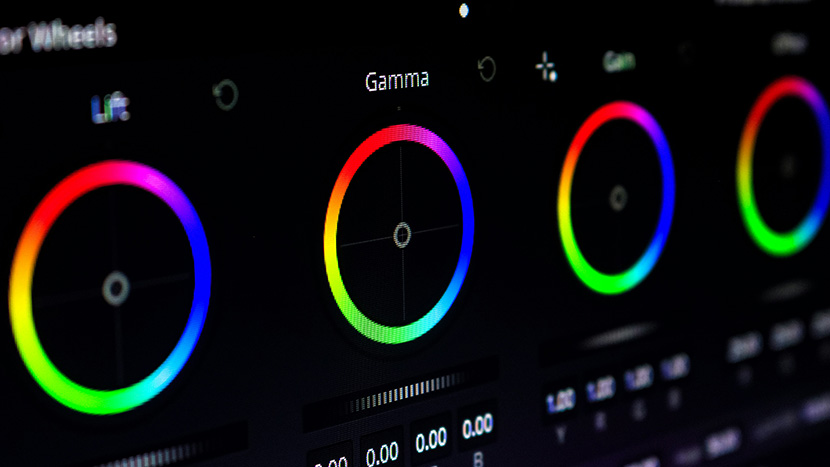
You might be wondering how you can also achieve this in your storytelling, or maybe how to color grade video like the movies? It starts with some software tools, however, the real magic lies in the creative choices made by colorists. Here are a few popular grading techniques: 

  • Teal and Orange Split: A favourite in action films like Transformers, this method uses teal for shadows and orange for highlights. It enhances skin tones and makes actors pop against the background. 
  • Bleach Bypass: This gives a gritty, washed-out look and is commonly used in war movies like Saving Private Ryan. 
  • High Saturation and Contrast: Found in stylized films like Scott Pilgrim vs. The World, colors are bold, and contrast is sharp.
  • Retro Faded Look: This, as the title suggests, gives a nostalgic touch to the scenes and is often used in indie dramas. Softens the image and reduces contrast for a vintage feel.  

Whether you’re adjusting the hues in your first short film or looking into color grading video projects, or even just curious, it’s good to remember that the hue isn’t just seen but also felt. 

Real World Example

If you’ve ever wondered why every blockbuster looks the same, it’s not laziness, it’s because teal and orange are complementary colors. Human skin typically falls into the orange spectrum, and when placed against a teal background, it creates a pleasing and dynamic contrast. Now, if you’re wondering what is colour grading, this is a perfect example. It’s not just about stylization, but also helps drive the story and emotion. This method has become almost synonymous with modern-day action films, making it a go-to look for studios aiming for the cinematic punch. 

Just like in film, many other digital platforms also rely on visual tones like cinematic grading to set the mood. 

Famous Films and Their Signature Hues

Let’s take a look at some iconic examples of film tones done right:

  • Blade Runner 2049: The movie is dominated by blues and vibrant neon oranges. It’s a futuristic world with a touch of decay. 
  • Mad Max: Fury Road: High contrast, hyper-saturated desert tones give this movie an adrenaline-fueled dueled chaotic vibe.
  • The Revenant: With earthy blues and whites reflecting the cold, harsh wilderness, the movie taps into the protagonist’s loneliness.

Each of these films didn’t just choose a look, they built an entire atmosphere around their color grade scheme.

From Raw to Radiant

If you’ve ever looked at before-and-after comparisons, the difference can be astonishing. For example, looking at pictures of and visiting some Canadian landscapes may evoke very different feelings because the digital representation you see online doesn’t offer the same hues that you’ll see with your own eyes. Similarly, raw footage can be dull, flat, and uninspiring. But once it’s been graded, it becomes visually rich and emotionally charged. Here is what a typical video color grading workflow might look like:

  1. Correction: This fixes exposure, white balance, and contrast.
  2. Primary Grading: Adjusts global tones to match the film’s desired mood.
  3. Secondary Grading: Tweaks specific colors or objects without affecting the entire image. 
  4. Creative Effects: Doing this adds vignettes, lens flares, or grain for added style. 

Conclusion

In the end, if you’re looking for just the colour grading meaning, you will find nothing. This is far more than a technical process, it’s a creative language. It’s what gives Schindler’s List that haunting black and white weight. It’s what turns In the Mood for Love into a rich, sultry experience with its saturated red. Every choice in the grading suite is another brushstroke on the canvas of a film. If you’re a filmmaker or content creator, learning the actual color grading meaning can open up a whole new world of visual storytelling. Even small adjustments can change the way your audience feels and remembers your work. 

Can you use cryptocurrency to fund some of your research?

Have you ever wondered if digital currencies like Dogecoin could support research initiatives? With the rapid expansion of cryptocurrency, opportunities for funding important projects through alternative means have become increasingly viable. Dogecoin, which originated as a playful internet meme featuring a Shiba Inu dog, has grown beyond its humorous roots to become a powerful financial tool for various purposes, including research.

Photo by Artem Podrez

Understanding Dogecoin’s Popularity

Dogecoin’s appeal comes from its user-friendly design, which makes it easy for individuals considering Dogecoin to buy and support various projects. Initially launched in 2013, it quickly gained popularity due to its approachable nature, attracting users who might otherwise feel intimidated by cryptocurrencies. This accessibility helped Dogecoin achieve widespread acceptance, making it an appealing option for fundraising and financial transactions.

What truly distinguishes Dogecoin is its enthusiastic and active community. This community regularly promotes campaigns, participates in charitable causes, and contributes to fundraising events, amplifying the currency’s impact. Such engagement has fostered trust, encouraging more people to explore this cryptocurrency as a resource to support projects globally.

Benefits for Research Funding

Traditional research funding often involves complex processes that can slow progress. Dogecoin offers a faster, more accessible way to secure funding, with quick global transfers that help researchers access support without delay. One key advantage is transparency. 

Transactions occur on a public blockchain, allowing donors to see how their contributions support research. This visibility builds trust and fosters stronger connections, often leading to increased engagement and continued support.

Accelerating Global Support

Cryptocurrencies like Dogecoin offer researchers access to global communities and supporters previously unreachable through traditional fundraising channels. Due to its digital nature, Dogecoin crosses geographical barriers effortlessly, enabling people worldwide to contribute to research causes instantly. 

Even with shifting market cycles, the consistent interest in digital assets helps broaden the donor base internationally, allowing research projects to receive diverse support from individuals passionate about specific research topics. Moreover, institutions can easily integrate Dogecoin into their existing fundraising campaigns, significantly expanding their potential supporter network. Effective social media engagement can further enhance this reach, helping research organisations quickly meet and exceed their funding goals.

Steps to Begin with Dogecoin Funding

Institutions or researchers considering cryptocurrency for fundraising should first establish secure digital wallets specifically designed for handling transactions. These wallets serve as storage spaces for funds and are essential for managing received donations securely. 

Next, institutions should clearly communicate their use of cryptocurrency. A simple webpage explaining the donation process can make transactions easier and encourage consistent support by improving the user experience.


Photo by cottonbro studio

Cryptocurrency Exchange Platforms Facilitate Donations

Cryptocurrency exchange services play a crucial role in enabling potential donors to acquire digital currencies effortlessly. These platforms provide user-friendly interfaces where users, irrespective of their experience level, can easily buy crypto and contribute directly to research initiatives. Availability of multiple payment methods further simplifies transactions, accommodating a broader range of contributors.

Such exchanges are essential resources, connecting potential supporters with innovative research projects needing immediate funding. They facilitate smooth, efficient processes that empower users to obtain Dogecoin quickly, fostering a supportive environment for advancing research efforts worldwide.

Incorporating Dogecoin into research funding strategies represents a significant step forward in financial innovation. Offering simplicity, transparency, and broad accessibility, Dogecoin effectively removes traditional barriers in research funding. Embracing this cryptocurrency enables researchers and institutions to benefit from rapid transactions, global reach, and enthusiastic community backing. The research community can unlock new possibilities by harnessing Dogecoin to buy essential resources, fostering continuous innovation and progress. As digital assets gain traction, their role in driving meaningful change across sectors, including science and technology, is becoming increasingly clear.

How the brain responds to stress: biological mechanisms

In the modern world, the problem of mental and somatic disorders associated with stress is becoming increasingly important. On the one hand, stress is the most important evolutionary mechanism necessary for the body to adapt to changing environmental conditions. On the other hand, long-term exposure to stress factors can lead to depletion of the body’s physical resources and the development of comorbid (associated) disorders. 

First of all, this is due to the launch of protective and adaptive reactions at the cellular, physiological, and behavioral levels. The perception of stress stimuli and, as a result, adaptation is based on a multi-stage interaction of the structures of the central nervous system (CNS) and peripheral organ systems, including the immune system. The main “link” of this interaction is special cells of immune origin–microglia. 

Depending on the environmental conditions and the nature of the stress effect, microglia cells can acquire various morphofunctional phenotypes, demonstrating amazing “flexibility” of the adaptive response.  In the article, we will discuss what mechanisms are responsible for the brain’s adaptation to stress at both the cellular and systemic levels.

Photo by Tara Winstead

How Does The Brain Perceive Stress?

Firstly, let’s look at what part of the brain controls stress. In the brain, the structures of the limbic system (amygdala, prefrontal cortex, hippocampus and hypothalamus) associated with higher cognitive functions, such as emotional memory and fear-conditioned learning, participate in the perception of stress stimuli. They transmit a signal of danger to the main center of vegetative and endocrine regulation and homeostasis control – the hypothalamus.  

An increase in the level of hypothalamic hormones–vasopressin and corticotropin-releasing hormone (corticoliberin)–leads to activation of the hypothalamic-pituitary-adrenal axis and an increase in the synthesis of adrenocorticotropic hormones of the pituitary gland and glucocorticoid hormones of the adrenal cortex (mainly cortisol in humans and corticosterone in rodents). 

Understanding how your own stress response might be shaped by early experiences can be a powerful first step toward better mental health, take the ACE test (Adverse Childhood Experiences (ACE) to gain insights into your personal stress risk factors. 

Finally, the release of catecholamines (adrenaline, noradrenaline, dopamine) into the bloodstream has an activating effect on the body and triggers the so-called “fight or flight” response. It consists of mobilizing the body’s energy resources in response to a threatening stimulus: glucose and fat metabolism are activated, and their delivery to the muscles increases, as well as the respiratory rate and heart rate increase. 

However, another mechanism plays a major role in the pathogenesis of stress-associated diseases–hyperactivation of the immune system and an increase in the level of hormones and inflammatory mediators, which lead to the development of systemic and neuroinflammation.

The Role of Inflammation in the Development of Stress-Associated Disorders

The role of neuroinflammation in the pathogenesis of stress-related diseases is indicated by the results of numerous studies. For example, an increase in the level of proinflammatory cytokines in the peripheral blood and central nervous system was found in patients with depression, as well as in animals in experimental models of depressive disorder and chronic stress. Thus, long-term stress becomes an independent risk factor for the development of concomitant mental and somato-vegetative disorders.

Stress and the Brain: Adaptation Possibilities

“Communication” between the brain and the immune system is provided by the only cells of myeloid origin in the central nervous system – microglia, which account for 5% to 20% of all glial cells. Microglia cells are formed from primitive macrophages of the yolk sac and enter the brain at an early stage of embryonic development. 

In the postnatal period, microglia participate in the regulation of the formation of dendritic spines and synaptic plasticity, and in the adult brain, they ensure the maintenance of homeostasis of the microenvironment, memory processes, synaptic plasticity, and neurogenesis. In case of brain injury, microglia also perform a number of protective functions. 

Depending on physiological conditions, microglia can acquire various morphological and functional characteristics (phenotypes): in a resting state, the cells have a branched morphology with short and thin processes (resting form), and under adverse conditions, they acquire an amoeboid or reactive form.

The Effect of Stress on Microglia: Experimental Research Data

Researchers from Fudan University in China studied the effect of stress on microglia. The scientists used an experimental model of mild, unpredictable chronic stress, which is as close as possible to real conditions: it allows them to “reconstruct” the effect of regular moderate stress, such as social stress, on humans. 

The stressors used were being in a cramped cage (crowding effect), immobilization (restricted movement), mild cold exposure, frequent changes in light conditions, etc. The authors of the study assessed the anxious and depressive behavior of mice, as well as morphological changes in microglia cells (in almost all areas of the brain, except for the olfactory bulb and cerebellum) after 12 weeks of daily stress exposure. The experiment was conducted on males due to their more “pronounced” microglia cellular phenotypes.

Results of the Study

Exposure to chronic stress for 12 weeks led to changes in the morphology of microglia cells, increasing the number and length of their processes. Scientists found similar changes in other structures of the limbic system – the dentate gyrus, hippocampus, and amygdala. In the subpopulation of “interferon microglia” cells (one of six subpopulations of microglia), transcription of interferon-regulated genes (IFG), involved in immune cascades, was reduced. 

At the same time, the expression of the interferons themselves remained at the same level. Thus, although long-term stress did not affect the synthesis of interferon IFN-β itself, it led to a decrease in the expression of genes for other interferons, including proinflammatory type I interferons and links of the IFN-γ-mediated signaling cascade (anti-inflammatory type II interferons).

IFN-β is a cytokine that is released by innate immune cells and some non-immune cells. It can have both anti-inflammatory and pro-inflammatory effects and is involved in the regulation of virtually all links of the innate and adaptive immune response. 

While abnormally high interferon production causes a disruption in the regulation of the corresponding signaling mechanisms, the absence of changes in their levels in the brain and spleen against the background of a decrease in the expression of IFN-regulated genes may indicate the presence of another microglia phenotype. This phenotype is formed when the “intrinsic” immunity of cells is impaired and does not depend on interferon cascades. Interestingly, this mechanism has also been found in stem cells.

Examples of Other Stressors: Sleep Deprivation

Another type of stressor, sleep deprivation, has a similar effect on microglia. Short-term (6 hours) acute sleep deprivation leads to increased cytokine release and increased ramification of microglial cells in the brains of animals. The latter is a compensatory mechanism that helps form more functional connections with the microenvironment, ​​synapses, and neighboring cells. During the recovery period after sleep deprivation, microglia are involved in the restoration of nervous tissue, regulation of synaptic homeostasis, and memory.

With prolonged chronic sleep deprivation (up to 5 days in a row), microglia cells take on an amoeboid, deramified or adendritic form. This, most likely, reflects a different type of behavior that can be found in severe CNS lesions, rather than the “homeostatic” or “stabilizing” responses of the brain to this type of stress.

At the genomic level, sleep deprivation leads to changes in genes associated with the modulation of neuronal activity, synaptic plasticity, transcription, and translation. For example, in mice without microglia, sleep deprivation change the morphological characteristics of neurons – a decrease in the density of dendritic spines. At the same time, in healthy animals, their density, on the contrary, increases.

Thus, it can be assumed that with a lack of sleep, microglia has a positive effect on the surrounding cells – it participates in stabilizing the physiological microenvironment and the functional state of neurons, and does not initiate inflammatory or other pathological immune processes. Adaptation is a complex, multifaceted process that affects all levels of a living organism, from the brain to the cell and vice versa. 


Photo by Keenan Constance

Conclusion

So, what causes stress in the brain? The brain is the first to perceive a signal of danger and launches a cascade of psychophysiological, neurochemical, and molecular-genetic reactions. Through intermediaries – the immune and endocrine systems – the signal is transmitted and detected by microglial cells. 

According to the mechanism of positive or negative feedback, they determine what the further systemic response to stress will be. All this again raises fundamental questions about the extent to which the psychophysiological characteristics of the body are determined by subtle molecular-genetic processes, and to what extent by external influences.