The Hidden Biology of Speed: How Fast-Twitch Fibers Shape Athletes and Animals
Think about the thrill of watching a sprinter burst from the starting blocks or a cheetah chase its prey at full tilt. Speed is mesmerizing because it looks like pure instinct, but in reality it is biology at work. Inside every muscle are fibers that quietly dictate whether a body is built for endurance or for explosive bursts of motion. Understanding these fibers, fast-twitch and slow-twitch, unlocks the story of how humans and animals achieve breathtaking speed.
Why Fast-Twitch Fibers Matter
Muscles are not uniform. Some fibers are designed for endurance while others specialize in power. Slow-twitch fibers, also called Type I, are the body’s endurance engines. They use oxygen efficiently, resist fatigue, and fuel marathon runners or birds that migrate for thousands of miles. Fast-twitch fibers, known as Type II, are the sprinters. They contract with force, burn through energy reserves quickly, and make sudden acceleration possible.
For athletes, this natural balance of fibers often determines whether they can simply participate or truly dominate. Sprinters, weightlifters and jumpers tend to have a greater share of fast-twitch fibers, which training then strengthens further. This biological lottery, where one person’s muscle composition leads to bursts of glory, can be compared to the unpredictability of slot machine casino games, where hidden mechanics suddenly deliver dramatic payoffs.
Speed in Nature and Sport
Across the world, both humans and animals show how fast-twitch fibers change performance. Usain Bolt’s record-breaking runs or Florence Griffith-Joyner’s unforgettable sprints were powered by muscles capable of releasing energy almost instantly.
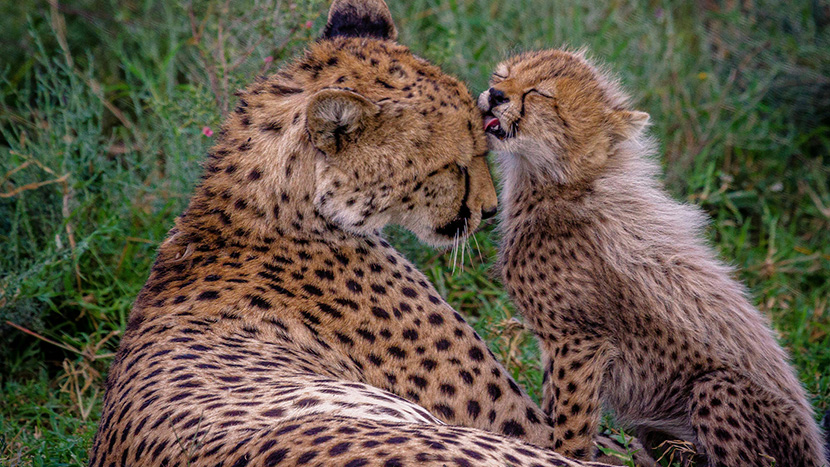
Animals provide even more striking examples. The cheetah, often called nature’s ultimate sprinter, relies almost entirely on fast-twitch fibers to reach speeds of up to 70 miles per hour, though only for short distances. Rabbits leap away from predators in a flash thanks to the same muscle type. Hummingbirds use similar fast contractions in their wings to hover and dart from flower to flower. Biology sets the rules of speed, whether on a racetrack or in the wild.
Just as fans study athletic performance, many also follow the unpredictable world of betting on NFL football. Both reveal our fascination with outcomes that feel uncertain but are driven by hidden systems working beneath the surface.
Comparing Muscle Fibers
Here are a few examples of how fiber type defines performance:
| Subject | Dominant Fiber Type | Why They Stand Out |
| Usain Bolt | Fast-twitch (Type II) | Explosive sprinting over 100m |
| Cheetah | Fast-twitch (Type II) | Capable of 70 mph bursts |
| Marathon Runners | Slow-twitch (Type I) | Exceptional endurance |
| Hummingbirds | Fast-twitch-like mix | Rapid wingbeats for hovering |
| Migratory Birds | Slow-twitch (Type I) | Long-distance stamina |
These contrasts show how nature trades stamina for speed depending on the demands of survival or competition.
What Drives the Science of Speed
Modern research is uncovering more about how these fibers work and adapt. A decade ago, measuring muscle composition meant invasive biopsies. Now imaging technology and genetic studies make it possible to understand muscle biology with far less disruption. Coaches and scientists collaborate to fine-tune training loads, recovery and nutrition to optimize the way fibers behave. In the natural world, evolutionary pressure explains why animals diverge so sharply: cheetahs needed short bursts of speed while migratory birds needed endurance.

What the Future Holds
Expect new methods that let athletes understand their fiber balance without painful tests. Training plans will continue to become more personalized, adjusting to biology instead of relying on a one-size-fits-all model. Scientists are also likely to compare human athletes and animals more closely, learning from nature’s extremes to inform sports science and medicine.
Final Thoughts
Fast-twitch fibers are the hidden engine of explosive performance. They explain how sprinters set records and how predators chase prey with breathtaking precision. They also remind us that performance, whether human or animal, is grounded in biology. Not everyone is born with the same mix of fibers, but science shows that training and recovery can help people make the most of what they have. The next time you watch a race or a wildlife documentary, you will know that the true secret of speed lies in the fibers beneath the skin.