The Neuroscience of Risk and Reward: Why the Human Brain Loves Uncertainty
Uncertainty has always drawn human attention. From the thrill of a dice roll or reading a Gates of Olympus slot review to the suspense before a job offer, our brains react strongly to what might happen next. This response is not random but deeply wired into our neural systems. Neuroscientific studies show that uncertainty and risk engage the same dopamine-based reward pathways that evolved to help our ancestors survive.
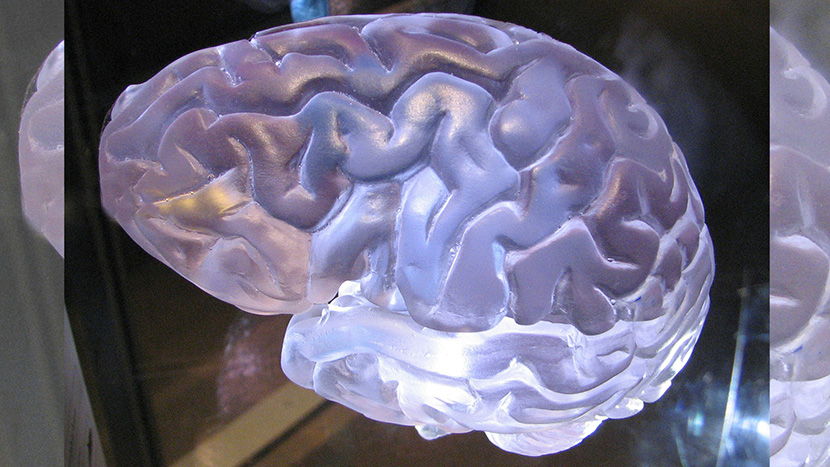
Why Uncertainty Feels Rewarding: The Brain’s Dopamine Engine
The brain releases dopamine not only when we get a reward but when we expect it. This neurotransmitter fuels motivation and learning, pushing us to pursue potential gains. Research indicates that dopamine-related neural activity peaks when rewards are unpredictable. In a well-known study, primates given juice at random intervals showed stronger dopamine responses when outcomes were uncertain.
That’s why a “maybe” can feel more thrilling than a guaranteed win. Unpredictability keeps the brain alert and curious. It powers behaviors from checking notifications to playing games with shifting results. The same circuits shape our reactions to loot drops, messages, and unpredictable wins in daily life.
Evolutionary Biology: How Risk-Seeking Helped Us Survive
For early humans, taking risks meant survival. Finding food or exploring new areas required tolerance for uncertainty. Those who managed risk effectively gained better resources and passed on their genes.
Animals share this instinct. A bird pecking for food or a lion chasing unpredictable prey follows the same rule: uncertain rewards keep effort worthwhile. That ancient logic still drives athletes, researchers, and traders who thrive on risk-for-reward challenges.
Modern Examples of Risk-Driven Motivation
- Sports: Players show stronger dopamine responses when outcomes are uncertain, which makes competition engaging.
- Innovation: Entrepreneurs and scientists rely on calculated risks that can yield new discoveries.
- Exploration: Travelers and adventurers often describe excitement mixed with fear — a biological cocktail that once guided human migrations.
These examples show that risk-seeking is not reckless by default. It is a built-in drive that, when balanced, leads to progress and creativity.
Modern Life and the “Maybe Effect”: How Uncertainty Shapes Our Habits
Today’s digital environment thrives on uncertainty. Social media notifications and algorithmic feeds mimic variable reward systems studied in behavioral psychology. Each scroll offers the possibility of novelty, triggering the same ancient dopamine circuits that evolved for survival.
Developers use these insights intentionally. Randomized reward timing sustains engagement by keeping users unsure when the next stimulus will appear.
Common mechanisms include:
- Partial wins: Almost winning heightens motivation more than a clear loss.
- Surprise rewards: Random bonuses or notifications maintain attention.
- Feedback gaps: Waiting for responses sustains anticipation.
Each mechanism exploits prediction error — the difference between expected and actual outcomes. The brain’s stronger emotional charge from surprise explains why uncertainty feels alive, creative, and sometimes addictive.
Navigating Risk Wisely: The Line Between Curiosity and Overload
People vary in how they respond to uncertainty. Genetics, experience, and brain chemistry shape tolerance for novelty. Some seek it constantly; others avoid it.
Balanced risk-taking enhances focus and creativity. But constant unpredictability — such as gambling or endless scrolling — can overload the dopamine system, leading to impulsivity and fatigue.
To keep curiosity healthy:
- Track triggers: Notice when uncertainty inspires and when it exhausts you.
- Set boundaries: Add structure by learning new skills or exploring low-stakes challenges.
- Recharge regularly: Routine and rest help reset the brain’s sensitivity to reward.
Understanding how uncertainty works in the brain allows us to use risk as a tool rather than a trap. The same neural system that once helped humans hunt and explore still fuels curiosity and innovation — as long as it stays in balance.