Why Humans Are Bad at Understanding Probability (And What Science Says About It)
People often believe they are good at judging chances and predicting outcomes, but research shows otherwise. We often misunderstand probability in everyday decision-making and when explaining random events. This isn’t about intelligence or education; it’s how our brains are wired. We naturally look for patterns, trust our intuition, and react emotionally, even when things happen by pure chance. Understanding why we struggle with probability helps explain why these mistakes are so common and what science has learned about our ability to judge risk.
What Probability Actually Means
Probability is a way to describe how likely something is to happen, using math. It’s usually expressed as a percentage or as a value between 0 and 1, where 0 indicates impossibility and 1 indicates certainty. Importantly, probability concerns outcomes over many trials, not just a single result.
Randomness can feel strange because our minds expect to see order and balance. When events are truly random, we might observe clusters or repeated results that appear anomalous, even though they are statistically normal.
This leads us to confuse what is possible with what is likely. Just because something can happen doesn’t mean it’s likely to happen. Knowing the difference helps us better understand events that involve chance.
How the Human Brain Is Wired to Misjudge Odds
When faced with uncertainty, we tend to make quick decisions rather than carefully assessing the odds. Our instincts, feelings, and pattern-spotting skills helped us survive, but they also make us prone to mistakes when dealing with probability and randomness.
Pattern-Seeking by Default
Our brains are wired to look for patterns, even when none exist. In the past, spotting patterns quickly helped us survive, so it was more important than statistical accuracy. As a result, we often see meaning in random events, believing there are connections when it’s really just coincidences. This is why people notice things like winning streaks or hidden messages, even when they’re just random.
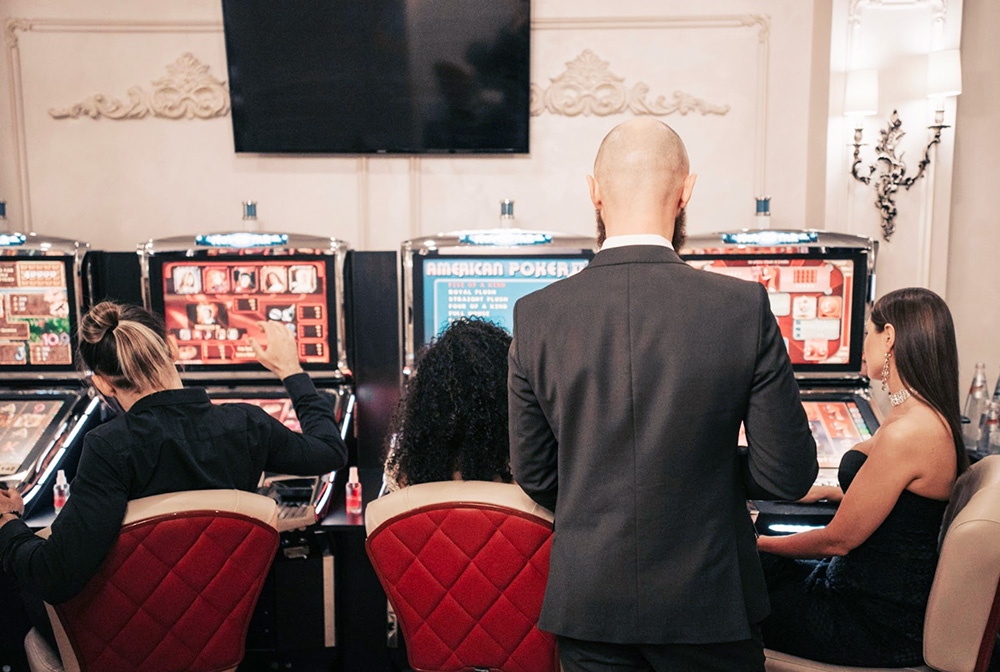
This tendency is especially noticeable in chance-based activities such as free online slots, where random outcomes often appear to form meaningful patterns or winning streaks, even though each result is independent.
Emotional Thinking vs Statistical Thinking
Emotions strongly affect how we judge odds. People often trust their feelings about an outcome more than the actual numbers. Recent or emotional experiences can seem more important than objective probabilities, a bias known as the availability heuristic. This makes it harder to think clearly about risk and probability.
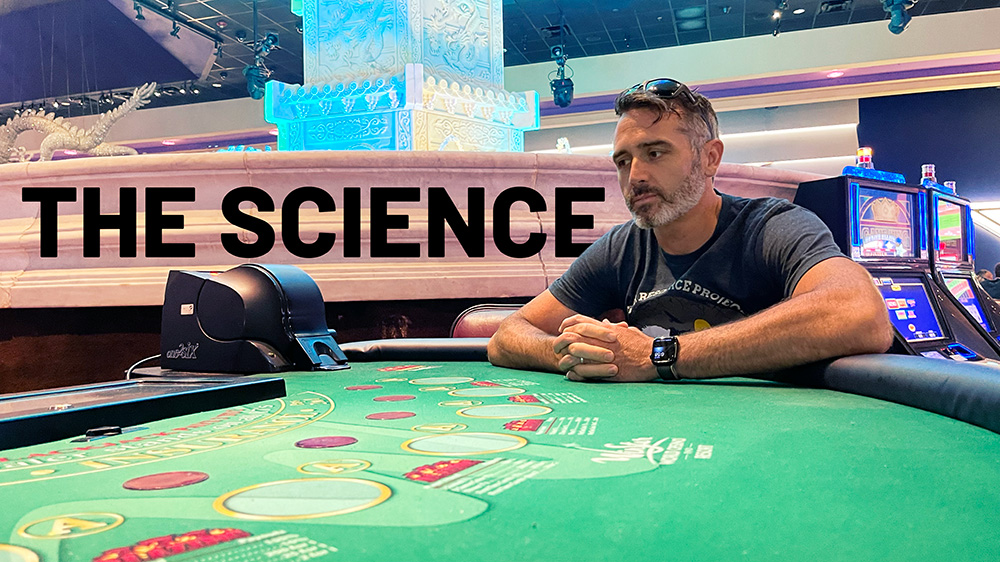
What Science and Psychology Say About These Biases
Decades of research in psychology and behavioral science show that struggling with probability is common to all people, not just a few. Studies reveal that we rely on mental shortcuts to make quick decisions, but these shortcuts often lead to errors when assessing chance and risk.
Cognitive Biases That Distort Probability
Many cognitive biases affect how we judge odds. The availability bias makes us overestimate recent or vivid events, while confirmation bias leads us to favor information that matches what we already believe. These biases turn objective probabilities into personal opinions.
Research on Human Difficulty With Randomness
Studies show that people are generally poor at recognizing true randomness. We expect outcomes to stabilise quickly and often observe patterns in random changes, even when there is no real connection.
Why Even Experts Get It Wrong
Training and experience can reduce mistakes, but they don’t eliminate them. Even experts sometimes rely on intuition rather than statistics, especially under pressure or uncertainty, which can lead to inaccurate estimates.
Conclusion
We struggle with probability because our brains rely on intuition, emotions, and pattern recognition. These instincts help us survive, but they don’t work well for understanding randomness, which is a scientific concept. To make better decisions about chance, it’s important to recognize these limits.