What a Blood Sample Can Tell Us About the Human Body
A standard blood draw may fill only a small vial, yet the resulting report can seem to describe the entire body. That contrast raises an intriguing question: how can just a few millilitres offer information about organs, bones, immunity, and metabolism all at once?
When the report returns, its rows of figures can make the sample appear more straightforward than it really is. Each number comes from material circulating at one particular moment, collected and processed under specific conditions. So, what is actually inside that tube, and how much can those measurements be trusted to reveal about the person from whom it came?
What a Single Vial Actually Reports On
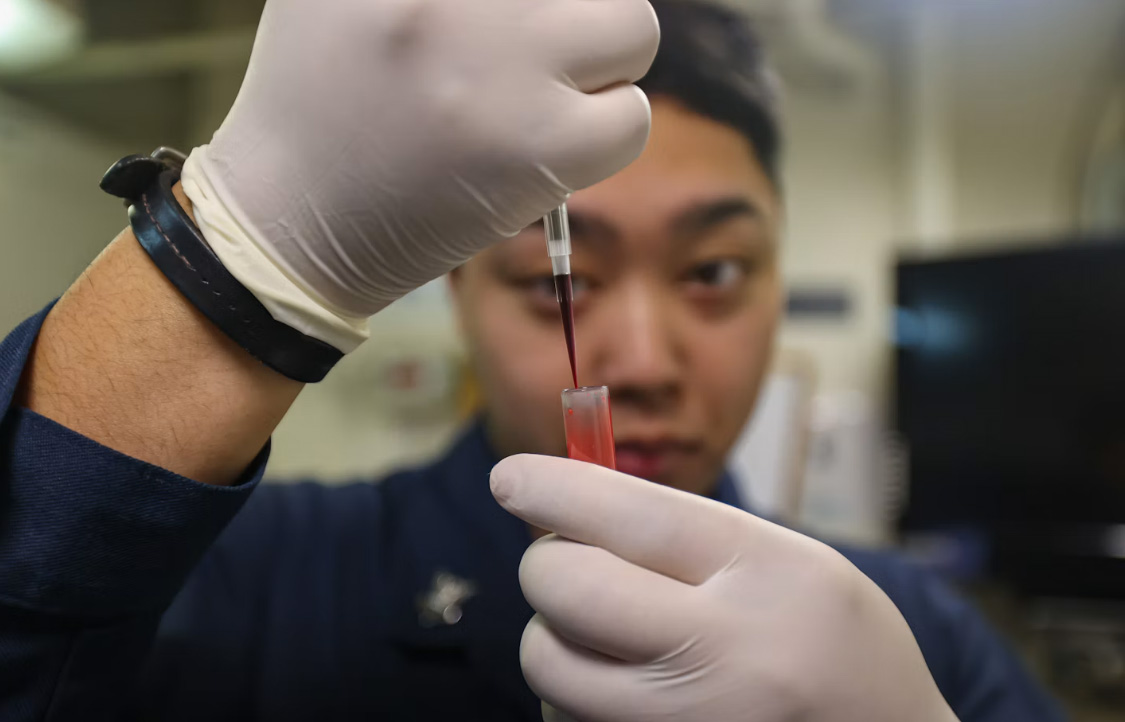
A small vial of blood offers a surprisingly wide view of what is happening throughout the body. It can report on oxygen transport, immune activity, clotting, blood sugar control, fats, hormones, inflammation, and kidney and liver function markers.
Blood provides this range because it is a shared circulating medium rather than the product of one organ. Organs continually release substances into it or remove them, so each biomarker reflects part of that ongoing traffic. Enzymes can escape from damaged liver cells, waste products can remain when the kidneys do not clear them efficiently, and thyroid hormones enter the same circulation. This range of information reflects the breadth of what blood carries.
Different parts of the blood sample also reveal different information. Plasma and serum contain dissolved chemicals, proteins, and hormones, while the cellular layer supplies red cell, white cell, and platelet counts. One draw can therefore support several tests that examine the body from distinct angles.
From Needle to Analyser: How a Sample Is Handled
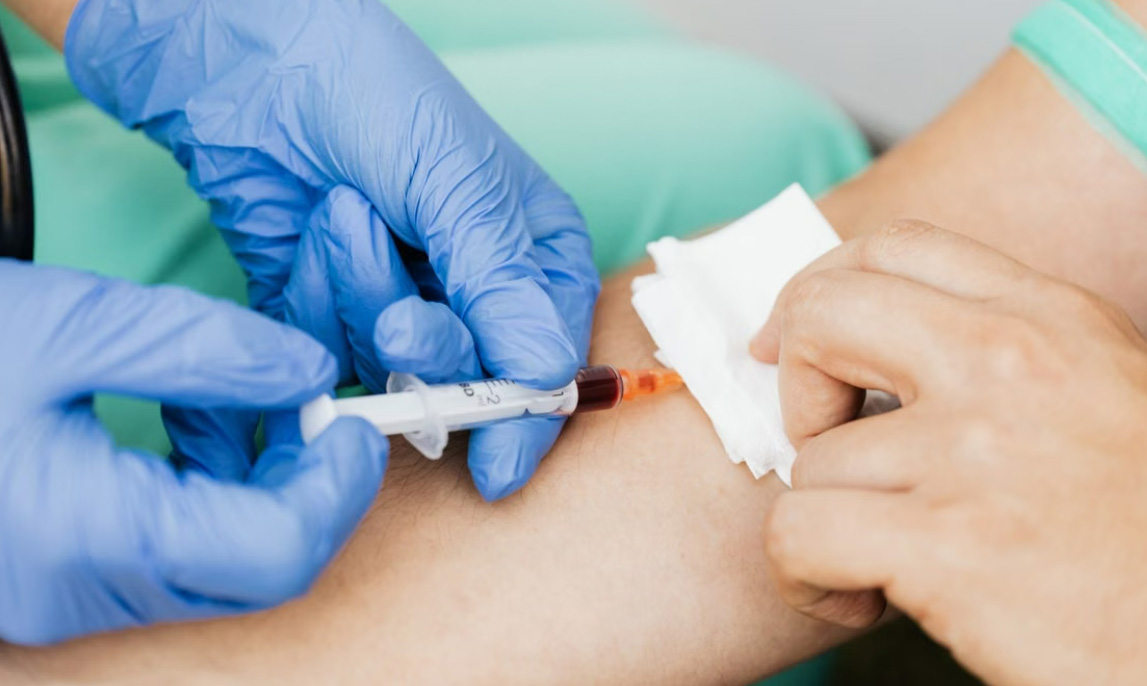
The information inside a tube is more fragile than it looks. Many problems affecting laboratory analysis arise during collection, transport, or early preparation rather than inside the analyser. Consequently, the first hour, including how the blood is drawn and stored, is an important part of every result.
Venipuncture, Tubes and the People Who Draw Blood
During venipuncture, tube choice and draw order matter because tubes contain additives matched to particular tests. Carrying an additive into the wrong tube can alter the chemistry being measured.
A rough draw or over-vigorous mixing can cause haemolysis, releasing potassium and enzymes from red cells. This is a classic pre-analytical error. Before working unsupervised, phlebotomists prove competency in site selection, tube handling, labelling, and patient safety. Candidates rehearsing for a phlebotomy practice exam can click here to practise that assessed knowledge, although this does not replace supervised skill.
The same handling constraints apply when researchers are collecting samples in the field, where transport and processing conditions are harder to control.
Fasting, Hydration and Timing
The body’s immediate circumstances influence what enters the tube. Food intake affects glucose and triglycerides, which is why a fasting blood test sometimes requires a defined period without food. However, fasting is not automatically needed for every test, so the collection instructions depend on the requested panel.
Hydration also matters because dehydration reduces plasma volume and concentrates many dissolved substances. Recent exercise can raise muscle enzymes, while cortisol and iron vary according to the time of day. These effects do not make the sample useless, but they change the context needed to interpret its glucose, enzymes, and electrolytes accurately.
Inside the Lab: Spinning, Reading, Reporting
Once collected, the tube is checked against its label and test request. A centrifuge then spins the sample at high speed, separating cells from plasma or serum. The resulting layer used depends on the test and the additives already present in the tube.
Automated analysers expose the prepared sample to chemical reagents, light, electrical measurement, or cell-counting systems. They can report dozens of values within minutes, but automation does not remove the need for quality checks. Laboratories still look for clots, haemolysis, labelling problems, and instrument flags before releasing results.
What the Standard Blood Panels Measure
A result slip rarely represents one all-purpose test. It usually combines several panels, each examining a different part of human physiology. Reading the panel names first makes the individual lines easier to understand because it shows whether the laboratory is measuring cells, dissolved chemistry, metabolic signalling, or longer-term risk.
Complete Blood Count: Cells, Oxygen, Immunity
A complete blood count examines the cellular part of blood. Haemoglobin reflects the blood’s oxygen-carrying capacity, while red cell measurements describe the number, size, and distribution of those cells. Cell size can help distinguish patterns associated with iron availability from those connected with certain vitamin levels, although it does not establish the cause by itself.
White blood cells report on immune activity, including responses that occur during infection or inflammation. The total count is often divided into cell types because each has a different role. Platelets, meanwhile, contribute to clot formation, so their count offers a view of one part of the body’s clotting capacity.
Chemistry Panels: Organs, Sugars, Electrolytes
A metabolic panel measures substances dissolved in plasma or serum. Kidney and liver function markers form a major part of it: creatinine and urea reflect waste handling by the kidneys, while liver enzymes and bilirubin report on liver cells, bile processing, and related pathways.
Electrolytes, including sodium and potassium, help describe fluid balance and the chemical conditions needed for nerve and muscle activity. Glucose captures blood sugar around the time of collection. HbA1c reflects average glucose exposure over roughly the previous three months, so glucose and HbA1c answer different questions. Clinicians often interpret them together rather than treating either as a complete picture.
Lipids, Hormones and Inflammatory Markers
A lipid panel reports cholesterol fractions and triglycerides. These measurements relate mainly to cardiovascular risk over time, not to whether someone is experiencing a current illness. Their meaning depends on the pattern across the fractions rather than a single cholesterol figure in isolation.
Thyroid markers show how the body’s metabolic signalling system is being regulated and whether it appears over-driven or under-driven. Inflammatory markers, including CRP, indicate that an inflammatory process is present without identifying its location or cause.
Iron and vitamin levels add another layer. They can help explain fatigue or altered blood-cell production when cell counts alone do not reveal why the pattern has developed.
Reference Ranges and the Limits of One Sample
A reference range is a statistical band derived from results seen in most healthy people. It is not a hard boundary between health and illness. Some healthy individuals naturally fall outside the stated range, while an unwell person can have a biomarker that remains inside it.
Ranges can shift with age, sex, pregnancy, altitude, and the analyser or method used by a laboratory. As a result, numbers from two laboratories are not always directly comparable. The range printed beside each result belongs to that laboratory’s testing process and reference population.
A blood sample is also one frame from a moving film. Hydration, meals, exercise, medication, and ordinary biological variation can change measurements between draws. A trend across properly comparable tests often provides more context than one isolated value.
Blood reveals circulating cells and chemistry, but it does not show physical structure. It therefore cannot replace examination, imaging, or biopsy, and a normal panel does not rule out every disease. Interpretation belongs with a clinician who can connect the numbers to symptoms, medical history, medication, and changes over time.
What One Tube of Blood Really Tells Us
One tube of blood offers a wide-angle snapshot of the body because many organs communicate with, alter, or filter the circulation. Its value depends not only on what is measured, but also on how carefully the sample was collected, prepared, and interpreted.
The information was already circulating before the needle entered the vein. The draw captures it, the tube preserves selected parts of it, and the analyser turns those biological signals into readable numbers. Context then gives those numbers meaning.