Behind the Camera: The Technology and Psychology of Live Casino Broadcasting
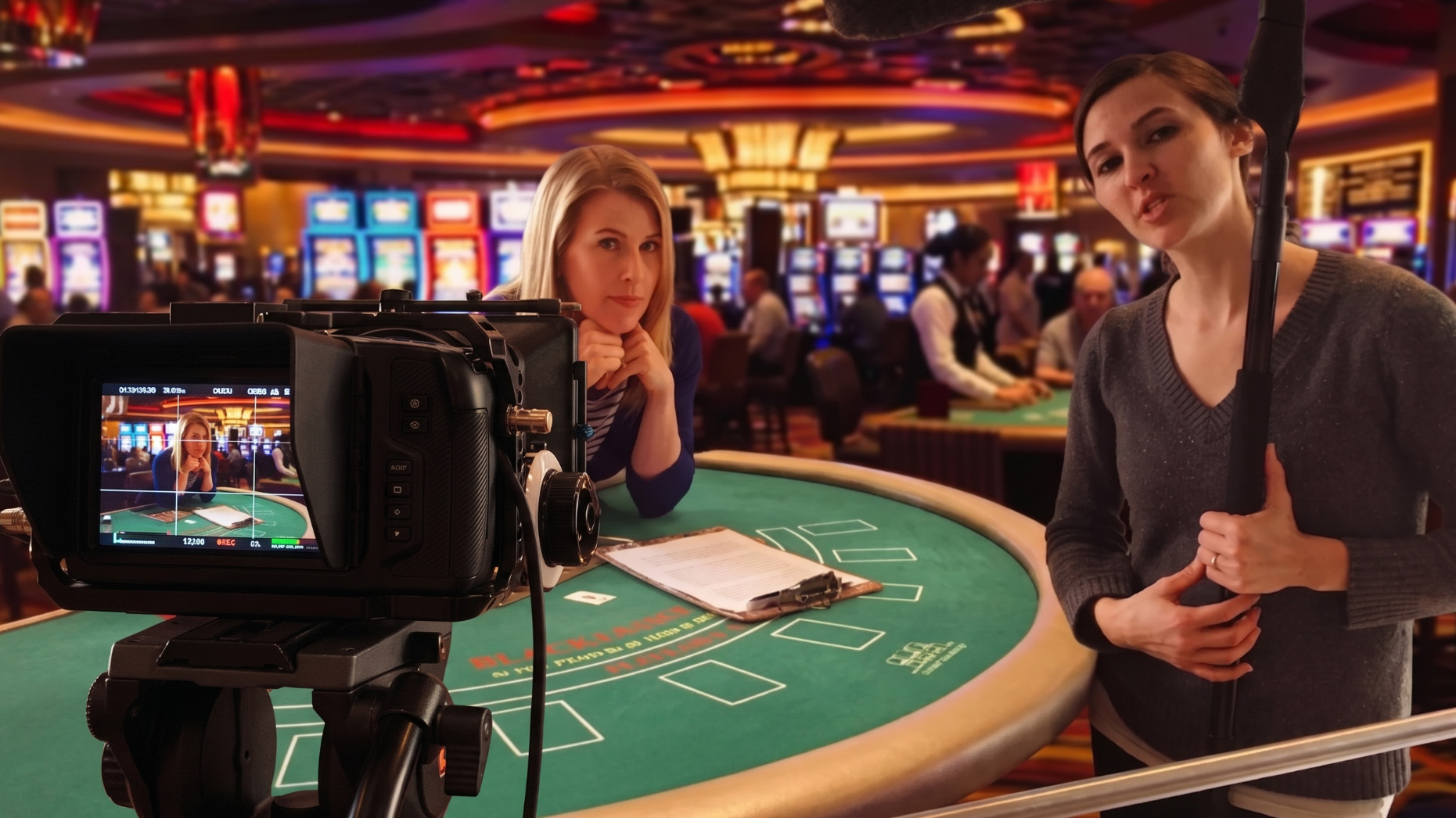
A live casino broadcast seems simple until the camera switches, revealing how many decisions shape what viewers see. A dealer deals cards, the picture moves closer, and a result appears. Behind that sequence sit lighting, sound, video delivery, and software working to the same timetable.
The challenge resembles filming a science demonstration. The action must be understandable as it happens, even when viewers join midway or watch on a phone. Unlike a documentary, however, a live game cannot edit out a mistake or repeat a card reveal for a better take.
Why a Live Table Needs More Than One View
A wide camera establishes the room and shows the dealer at work. A closer view makes individual cards or a roulette wheel easier to inspect. Switching between them helps viewers see both human action and the details that decide a round.
A studio may use fixed cameras, movable cameras, or dedicated views of equipment. The setup varies between providers, and more cameras do not automatically mean a better stream. An awkward cut can hide the action when viewers most need to see it.
| Production element | What it helps viewers understand |
| Wide shot | Dealer and equipment positions |
| Close-up | Card values, wheel action, or dice results |
| Consistent lighting | Details without distracting glare |
| Clear microphone audio | Dealer announcements and round transitions |
| On-screen graphics | Betting status, timers, and results |
Lighting and Sound Make the Action Readable
Good lighting keeps card faces legible and reduces glare on glossy surfaces. Color consistency matters because cameras can interpret mixed lighting differently. A bright studio is not necessarily an easy one to watch.
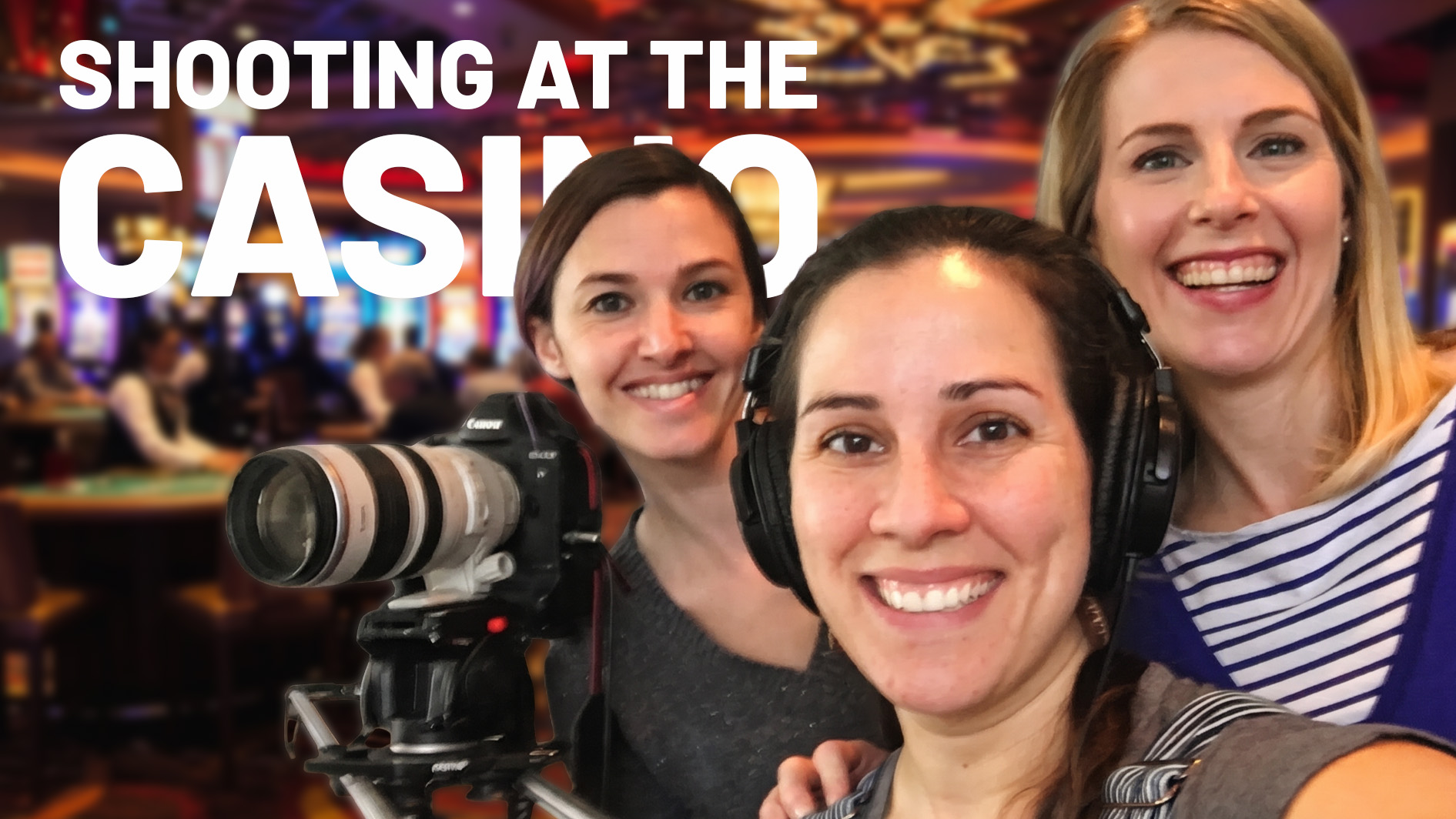
Audio has an equally practical role. Players need to hear announcements without echoes, distortion, or music covering speech. A recent guide to filming with minimal equipment emphasizes deliberate lighting, microphone placement, and checking footage before recording. These principles remain useful at a larger scale.
Live studios have an additional constraint. Crews can prepare camera positions and a sound mix, but cannot reshoot an individual hand once it has entered the game record. Production quality therefore depends on preparation and consistency.
What a Baccarat Broadcast Reveals
In baccarat, a round moves from an open betting window to the dealer revealing cards, any required third card, and a settled result. That structure gives cameras a clear sequence to cover: the dealer, the card area, and the final outcome. Each shot should help viewers follow what happened without mistaking production effects for part of the rules.
Unlike an edited highlight, producers cannot fix a missed camera angle by asking a dealer to repeat the hand. The useful shot is the one that documents the actual action. Framing has to remain stable even as the visual focus moves from the dealer to the cards.
For a concrete example, TheOnlineCasino offers baccarat with a live dealer through standard and speed formats, making differences in table pacing and available stakes visible in its lobby. This illustrates what live presentation can add without assuming every provider uses the same studio equipment.
The cards, not camera angles, determine the outcome under baccarat’s drawing rules.
How Video and Betting Software Stay in Step
Camera footage is selected, compressed, and transmitted over the internet. Compression saves bandwidth; buffering can smooth playback when connections fluctuate. Both introduce trade-offs in picture quality or delay.
That delay matters because live games operate against a betting clock. The dealer’s actions, displayed timer, and server’s acceptance of bets need coordination. Players should rely on confirmed wagers and the interface’s betting status rather than assume the picture shows the exact current moment.
Video displays the action, while software accepts wagers, applies rules, and records results. Those jobs work together but are not interchangeable.
Why Seeing a Person Changes the Experience
The psychology is partly about social presence: the feeling that another person is present through a screen. A face, voice, and visible gestures can make a stream feel different from animated cards.
A January 2026 study in the Journal of Marketing compared live and prerecorded amateur music performances. Across experiments, viewers who believed a performance was live reported stronger presence and connection. Showing the performer’s face strengthened the effect.
The study did not examine casino players, so it cannot show that a dealer affects gambling decisions or results. It does help explain why watching a person handle cards may feel different from watching computer animation.
What Viewers Can and Cannot Verify
The camera shows only one part of the system. Players also need clear betting controls, a readable timer, and a record of what the game accepted.
| Layer | What it does | What viewers should check |
| Physical table | Dealer handles cards | Published game rules |
| Video feed | Shows the round | Clarity and possible delay |
| Betting interface | Accepts choices | Confirmation before cutoff |
| Game record | Logs stakes and outcomes | History after interruption |
A frozen video does not automatically cancel a wager. If a result seems unclear, the game record and customer support are more reliable than guessing from delayed frames.
Likewise, a clear broadcast cannot independently prove that an operator meets all security and fairness requirements. Testing, licensing, and dispute procedures sit beyond the picture. Production can capture attention, but it does not change the underlying odds.
The Value of a Well-Made Live Stream
Live casino broadcasting combines the choices of filmmakers with the requirements of interactive software. Camera framing makes details visible; audio adds context; the interface ties images to accepted wagers. Psychological research suggests that liveness can affect how connected viewers feel, though effects depend on context.
Players still need to check game rules, stake limits, and their own session budget. Good broadcasting makes the action clear without hiding the mechanics.