AI Tools That Are Reshaping the Art of Film Making

It goes without saying that AI is one of the most intriguing inventions of humans on the modern landscape. Not only is this tool changing the landscape of most industries, AI is on a mission to expand its influence to almost every aspect of our day to day lives. There is some controversy around use of AI, but used properly it is an incredible tool that can help us be more efficient in many areas of work. 

Failing to escape AI’s influence, we’re going to share a few AI tools for independent filmmakers, looking to carve out a career in a dynamic film industry. Usually, such movie makers aren’t equipped with the resources that their counterparts have. Most times, they’re not affiliated with any production house, meaning they rarely get access to well-equipped studios.

That said, tending to their worries, AI tools and apps are here to help them out. Using these, a one-man crew can come up with beautiful dialogues, and exceptional storylines, and create aesthetic graphics that would surely leave their new fans in awe.

Before we get into that, you should know that to get exactly what you want from the following AI tools, a stable and responsible internet connection like Comcast Xfinity is a must.

Why?

As high-maintenance as these apps and tools are, they are not going to work on a subpar internet connection. However, if you’re equipped with Comcast Xfinity fiber-backed cable internet, you can get speeds up to 1.2Gbps. Apart from its gig internet, Xfinity’s users face rare outages with diverse plans and packages at their disposal to choose from. You can explore more about Xfinity’s services at Comcast Xfinity en español.

Without further adieu, let’s get started on AI tools for film makers:

AI tools for Filmmakers

ChatGPT

Synthesia

Enhance Speech from Adobe

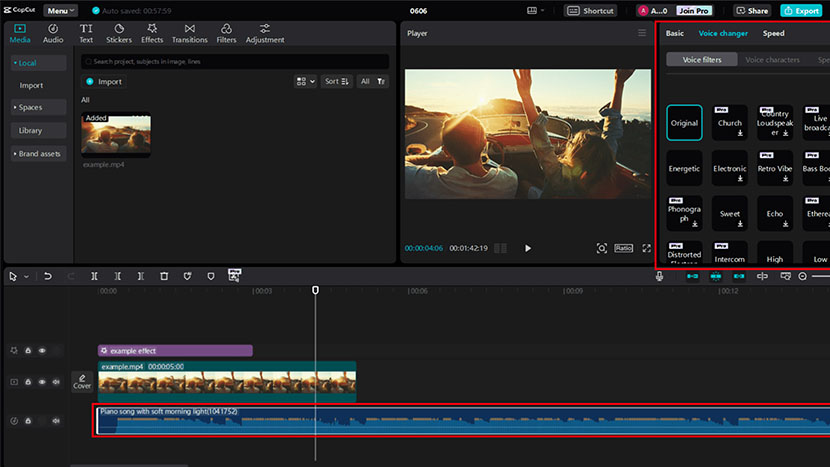
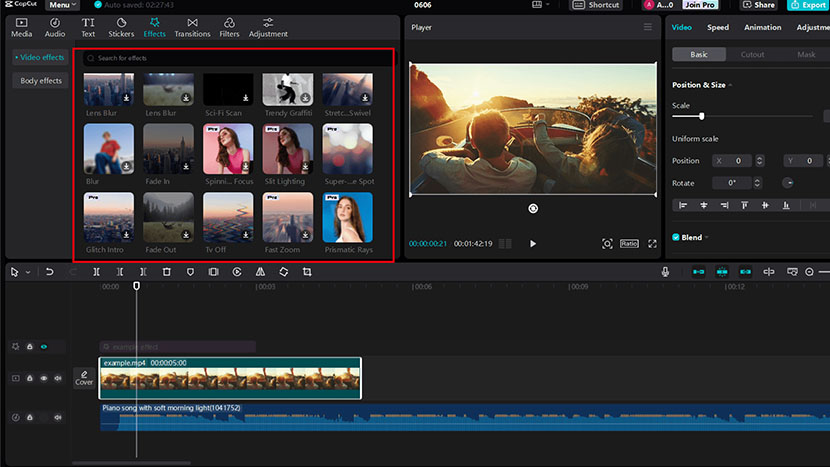
Adobe Premier Pro

Bottom Line

ChatGPT

Leveraging ChatGPT’s advantage in filmmaking is a nifty idea. Although ChatGPT may not help you create a full-fledged movie, it will still help you come up with a convincing script for your movie.

You can prompt the tool to help you describe areas you have never been before, brainstorm character names, think of plot twists and jokes, and even rewrite sections of text that you are having a hard time with. 

When it comes to actually writing your own script AI can help to get your ideas flowing. ChatGPT can help you brainstorm storyline ideas or just give you different scenarios that your audience might find interesting. Whatever’s on your mind, inform ChatGPT about it and ask it to come up with interesting suggestions. Once you get the suggestions, read them through in order to inspire your own writing. At this point you can also regenerate your answer to get some variety from the same prompt question. 

Synthesia

Synthesia isn’t an ordinary video-editing tool, as its unique features will leave you stunned. This AI tool comes up with more than 140 languages to choose from. Even if your script is in English, but you don’t want to produce the movie in the same language, Synthesia can translate the whole script into the language you want.

When is comes to the characters, there are more than 160 AI avatars to choose from. Depending on your characters in the movie, you can opt for avatars that fit your characters’ profiles. Even if you don’t find one, Synthesia lets you create a custom avatar of your choice. So, if you’re planning to add a villain with horns on his head, this tool won’t stop you.

Just like ChatGPT, this AI app will help you to come up with a gripping storyline. All you need is to make sure not to make a mistake while telling the tool what you want.

Enhance Speech from Adobe

It’s a no-brainer that sounds, voices, or speech recorded in a studio is far superior when compared to phone recording. However, even if you don’t have top-class recording equipment, Enhance Speech from Adobe should be sufficient for you.

Converting poor-quality sound into studio quality, Enhance Speech can take your sound quality to a whole new level. This tool can remove all the unwanted background noises, and adjust and refine the speech’s frequency. In short, this tool can work as an audio studio for those movie creators who cannot gain access to expensive studio equipment.

Adobe Premier Pro

Movie editing is often the last task most creators undergo. However, even if it’s the last thing to do, it’s one of the most vital and time-consuming chores for filmmakers. Also, if it’s not done right, audience members will absolutely the mistakes on the big screen. So, it has to be done and done right at all costs.

Color grading, aspect ratio, and reframing the video are a few cardinal aspects to adjust while editing. Easing up the task for moviemakers, Adobe Premier Pro is powerful enough to undertake all these responsibilities. Plus, it’s smart enough to automate these tasks for you. Powered by intelligent AI, Premier Pro can provide you with fitting ideas and suggest what may look best to people’s eyes. If you opt for the suggestions provided, you can save a lot of time and energy that goes into these tasks.

Adobe Premier Pro has the ability to combine multiple audio and video sources into a single sequence. This way, while editing, it saves you the headache of navigating through tabs simultaneously.

Bottom Line

AI is bringing a revolution to filmmaking. The best thing in all this is the countless benefits for emerging moviemakers. Using these tools, there’s hardly a reason that would stop them from making the blockbusters for the big screens.

How Exercise Influences Mental Health: A Scientific Overview

Why does a brisk walk or a session at the gym leave you feeling more mentally clear and emotionally settled? Scientific research offers compelling insights connecting regular exercise with improved mental health.

So, let’s explore exactly how exercise can influence mental health.

The Endorphin Effect

A vital player in the exercise-mental health link is the release of endorphins. Often dubbed as ‘feel-good hormones,’ endorphins are neurotransmitters that, when released during physical activity, can create a ‘runner’s high’ sensation.

Scientific studies underscore that even moderate, consistent exercise enhances this hormonal response, which can be especially beneficial for those battling depression or anxiety.

Essentially, regular physical activity helps foster a more positive mood and emotional outlook through these natural chemicals.

Stress Reduction Through Movement

Physical activity is a proven stress buster. Engaging in exercise triggers a reduction in the body’s stress hormones, such as cortisol, over time. Additionally, it stimulates the production of norepinephrine, a chemical that can moderate the brain’s response to stress.

So, not only does a daily jog help you burn calories, but it also recalibrates your body’s stress response systems. This biochemical adjustment helps you become more resilient to daily pressures and challenges (and who doesn’t need that?).

Furthermore, the repetitive motions involved in activities like running or swimming can produce meditative effects, clearing mental clutter and restoring calm.

Cognitive Clarity and Enhanced Memory

Exercise promotes neurogenesis – the creation of new brain cells – particularly in the hippocampus, an area pivotal for memory and learning. This regeneration can lead to improved cognitive functions across all age groups.

Studies indicate that regular engagement in activities such as cycling, dancing, or team sports enhances concentration and memory. Moreover, this increased brain activity helps thwart cognitive decline associated with aging, making exercise not only a keeper of physical vitality but also a guardian of mental acuity. 

Boosting Self-Esteem and Social Interaction 

Exercise often translates into better self-esteem. Achieving fitness goals, whether small or significant, builds a sense of accomplishment and self-worth. This improved self-perception plays a crucial role in overall mental health.

Furthermore, sports and exercise routines often involve social interactions – be it in gyms, classes, or outdoor groups – which can enhance one’s mood through shared experiences and support networks. Engaging with others in these settings provides not just physical camaraderie but emotional uplift as well.

Thus, by nurturing both body image and social bonds, regular activity fosters a more positive mindset.

Enhancing Your Exercise Routine

Now that you know how exercise can influence your mental health, you may well be itching to enhance your fitness routine.

Yes, revamping your exercise routine can keep you both physically and mentally fit. So, here are a few tips to supercharge your workouts:

  • Set Clear Goals. Establish what you want to achieve with your exercise, be it stamina improvement, weight loss, or stress reduction.
  • Mix It Up. Include a variety of activities like weight training, yoga, or cycling to engage different muscle groups and prevent boredom.
  • Track Progress. Use apps or a journal to monitor your advancements and stay motivated.
  • Consider Professional Guidance. Sometimes it is worth investing in a personal trainer. You can then gain customized advice and support – and more easily attain your goals. (Take a look at this article to find out about gym personal trainer costs.)

Incorporating these strategies can help keep your exercise plan robust and exciting.

Final Thoughts

Exercise is a powerful tool for enhancing mental health, from releasing endorphins to improving cognitive functions and fostering social connections. By integrating a diverse and targeted routine into your daily life, you can harness these benefits to lead a happier, healthier life.

How Does Your Garden Grow? The Science Behind Plant-Based Nutrition

Gardening is a therapeutic hobby that provides benefits far beyond your harvest. Over 55 percent of homeowners in the United States have a garden, creating an ideal environment for growing fruits, vegetables, and flowers. Having a dedicated space for growing food requires the perfect soil for growth.

Diving into the science of plant-based nutrition is essential to understanding how you get your food for your favorite plant-based recipes. Learning to grow your vegetables at home can eliminate several items on your vegan or vegetarian grocery list.

You can combine the benefits of gardening with the vegan advantages to live a healthy and fulfilling lifestyle, and your journey starts here. Continue reading to learn about the science of plant-based nutrition today!

The Science Behind Plant-Based Nutrition and Gardening

When committing to a vegetarian or vegan lifestyle, you choose to build your favorite meals around vegetables. You can purchase fresh veggies from a local market or grocery store or grow them at home. Both options have merit, though increasing your veggies brings the benefits of gardening.

If you want to start a garden in your home, it’s best to consider the soil you’ll use. You’ll need soil with abundant life and nutrients to enjoy the perks of a successful garden. It’s also worth looking at the fertilizer you’ll use and the best methods for growing.

Life in Soil

Part of what makes excellent soil is its organic matter. Dead and living organisms, including bugs, bacteria, and fungi, work together to create the ideal conditions for growing vegetables. For the perfect balance, look for soil with 5 percent organic matter.

Organic matter helps the minerals, water, and air produce healthy vegetables for your family to enjoy. As it decomposes, organic matter releases nutrients. The plant roots then consume those nutrients.

Organic Fertilizer

Synthetic fertilizer is appealing because it allows for rapid consumption by the plant’s roots. However, despite the potential benefits, you’re polluting the water in your soil and could cause harm to the whole environment around you.

When growing veggies, it’s best to use organic fertilizer for healthy meal options. Organic fertilizer releases nutrients at the perfect rate for plants and vegetables to absorb.

You can also enjoy peace of mind when using organic fertilizer. Using too much synthetic fertilizer risks burning plants, but the same risk is minimized with organic fertilizer.

Benefits of Gardening

Starting a new hobby is a fantastic way to discover something you’re passionate about. Gardening is an excellent option to grow closer to nature while enjoying healthy produce. It’s a path toward boosting your confidence and gaining skills to become self-sufficient.

Here’s a look at what you’ll gain when you start a garden at your home.

1. Build Self-Esteem

Few people are born with a green thumb. Most successful gardeners started in the same place you’re in. The best way to hone your skills and gain confidence is through doing.

After a few weeks of gaining experience, you’ll see a more confident person in the mirror. The confidence will continue growing as you harvest your first vegetables. You’ll feel more connected with the earth and enjoy healthy meal options from your garden.

2. Improved Health

Starting and maintaining a garden requires physical labor. You’ll need to dig holes to plant seeds for your vegetables, till and manage the soil, and remove any weeds growing around your plot of carrots, lettuce, or peppers.

The physical labor involved in managing the soil for your garden will benefit your health. It’s an excellent option for working your cardiovascular system. You’ll enjoy quality time spent outside with the fulfillment of harvesting the vegetables you grew for your favorite plant-based recipes.

3. Stress Reduction

Your vegetable garden will also become a sanctuary to reduce stress and find gratitude. You can put your mind toward the task at hand instead of thinking about other issues.

Watching your vegetables begin growing and thriving will emphasize life and positivity. It’s a path toward happiness while also investing in your health.

4. Healthy Meal Options

Sourcing fresh vegetables from your garden ensures you have the ingredients you’ll need for plant-based nutrition. You can supplement what you grow in your garden with food options from this garden-to-table meal service.

Finding recipes that use vegetables will help you enjoy the health advantages of veganism. You can walk into your backyard and find organic vegetables grown from organic matter soil.

What Are the Vegan Advantages?

Choosing a vegan or vegetarian lifestyle is an excellent way to promote health. Learning the science behind plant-based nutrition and growing a garden can help you harness those advantages from home. The health benefits are reason enough to consider the vegan advantage you’ll enjoy.

Take a look at some perks that come with the benefits of gardening and healthy meal options.

Supports Weight Loss

A plant-based diet is one of the most effective ways to lose weight. It increases dietary fiber intake while lowering energy and fat intake. The fiber will ensure you feel fuller after eating your favorite plant-based recipes.

Lower Blood Pressure

Blood pressure is an issue for millions of people in the United States, and much of it is related to diet. One of the vegan advantages is healthier blood pressure. A vegan diet can help you lower the risk of cardiac arrest and other health complications.

Help With Inflammation

The foods you eat can cause inflammation and chronic pain in your body. Eating items from your vegetarian grocery list will provide your body with antioxidants to reduce inflammation.

Consider using plant-based nutrition to combat different forms of arthritis. The foods you eat can help you resume a healthy and active lifestyle.

Indulge in Plant-Based Nutrition Today

Your diet significantly impacts your overall health, and you can ensure a healthy body and mind by learning about gardening and plant-based nutrition. When starting a garden, choose a soil with 5 percent organic matter.

You’ll enjoy access to items on your vegetarian grocery list for plant-based recipes. It’s also an excellent way to promote health and weight loss.

Gardening and clean eating provide a road map to a fulfilling life. Check out our blog content for more inspiration and ideas on enhancing your health and diet today!

How AI Technology Is Transforming Wildlife Conservation Efforts

In today’s world, the urgency to conserve and protect wildlife, ecosystems, and nature as a whole cannot be underestimated. Predicting the impact of new technologies like AI on current and future conservation efforts isn’t an easy task – but we can already see that these new tools are creating a positive ripple effect.

From drones that monitor vast habitats to AI models predicting poaching threats, smart tracking collars, and robust data analytics, these tools are turning the tide. In this guide, we’ll look at how AI-powered tools and systems are already proving to be a game-changer in the world of wildlife conservation.

Drones for Enhanced Pattern Monitoring

In 2023, the UN’s State of the World’s Migratory Species report revealed that nearly half of our migratory species are declining, with one in five species threatened by extinction. 

Given these figures, it is easy to see why AI-powered drones are emerging not just as critical monitoring tools. These drones, equipped with advanced capabilities, can track the movements and patterns of wildlife over vast and inaccessible areas. 

These include pathways used by migratory birds or fish species. By collecting data that has been, so far, out of reach, they enable conservationists to make better informed decisions, improve conservation strategies, and intervene effectively where necessary.

AI-Driven Predictions

From anticipating poaching incidents to forecasting the recovery of ecosystems, AI’s predictive power is a game-changer for conservationists looking to better understand the impact of today’s conservation efforts and wildlife threats.

For instance, machine learning algorithms can analyze years of data to predict where poachers might strike next, allowing proactive action. When looking at restoration efforts, AI models project outcomes of interventions like reforestation, indicating which areas and species will benefit the most. 

Automated Species and Individual Identification

Identifying both species and individuals belonging to a certain species is critical to understand and monitor changes within the population. 

However, this isn’t simple without the right technology. Indeed, people would have to spend hours if not days observing an area or an individual to gather the information needed – and, even in this case, findings aren’t immune to human error! 

That’s where AI can help. Through automated species and individual identification, AI expedites what was once a slow process. Cameras trap images or video footage in the wild, and AI algorithms analyze these visuals to identify species, and sometimes even individual animals, based on unique features or patterns. 

This technology has proven instrumental in tracking endangered species, monitoring their populations, and understanding individual behavior. 

Improved Education and Communication

Educating both the scientific community and the public on the importance of conservation is pivotal to achieving results that truly make a difference. 

AI can revolutionize education programs in several ways:

  • Conservationists can harness powerful tools like video and photography to create immersive learning experiences.
  • Experts can design immersive, real-world experiences through virtual or augmented reality, which can help learners connect further with the issue. 
  • Conservationists can create a custom AI voice for storytelling in multiple languages, enhancing accessibility.

Smart Tracking Collars

The use of smart tracking collars and similar devices has become an invaluable part of wildlife research, offering insights into animal behavior, migration patterns, and critical habitats. 

This technology is especially important in efforts to save the oceans by tracking marine animals or helping migratory birds adapt to the changes in global climate. Not only is this data important to protect animals, but also in understanding complex ecosystems and the impact of human activities on them. 

Tracking collars or rings can also be used to track one or more individuals of an endangered species, thus helping experts safeguard the last specimen and aid population growth. 

Unparalleled Conservation Data Analytics

In the realm of wildlife conservation, data is king. The more robust and comprehensive our data analytics capabilities, the more effectively we can protect endangered species and their habitats. 

AI tools transform vast amounts of raw data into easily-understandable patterns and actionable insights, revealing trends that would be impossible for humans to discern within reasonable timeframes. 

This capability allows for targeted conservation efforts, efficient allocation of resources, and the ability to rapidly respond to emerging threats. The bottom line? Although we don’t know how this technology will develop in the future, we already know that with AI-driven tools, conservation strategies have already become more efficient and successful. 

Photography Gear – Sometimes Less is More

Photography has evolved tremendously over the years. With advancements in technology, there’s a plethora of photography gear flooding the market, promising to elevate your craft to new heights. However, amidst the sea of options, it’s crucial to remember one fundamental truth: sometimes, less is more.

So, what are the essential photography gear pieces one needs to kick start their journey into learning professional photography?

Camera 

The heart of every photographer’s toolkit is, undoubtedly, the camera. Whether you opt for a DSLR or a mirrorless camera, invest in one that aligns with your style and budget. Remember, it’s not always about having the latest model; it’s about mastering the tool you have in hand.

Lenses 

A versatile lens can make all the difference in your photography. While a basic kit lens can suffice for starters, consider investing in prime lenses for sharper images and better low-light performance. Quality over quantity reigns supreme here. You also need to consider if you will mostly be shooting things close up or far away to determine which lenses are really essential and if you really need a giant telephoto lens, or not. 

Tripod

Stability is key when it comes to capturing long exposures or shooting in challenging conditions. A sturdy tripod ensures your shots are crisp and blur-free, especially in low-light scenarios or when shooting landscapes.

Memory Cards

Don’t overlook the importance of ample storage space. Invest in high-quality, high-capacity memory cards to ensure you never miss a shot due to storage constraints and that your images come out more clearly – especially when shooting moving objects.

Editing Software

In the digital age, post-processing plays a vital role in refining your images. With the right editing software, you can enhance colors, adjust exposure, and unleash your creativity to transform ordinary photos into extraordinary works of art.

Speaking of editing, it’s worth highlighting how mastering post-processing techniques can eliminate the need for excessive gear. Instead of relying on filters or additional equipment to achieve desired effects, harness the power of editing software to fine-tune your images to perfection. From removing blemishes to adding artistic flair, the possibilities are endless with a skilled hand at the helm.

Furthermore, having less gear could also help if you ever have to move a photo studio. Instead of lugging around bulky equipment, streamline your setup with versatile tools that prioritize portability without compromising on quality. Embrace the minimalist approach, and you’ll find yourself nimble and ready to adapt to any shooting environment.

Ultimately, it’s not about the quantity of gear you possess but rather the depth of your understanding and mastery of your equipment. By focusing on honing your skills and making the most of what you have, you’ll discover that less can indeed be more in the world of photography. So, before succumbing to the allure of shiny new gadgets, take a step back, assess your needs, and remember that simplicity often yields the most remarkable results.

4 Visual Tools That Enhance Communication in the World of Science

Visual tools help convert dense data and complex theories into accessible visuals that are easy to understand at first glance. They’re also great when you want to make sure certain aspects of your presentation grab people by the eyeballs.

However, things may get a bit dicey when it comes to finding the right tools. Research takes time, and most of us have better things to do than spend hours digging for the perfect tool. 

Good news – you don’t have to! In today’s article, we’ll provide you with four essential digital resources designed to help scientists, educators, and students turn complex words into easy-on-the-eye visuals. 

1. Visualization Software that Turns Complex Ideas into Images

The main purpose of visualization software tools is to simplify the complex. 

For instance, when researchers are faced with a mountain of data, these tools help carve out clear visuals, like infographics, graphs, charts, pies, and so on. You can even use them to create images for your scientific presentation.

Take SalesForce’s Tableau, for instance. It allows users to create interactive and shareable dashboards. With its intuitive drag-and-drop interface, even those with minimal graphic design experience can craft compelling visual stories from raw data. 

Another go-to tool is BioRender, which has revolutionized the way biological processes and structures are depicted – think crisp, publication-ready graphics made in minutes.

The benefits? These programs don’t just make life easier by cutting down on time spent fiddling with complicated software. They empower academics to convey their messages more vividly, enhancing comprehension and retention among audiences.

2. Professional Platforms for Visually Infused Resumes

In the academic and scientific communities, a resume is the narrative of your intellectual journey. Plus, a visual resume can be particularly influential in conveying complex research projects or impressive data analysis skills that might get subdued in text form.

The good news is that you can create a professional resume with Canva without worrying too much about your design and graphic skills. The platform provides a wide range of pre-existing templates which you can use as is or customize to create the perfect visual resume.

3. Interactive Web Elements for Data Presentation

Interactive charts, live data maps, and on-the-fly coding demonstrations invite viewers to click, drag, and zoom, enabling them to better understand and remember the information.

You don’t have to be a master of coding to create such elements. With tools like Jupyter Notebook, you can blend live code with narrative text. Imagine allowing peers or students to tweak Python variables in real time and instantly visualize the impact on your findings – it simply turns passive viewers into active participants.

Equally compelling is Datawrapper, an online platform that empowers even novices to create interactive charts and maps without a single line of code. What you get are visuals that respond to the viewer’s touch: a hover here shows more details; a click there drills down into the data.

These resources turn your scientific findings into experiences rather than mere exhibits. They capture fleeting attention spans by making audiences part of the discovery process.

4. Dynamic Charts for Data Storytelling 

Dynamic charts breathe life into numbers and trends, making them memorable. 

Consider tools like Chart.js or Google Charts. Chart.js is an open-source library that offers immense customization for animated, responsive charts. It’s a hit with developers looking to combine functionality with aesthetics. Google Charts fuels similar dynamism but leans on the strength of easy integration with other Google services, helping you make sense of complex data right from your web browser.

Wrap Up

Whether it’s through an impactful image, a dynamic resume, or an interactive chart, remember that a well-told visual story shares knowledge and sparks action. So start exploring these tools today; your audience is ready to be fascinated by what you have to show them!

A Guide to Colour in Nature

Nature contains a vast array of colours that add beauty and diversity to the natural world. From brightly coloured flowers and insects to the earthy hues of rocks, trees and animals, colour plays an essential role in ecosystems and the survival of species. This guide explores some of the reasons behind nature’s kaleidoscope of colours.

Why Do Plants Have Different Coloured Flowers?

In the digital world, colours can be vibrant, such as a blue colour code, but in nature, they truly come to life. Flowers exhibit a stunning range of colours including vibrant reds, sunny yellows, pastel pinks and deep purples. But these colours are not just for show – they serve important purposes. 

Brightly coloured flowers attract pollinators. Bees, butterflies, birds and other pollinators use colour as a cue when seeking nectar. Red flowers specifically attract hummingbirds, while bees are drawn to purple, violet, yellow and blue blooms. White flowers that reflect ultraviolet light also attract insects. Once pollinators reach the flowers, pollen sticks to their bodies and gets transferred between plants, enabling fertilisation.

Flower colour can also indicate when a plant is ready for pollination. For example, when petals change colour or become more intense, it signals the flower is fertile. Some orchids even mimic the colour, shape and scent of female insects to attract male insects for pollination through deception.

Some of the brightest flowers you will see in nature include:

  • Orchids – Orchids come in a huge range of bright colours including vivid purples, fuchsias, oranges, reds, and yellows. Some orchid varieties have patterns and speckles for added visual interest.
  • Dahlias – These summer and fall bloomers produce flowers that span the colour spectrum. Brilliant reds, pinks, purples, yellows and oranges are all common among the many dahlia species.
  • Torch Ginger – The torch ginger flower is aptly named for its brilliant red-orange colour that resembles an open flame. 
  • Bougainvillea – This tropical vine boasts bright fuchsia or magenta coloured bracts surrounding the smaller white flowers. Some varieties produce orange, red, purple or yellow bracts.
  • Zinnias – Vibrant reds, oranges, pinks, yellows and purple zinnia flowers bloom abundantly on this annual plant.
  • Petunias – These popular garden flowers bloom in just about every colour except blue, from deep purples to bright whites.

In some cases, flower colour advertises that a plant is toxic or tastes bad, deterring animals from eating it.

The Adaptive Colours of Animals

Animals use colour for vital purposes like camouflage, communication and mate attraction. 

Camouflage colouring allows prey animals to avoid detection by predators and for predators to stealthily sneak up on prey. Colours and patterns that match the background environment enable animals to blend in. For example, zebras’ black and white stripes mimic sunlight and shadow patterns in the savannah, while polar bears’ white fur provides concealment in the snow.

Bright colours are used by some animals to warn predators that they are toxic. Poison dart frogs and some caterpillars have brightly coloured markings that indicate they would make the predator sick. 

During mating season, male birds and fish often display extra vibrant plumage and scales to attract mates. Colour communicates fitness to potential partners. 

Chameleons and other animals can change colour using special pigment cells for camouflage and communication. Squids, octopuses and cuttlefish also have colour-changing abilities.

Why Do Autumn Leaves Change Colour?

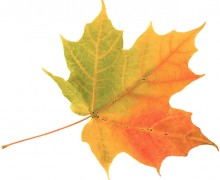
Another of nature’s colour spectacles occurs each autumn when deciduous tree leaves turn vivid shades of red, orange, yellow and brown before falling. 

Green chlorophyll is necessary for photosynthesis and dominates leaf colour during spring and summer. But as daylight hours shorten in autumn, chlorophyll production slows and green fades. This unmasks the other colour pigments present in leaves.

Carotenoids like carotene create yellow, orange and brown autumn tones. Anthocyanins produce bold red hues. Other pigments contribute golds and purples. These colours were present in the leaves all along, but chlorophyll overpowered them in the growing season.

Temperature, light, nutrients and plant genetics all influence the precise colours produced. Cooler nights combined with sunny days spur the brightest fall displays.

The vibrant show of autumn foliage allows trees to advertise that their nutrients have been safely withdrawn for winter.

Minerals Create Earth’s Palette

While plants and animals produce their own colours through pigments, the colours of rocks, sediments and minerals originate from elemental compounds.

Reds, oranges and yellows indicate the presence of iron oxides like hematite and limonite. Compounds containing copper create blue and green rocks like azurite and malachite. Vivid purple rocks get their colour from manganese. 

Black obsidian forms when lava cools rapidly with a high mineral content. Coal’s black colour comes from carbon. Sulphur compounds produce yellow sediments.

The striking banded patterns seen in rocks result from geological processes acting on minerals over time. Exposure to air, water and heat redistributes and concentrates colourful compounds. 

Earth’s mineral diversity provides nature with a vibrant palette for painting landscapes, canyons and coastlines. The interplay between geology, biology and ecology creates nature’s spectacular colour exhibition.

Colors are everywhere and besides being pleasing to look at most serve and important purpose. From fall leaves trapping the last sunlight to a caterpillar scaring off a bird, color is a crucial part of life.

5 Scientifically-Backed Ways Nature Affects Our Mental Health

Today’s work and family life pressure may have left you feeling exhausted and not in the mood for any activity aside from work, home, and back again. Especially if you’re into a work-from-home setup where your home is also your workplace, everything could become unbearable at some point. 

But most of the time, you don’t even know what’s ailing you. It might be nature’s call for you to come out of your busy zone and experience its relieving hand on you. You might say it’s just an old practice that’s handed down from generations, but it’s actually backed by of scientific studies.

So, gear up and see if these can be some of the resolutions to your personal debates.

How Can Nature Affect Your Mental Health

Natural Mood Booster

When you’re out in nature, you’re actually tapping into something that’s basic–a connection that boosts your mood. It’s a natural feeling you get when you spend time in green spaces; you tap into your biophilic connection, evoking feelings of calmness and happiness.

Accordingly, being in nature reduces your cortisol levels, the stress hormone, promoting relaxation. Nature also encourages mindfulness and physical activity, further enhancing your mood. These are some of the findings that point to many diverse ways in which nature can positively influence your mental health, providing evidence for its therapeutic benefits as a mood booster.

And when nature doesn’t seem like quite enough, it’s easy to find the right Texas therapist if you’re within the Lone Star State or another competent professional in your locality if you want a more personalized connection and support. Especially if you feel you need more than Mother Nature’s remedies at the moment. 

Enhances Cognitive Function

Nature is your most needed miracle worker when it comes to enhancing your cognitive function, especially if you have extreme depression or Major Depressive Disorder (MDD). Studies have found that taking a walk in the park or interacting with nature can improve your working memory, attention, and mood. 

Your natural environment can help provide an effective diversion from constant stimuli, allowing your brain to focus more effectively. In fact, exposure to nature has been linked to enhanced creativity, with studies showing that spending time outdoors can stimulate “bright” ideas and problem-solving skills. 

This means that immersing yourself in nature, in addition to the nutrient-dense diets that you need, can give you a cognitive boost, helping you think clearly and perform better mentally and feel better overall.

Effective Stress Reducer

If you’re too wound up to even talk, go outside and just lose yourself to the presence of plants and trees in your backyard. The flowers and potted plants in your rooftop garden may also have the same success if you need a breather at the office.

Studies reveal that even a 20-minute walk around some kind of nature can lower your stress hormone (cortisol) levels. This means that nature is your stress healer, reducing your stress or anxiety effectively, easing your tension, and promoting relaxation. 

Also, engaging in outdoor activities, like hiking, gardening, or just going off the grid and with nature, can provide you with a refreshing escape from daily pressures and reduce any ill feelings you may have.

Boosts Immune System

Exposing yourself to the wonders of nature, instead of being cooped up and moping at home, gives your immune system its needed boost. For instance, spending time in the wild, even a little forest or park nearby, exposes you to phytoncides, some of the natural compounds released by trees, which will help enhance your immune response.

Being outdoors is also said to increase vitamin D production in your body, which can be crucial in improving your immune functions and mood. These are just some of the benefits that highlight how nature supports your body’s defences and improves your well-being.

Promotes Physical Activity

Taking some time to go outdoors will prompt your body to engage in physical movement. This will not only benefit you physically but also improve your mental well-being. It’s like the satisfaction you feel after a hike. It doesn’t only strengthen your muscles but also causes your body to release endorphins – the happy hormones – making you feel lighter and happier.

Moreover, playing sports in parks and other public places will improve your social connections while boosting your energy levels. These examples illustrate how outdoor pursuits encourage movement that will benefit your physical and mental health.

Endnote

All in all, nature isn’t just a pretty backdrop but a powerful ally for your mental well-being. Whether it’s lifting your mood, reducing stress, sharpening your mind, or boosting your immune system, spending time outdoors offers a host of benefits. 

So, the next time you’re feeling overwhelmed or stressed out, consider taking a stroll in nature–it might just be what you really need to feel better.

Why Are Professional Athletes Retiring Later

Sport can easily be called the oldest form of human activity. People have been engaged in sports since ancient times and continue to do so to this day.

In 2024, sports became a global phenomenon. It’s no longer just a way to determine who is stronger, more agile, and quicker; now it’s also about politics and business. Additionally, it penetrates into new dimensions such as computer and virtual sports. Moreover, it is constantly used to fuel markets like gambling and even gambling csgo, which remains a fairly niche sphere.

However, despite all the variables that may or may not affect the sports industry now and in the future, there are things that remain unchanged. And these things are athletes. Athletes are the cornerstone of the sports industry. They popularize various sports, motivate new generations by their example, and serve as role models for millions of people around the world.

However, as is the case everywhere, athletes are not eternal, and sooner or later they have to say goodbye to their careers. Yet, more and more often, athletes of international level try to stay in the game longer, and this will be the subject of our article. Let’s consider why professional athletes retire later and what lies behind it.

The thirst for competition is the basis of a long-lasting career. 

The primary reason why professional athletes do not rush into retirement is their desire to compete. And it’s quite logical.

It’s hard to imagine leaving behind something you’ve been doing your whole life. It’s no secret that to compete at the highest level in any sport, whether it’s track and field or water polo, it takes years, even decades, to hone your skills. Having spent so much time in sports, it’s unlikely that you will easily give up an activity that has been an integral part of your life.

Moreover, if you are already a professional athlete, then most likely sports are your bread and butter. And that’s another reason why professional athletes retire later.

Salary, prestige, and multimillion-dollar contracts

If once sports began as a means of killing time and something unserious, something for entertainment, now the rules of the game have fundamentally changed. In 2024, big sports became big business. And this is reflected in the salaries and fortunes of the best athletes.

For winning a Grand Slam tournament, the winner receives $3,250,000 (not including sponsorship deals with brands like Rolex), footballers earn tens of millions per year, and golfers even more. Of course, all this affects the desire to stay “in the game” a little longer, sometimes disregarding sporting performance, guided solely by rational aspects such as salary. And there are plenty of examples of this approach.

Take football, probably the most popular sport in the world. Messi and Ronaldo, two of the best, if not the best, players of all time, are “not the same” for objective reasons: age takes its toll. However, this does not prevent legends from continuing their careers in America, as Messi did, or in Saudi Arabia, as Ronaldo did. Both leagues cannot boast prestigious status, but this does not prevent such “giants” of football from continuing to play and earn decent money.

And there are actually many more examples like this, which is logical. However, if you find it somehow unethical and mercenary, you can look at this practice from a different angle. Messi and Ronaldo, by their presence alone, popularize football in America and Saudi Arabia, which increases the interest of local youth in the game and contributes to its development. However, money is unlikely to be the central reason for delaying retirement. Rather, not only they.

Modern medicine – a way to prolong a career for a long time

Another equally important aspect alongside the desire to play and the financial side of big sports is modern medicine. More precisely, what it can offer now.

If fifty years ago a torn meniscus could end a career, now such an injury is treated, and moreover, one can recover and continue playing afterward. This applies to other serious injuries as well. New research about how the body heals, and improved technology to help speed up recovery helps even the “older” athletes to get back on the horse, when in the past a injury later in their career may have meant that it was over. 

In general, sports have always been a risky activity, often with a risk to life. With the development of medicine, injuries have become less prolonged and/or fatal than they used to be, but they are still no less dangerous. Innovations in the medical field do not reduce the chance of getting injured during a match or game. However, what does reduce it are innovative practices in training and the approach to athlete preparation. Sports scientists are continually carrying out research about how the body works and therefore adjusting training methodologies to improve athlete performance, and reduce risk of injury, and keep them in peak shape a lot longer than they used to. 

Innovative practices and approaches to training as a guarantee of a longer career

Evolving from a pastime to a huge market, alongside sports, the spheres around it have also evolved. Nowadays, we are talking about innovative practices in athlete preparation and coaching practices.

If once sports were practiced haphazardly, playing on the backyard with peers, like Pelé did, and still became legends, now the foundation for becoming a professional player is much more solid. Sports clubs, sports schools, academies, youth national teams and club academies – all of this contributes to the development of athletes and, as a result, prolongs their careers in the future due to a strong foundation.

Additionally, modern sports pay great attention to the mental health of athletes. Engaging in sports at the highest level, when tens of thousands of eyes are watching your every move, inevitably exposes you to immense stress. This can lead to premature career termination. Today, thanks to the work of staff psychologists and other specialists, the risk of career termination due to mental problems has significantly decreased.

Conclusions

With the development of technology, sports science, and the industry of big sports, professional athletes can end their careers later and then find themselves in related fields. The combination of financial benefits from playing at the highest level, passion for the game, modern medicine, ongoing research, and innovative practices and approaches in athlete training and preparation contribute to an increase in the average age of career termination.

The Rise of Citizen Science: Democratizing Research Through Online Education

With the internet’s boundless reach, anyone with curiosity and a web connection can now become part of the scientific community, conducting research as well as absorbing info to expand their understanding of a huge range of topics.

The idea is that online education platforms are democratizing what used to be a somewhat exclusive sphere, meaning that it’s not just for those with advanced degrees anymore. 

We’re seeing citizen science initiatives backed by prestigious institutions being rolled out to great success, eroding the accusations of elitism which used to dog them.

Flexible courses and widespread access are key in this context, as they equip volunteers with the necessary theoretical knowledge while removing traditional barriers like the need for lab access or relocation. 

Now that you’ve got a taste, here’s a closer look at what this democratization involves, and how it hints at an engaging future where science is done by the people, for the planet.

How the Educational Scaffold is Supporting Citizen Scientists

The burgeoning phenomenon of citizen science is grounded on two essential elements: access to scientific education and opportunities for real-life application. Online education provides the cornerstone, offering structured pathways for passionate individuals eager to contribute to meaningful scientific development. Here are its lynchpin features unpacked:

Accessibility and Flexibility

Online platforms break geographical barriers. Whether you’re in rural Montana or downtown Tokyo, you can access courses tailored to your interests and timeframes. This aspect of online education catalyzes widespread participation in citizen science projects.

Varied Educational Offerings

The scope of courses available range from introductory sessions on data analysis to comprehensive degrees in scientific disciplines, whether that’s an online biology associate’s degree from Georgia Military College, or specialized certifications in wildlife conservation from platforms like Coursera or edX.

Integration with Practical Projects

Many educational programs now tie directly into active research efforts. Students can often jump straight from their digital classrooms into collaborating on international projects that track migratory birds, monitor climate change indicators, or map stellar constellations. All this makes surviving a science degree more rewarding and worthwhile.

Many of the millions of citizen scientists across the country commenced their investigative journeys through casual learning experiences such as MOOCs (Massive Open Online Courses). This underscores the impact of accessible academia and also highlights how foundational knowledge equips volunteers for hands-on contribution.

Moreover, this movement is doubtlessly contributing to the strong standing the US has on the global stage when it comes to STEM education, research and breakthroughs. 

Over 437,000 people achieved bachelor’s degrees in this field in 2021 – and in the same year the amount of money being plowed into science-related R&D was $789 billion, an increase of $72 billion compared with the previous year. The fact that online education platforms and citizen science initiatives are fuelling this is a compelling one, and points to a bright future, while dismantling claims of naysayers who argue that interest in STEM is stagnating.

The Role of Institutional Support

The expansion of citizen science is not just a tale of individual endeavor but also a story of institutional support and collaboration. Universities, research centers, and government bodies are playing pivotal roles in nurturing the growth of citizen scientists by offering resources, mentorship, and platforms for data sharing. Here’s how this plays out:

Partnerships with Educational Institutions

Many universities are now partners in citizen science projects, providing academic credibility and structure. These partnerships often offer students the chance to work on real-world problems as part of their curriculum. 

For instance, Stanford has a variety of schemes including its Abuzz mosquito monitoring system, the Folding@Home distributed supercomputer project, and the Land Talk environmental history initiative.

Government Grants and Funding

To encourage scientific engagement at the grassroots level, numerous governmental agencies provide grants specifically aimed at supporting citizen science initiatives. This funding is crucial for the sustenance and expansion of these projects. 

From the US Geological Survey’s line-up to the project planning toolkit from Citizenscience.gov, there are a lot of ways for people to participate and even launch their own research initiatives.

Data Collection and Analysis Tools

Access to professional-grade tools for data collection and analysis is typically beyond the reach of the average hobbyist scientist. However, institutions frequently make these tools available through their programs, significantly enhancing the quality and scope of research possible by amateurs.

A good example is the partnership between NASA and GLOBE Observer – an initiative encouraging citizens to contribute environmental observations using their smartphones. Thanks to this, an improvement in data accuracy has been seen due to contributions from educated lay people participating through this program.

So as you can see, institutional support not only equips citizen scientists with necessary tools but also integrates their efforts into broader scientific goals – creating a collaborative ecosystem where both professional scientists and amateurs can thrive together.

Final Thoughts

There’s no ambiguity over whether the rise of citizen science is a good thing, as we’ve shown the various ways it can contribute to the betterment of individual participants and the entirety of society simultaneously. If you’ve been inspired to get stuck into the plethora of projects that are out there, or take a degree course online to take this to the next level, now is the time to act!