The Future of Biomedical Research: How Human Cells Drive Innovation in Health and Beauty
Modern biomedicine is experiencing a major transformation from general treatment methods to precision technologies. Researchers around the world are using human cells to build highly accurate models of diseases, which reduces the time it takes to develop drugs.
Such innovations are opening new horizons not only in pharmacology but also in the beauty and aesthetic medicine industry. Gradually, a deep knowledge of cellular mechanisms is building the basis for the development of safe therapeutic protocols.
Transition Toward Personalized Research Models
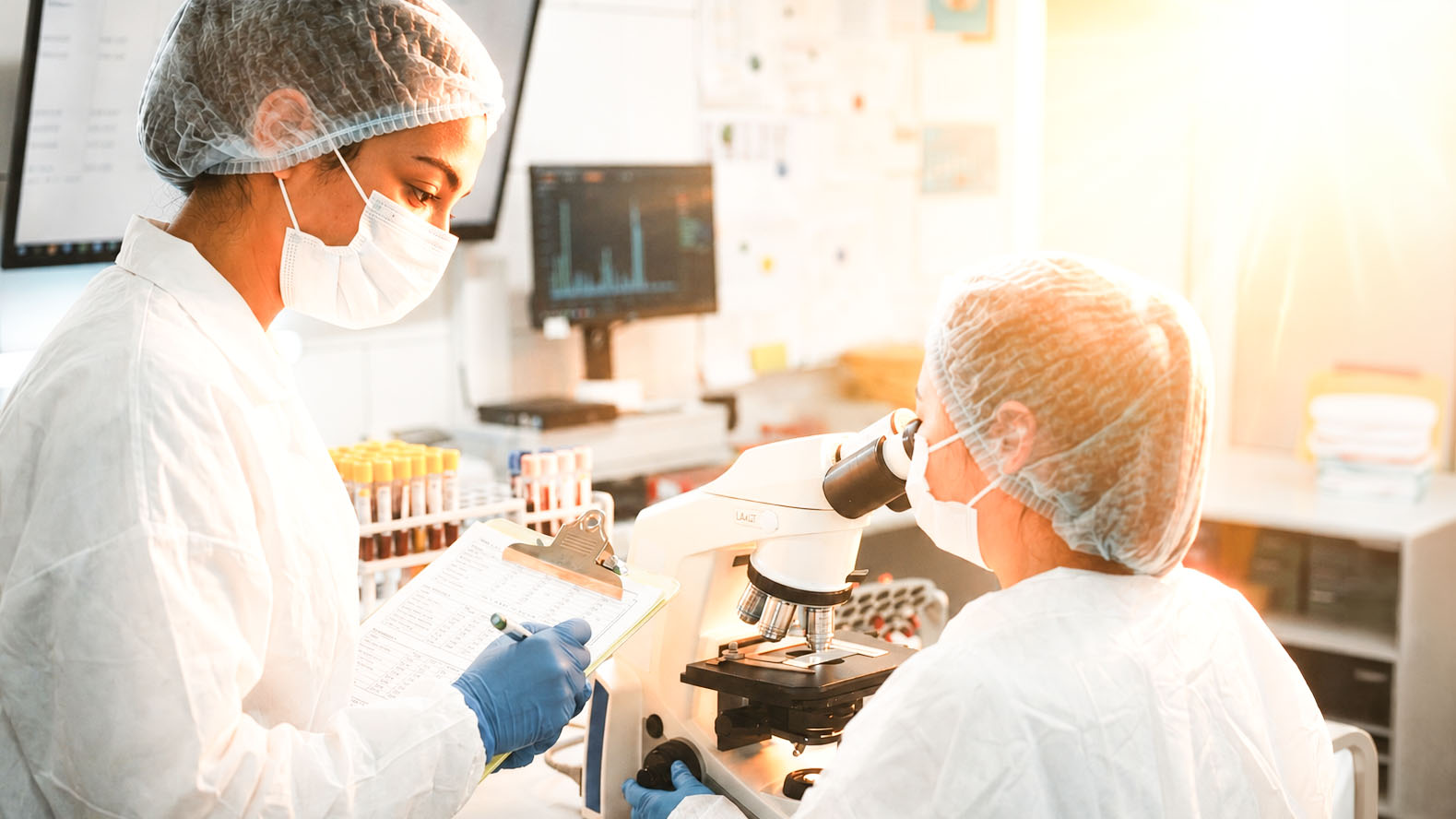
Traditional preclinical testing methods are being slowly replaced by more complex and biologically relevant systems. Preci’s cell-based platforms enable detailed pharmacology studies of new molecules at early stages. This is important for understanding how drug candidates behave in the human body.
Scientists use specialized equipment to achieve the most reliable results. Technological solutions help fully automate data collection and improve its overall validity.
Laboratories can now work with living systems in real time. Innovative research systems enable breakthroughs in several key areas:
- modeling complex oncological processes;
- analysis of autoimmune response mechanisms;
- study of cellular metabolic disorders;
- toxicity testing of new compounds;
- assessment of the biocompatibility of active ingredients;
- screening of candidate molecules for efficacy.
This approach improves the scientific accuracy of the data and minimizes risks when moving to clinical phases. The variety of available models allows the tools to be adapted to the needs of scientists in various fields — from fundamental biologists to applied pharmacologists.
Directly working with cellular material eliminates many interspecies discrepancies. Such platforms significantly reduce the cost of developing targeted drugs.
Innovations at the Crossroads of Medicine and Aesthetics
The influence of cellular technologies extends far beyond traditional disease therapy, affecting the Health and Beauty segment. Today, the development of anti-aging products and regenerative treatments is unthinkable without an in-depth analysis of cellular activity.
Brands strive to use only proven methods of tissue stimulation. Laboratory tests enable the precise determination of the therapeutic window for each component.
Cosmetics companies can now test products without using animals. Modern laboratories are implementing advanced standards for assessing the impact of external factors on tissue:
- monitoring dermal layer regeneration;
- determining oxidative stress levels;
- measuring collagen fiber synthesis;
- testing the hypoallergenicity of new formulations;
- visualizing cell division dynamics;
- analyzing UV protection.
These data become the foundation for creating products with measurable biological effects at the molecular level. Companies that invest in such research gain a significant competitive advantage. This is due to the proven safety and effectiveness of their solutions.
Advantages of Precision Laboratory Systems
For any researcher seeking global recognition for their discoveries, high data accuracy is a priority. These platforms deliver consistent results even under very challenging experimental conditions. This enables the scientific community to more quickly find answers to modern challenges, whether rare genetic defects or global epidemics.
Integrating innovative systems significantly reduces the human factor in experiments. The digitalization of biological processes paves the way for the use of artificial intelligence in cell culture analysis. Specialists now have tools previously available only in the world’s largest centers.
The future of biomedicine depends on advanced cell systems that improve prediction accuracy. Preci solutions enable efficient study of molecular activity, accelerating the path of innovation from the laboratory to the end-user. Investing in cutting-edge research models today is key to ensuring humanity’s well-being in the future.