The Science of Human Skin: How It Protects, Gets Damaged, and Heals
Skin does far more than cover the body. It forms a protective barrier between the body and the outside world, helping block harmful microbes, prevent excess water loss, regulate temperature, and sense touch, heat, and pressure. As the body’s largest organ, it works constantly to protect the tissues beneath it.
Despite its strength, skin is not invulnerable. Sun exposure, friction, cuts, burns, and prolonged pressure can all injure the surface and the layers below it. When that happens, the body responds quickly, sending immune cells, nutrients, and structural proteins to the affected area to begin repair.
Understanding how skin protects the body, how injuries develop, and how healing takes place offers a closer look at one of the body’s most active and essential systems. It also helps explain why some wounds heal with little trouble while others become far more serious.
The Skin as the Body’s Protective Barrier
Skin is made up of layers, each with its own job. The epidermis forms the outer surface and serves as the first line of defense against the environment. Beneath it sits the dermis, which contains connective tissue, blood vessels, and nerve endings that give skin its strength, flexibility, and sensitivity.
This layered structure helps the body stay balanced from day to day. Skin reduces water loss, responds to changes in temperature, and gathers sensory information that helps people react to the world around them. It is also constantly renewing itself, as new cells form in deeper layers and gradually rise to replace older cells shed from the surface.
That protective ability depends on both structure and function. When skin remains healthy and intact, it can handle a surprising amount of daily stress. A closer look at the layers of the skin shows how these parts work together to protect the body and support overall health.
What Happens When Skin Gets Damaged
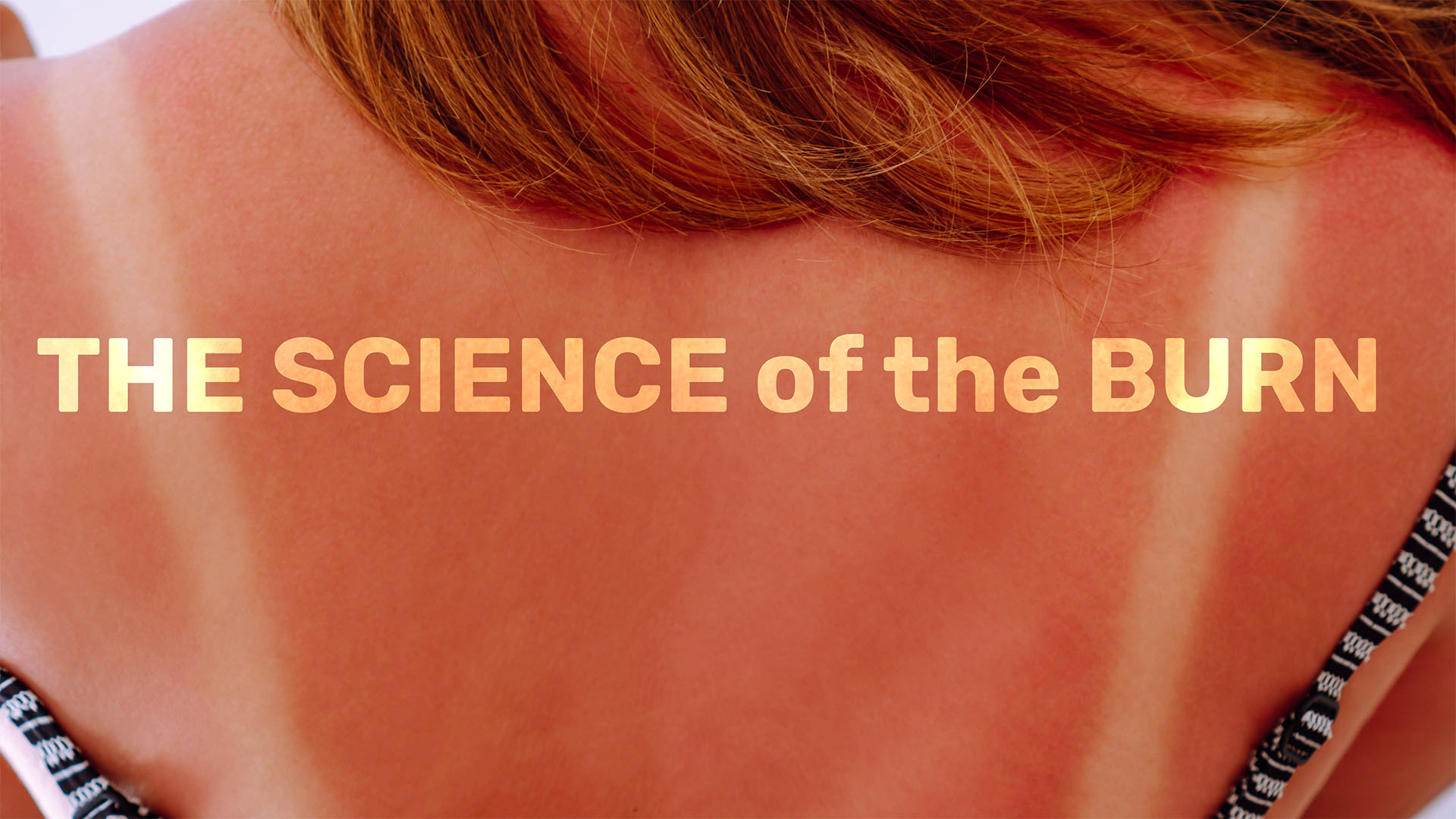
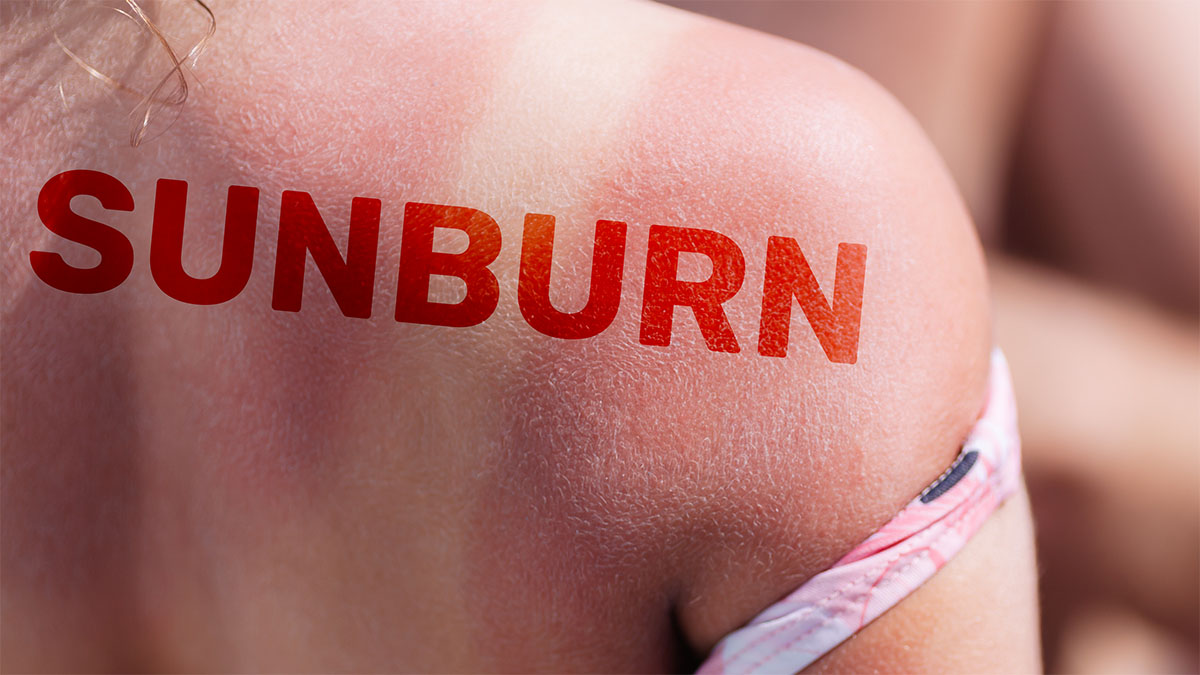
Skin is exposed to wear and tear every day, so damage can take many forms. Cuts, burns, friction, ultraviolet radiation, and conditions such as sunburn can weaken or break the epidermis. Once that barrier is disrupted, the underlying tissue becomes more vulnerable to infection, dehydration, and further injury.
At the cellular level, that damage affects keratinocytes, the main cells that make up the epidermis. When those cells are injured, the body reacts quickly. Blood vessels in nearby tissue widen, increasing blood flow to the area and bringing immune cells to the site. This early response helps clear debris, reduce the risk of infection, and prepare the tissue for healing.
Some injuries go deeper than the surface. When damage reaches the dermis, where blood vessels and connective tissue are located, healing becomes more complex. The severity of the injury depends on several factors, including the cause, the duration of the stress on the tissue, and the person’s overall health.
Minor injuries often heal without much difficulty. More serious damage can interfere with circulation and reduce oxygen delivery, making it harder for cells to survive and repair themselves. When that happens, the risk of deeper wounds rises.
Severe Skin Damage and Deep Tissue Injuries
Not all skin damage stays near the surface. When pressure or restricted circulation persists in one area for too long, the injury can spread into deeper tissues. Skin depends on a steady supply of oxygen and nutrients delivered through small blood vessels. If that supply is cut back for too long, cells begin to weaken and die.
That is why prolonged pressure can be so harmful. When part of the body stays in the same position for an extended period, body weight can compress tiny blood vessels in the skin and underlying tissue. As circulation drops, oxygen delivery drops with it. Over time, that lack of blood flow can lead to tissue breakdown that moves through multiple layers.
In severe cases of prolonged pressure, clinicians may observe stage 4 bed sore symptoms including deep tissue damage that extends into muscle or bone, reflecting advanced breakdown of the skin and the structures beneath it.
Injuries like these show just how important blood flow is to tissue survival. They also help explain why deep wounds become so difficult to treat once the damage extends below the skin’s surface.
How the Body Repairs Damaged Skin
When skin is injured, repair begins almost immediately. The body responds through a coordinated series of biological events, starting with inflammation. Blood vessels near the injury widen, immune cells move in, and the body begins clearing away damaged cells, debris, and harmful microbes.
The next stage focuses on rebuilding. Fibroblasts produce collagen, a protein that gives tissue structure and strength. At the same time, new blood vessels begin forming in the injured area, improving the delivery of oxygen and nutrients needed for repair. This stage helps replace damaged tissue and lays the foundation for recovery.
As healing continues, the skin reshapes and strengthens the repaired area. Collagen fibers become more organized, and the new tissue gradually blends with the surrounding skin. This process can continue for weeks or even months, depending on the extent of the injury.
Healing also depends on the rest of the body. Age, nutrition, circulation, and overall health all influence how well skin can repair itself. When those systems are functioning well, recovery is usually faster and more complete.
Why Understanding Skin Biology Matters
Skin is easy to take for granted because it is always there, quietly doing its job. Yet it plays a major role in protecting the body and supporting overall health. Studying how skin works gives scientists and health professionals a better understanding of how the body responds to stress, injury, and environmental exposure.
That research also helps explain why some wounds remain minor while others become more severe. By examining circulation, immune activity, and cell regeneration, scientists can better understand the conditions that support healing and the factors that slow it down.
The more we learn about skin, the more clearly we can see how closely it is connected to the rest of the body. Blood flow, immune defenses, and tissue repair all shape how well skin recovers after injury. Looking at those connections deepens our understanding of how the body maintains healthy tissue over time.
Human skin is much more than a surface covering. It is a living, responsive system that protects the body, helps maintain internal balance, and responds quickly to injury.
From the first moments of inflammation to the gradual rebuilding of tissue, healing depends on the coordinated work of cells, blood vessels, and structural proteins. Some injuries remain superficial, while others spread into deeper layers and become far more serious when circulation is disrupted.
Understanding how skin protects, gets damaged, and heals gives us a clearer picture of one of the body’s most important defense systems. It also reminds us how much is happening beneath the surface every day, even when we rarely stop to think about it.