What Can Ethnobotany Teach Us About Plant Heritage?
Plants have shaped human culture for thousands of years. People have relied on them for food, medicine, ritual, and art. Some of the most storied plants are called ethnobotanicals. Their histories stretch across continents and many centuries.
Modern readers can now find many of these plants online. Retailers like Amentara pair botanicals with educational notes. This guide explores their heritage with a curious, evidence-aware eye.
What Is Ethnobotany, and Why Does It Matter?
Ethnobotany studies how people and plants shape each other. It blends botany, anthropology, and history into one field. Researchers record how communities use plants for food, medicine, and ceremony. The study of ethnobotany took formal shape in the late 1800s.
This lens matters for a simple reason. Traditional knowledge often predates modern labs by centuries. It reflects real, lived human experience across generations. Honoring that record helps us study plants more fairly.
Early ethnobotanists traveled widely to record this wisdom. They interviewed healers, farmers, and elders in many regions. Their notebooks preserved uses that might otherwise have faded.
Scientists treat this heritage as a starting point, not a footnote. Careful study can test what tradition has long suggested.
Which Plants Carry the Deepest Heritage?
Several botanicals stand out for their long cultural records. Each one carries a distinct story worth knowing.
- Amanita muscaria: the red-and-white fly agaric of Siberian ritual.
- Blue lotus: a sacred flower painted across ancient Egyptian tombs.
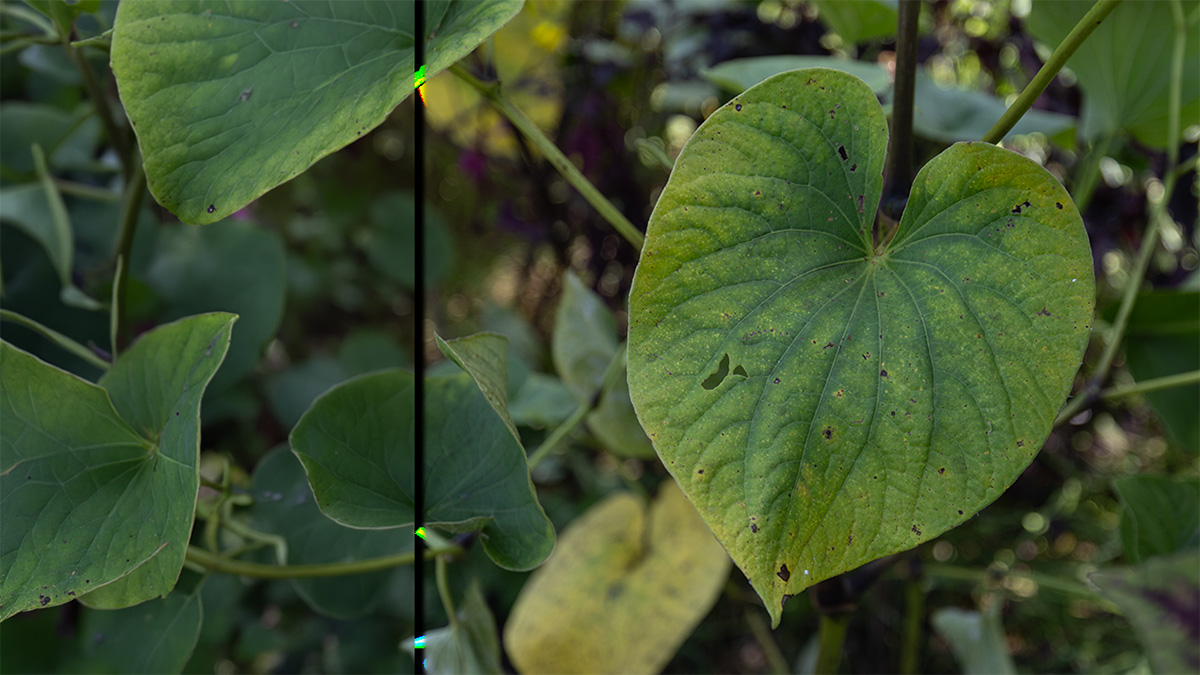
- Kanna: a succulent chewed by San communities in southern Africa.
- Kava: a Pacific root shared in ceremony for more than 1,000 years.
- Shilajit: a mineral-rich resin gathered in Himalayan folk tradition.
These 5 plants span 4 continents and many cultures. Their traditions grew independently, yet they share a common thread. Each reflects careful observation passed down over time.
How Did Ancient Cultures Use These Botanicals?
Heritage gives these plants their lasting meaning. The fly agaric holds one of the deepest records of any mushroom. Its genus, Amanita, includes more than 600 species. The famous red cap appears in folklore and children’s stories worldwide.
In Siberia, communities dried fly agaric caps for seasonal rituals. Shamans prepared them to mark healing and community gatherings. Some scholars even link the mushroom to older religious imagery.
Ancient Egyptians treasured the blue lotus as well. It appears in tomb paintings dating back more than 3,000 years. The flower symbolized rebirth and the rising sun for them.
Across the Pacific, Islanders built kava ceremonies around hospitality. Communities in Fiji, Samoa, and Tonga still honor guests with the drink. The root helps mark weddings, welcomes, and village councils.
In southern Africa, San hunters chewed kanna during long journeys. In the Himalayas, folk healers prized shilajit resin for generations. Village medicine across Europe also drew on prepared mushroom caps. Historical and religious art preserved many of these customs for us today.
What Does Science Say About Traditional Plant Knowledge?
Modern research on these botanicals is still growing. Much of it comes from small studies and case reports. Tradition and anecdote remain valuable context in the meantime. They reflect centuries of observation that deserve respect.
Labs today can measure compounds that healers only sensed. That pairing of old and new knowledge is exciting. Still, results should be read with a careful eye.
Readers should keep a few practical points in mind:
- Each plant has its own active compounds and effects.
- Fly agaric contains ibotenic acid, which converts to muscimol when caps dry.
- Muscimol acts on GABA-A receptors, so interactions with alcohol or sedatives are possible.
- Some published studies are industry-funded or reflect pay-for-play arrangements.
- Any botanical can cause unwanted side effects, especially if misused or improperly prepared.
Curiosity keeps this field alive on both sides. Scientists still study why some mushrooms glow, a reminder that fungi keep surprising us. Tradition and research work best as partners.
How Can Curious Readers Explore Ethnobotanicals Today?
Curiosity is a fine place to begin. Reading widely builds real, lasting understanding. Guides to native forest plants offer an easy first step into botany.
A few practical points help along the way. Keep any use strictly adults-only. Consult a qualified professional first, especially alongside any medication. Legality varies by location, so check your local rules before buying.
Good sellers now share sourcing, dosing, and preparation notes. That transparency reflects the care these traditions deserve. By 2026, curious readers have more reliable information than ever.
Museums, botanical gardens, and libraries add depth too. Many offer free exhibits on plants and the cultures behind them. Learning the history first makes any later choice more informed.
Heritage Worth Remembering
- Ethnobotany studies how cultures and plants shape one another.
- Amanita muscaria, blue lotus, kanna, kava, and shilajit carry deep heritage.
- Siberian ritual, Egyptian art, and Pacific ceremony preserved this knowledge.
- Research is still growing, and some studies are industry-funded.
- Any botanical can cause unwanted side effects if misused or improperly prepared.
- Adults-only use, professional advice, and local legality checks matter most.
Plants That Still Tell Stories
These botanicals carry stories that outlast any single generation. From Siberian caps to Egyptian flowers, their heritage runs deep. That history is part of what makes them so fascinating.
Curious adults can honor these traditions with care and respect. Ethnobotanicals reward readers who approach them with open, informed minds.
FAQ
What Does the Word Ethnobotanical Mean?
An ethnobotanical is a plant with a documented cultural use. Communities have used these plants for food, medicine, ritual, or art. The term links botany with human history and tradition.
Is Amanita muscaria the Same as a Magic Mushroom?
No, the two are different. Magic mushrooms contain psilocybin, while Amanita muscaria contains muscimol and ibotenic acid. They act on different systems in the brain.
How Old Are These Botanical Traditions?
Many stretch back thousands of years. Ancient Egyptians painted the blue lotus more than 3,000 years ago. Pacific kava customs and Siberian rituals are also very old.
Are Ethnobotanicals Legal to Buy?
Legality varies by location and by plant. Some are unregulated, while others face local rules or restrictions. Always check the laws where you live before buying or using them.