What Has the 2026 Dinosaur Documentary Taught Us About Paleontology?
‘The Dinosaurs’, a documentary directed by Steven Spielberg and narrated by Morgan Freeman, was released in March 2026, opening the gates for a whole new generation to learn about the amazing and complex world of dinosaurs.
The four-part Netflix series used CGI to explore the 165-million-year period during which dinosaurs roamed the Earth. This technology showed depictions of different classifications and adaptations of dinosaurs and how they behaved in their natural environment.
This gave the audience a better insight into the process of dinosaur evolution, from earlier species, such as Marasuchus, to non-avian dinosaurs that were around at the time of the meteor strike.
This documentary is just another piece in a list of hundreds of dinosaur media, further showcasing humans’ obsession with these reptiles.
So why are humans fascinated by dinosaurs, and what did this documentary teach us about palaeontology that wasn’t common knowledge before? Let’s break down the science.
Why Are Humans so Drawn to Dinosaurs?
Dinosaurs are featured in so much of the media we consume, from classic Hollywood blockbusters such as Jurassic Park to Buzz Bingo games such as Dino Drop. So why are we, as humans, so drawn to dinosaurs?
Well, many psychological and cognitive factors lead to this fascination. As creatures, many of them are incredibly big and fierce. The fact that they are also extinct means that they offer an exciting thrill while also being mysterious, as we will never encounter these creatures in real life.
Science tells us that these types of intense interests can impact our brain chemistry, which is perhaps why we keep seeking out depictions of dinosaurs.

The Evolution of Dinosaurs
From this latest documentary, viewers gained an in-depth understanding of dinosaur evolution and psychology. It updated previous understandings of what dinosaurs were perceived to have looked like, using modern paleontology research to detail their physical attributes and skin textures.
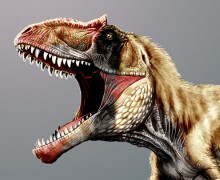
The type of new research the documentary highlights is the findings of many dinosaurs’ vibrant colors, reminiscent of birds. It depicts the modern scientific consensus of the appearance of feathered dinosaurs.
It also shows many more specific and less common species of dinosaurs that have not been depicted in a lot of dinosaur-related media before. This includes Hesperornis, which existed throughout the Campanian age and resembled a large sea bird, sometimes referred to as a “prehistoric penguin”.
The documentary also showed us how dinosaurs evolved from ‘ancient reptiles’ known as dinosauromorphs, which lived in South America approximately 250 million years ago. We can see the key physical changes from these early reptiles to what we would consider ‘dinosaurs’ with a shift from walking on four legs to an upright, vertical (bipedal) stance.
There was also a focus on the connection of dinosaurs to modern birds by showing the evolution of flying dinosaurs. By showing the full scale of the dinosaurs’ incomprehensibly huge history, this documentary gave the audience a better understanding of the science behind these complicated creatures.