When a Bird Photo Stops Being Evidence: How AI Editing Can Corrupt Citizen Science
There’s a debate to be had around the application of AI in all sorts of contexts, but whatever your stance, there’s no question that automated tools can take care of some seriously tedious tasks that were previously achievable only via manual means. Image editing is the perfect example of this, because for everything from basic exposure tweaks to full-on background removal, AI tools are so much quicker and easier than doing the work by hand.
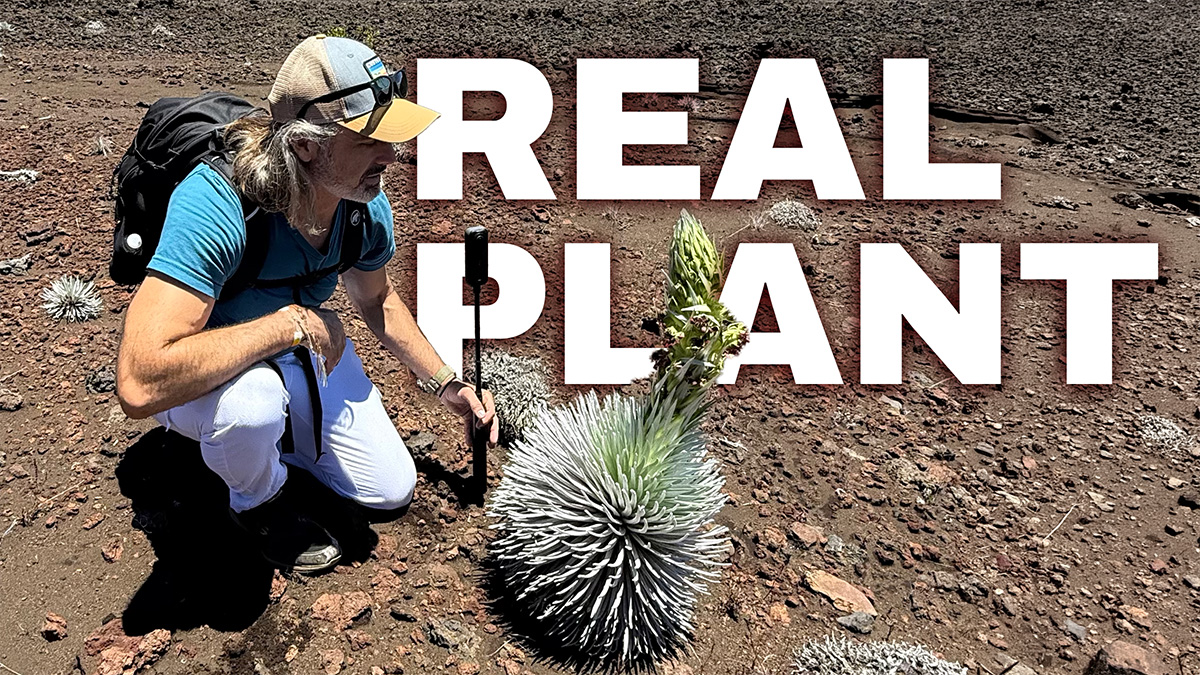
That’s fine for editing family photos and fashion shoots, where representing things as accurately as possible isn’t really the point. But for scientific purposes, AI solutions are far from ideal, whether your subject is a rare bird or a species of unusual flora. Here’s a look at the main points of friction, and why keen amateurs need to be cognizant of them before going all-in with automated image editing.
The Downside of Adding Information
Old-school approaches to image editing all involve adjusting the existing pixels captured by the camera, perhaps making them brighter or removing them to crop in on the subject in a way that makes it more visible to the casual observer. But crucially, all this tweaking of a standard wildlife photo wouldn’t add any new information to the original image.
Even if an AI tool appears to be doing the same work, its approach is completely different. It doesn’t adjust brightness or the white balance like a Photoshop slider, but instead reconstructs the picture and adds new information to it by pulling from a vast library of images on which its algorithms were trained.
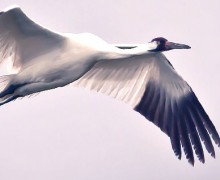
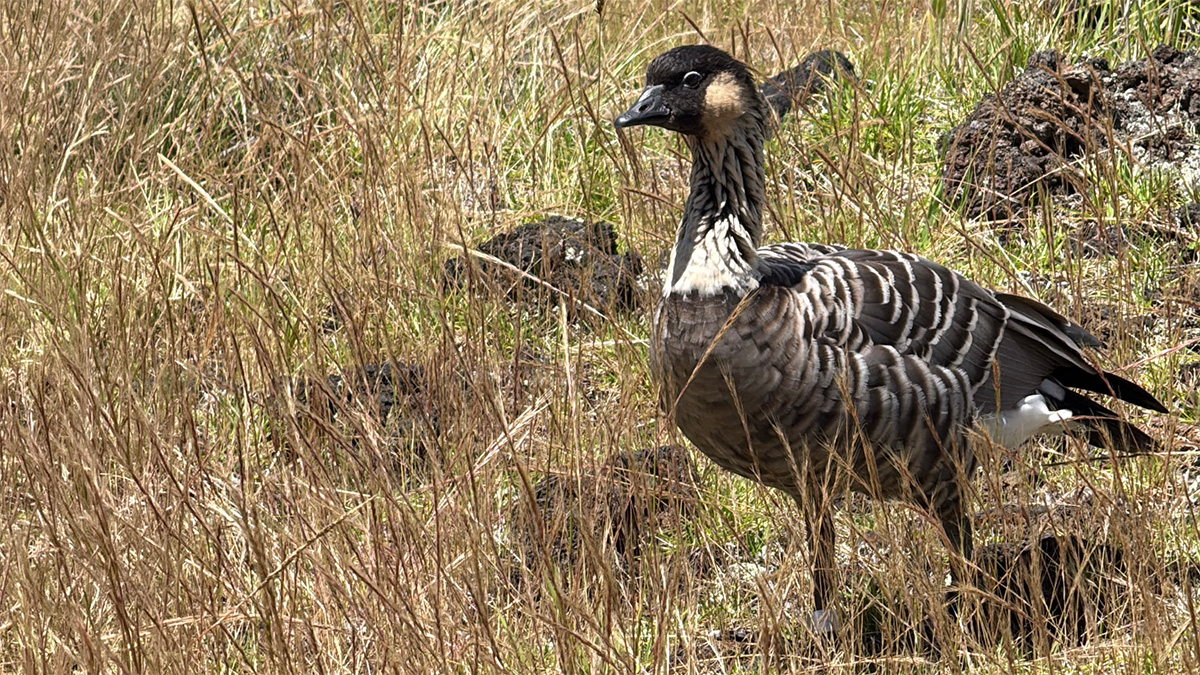
So, let’s say you’ve got a photo of a bird that’s a little out of focus. An AI editing tool can sharpen it up, but it will achieve this by predicting what the bird’s feather pattern should look like according to its training data. In other words, it will add in new information that simply wasn’t present in the original photo, and might not be accurate to life. Likewise, there’s the issue of algorithmic inpainting, where a tool automatically removes or alters elements in search of a ‘clean’ finish, which necessarily changes the context of your carefully captured sighting.
This element of randomness in image editing is a bit like switching a strategy-led game like chess for a live casino game like baccarat. One keeps all information front and center, while the other is entirely influenced by chance, making the outcome unpredictable.
The Likelihood of Hallucinations
Another key reason that AI editing has the potential to tarnish attempts at citizen science comes from the issue of hallucinations. Generative AI is prone to making things up as it goes along, and can be confidently wrong in a way that only an expert might notice. If you’re an amateur, you might easily not realize that an AI tool has made alterations to your photo that are entirely unrealistic, until it’s too late and you’ve already submitted it to a study or a magazine.
Worse still, if more people continue to use AI tools to edit images, the data on which the tools are trained will become overloaded with these generatively tweaked photos, and will only get worse at creating accurate results with time. So, your best bet is to learn the basics of traditional photo editing and leave AI tweaks for non-scientific snaps.