Why We Love Sports: The Neuroscience Behind Competition, Risk and Reward
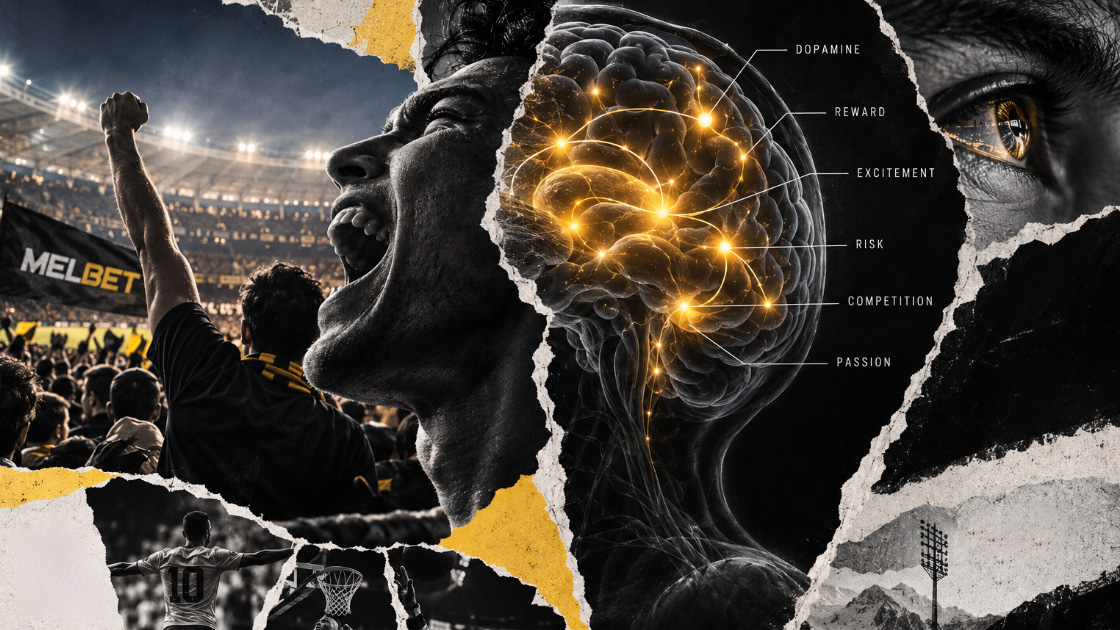
A 2025 brain-imaging study examined soccer supporters. Neural scans revealed heightened activity inside reward centers when a favorite club scored against rivals. Such biological responses clarify why distant viewers experience matches so deeply. Sport combines uncertainty, identity and fast feedback. The brain keeps updating what it expects to happen next. A close contest becomes hard to ignore.
The same attraction to uncertain outcomes appears in other forms of leisure, though the risks are different. Games of chance also create anticipation because the result stays unknown until it appears. Someone opening an online casino meets a faster cycle of prediction and outcome than a fan watching a full basketball game. Repeated uncertain rewards can keep attention engaged for longer than planned. A fixed time and spending limit gives that activity a clear end.
Dopamine Is About Learning, Not Just Pleasure
Dopamine is often called a “pleasure chemical,” but that description is too simple. Research links dopamine neurons closely with reward prediction error. The brain compares what it expected with what actually happened. A result that differs from the prediction creates a learning signal. Sport produces these updates repeatedly.
A favorite may fall behind, recover and then miss a final shot. Each change forces the viewer to revise the likely result. An upset creates a larger gap between expectation and reality than a routine win. That is one reason surprise carries so much emotional weight. The brain has to update its model quickly.
Uncertainty Keeps Attention Locked In
A contest needs an unresolved question. If the result feels certain too early, attention often drops. Close scores preserve tension and make the next possession meaningful. Low-scoring sports can stretch this effect because one event may change everything. Faster games create it through repeated swings.
The brain does not simply “like risk.” It responds to changing information about possible rewards and outcomes. A turnover, penalty or three-pointer immediately shifts the picture. Fans keep watching because their prediction is never fully settled. The next event may confirm it or overturn it.
Team Identity Makes the Result Personal
Fans often speak about a team as “we.” Group identity lets an external result connect with a person’s own social world. A win can strengthen belonging, while defeat can feel unpleasant. Rivalries intensify this because the opponent represents another group. Recent neuroimaging work has also found reward-related activity when supporters saw their team succeed against a rival.
That makes the score more than a number. A fan is not only judging athletic performance. The result can also confirm or threaten a social identity. This helps explain why strangers hug after a goal. They already feel part of the same side.
Betting Adds a Second Prediction Loop
Watching basketball already involves forecasting. Fans estimate who will win, whether a run will continue and which player may take the next shot. Betting adds a formal price to some of those predictions. Injuries, pace and recent form then become part of the decision. Live play can also create more opportunities for impulsive reactions.
A follower checking MPBL odds might compare moneylines, spreads or totals before a local matchup. The useful part is analysis done before emotion takes over. A close fourth quarter can make a poor choice feel urgent. Setting the stake in advance separates prediction from live adrenaline. Team loyalty should not decide how much money is risked.
Near Misses Feel Bigger Than They Are
A shot that hits the rim at the buzzer is not a win. Yet it can feel more intense than a possession that never had a chance. Near misses preserve the sense that the result was almost different. They also trigger counterfactual thinking. The mind starts replaying what could have happened.
Gambling research has found a similar effect. Near misses can increase motivation even though they remain losses. “Almost” feels important without predicting what happens next. Coming close does not make a later attempt more likely to succeed.
Social Rituals Add Another Reward
Watching alone can be exciting, but groups add another layer. People celebrate together and share the same tension. Chants and repeated routines create predictable behavior around an uncertain event. The match may be unstable, while the social setting stays familiar. That helps explain why fan traditions last.
Common rituals include:
- wearing the same shirt for big games;
- meeting the same group before tip-off;
- predicting the final score;
- using familiar chants or gestures;
- avoiding phones during decisive minutes;
- discussing key plays afterward.
These habits do not control the result. They give supporters a structure for experiencing it together. The social value can remain even after a loss.
Digital Platforms Speed Up Decisions
Modern sports media has shortened the distance between event and reaction. A fan can watch a play, check statistics and read comments within seconds. Betting products may update at the same time. More information now arrives faster than during a traditional television broadcast. Speed can be useful, but it can reduce reflection.
For adults using online betting Philippines, live markets can create a rapid series of choices while the match is still changing. A loss may feel like a problem that needs immediate correction. It does not. A preset budget and clear stopping point reduce the pressure to keep acting. Sometimes the best decision is to keep watching and do nothing.
Why We Return for the Next Game
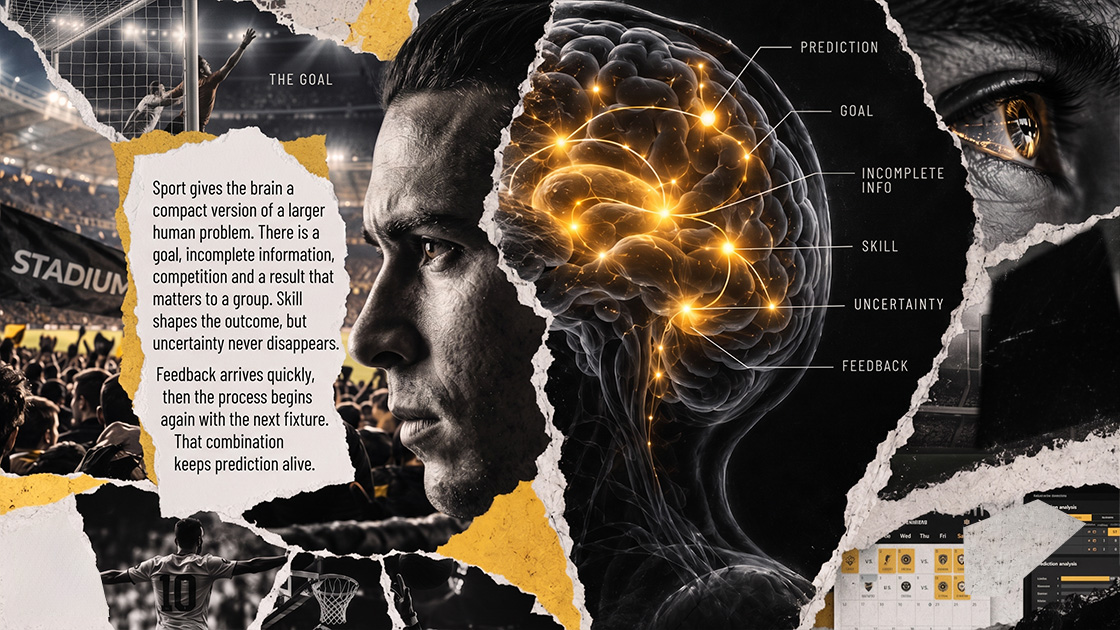
Sport gives the brain a compact version of a larger human problem. There is a goal, incomplete information, competition and a result that matters to a group. Skill shapes the outcome, but uncertainty never disappears. Feedback arrives quickly, then the process begins again with the next fixture. That combination keeps prediction alive.