Designing Tomorrow: The Art and Science of Sustainable Packaging

Are you skeptical about the possibility of creating sustainable packaging that balances both art and science? Well, get ready to be pleasantly surprised. In “Designing Tomorrow: The Art and Science of Sustainable Packaging,” we explore the innovative world of packaging design that not only looks visually appealing but also prioritizes environmental responsibility. 

This comprehensive guide uncovers the importance of sustainable packaging, delving into the use of innovative materials and design techniques. We also examine how packaging solutions can reduce waste and explore biodegradable alternatives. By meeting consumer demand for eco-friendly products, we are shaping a sustainable future for packaging design. Get ready to be inspired and amazed by the possibilities of sustainable packaging.

The Importance of Sustainable Packaging

You should understand the significance of using sustainable packaging in order to contribute to a more environmentally responsible future. Sustainable packaging refers to materials and design strategies that minimize the negative impact on the environment throughout the entire lifecycle of a product. By opting for sustainable packaging, you are actively participating in the reduction of waste, energy consumption, and pollution.

One of the key benefits of sustainable packaging is its positive effect on natural resources. Traditional packaging often relies on materials such as plastic and Styrofoam, which are derived from non-renewable resources and take hundreds of years to decompose. In contrast, sustainable packaging utilizes renewable resources like biodegradable materials, recycled paper, and plant-based plastics. Choosing these materials helps conserve natural resources and reduces the strain on the environment.

Furthermore, sustainable packaging contributes to the reduction of greenhouse gas emissions. The production and disposal of traditional packaging materials release significant amounts of carbon dioxide and other harmful gases into the atmosphere. Sustainable packaging, on the other hand, utilizes more energy-efficient manufacturing processes and materials that have a lower carbon footprint. By adopting sustainable packaging practices, you are actively working towards combating climate change and preserving the planet for future generations.

Innovative Materials and Design Techniques

To create sustainable packaging, start by exploring the use of innovative materials and design techniques. The traditional materials used in packaging, such as plastic and Styrofoam, have detrimental effects on the environment due to their non-biodegradable nature. However, there are now alternative materials available that are both eco-friendly and functional. For example, bioplastics made from renewable resources, such as cornstarch or sugarcane, are gaining popularity as they can decompose naturally, reducing waste and pollution. Similarly, innovative design techniques can also contribute to sustainable packaging. 

By optimizing the shape and size of packaging, companies can minimize material usage, reduce transportation costs, and lessen the environmental impact. Additionally, incorporating reusable features, such as resealable closures or detachable components, can prolong the lifespan of packaging and reduce the need for single-use alternatives. Furthermore, advancements in printing technology enable the use of water-based inks and low-VOC coatings, making packaging more eco-friendly. By embracing these innovative materials and design techniques, companies can create sustainable packaging that not only protects products but also contributes to the preservation of our planet.

Reducing Waste in Packaging Solutions

Incorporate efficient disposal methods to minimize waste in your packaging solutions. By implementing effective waste management strategies, you can significantly reduce the amount of packaging material that ends up in landfills. One way to achieve this is by using recyclable materials such as cardboard, paper, or biodegradable plastics. These materials can be easily processed and reused, reducing the overall environmental impact. Additionally, consider incorporating reusable packaging options, such as refillable containers or returnable crates, which can be used multiple times before disposal. This not only reduces waste but also provides a cost-effective solution for both businesses and consumers. 

Another method to minimize waste is by optimizing the size and shape of your packaging. By designing packaging that fits the product snugly, you can reduce the amount of excess material used, resulting in less waste. Furthermore, consider using minimalistic designs that require fewer materials and utilize space efficiently. Lastly, educate your customers about proper disposal methods and the importance of recycling. Encourage them to recycle packaging materials and provide clear instructions on how to do so. By taking these steps, you can play a significant role in reducing waste and creating a more sustainable future.

Exploring Biodegradable Alternatives

By utilizing biodegradable alternatives, you can further enhance the sustainability of your packaging solutions and contribute to a healthier environment. As the global movement towards sustainability gains momentum, it is crucial to explore options that minimize the impact of packaging waste on our planet. Biodegradable alternatives are materials that have the ability to break down and decompose naturally over time, without leaving harmful residues behind.

One popular biodegradable alternative is bioplastics, which are derived from renewable sources such as cornstarch or sugarcane. These materials have similar properties to traditional plastics but are capable of breaking down into organic matter through the action of microorganisms. Another option is compostable packaging, which is designed to decompose under specific conditions, such as those found in industrial composting facilities. This type of packaging can be made from a variety of materials, including plant fibers, paper, and biodegradable plastics.

Exploring biodegradable alternatives not only reduces the amount of packaging waste sent to landfills but also reduces the demand for fossil fuels and reduces greenhouse gas emissions associated with the production and disposal of traditional plastics. By choosing biodegradable alternatives, you can align your packaging solutions with sustainable practices, contributing to a healthier environment for future generations.

Meeting Consumer Demand for Eco-Friendly Products

You can cater to the growing demand for eco-friendly products by offering sustainable packaging solutions. As consumers become more aware of the environmental impact of their purchasing decisions, they are actively seeking products that align with their values. By providing eco-friendly packaging, you can attract these conscious consumers and differentiate yourself from competitors.

One way to meet this demand is by using recyclable materials for your packaging. Opt for materials such as paper, cardboard, or glass, which can be easily recycled and have a lower impact on the environment compared to plastic or Styrofoam. Additionally, you can consider using biodegradable or compostable packaging options, which break down naturally over time and reduce waste.

Another approach is to minimize the amount of responsible packaging used. Consumers appreciate products that are not excessively packaged, as it reduces waste and shows a commitment to sustainability. Consider using minimalist designs and lightweight materials to achieve this.

Furthermore, you can engage with your customers by providing clear information about the sustainability of your packaging. Use labels or symbols that indicate the recyclability or biodegradability of your packaging materials. This transparency helps consumers make informed choices and builds trust in your brand.

Shaping a Sustainable Future for Packaging Design

Creating innovative and sustainable packaging designs plays a crucial role in shaping a more environmentally conscious future. As a consumer, you have the power to make a difference by choosing products that prioritize sustainability. Packaging design plays a major role in reducing waste and minimizing the environmental impact of products. By opting for packaging made from renewable and recyclable materials, you contribute to the conservation of natural resources and the reduction of greenhouse gas emissions.

In recent years, there has been a growing demand for sustainable packaging solutions. Companies are recognizing the importance of incorporating eco-friendly designs into their products to meet consumer expectations. This shift towards sustainable packaging has led to the development of innovative solutions such as biodegradable materials, lightweight designs, and reusable packaging options. These advancements not only reduce waste but also promote a circular economy where materials are reused and repurposed, minimizing the need for new resources.

Furthermore, sustainable packaging design goes beyond material choices. It also considers factors such as product-to-package ratio, transportation efficiency, and end-of-life management. By optimizing these aspects, packaging designers can minimize the environmental footprint of products throughout their lifecycle.

How To Germinate Seeds? 5 Tips You Can Try

Ever wondered how nature’s tiny time capsules burst into vibrant life? If you are a green thumb too, for sure, you know that seeds hold the secret to a plant’s journey. That is what you call the process of germination. 

Ready to dig in and sow the seeds of knowledge? Read on to know more. 

What is Seed Germination?

The process of producing plants from seeds as opposed to purchasing pre-grown plants is known as seed germination or seed starting. It might also be referred to as the fundamental process affecting crop quality and production.

This process includes the seed’s embryonic shoot and roots emerging, absorbing water, and activating enzymes. A plant’s life cycle begins with this transformation, which turns it from a dormant condition into an organism. This is the time when the plant will actively grow and develop. 

Water, sunlight, temperature, and the right planting depth are some of the key elements that affect how well seeds germinate.

5 Tips in Seed Germination

Learn the seed’s structure

The first thing to do is to understand the seed’s structure as this is the most crucial factor in germination. 

Seeds play host to a trio of essential components: an outer protective coat, a burgeoning embryo, and a nutrient-packed endosperm. 

Picture this as nature’s blueprint where the outer coat acts as a guardian, shielding the precious embryo. On the other hand, the endosperm becomes the power-packed pantry, furnishing vital nutrients for the initial stages of growth. 

Understanding this seed symphony sets the stage for the magic of germination.

Water them properly and correctly

Water is necessary for the germination of seeds.

The exterior seed coat of seeds softens with the process of imbibition—the act of absorbing water. The seed’s enzymatic activity will be stimulated by this procedure. Its stored nutrients are broken down as a result of activation, giving the growing embryo the necessary building blocks. 

Water also causes hormonal changes, particularly in the creation of gibberellins, which are essential for cell elongation and the formation of the embryonic root. The radicle and shoot can break through the softening seed covering. As a result, the seedlings will be able to take root in the soil.

Essentially, water is essential in releasing the dormant potential in seeds to grow.

Always check the temperature

Temperature is also an important factor in regulating germination. 

Cannabis seeds, like other seeds, have a preferred temperature range. This is necessary for these seeds to activate enzymes efficiently. 

For instance, it is best to keep cannabis seeds at a temperature of between 70 and 90°F (21-32°C). This promotes, without stressing the plant, the enzymatic processes necessary for germination.

Balance the lightness and darkness

For seeds to initiate certain physiological reactions, they frequently need periods of both light and darkness that alternate. 

Photosynthesis and the energy-producing process require light. However, darkness plays an equally significant role in the control of hormones and several metabolic processes. This is why the interaction between light and darkness aids in the integration of the germination process.

For example, most cannabis seeds do best in a mixture of light and dark. It is usually advised to use a 16–8 light–dark cycle throughout the germination stage. This encourages healthy development by simulating the external environment that the plant would encounter naturally.

Planting them with a correct depth

For germination to occur successfully, planting at the appropriate depth is important.

Similar to many other seeds, cannabis seeds should be planted between 0.25 and 0.5 inches (0.6 and 1.3 cm) deep. 

The ideal circumstances for the seed to receive warmth and moisture are present at this depth, which speeds up the germination process.

Cannabis for example

While most seeds germinate easily, some might need a few more steps to provide satisfactory results. One of the most interesting to germinate is the cannabis seeds.

The seed’s outer shell splits as it takes in water, revealing a small, white taproot. In addition to anchoring the plant and looking for nutrients and water, its taproot tries to grow downward. Reaching for the light, the embryonic sprout pokes its head above the soil as the taproot grows.

If you want to try the process of seed germination, you can always look for cannabis for sale in the USA to kickstart it. 

Touching Mushrooms Won’t Give You Mushroom Poisoning

The world of fungi is a truly fascinating one and learning about identifying mushrooms can be a long road! There are many edible mushrooms and many very toxic ones, which makes it important to take a lot of time learning with books, guides, and most importantly local experts in your area before you start foraging for yourself. That being said, there are quite a few myths about mushrooms that just aren’t true. One of these prevalent myths is that touching toxic mushrooms could give you mushroom poisoning, and maybe even kill you! This is false, let’s see why! 

Mushroom Poisoning 

The North American Mycological Association recognizes various major types of mushroom poisoning. Here we will just mention a few, but you can check out their page for more!

Muscarine Poisoning

The mushrooms involved here are Inocybe sp., Clitocybe rivulosa and some related species, as well as a few red-pored Boletus sp.. 

What are the symptoms? Rapidly occurring symptoms involving the nervous system. From sweating, crying, salivating and vomiting and diarrhea. It also impacts blood pressure, pulse and breathing. Most people recover after 24 hours but breathing complications can cause death in extreme cases.

How does muscarine work? Muscarine found in mushrooms  is known as a muscarinic agonist, meaning it attaches to and affects muscarinic receptors, which have diverse functions in various different parts of the body. Some examples are eyes, blood vessels, heart, lungs, and smooth muscle. The overactivation of these sites is what leads to the symptoms mentioned above. Despite its dangers, muscarine is being explored for use in therapies for various diseases related to the nervous system, such as Parkinson’s. 

Amanitin (Amatoxins) Poisoning 

Some of the mushrooms containing amatoxins are: Amanita phalloides, A. ocreata, A. bisporigera, Pholiotina (Conocybe) filaris, Galerina marginata, G. castaneipes, Lepiotia castanea, L. helveola, L. subincarnata, L. brunneoincarnata, L. brunneolilacea, among others.

This is the most serious kind of mushroom poisoning, which is why the first group of Amanita species here are named “destroying angels.” Fatality rate runs between 10-50% and medical attention must be received extremely quickly. The most dangerous part of this poisoning is that often the symptoms are delayed from 6-24 hours, at which point the toxins have already done significant damage on the liver and kidneys of the person. Second, often the patient will appear to recover after around 2 days, but really they are days away from liver failure and potential death. The only treatment is to try to flush the toxins out of the body with intense IV treatment and other methods. 

How do amatoxins work? These cyclic polypeptides damage tissues by actually inhibiting RNA synthesis within each individual cell, causing them to slowly die off. 

Poisoning from Omphalotus Species

The North American mushrooms involved here are: Omphalotus illudens, O. subilludins, and O. olivascens which are commonly known as Jack O’ Lantern mushrooms

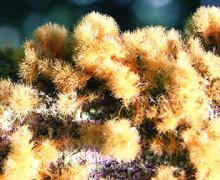
These are actually glowing mushrooms that often get mistaken for chanterelles because they are orange and have a similar shape. Symptoms from poisoning tend to happen 1-3 hours after eating the mushrooms and can involve nausea, vomiting, cramps, diarrhea, headache, fatigue, weakness, dizziness and sometimes sweating and salivation. Luckily, most people recover after 12 hours without medical intervention.  

The compounds illudin M and illudin S. are behind the poisoning. They work by alkylating  DNA and damaging genetic material, which can actually cause cell death. Though harmful if consumed, illudins derived from mushrooms are actually being explored as cancer treatment! 

These are just a few examples of some mushrooms and the type of poisoning they can cause in people after they have been eaten. The important part here is that all of these toxins have to enter your bloodstream through the stomach or through your intestines in order to have an effect on you. 

Why Mycotoxins Don’t Enter Through The Skin

Contrary to popular belief, you can safely touch toxic mushrooms because these compounds do not seep through the skin. Now, some people can develop a rash from an allergic reaction to a mushroom, but if you ever see claims that you can be poisoned or die from touching a mushroom, you now know that they are likely untrue!

For something to enter your bloodstream by touch alone you must remember that it has to pass through all 3 layers of skin! This is difficult for most compounds and that is why things, like medicines, that we do want absorbed into the body often have to have some additive. Skin patches for example that deliver prescription drugs or nicotine need chemical enhancers and permeators, or physical aids like micro-needles, or low electrical currents and mini ultrasonic waves to help push compounds through your skin into the bloodstream. 

Most toxins found in poisonous mushrooms are firstly too large to pass through the skin and are also in too low a dose to have any sort of effect even if they are able to do so. 

Conclusion 

Though there are a lot of beneficial medicinal mushrooms and delicious mushrooms that enhance our culinary experience, there are also toxic mushrooms that can poison people in many different ways. However, these toxic mushrooms have to be consumed by the person in order to enter the bloodstream. Touching toxic mushrooms will not harm you! So next time you’re out in the woods, don’t worry about touching new mushrooms, just do not eat them if you aren’t sure!

Why Is the Casino Motif so Prevalent in the Filmmaking Industry

The fascination with gambling is arguably as old as humanity itself. That’s why it’s no wonder that gambling has always been a popular theme in cinema. From the glitz and glamour of Las Vegas to the gritty underground poker games, casinos have provided filmmakers with a rich backdrop for storytelling. With a plethora of movies filled with a variety of games, many of which can easily be found on platforms like betway app, it’s no secret that the popularity of this cinematic motif will only continue to gain traction.

But why is the casino motif so prevalent in the filmmaking industry? Let’s explore some of the reasons behind the enduring fascination with gambling in cinema and the symbolism casinos hold in the world of filmmaking.

The Fascination with Gambling in Cinema

There is something inherently captivating about the world of gambling. The high stakes, the thrill of the unknown, and the potential for both triumph and tragedy make for compelling storytelling. Filmmakers have long recognized the allure of gambling and have cleverly used it as a vehicle to explore themes of risk, luck and human nature.

From classic films like “Casablanca” and “The Sting” to modern blockbusters like “Ocean’s Eleven” and “Casino Royale,” gambling has provided filmmakers with a rich tapestry of characters and narratives. Whether it’s a down-on-their-luck gambler trying to make a big score or a cunning card shark outsmarting their opponents, the world of gambling offers endless possibilities for both drama and intrigue.

The Symbolism of Casinos in Filmmaking

In a nutshell, casinos are more than just perfect settings for gambling; they are also powerful symbols in the filmmaking world. The opulence and excess often associated with casinos can represent themes of wealth, power and corruption, among other things. The allure of the casino can be a metaphor for the seductive nature of temptation and the dangers of unchecked ambition.

Additionally, casinos can serve as a microcosm of society, reflecting the inequalities and power dynamics that exist in the real world. The contrast between the glamorous high-rollers and the desperate gamblers can highlight the disparities between the haves and the have-nots. By using casinos as a backdrop, filmmakers can explore larger social and political themes, providing their audiences with a well wrapped food for thought.

The Influence of Casinos on Film Production

The prevalence of the casino motif in the filmmaking industry has also had a tangible impact on film production. The somewhat mystic allure of casinos and the potential for box office success have led to an abundance of casino-themed films being produced over the years. This demand has created a niche market for filmmakers and has influenced the types of stories that are being told.

Furthermore, the popularity of casino-themed films has also influenced the marketing and distribution strategies of studios. Casino motifs are often used in promotional materials to attract audiences who are drawn to the excitement and glamour associated with gambling. This marketing approach has proven to be successful, as casino-themed films continue to attract a wide range of viewers.

The Intrigue of Casinos Depicted in Cinema

Ultimately, the enduring fascination with the casino motif in the filmmaking industry can be attributed to the intrigue and excitement that casinos evoke. The world of gambling is filled with uncertainty and possibility, making it a perfect canvas for filmmakers to explore complex characters and compelling narratives.

Whether it’s the allure of the high-stakes poker game or the glitz and glamour of the roulette table, casinos provide filmmakers with a rich tapestry of stories to tell. The casino motif has become a staple in the filmmaking industry, captivating audiences and providing filmmakers with endless opportunities for creativity and storytelling.

Powering Up in the Desert: The Rise of Electric Vehicles Among Dubai’s Youth

The market for electric vehicles continues to grow amid a global shift towards energy conservation, and EVs are especially popular among Generation Z. According to research from Markets and Markets, the value of the global EV market is expected to hit nearly $952 billion by 2030, from an estimated $388 billion in 2023, growing at a compound annual rate of 13.7 percent. 

The youth of one of the most progressive cities in the world, Dubai, are showing a growing interest in purchasing electric vehicles, and this trend is predicted to surpass the European one, as shown by the new study. A Bloomberg Intelligence study found that about one in five young residents of UAE or 19% plan to buy an electric car in the next 12 months, compared with 16% in Europe. After all, car repair services and infrastructure are so developed today. Let’s look into other key factors explaining why EVs are so popular among modern youth today and what their prospects in the future are.

Why Are Generation Z and Millennials Choosing Electric Vehicles?

Electric cars are cutting-edge and innovative, which naturally appeals to the younger generation and those working in service centers. Plus, Gen Z is the first group of digital natives, which makes the appeal of these cars even stronger. Beyond the cool technological features, the environmental and economic benefits of owning an electric vehicle are resonating with younger customers. Below are the main factors that make EVs much more attractive than ICE cars.

#1 — Climate Impact

Younger generations are increasingly concerned with social justice and are willing to pay more for things that reflect their values. They are aware of the serious consequences of climate change and prioritize avoiding gas-powered automobiles in order to limit their carbon footprint. According to Deloitte research, six out of ten millennials and Gen Zers are willing to pay extra for environmentally friendly goods and services; they also treat timely car repair as a guarantee of their safety.

One of the most effective ways individuals can take to mitigate climate change is to switch to an electric vehicle and check it regularly at a car workshop. By switching from gas to electric vehicles, local residents will be able to lower total UAE carbon emissions by more than 22%. Reduced climate effect by 22% is a price worth paying for a sustainable Earth for Generation Z and millennials.

#2 — Reduced Operating Costs

Although electric vehicles may be priced higher than gas-powered vehicles at the time of purchase, progressive youngsters are attracted to the long-term financial benefits of owning an electric vehicle and maintaining its good condition at a car repairing service. By switching from an internal combustion engine to an electric vehicle, the average EV owner can save up to 3,000 dirhams a year on gas, oil changes, and other supplies.

#3 — Significant Incentives

In Dubai and the United Arab Emirates (UAE), the government is making it really attractive for people to drive electric cars, guarding the wheels of the future. They’re giving out some cool perks like lower registration fees, free parking, a toll-free gate pass, and even free charging at public charging stations run by the Dubai Electricity and Water Authority (DEWA). If you own an electric vehicle licensed in Dubai, you won’t have to pay for public parking for two years starting from July 1, 2020. And if you’re part of the DEWA EV Green Charger Initiative, you get to charge your electric vehicle for free.

Final Words

The transition from ICEs to EVs is rapidly accelerating due to growing demand, especially among younger people. Experts predict that the growth of electric vehicles will continue exponentially in the coming years, so the number of car electrical repair services will increase as well. As with the advent of smartphones, they were initially expensive compared to feature phones, but then, once demand and adoption reached a certain point, mass production and competition allowed prices to fall, making them ubiquitous. This scenario is expected to be realized for electric vehicles. So it’s likely that electric cars will become more affordable, and their batteries will have more charge and charge faster, making them as commonplace as smartphones are today. After all, you can always order a car electrical repair to keep it in good condition.

How Sports Science is Used in Football

Ever wondered what goes on behind the scenes to turn your favourite players into athletic maestros and ensure they’re at the peak of their game? Well, it’s time to dive into the fascinating realm of sports science in football. 

From injury prevention to performance optimization, sports science is the wizardry that works its magic on the pitch, and we’re about to spill the beans on how it’s transforming the beautiful game.

Injury Prevention

Let’s kick things off with the unsung hero of sports science – injury prevention. Nobody wants to see their star player on the sidelines nursing a hamstring tweak or a twisted ankle. Sports scientists are like the guardians of player health, using a mix of cutting-edge technology and old-school wisdom to keep the squad fit and fighting.

From analysing players’ movement patterns to assessing their biomechanics, sports scientists identify potential red flags that could lead to injuries. They design personalised training programs that not only enhance performance but also address specific vulnerabilities. It’s like having a personalised health plan, but for football superstars.

Performance Analysis

Remember those jaw-dropping moments when a player scores a seemingly impossible goal or executes a perfect pass? Well, sports science plays a pivotal role in decoding the science behind those moments of brilliance. Performance analysis involves breaking down every kick, sprint, and tackle to understand the nuances that make the difference between a good player and a legendary one.

With the help of video analysis, GPS trackers, and wearable technology, sports scientists gather a treasure trove of data. They scrutinise players’ movements, study their decision-making patterns, and analyse their physical exertion levels. Coaches then use this information to tailor training sessions, refine tactics, help sports betting bookmakers, and even scout opponents. It’s like having a playbook based on a deep dive into the DNA of each match. 

Nutrition

Footballers are the thoroughbreds of the sports world, and like any high-performance machine, they need the right fuel to function at their best. Enter sports nutritionists, a crucial component of the sports science dream team. These experts ensure that players are not just eating, but eating strategically to support their energy levels, muscle recovery, and overall well-being.

From personalised diet plans to post-match recovery shakes, sports nutritionists work hand in hand with players to optimise their nutritional intake. It’s not just about avoiding the post-match pizza binge (although that’s part of it); it’s about delivering the precise nutrients needed for peak performance. After all, you can’t expect a Ferrari to run on vegetable oil.

Rehabilitation

Injuries are an unfortunate reality in football, but sports science is there to guide players through the recovery process. Rehabilitation specialists work tirelessly to get injured players back on their feet and ready for action. It’s like a superhero comeback story, but with a bit more physiotherapy.

Using a combination of physiotherapy, strength training, and sports medicine, rehabilitation programs are tailored to each player’s injury and recovery timeline. Sports scientists monitor every step of the journey, ensuring that players regain their fitness levels without risking re-injury. It’s a dance between patience and precision, and when the player steps back onto the pitch, it’s a victory for both science and spirit.

Conclusion

So, there you have it – a sneak peek into the magic behind the game, courtesy of sports science. From injury prevention to performance analysis, nutrition, and rehabilitation, sports scientists are the unsung heroes ensuring that every kick, pass, and goal is a masterpiece on the canvas of the football pitch.

Next time you witness a gravity-defying save or a perfectly executed free-kick, remember that behind that moment of brilliance is a team of sports scientists working tirelessly to elevate the beautiful game to new heights. It’s a symphony of science and sweat, and as football fanatics, we get to witness the magic unfold with every match. Cheers to the sports scientists – the wizards making football even more beautiful.

CapCut Online for Event Photography: Enhancing Captured Moments

CapCut Online for Event Photography: Enhancing Captured Moments

Introduction

Capturing the essence of special events through photography has always been a cherished practice. In today’s digital age, with the advent of sophisticated editing tools, the art of event photography has transcended traditional boundaries. 

CapCut creative suite, an innovative online editing toolkit, has emerged as a powerful tool, enabling event photographers to elevate their craft and enhance the captured moments. This article explores the diverse applications of CapCut in event photography, shedding light on its benefits and usability across various events, including its capability for speech to text, which expands its functionalities in capturing and preserving spoken moments during events.

Weddings: Preserving Precious Memories

Weddings are a tapestry of emotions, where every moment is cherished for a lifetime. CapCut becomes an ally to event photographers in capturing and refining these invaluable moments. Its arsenal of tools allows for the meticulous adjustment of lighting, color grading, and fine-tuning of details, ensuring that the essence of these cherished memories is vividly preserved. Moreover, the toolkit’s portrait retouching capabilities provide a delicate touch, enhancing the beauty and emotions captured in each frame. From romantic sunsets to heartfelt exchanges, CapCut adds an ethereal quality to wedding albums, elevating them beyond mere photographs to treasured heirlooms.

Additionally, the toolkit’s versatility in creating captivating slideshows or dynamic photo collages provides a unique storytelling dimension to wedding albums. Seamlessly blending music, transitions, and visual effects, CapCut transforms these collections of images into immersive narratives that authentically portray the love and emotions shared during this special celebration.

Corporate Events: Professionalism and Refinement

Corporate events demand a visual representation that aligns with the professionalism and brand identity of the organization. CapCut caters to this need by offering sophisticated editing tools that refine and elevate images captured during such events. From precise cropping and alignment adjustments to the addition of corporate branding elements, the toolkit ensures a visually cohesive and professional output. Moreover, the option to subtly enhance visual elements, such as emphasizing product launches or highlighting keynote speakers, adds depth and impact to corporate event photography.

Furthermore, CapCut’s ability to create sleek and polished visuals enhances the overall presentation of corporate event documentation. By refining images to mirror the professionalism and attention to detail inherent in such gatherings, the toolkit contributes significantly to creating a lasting impression in corporate circles.

Concerts and Music Events: Capturing the Energy

Concerts and music events are pulsating experiences teeming with energy and vibrancy. Capturing these moments demands a tool that can preserve the essence of live performances. CapCut’s creative suite of editing features caters precisely to this requirement. With the ability to adjust contrast, refine details, and fine-tune color balance, the toolkit empowers photographers to encapsulate the electrifying atmosphere of music events. By enhancing the vividness of stage lighting or spotlighting the emotions etched on performers’ faces, CapCut contributes to creating visually captivating images that resonate with the audience’s experience.

Additionally, the toolkit’s capacity to overlay graphics or create dynamic visual effects amplifies the storytelling aspect of concert photography. Through compelling collages or graphic overlays, CapCut allows photographers to craft narratives that not only capture the energy but also convey the passion and fervor of these captivating performances.

Festivals and Cultural Events: Amplifying Cultural Essence

Festivals and cultural events are vibrant celebrations steeped in tradition and heritage. Capturing the essence of these events requires a tool that can amplify the cultural richness and diversity. CapCut’s editing prowess becomes instrumental in this regard. Its versatile toolkit enables photographers to accentuate the vibrant colors, intricate details, and emotional resonance present in cultural festivities. By adjusting hues to bring out the richness of traditional attire or highlighting the joyous expressions of participants, CapCut elevates the visual narrative, offering a deeper appreciation of diverse cultural experiences.

Moreover, the toolkit’s capacity to create immersive visual storytelling through innovative techniques like time-lapse editing or montage sequences enhances the portrayal of cultural events. CapCut empowers photographers to craft narratives that transcend mere documentation, capturing the essence and spirit of cultural celebrations, and fostering understanding and appreciation across boundaries.

Sports Events: Capturing Action and Drama

Sports events are adrenaline-fueled spectacles, brimming with action and emotions. The challenge lies in freezing these thrilling moments in a way that encapsulates the essence of the game. CapCut steps up to this challenge by providing a suite of tools tailored for sports photography. Its features, such as adjusting motion blur, enhancing focus, and highlighting key moments, enable photographers to transcribe video to text, freezing the dynamism of sports events with unparalleled precision. From the tension in a penalty kick to the exuberance of a winning goal, CapCut’s enhancements immortalize the drama and excitement of sporting spectacles.

Additionally, the toolkit’s ability to craft engaging photo sequences or dynamic montages adds a narrative layer to sports event photography. By stringing together impactful moments, CapCut transforms static images into compelling visual stories, enabling viewers to relive the intensity and passion of these sporting triumphs.


Conclusion

In the vibrant tapestry of event photography, CapCut emerges as a versatile and indispensable companion. Its diverse array of editing features caters to an extensive spectrum of events, ranging from weddings and corporate gatherings to concerts, festivals, and sports spectacles. By offering a seamless toolkit for refining and enhancing captured moments, CapCut empowers photographers to elevate their craft, delivering compelling visual narratives that immortalize the essence of each event. As technology continues to evolve, CapCut remains at the forefront, bridging the gap between creativity and the art of event photography. Enriching and preserving precious moments for generations to come, CapCut stands as a testament to the boundless possibilities of capturing and enhancing the beauty of life’s fleeting yet unforgettable moments.

How to Create Images to Illustrate Your Science Presentation: 5 Different Options

Embarking on the creation of a science presentation is like assembling a galaxy in a bottle—you need to capture vast amounts of information and display it in an engaging, digestible way. Images are your brightest stars here, illuminating complex ideas with clarity and precision.

In wading through the digital sea of imagery options, one must navigate with purpose. There are few beacons that can light the way—each offering its own blend of artistry and elucidation. Let’s explore these creative avenues that can make your science story not just understood, but truly seen.

Create Your Own AI Images

The joy of using custom AI images crafted by algorithms is that they can be tailored to the unique landscape of your ideas. It’s akin to a personal artistic collaboration with a digital Picasso, where you provide the inspiration and the machine delivers a visual feast.

The magic begins with simple text prompts; imagine whispering secrets into the virtual ether and watching as an array of bespoke graphics materializes before your very eyes.

This isn’t just about splashy visuals, it’s about precision—a laser-focused reflection of your scientific narrative brought to life in vivid, high-resolution clarity. Engage with this innovative medium and watch as your presentation leaps from the realms of informative to mesmerizing.

Harness the Power of Data Visualization

Let’s pivot now to the art of data visualization—the storytelling prowess of charts, graphs, and infographics conveys numbers and statistics. Imagine strolling down a bustling city street; every sign, signal, and billboard is vying for your attention. Your data visualizations should be that compelling shop front that catches the eye.

Within these visuals lies an opportunity to transform abstract figures into revelatory insights as tangible as coins in hand. The intricate dance of lines and bars in a graph translates complex data relationships into harmonious rhythms anyone can follow.

Infographics act like visual essays, breaking down sophisticated concepts into bite-sized narrative chunks that even passersby would pause to ponder over. Occupy this space wisely and your message will not just resonate—it will echo long after the lights dim on your presentation.

Photography: The Window to Real-World Science

Step away from the abstract and let photography throw open the shutters to reality. Photos serve as windows, offering clear glances into actual scientific phenomena—no imagination necessary. Like finding a familiar face in a crowd, these real-world snapshots can anchor your audience’s understanding with something tangible, so long as you use the right equipment.

Whether it’s the electrifying dance of auroras or the intricate weavings of neural networks, photographs lend authenticity to your narrative that illustrations might not capture. Use them judiciously; they’re the documentarians in your visual storytelling arsenal. By stitching together this tapestry of genuine moments, you create a backdrop where concepts aren’t just explained but felt and experienced.

Sketching It Out: The Human Touch

Now, imagine rolling up your sleeves and drawing your visions directly onto the canvas of your presentation. Sketches and hand-drawn illustrations provide a raw, organic touch that digital images often can’t mimic. This is finger painting for the scientific mind—a chance to connect deeply with your audience through the universal language of doodling.

Think of these sketches as the personal handwriting on a mailed letter; there’s an intimacy in their imperfection and humanity that resonates differently than typeface. When you sketch, you distill complexities into their essence, like turning a bustling carnival into a quiet conversation.

Integrate this human element, and watch how it breathes life into even the most molecular of subjects. Your audience won’t just see what you’re teaching; they’ll feel like they’re part of the creation process themselves.

Animated Insights: A Journey Through Time

Now, let’s dive into the dynamic world of animation—the realm where static images are infused with the pulse of life. Think of an animation as a time machine; it can condense eons into seconds, allowing your audience to witness evolution unfold or galaxies collide before their next breath.

Animations in presentations act like silent film stars, gesturing and emoting to convey your message without uttering a single word. They take viewers on a narrative journey, from hypothesis to conclusion, in a format that’s especially handy for depicting processes and changes over time.

Wrapping Up

This has simply been a swift intro to your options when it comes to illustrating your science presentation – it’s up to you to pick a route that suits your skill set and your needs, and follow it through to fruition.

An Inside Look at How IV Therapy Works

In the realm of medical treatments, Intravenous (IV) therapy stands as a cornerstone for delivering fluids, medications, and nutrients directly into the bloodstream. This insightful exploration unveils the intricate workings of IV therapy, shedding light on the process that has become integral to medical interventions and wellness practices alike. From the fundamental principles to the practical applications, join us for an inside look at how IV therapy works, demystifying the mechanisms that contribute to its efficacy in diverse healthcare scenarios.

Understanding the Basics of IV Therapy

At its essence, IV therapy involves the administration of fluids and other substances through a needle directly into a patient’s vein. As professionals for IV therapy in Albuquerque say, this method ensures a rapid and efficient delivery of essential elements, bypassing the digestive system and allowing for immediate absorption into the bloodstream. The intravenous route offers a direct pathway for substances to enter the circulatory system, providing a swift and effective means of intervention.

The Composition of IV Solutions

IV solutions come in various formulations, each carefully designed to meet specific medical needs. These solutions can encompass saline for hydration, electrolytes for balancing bodily functions, and vitamins or medications for targeted therapeutic effects. The composition of IV solutions is meticulously selected based on the patient’s condition, ensuring a tailored and precise approach to treatment. The ability to customize these solutions is a hallmark of IV therapy, allowing healthcare professionals to address a diverse range of medical issues.

The IV Administration Process

The administration of IV therapy begins with a healthcare professional selecting an appropriate vein, typically in the arm, for the insertion of a sterile needle. The needle is connected to a flexible tube, known as an IV line, which allows the IV solution to flow seamlessly into the patient’s bloodstream. In some cases, a catheter may be employed for prolonged IV therapy, providing a stable and sustained access point for treatment.

Immediate Benefits and Rapid Action

One of the primary advantages of IV therapy lies in its immediate benefits. The direct infusion of substances into the bloodstream enables a rapid response, making it particularly advantageous in emergency situations where quick action is vital. IV therapy’s swift absorption of fluids can efficiently correct dehydration, electrolyte imbalances, and nutritional deficiencies, providing timely relief to patients.

Medical Applications of IV Therapy

Beyond its fundamental role in hydration, IV therapy plays a critical role in various medical treatments within hospital settings. It is commonly utilized for administering medications, blood transfusions, and chemotherapy. The direct delivery of substances into the bloodstream ensures their rapid distribution throughout the body, enhancing the efficacy of treatments. IV therapy’s versatility extends beyond acute medical interventions, with applications in managing chronic conditions and providing support during surgical procedures.

Tailoring Treatments to Individual Needs

A defining strength of IV therapy lies in its versatility and adaptability to meet the unique needs of individual patients. Healthcare providers can tailor IV treatments to address specific medical conditions, nutritional deficiencies, or hydration needs. This personalized approach ensures that patients receive the precise combination of fluids, nutrients, and medications required for their particular health concerns. The ability to customize IV therapy underscores its effectiveness in providing targeted and individualized healthcare.

Ensuring Safety and Monitoring

While IV therapy offers numerous benefits, it is not without risks. Healthcare professionals closely monitor patients during IV treatments to ensure a proper response and identify any potential adverse reactions. Maintaining sterile techniques during the insertion process is paramount to prevent infections at the site of entry. Continuous monitoring allows healthcare providers to adjust the infusion rate or change the composition of the IV solution as needed, ensuring the safety and well-being of the patient.

The Rise of IV Therapy in Wellness Practices

Beyond the confines of traditional medical settings, IV therapy has experienced a surge in popularity within wellness practices. Spas, clinics, and wellness centers now offer IV treatments designed to promote rejuvenation, immune support, and even aesthetic enhancements. The accessibility of these treatments has contributed to their widespread acceptance, with individuals seeking IV therapy as a proactive approach to overall health and well-being. The integration of IV therapy into wellness practices represents a paradigm shift, expanding its application beyond the realm of medical intervention.

Emerging Trends and Technological Advancements

As technology continues to advance, IV therapy is not immune to innovation. Automated infusion devices and smart pumps enhance the precision and safety of IV administration, allowing for more accurate control of infusion rates. Additionally, wearable technology and remote monitoring systems enable healthcare providers to track patients’ responses to IV therapy in real-time, promoting a more proactive and patient-centered approach to care. These emerging trends contribute to the evolution of IV therapy, making it more efficient, accessible, and tailored to individual needs.

Challenges and Considerations in IV Therapy

While IV therapy offers numerous benefits, it is not without challenges. Issues such as phlebitis (inflammation of the vein), infection, and complications related to the administration of specific medications or substances may arise. The selection of an appropriate vein, proper insertion technique, and vigilant monitoring are essential to mitigating these risks. Additionally, patient comfort and acceptance of IV therapy can present challenges, necessitating effective communication between healthcare providers and patients to ensure a positive experience.

Future Prospects and Integration with Precision Medicine

Looking ahead, the future of IV therapy holds promising prospects, especially in the context of precision medicine. The ability to tailor IV treatments to an individual’s genetic makeup, lifestyle, and specific health conditions aligns with the principles of precision medicine. Genetic testing and personalized medicine approaches may influence the composition of IV solutions, allowing for even more targeted and effective treatments. This intersection of IV therapy and precision medicine signifies a potential revolution in healthcare, where treatments are not only personalized but also optimized based on an individual’s unique biological characteristics.

This comprehensive exploration provides a profound insight into how IV therapy works, from its fundamental principles to its diverse applications in medical interventions and wellness practices. As a cornerstone of healthcare, IV therapy’s ability to swiftly deliver fluids, medications, and nutrients directly into the bloodstream underscores its critical role in patient care. The personalized nature of IV therapy, its integration into wellness practices, and the ongoing technological advancements shaping its future all contribute to its enduring significance in the ever-evolving landscape of healthcare. With a deep understanding of its mechanisms and applications, IV therapy remains a versatile and indispensable tool, poised to continue making a profound impact on the well-being and health of individuals across diverse healthcare settings.

Lycosa Aragogi, Distant relative of Aragog?

The interesting thing about the internet is sometimes you can use it for fun, like visiting the pokies Australia website, and sometimes you can use it to learn new facts, like “What is a lycosa aragogi and is it a distant relative of Aragog from the Harry Potter and the Chamber of Secrets story?”

Who is Aragog from the Harry Potter and the Chamber of Secrets story?

Aragog is a giant Acromantula, a fictional magical spider, in J.K. Rowling’s “Harry Potter” series. He plays a significant role in the second book, “Harry Potter and the Chamber of Secrets.” Aragog is introduced as the pet of Hagrid, the Keeper of Keys and Grounds at Hogwarts School of Witchcraft and Wizardry. Hagrid is accused of opening the Chamber of Secrets years ago, leading to the death of a student named Moaning Myrtle.

When Aragog is believed to be the monster in the Chamber of Secrets, Hagrid is taken to Azkaban. However, Harry and Ron, with the help of Hagrid’s loyal pet hippogriff Buckbeak, eventually discover that Aragog is innocent. Aragog was framed, and the true culprit was a young Tom Riddle’s pet snake, a Basilisk. Aragog provides the crucial information that helps Harry and Ron uncover the truth about the Chamber of Secrets, exonerating Hagrid.

Aragog’s character is notable for being a giant and menacing spider, and his presence adds a touch of magical creatures to the rich tapestry of the wizarding world.

What mythology does Aragog from the Harry Potter Chamber of Secrets book come from?

Aragog, the giant spider in the “Harry Potter and the Chamber of Secrets” book, is not directly derived from any specific mythology. Instead, J.K. Rowling, the author of the Harry Potter series, created Aragog as a fictional creature within the wizarding world. While Rowling drew inspiration from various mythological and folklore sources for many elements in the Harry Potter series, Aragog’s character appears to be an original creation for the purpose of the story.


What is a Lycosa Aragogi?

There have been 1-5 (sites disagree) confirmed sightings of Lycosa aragogi, with the most recent sighting submitted on May 15, 2019.  There was an uncomfirmed sighting of Lycosa aragogi in Iran in the month of June.

  • Kingdom: Animalia
  • Phylum: Arthropoda
  • Class: Arachnida
  • Order: Araneae
  • Suborder: Araneomorphae
  • Family: Lycosidae
  • Genus: Lycosa
  • Species: Lycosa aragogi

The primary colors of the Lycosa Aragogi is black, brown, and tan.

This species is named after Aragog, the famous fictional spider from “Harry Potter” book series by J.K. Rowling.

The animatronic puppet version of the character Aragog is based off of the Wolf Spider.

Lycosa aragogi differs from other species of the genus by having two well-developed anterior epigynal pockets and a deep incision between them.

What is the description of the Lycosa Aragogi?

Found only in the dusty sands of Iran’s Kerman Province, the Lycosa aragogi spider isn’t your typical eight-legged resident. This medium-sized hunter, clocking in at around 11 millimeters for females and 8 for males, sports a unique camouflage: a brown carapace adorned with alternating dark and light stripes, making it practically invisible against the arid landscape.

Though its eight eyes, with four small ones in front and two large ones gazing forward, keep it vigilant, it forgoes the web-spinning habits of its cousins, opting instead for the thrill of the ambush. As the sun dips below the horizon, Lycosa aragogi comes alive, its long, powerful legs propelling it with surprising speed across the sand as it stalks unsuspecting insects and other small invertebrates.

This solitary predator prefers to dine alone, a master of surprise attacks fueled by its keen eyesight and agility. While it may share a name with the gigantic acromantula of Harry Potter fame, the real Lycosa aragogi sticks to a much smaller, but no less captivating, role in the desert’s drama.


Imagine a spider about the size of a large marble (females) or a smaller one (males). It lives in Iran’s dry, sandy areas and wears a cool camouflage coat: brown with black and white stripes that blend in with the ground.

This spider isn’t a web-slinger like the ones in your garden. It waits patiently for its dinner (tiny insects) to come close, then BAM! It jumps and uses its sharp fangs to take a bite. It has eight eyes (wow!), four little ones in front and two big ones on top that help it see everything.

Its belly is like a golden yellow treasure chest covered in black and white dots, and its legs are a mix of brown, white, and black too. They’re strong and hairy, perfect for sprinting across the sand to catch lunch.

So, next time you’re in a desert, keep an eye out for this amazing little spider – a master of disguise and a champion sand-sprinter!

What is a Wolf Spider?

Imagine a stealthy hunter cloaked in the shadows, waiting for its unsuspecting prey. That’s the wolf spider, a master of disguise and swift pursuit that prowls the ground, not silken webs. Unlike their web-spinning cousins, these eight-legged assassins are the ninjas of the arachnid world.

Wolf spiders come in all shapes and sizes, but they usually sport a coat of earthy browns and greys, often with mottled patterns that blend seamlessly with leaves, bark, or even your garden mulch. Picture a mottled cookie, but with eight hairy legs instead of sprinkles!

They have excellent eyesight, with eight beady eyes scattered across their head. Two large, gleaming eyes face forward, giving them a wide field of view for spotting juicy insects, while four smaller ones on the front and two more on top keep them aware of threats from above and behind.

These agile hunters don’t waste time spinning webs. Instead, they stalk their prey on foot, their long, powerful legs propelling them with surprising speed. Imagine a furry sprinter with incredible balance, able to dash across uneven terrain and even climb vertical surfaces!

When they get close enough, they pounce, their sharp fangs sinking into the unfortunate insect’s body. And there’s no escape – wolf spiders are venomous, injecting a paralyzing cocktail that ensures their meal doesn’t put up a fight. However, their venom is not medically significant for people, so a bite wouldn’t harm you much!

Wolf spiders are solitary creatures, content with their independent lifestyle. During mating season, though, the males don a special dance routine, waving their legs and shaking their bodies to woo a potential mate. It’s quite a sight, like a hairy disco ball on stilts! After mating, the female carries her eggs in a silk sac attached to her abdomen, fiercely protecting her future offspring until they hatch and disperse.

So, next time you’re exploring the outdoors, keep an eye out for these fascinating creatures. They may be small, but they’re nature’s mini-monsters, masters of camouflage and lightning-fast hunters. Just remember, they’re more interested in insects than humans, so there’s no need to run screaming! But if you’re lucky enough to catch a glimpse of their stealthy movements, you’ll have witnessed a true predator in action.

Summary

Although the Lycosa Aragogi spider looks more similar to Aragog (the body) than the Wolf Spider, Aragog (the face) was actually based off a different Wolf Spider, and not the Lycosa Aragogi.  The Lycosa Aragogi was discovered on April 26, 2016.  Harry Potter and the Chamber of Secrets (book) was published in 1998 and the movie was released in 2002.