Lions Mane Mushroom shows Promise for Brain Health

Lion’s Mane mushrooms (Hericium erinaceus) have gained attention for their potential cognitive benefits and their ability to support brain health. While there is ongoing research in this area, the following points summarize the current understanding:

Nerve Growth Factor (NGF) stimulation:

Lion’s Mane mushroom contains bioactive compounds that can stimulate the production of nerve growth factor (NGF) in the brain. NGF is a protein that plays a crucial role in the growth, maintenance, and survival of nerve cells, including neurons. By promoting NGF production, Lion’s Mane mushrooms may support brain health and potentially enhance cognitive function.

Neuro-protective properties:

The bioactive compounds in Lion’s Mane mushrooms, such as hericenones and erinacines, have been found to possess neuroprotective effects. They can help protect brain cells from oxidative stress and inflammation, which are associated with neurodegenerative diseases.

Enhanced memory and learning:

Some studies suggest that Lion’s Mane mushrooms may have the potential to improve memory and learning abilities. For example, a study published in the journal Phytotherapy Research in 2009 found that Lion’s Mane extract improved recognition and spatial memory in mice. Human studies are limited but have shown promising results.

Mood and mental health:

There is some evidence to suggest that Lion’s Mane mushrooms may have positive effects on mood and mental health. A study published in Biomedical Research in 2010 indicated that Lion’s Mane extract had an antidepressant-like effect in mice. However, further research is needed to fully understand its effects on human mental health.

Anti-inflammatory and antioxidant effects:

Lion’s Mane mushrooms contain compounds that exhibit anti-inflammatory and antioxidant properties. Chronic inflammation and oxidative stress are associated with various neurological disorders, including Alzheimer’s and Parkinson’s diseases. By reducing inflammation and oxidative stress, Lion’s Mane mushrooms may help protect the brain from damage.

More on Medicinal Mushrooms

If you want to learn more about this mushroom and a few others, we encourage you to watch our youtube short we created here:

Sources

While the scientific understanding of Lion’s Mane mushrooms’ effects on the brain is still developing, several studies have shown promising results. Here are a few sources to explore further:

  1. Mori, K., Inatomi, S., Ouchi, K., Azumi, Y., & Tuchida, T. (2009). Improving effects of the mushroom Yamabushitake (Hericium erinaceus) on mild cognitive impairment: a double-blind placebo-controlled clinical trial. Phytotherapy Research, 23(3), 367-372.
  2. Lai, P. L., Naidu, M., Sabaratnam, V., Wong, K. H., David, R. P., Kuppusamy, U. R., … & Malek, S. N. (2013). Neurotrophic properties of the Lion’s mane medicinal mushroom, Hericium erinaceus (Higher Basidiomycetes) from Malaysia. International Journal of Medicinal Mushrooms, 15(6), 539-554.
  3. Nagano, M., Shimizu, K., Kondo, R., Hayashi, C., Sato, D., Kitagawa, K., & Ohnuki, K. (2010). Reduction of depression and anxiety by 4 weeks Hericium erinaceus intake. Biomedical Research, 31(4), 231-237.

The Role of Science in Video Game Design

Video games have come a long way since their humble beginnings, evolving into a diverse and dynamic form of entertainment. All we have to do is look at casino games, which were once the exclusive domain of brick-and-mortar facilities. They have moved online, allowing people to play their favorite titles any time of the night or day. Websites like OddsChecker list casinos offering various promotions and bonuses, making it easy for people to find one that suits them. Science may not spring to mind when you think of slots and other games. However, from random number generation to graphics and physics engines, science plays a role in many of the most popular titles. 

Without science, we wouldn’t have witnessed the impressive expansion of video games from pixelated images to graphical masterpieces. From creating realistic environments to inspiring innovative narratives, science plays an essential role in shaping the gaming experience. In this article, we’ll explore how scientific concepts, real-world physics, and research methods contribute to the world of video games.

Breathing Life into Game Worlds with Real-World Physics

One of the most striking effects of science on video game design is the incorporation of real-world physics. Developers simulate natural phenomena like gravity, momentum, and fluid dynamics to create believable and immersive environments and interactions. 

This is made possible by using physics engines – specialized software libraries that emulate the behavior of objects and elements within the game world.

Consider a game where your goal is to shoot an arrow and hit a target. By incorporating principles of physics like trajectory and air resistance, developers craft a realistic experience that requires players to factor in these elements when aiming. 

This added layer of realism not only heightens the enjoyment of the gaming experience, but also brings strategic and challenging aspects to keep players engaged.

Inspiring Stories: Science as a Muse for Game Narratives

Beyond physics, various fields of science also inspire the narratives and themes of video games. Scientific concepts, from astrophysics, biology, computer science and more, can form the basis of intricate storylines and fascinating game worlds.

Science fiction, in particular, has been a popular genre for video games, offering a rich playground for developers to explore scientific theories and their potential implications.

For example, the “Mass Effect” series weaves a complex narrative that explores ideas like space-time, faster-than-light travel, and the ethical implications of advanced technologies. 

Similarly, the “Portal” series employs scientific principles like conservation of momentum to create a unique gameplay experience based on the use of a handheld portal device. By integrating scientific concepts, these games engage players’ curiosity and imagination, enriching the overall gaming experience.

Learning Through Play: Educational Video Games

Science also finds its way into video games designed specifically for educational purposes. These games often combine scientific concepts with engaging gameplay, providing an entertaining and interactive way for players to learn about complex topics.

By presenting scientific information in a playful and accessible manner, educational games can help foster scientific literacy and encourage interest in STEM fields.

Take, for example, “Kerbal Space Program,” a game that challenges players to design and launch spacecraft in a simulated universe with realistic orbital mechanics. Through trial and error, players develop an intuitive understanding of concepts like gravity assists, Hohmann transfer orbits and the rocket equation. 

Another example is “Plague Inc.,” where players must strategize to spread a disease across the globe, learning about epidemiology and disease transmission in the process.

Applying Scientific Research Methods to Game Design

The connection between science and video games goes beyond the in-game content, reaching into the very process of game development. Designers frequently employ scientific research methods to enhance their games by examining player behavior, preferences and feedback. 

This approach echoes the scientific method, where hypotheses are put to the test, data is gathered, and evidence-based conclusions are drawn. By scrutinizing and interpreting data on player behavior, developers can spot trends and patterns that enable them to fine-tune gameplay and design elements. 

This may include tweaking difficulty levels, polishing game mechanics, or even overhauling entire sections of a game in response to player feedback. Embracing scientific research methods allows game developers to craft more captivating and enjoyable experiences for their audience.

The Science Behind Bad Habits (And How You Can Break Them)

Unfortunately, almost everyone has at least some kind of bad habit that they would like to change. Bad habits are not only bothersome, but also difficult to break, and we feel like we’re stuck in an endlessly-repeating cycle of negative actions. But there’s a whole science behind bad habits, and knowing this can actually make it easier to break them.

Habits can best be described as automatic actions linked to various environmental cues. Bad habits often include things like enticing solutions and shortcuts that allow us to avoid making an extra effort. 

Habits can also be positive. Then they’re best described as positive routines – habits like writing down things you’re grateful for every morning, taking 10,000 steps every day, and staying hydrated. But then there are the bad habits… That’s habits such as reaching for a piece of chocolate as soon as you see a bowl of candy, or not being able to resist grabbing a smoke. Luckily, there are nowadays alternatives to some bad habits, like replacing that smoke with the Zyn nicotine pouches after a stressful day. However, the fact that these temptations are hard to resist is no coincidence. There’s actually a whole science behind it.

The Brain Is Constantly Triggered by Rewards

The simplest explanation for why it’s so hard to break bad habits is simply that the brain has a built-in tendency to want rewards. 

For example – whenever we feel hungry and eat, it makes us feel satisfied and the brain gets its dose of reward. This means that we constantly want to do more of what makes the brain feel satisfied, even though the rest of the body may not react as positively to it. Sweets can be even worse, since things like chocolate help the brain produce dopamine, the “feel-good” hormone. 

With that said, bad habits aren’t just a matter of lack of will. They’ve been with humans for thousands of years and involve hard-wired circuits in the brain that for many people can be almost impossible to break.

Trick Your Brain With Similar Rewards

One way to gradually break bad habits is to trick the brain. This is actually the easiest way to start, and then you may be able to break the bad habit altogether later on. That is, controlling the external environment and adapting to it to make it easier to break bad habits.

Take your nicotine addiction as an example. Many traditional nicotine products contain tobacco and other harmful substances that produce negative long-term effects. Instead of eliminating them all at once, you can replace your habit with something a little less harmful. For example, nicotine pouches. 

You can purchase nicotine pouches in Canada, and start using them to reduce the harmful effects of regular nicotine products. By doing so, you trick the brain with similar rewards without the same consequences. Then , you can slowly wean yourself off the patches and finally end that smoking habit that you have been trying to break for years. 

Alternatively, you can reward yourself with healthier or better “treats” when you find yourself avoiding this bad habit. For example, when you have gone a certain amount of time without doing your bad habit, you can reward yourself with a healthy sweet, a small gift, or other things that make you happy. These replacement rewards will help you to rewire your brain.

Use Your Curiosity to Break Your Bad Habit

Besides breaking a bad habit by gradually adjusting the external environment and replacing your cravings with something less bad, there’s something else you can do. Research says humans can actually tap into their curiosity to break bad habits. That is, you pay attention to your habit when it appears and start thinking about why you think and react the way you do. This is a psychological challenge, often called “mindfulness” that can be difficult for many, but with a little practice, it’s not impossible to succeed. By really paying attention to why you have a certain habit, you can consciously change your thought patterns and work on ending the impulse. 

In conclusion

Humans are creatures of habit, both good and bad, and breaking a habit, though tricky, is totally possible. By being mindful of your habit, and replacing this “bad reward” with more positive “rewards” you can rewire your brain to no longer accept this bad habit. If you have a bad habit you are trying to break, try these tricks, and watch the magic (or maybe better said – science) happen!

What Props are Necessary When Filming a Video About Risk?

When it comes to filming a video about risk, props play a vital role in capturing the essence of the subject matter. In this blog post, we delve into the significance of props and their impact on storytelling, specifically focusing on the feelings of of excitement and adrenaline, as well as trying to portray a responsible amount of risk in the context of gambling and online casinos. While the content caters to Australians, the insights shared can resonate with anyone interested in capturing story around gambling the world of online gambling.

Understanding the Importance of Props in Filming:

Props hold significant importance in the world of video production, serving as powerful tools for enhancing storytelling and delivering impactful messages. In the context of filming a video about risk, props play a crucial role in creating a visual language that effectively communicates the concept to the audience.

When used strategically, props can evoke emotions, build tension, and immerse viewers in the narrative. They serve as tangible representations of abstract ideas, making the intangible concept of risk more relatable and accessible. Through props, filmmakers can visually convey the elements of chance, uncertainty, and excitement that are inherent to risk.

In the realm of online casinos, props become even more essential. They symbolize the core components of the gambling experience, capturing the essence of risk-taking and the potential rewards that await. Each prop carries its own symbolic weight, whether it’s the deck of playing cards representing luck and strategy, the dice signifying unpredictability, or the pokie machine embodying the thrill of spinning reels.

By thoughtfully selecting and incorporating props into the video, filmmakers can create a visual narrative that immerses viewers in the world of online casinos.

Exploring Risk in Online Casinos:

Online casinos have gained significant popularity among Australians, offering a convenient and immersive gambling experience. However, it is essential to acknowledge the potential risks associated with online gambling and emphasize responsible gaming practices. When creating a video about risk in online casinos, it becomes crucial to address these concerns and provide viewers with valuable insights.

The best online casinos should prioritize player safety and security by implementing robust encryption measures to protect personal and financial information. They should also offer a wide range of popular and reputable casino games, ensuring a diverse and engaging gambling experience for players. Players must also be able to use all sorts of credit cards to deposit money and play their favorite games. The best credit card casinos prioritize player security, offering strong encryption and reliable payment processing. They provide a diverse range of high-quality games, hold valid gambling licenses, and actively promote responsible gambling. These casinos have excellent customer support and maintain positive reputations within the gambling community.

It is crucial for players to conduct thorough research and choose credit card casinos that are licensed and regulated by reputable authorities. This ensures that the platforms adhere to strict standards, promoting fairness and transparency in their operations.

Safety Considerations and Responsible Filming:

When filming a video about risk, it is essential to prioritize safety and responsible practices. This includes promoting responsible gambling messaging and maintaining an ethical approach towards the use of props related to risk. By adhering to these considerations, filmmakers can create a responsible and engaging video that resonates with the audience.

Safety should always be a top priority during the filming process. This involves ensuring a safe working environment for the cast and crew, adhering to relevant safety guidelines, and obtaining any necessary permissions or permits for filming. Additionally, when using props related to risk, it is crucial to handle them responsibly and with caution, especially when dealing with items such as playing cards or casino tokens.

Filmmakers have a unique opportunity to contribute to responsible gambling messaging. By incorporating messages that promote the importance of setting limits, gambling within means, and seeking support when needed, the video can raise awareness about responsible gambling practices. It is essential to strike a balance between portraying the excitement of risk and highlighting the potential consequences of irresponsible gambling behavior.

Ethical considerations come into play when using props related to risk. It is important to approach the subject matter sensitively, avoiding glorification or encouragement of risky behaviors. Filmmakers should aim to educate and entertain while maintaining a responsible and respectful portrayal of risk and its implications.

Essential Props for Filming a Video about Risk in Online Casinos:

When filming a video about risk in online casinos, selecting the right props is crucial to visually convey the excitement, uncertainty, and allure associated with gambling, while also being careful to not glorify this risk. These props become symbolic representations, immersing viewers in the world of risk and evoking emotions. Let’s delve into some essential props, including the pokie machine.

The pokie machine, also known as a slot machine, holds a prominent place in Australian gambling culture. It represents the epitome of chance, anticipation, and potential big wins. To effectively incorporate the pokie machine into the video, filmmakers can focus on its visual elements, such as the spinning reels, vibrant graphics, and sound effects, to capture the exhilaration experienced while playing.

By incorporating the pokie machine prop, filmmakers can visually communicate the risks, excitement, and potential rewards associated with online gambling. It serves as a powerful symbol of chance, urging viewers to explore the world of virtual slots while maintaining a balanced perspective on responsible gambling. For those who are looking for the best pokie machine to win in Australia, a well-known and respected website, Analyticsinsight, has published an informative article featuring a compilation of the finest online pokies websites. This resource offers valuable insights and recommendations for players seeking exceptional platforms to enjoy their online pokie gaming experiences. 

In addition to the pokie machine, other props like playing cards, dice, money or casino tokens, and a roulette wheel can further enhance the visual storytelling of risk in online casinos. Each prop brings its unique connotations, allowing filmmakers to creatively represent different facets of risk, strategy, and the element of luck in the gambling realm.

Conclusion

In conclusion, props play a significant role in filming videos about risk, especially in the context of online casinos. By carefully selecting and utilizing props, filmmakers can effectively convey the excitement, uncertainty, and allure associated with gambling while emphasizing responsible gaming practices.

Through the use of props like playing cards, dice, a pokie machine, money or casino tokens, and a roulette wheel, filmmakers can visually capture the essence of risk in online casinos. These props serve as powerful symbols, immersing viewers in the world of chance and conveying the thrill of taking risks.

However, it is essential to approach the subject matter responsibly, ensuring that the portrayal of risk does not encourage excessive gambling or neglect the importance of responsible gaming. Responsible gambling messaging should be integrated to educate viewers about the potential consequences of irresponsible behavior and emphasize the need for setting limits and seeking support when needed.

5 Reasons to Pursue a Career in Biotechnology

Biotechnology is among the most advanced and fastest-growing branches in bioscience. It usually combines physics, engineering, chemistry, mathematics, and biology concepts, to develop new technologies for the improvement of human life.

From improving healthcare results to reducing environmental impacts and promoting sustainable agriculture, biotechnology has improved the ability to handle some of human’s most challenging issues. Here are five reasons you may want to consider pursuing a career in biotechnology.  

Massive career growth

The scope of the biotechnology course is quite huge. Due to the wide range of courses, you have vast opportunities to grow professionally. As with any other profession, such as nursing or teaching, you can take your career to the next level by staying up to date with the necessary knowledge and skills.

You must be familiar with the latest tools and technology in order to remain relevant in such a profession. For professionals who are eager to work on new technologies, a degree from the best American International College can help them secure some reputable and lucrative jobs in biotechnology.

Contribute growth to various sectors

An expert in biotechnology can contribute to development in different industries and sectors. For instance, you can work  in agricultural, pharmaceutical, cell biology, chemistry, medical, manufacturing, and even environmental applications.

Bioinformatics, molecular biology, and biochemistry enhance the quality of life of human beings, and these are some of the fields biotechnology  graduates work. People can work domestically or globally in diverse fields of biotechnology, but their primary motive remains the same; to make human life more manageable.

In-demand career choices in biotechnology

Biotechnology offers a myriad of attractive and rewarding career opportunities, as it’s one of the most advanced and evolving sectors in bioscience. Candidates pursuing a career in biotechnology have enormous options to choose from.

You can opt for a dietician, community health educator, forensic specialist, laboratory technician, business development manager, medical essay writer, and more. Some of these career options will require you to further your education or training through graduate degrees, hands-on experience, or formal courses and exams.

Job security and competitive salaries

With the increase in biotechnology innovations, the demand for qualified professionals is rising every day. According to the Bureau of Labor Statistics, job opportunities for bio-technicians and other professionals are expected to increase by 9% between 2021 and 2031, quicker than the average for most occupations.  

Besides high job security, students pursuing a career in biotechnology can look forward to competitive salaries. In the US, for example, the median pay for most biotechnologists is $63,909 a year or $31 per hour. Salaries differ significantly depending on the job, location, specific skills, required experience, and other factors.  

Build a strong network of professionals

Besides helping potential bio-technicians become more experienced professionals, pursuing a career in biotechnology allows learners to build a network with other experts in the field. You can broaden your professional network through internships and industrial exposures, which can open up the possibility of better industry learning and career aspects in the future.

Endnote

Biotechnology is an interdisciplinary field that offers a wide range of career options after course completion. It’s a fantastic career choice since it equips candidates with transferable skills and competitive pay. Enroll and earn a degree in biotechnology to support your community and stay safe.

How to create a feeling of greenery on a digital product

It is becoming increasingly common for digital products to incorporate elements of greenery in their design, such as websites, mobile apps, and even video games. This trend reflects a growing interest in the benefits of nature for mental health and well-being. For photographers, this means an increase in demand for photos that include more green and natural elements. 

As humans, we have an innate connection to the natural world, and incorporating elements of greenery in digital products can help to create a more holistic user experience. 

In this article, we will explore the different ways in which designers and developers can create a feeling of greenery in their digital products to provide a more calming and natural user experience.

Use of Colors

Colors play an important role in creating a feeling of greenery in digital products. Shades of green and blue are commonly used to evoke a sense of nature, while warm colors like yellow and orange can be used to create a sense of sunlight and warmth.

Different shades of green, blue, and yellow are often used to create a sense of greenery in digital products. Lighter shades of green and blue can create a sense of calm and relaxation, while darker shades can evoke a sense of richness and depth.

Colors have been shown to have a powerful effect on mood and emotion, with green and blue being associated with calmness and relaxation, while warm colors like red and orange can create a sense of excitement or urgency.

Use of Images

Visual elements, such as images, can be used to create a sense of greenery in digital products. Photographs or illustrations of plants, trees, and other natural elements are commonly used to create a connection to nature and provide a sense of calmness and tranquillity.

Images of lush green forests, plants, and flowers are often used to create a sense of greenery in digital products. Other types of images, such as those depicting natural landscapes or bodies of water, can also be effective in evoking a sense of calmness and connection to nature. 

Choosing high-quality images that are in harmony with the overall design and theme of the digital product is essential for creating an authentic feeling of greenery.

Using images in digital products can help to create a more engaging and visually appealing experience for users, which can in turn increase user engagement and satisfaction. 

Additionally, incorporating images of greenery can evoke positive emotions and create a connection to nature, which can have a positive impact on users’ mental well-being. By using images effectively, digital products can create a more immersive experience for users and stand out from the competition.

Examples of Greenery in Digital Products

Digital products that incorporate greenery include various types of websites, mobile applications, and online games. Some popular examples of digital products that incorporate greenery are meditation apps, home decor websites, and travel booking websites that feature images of natural landscapes and environments. 

Greenery is also commonly used in gaming to create an immersive experience, particularly in simulation and adventure games.

Greenery is often incorporated into gambling games to create a relaxing and immersive environment for players. Many online casinos, including the best online casino NZ, use greenery in their user interface, with images of plants and trees often used as background elements.

This is particularly true for slot machine games, where natural imagery is used to create themes such as forest or jungle settings. Greenery can also be incorporated into other types of gambling games, such as poker or blackjack, to create a more visually appealing and relaxing environment for players.

The use of greenery in digital products is popular for a number of reasons. Firstly, greenery can evoke feelings of calmness, relaxation, and connection to nature. This can be particularly beneficial for users who spend a lot of time in front of screens and may feel disconnected from the natural world. 

Secondly, greenery can be used to create a visually engaging experience for users, helping to increase user engagement and satisfaction. Finally, the use of greenery in digital products is often associated with themes such as health, wellness, and sustainability, which are increasingly important to users in the modern world.

Use of Typography

Typography can be used to create a sense of greenery by selecting fonts that reflect natural elements such as leaves or branches. Fonts that have a hand-written or organic feel can also be used to create a natural look and feel.

Fonts that are best for creating a feeling of greenery include script, serif, and handwritten fonts. These fonts reflect the organic and natural elements that are associated with greenery.

The typography used in digital products can affect readability and user experience. It is important to choose fonts that are easy to read and use consistent typography throughout the design.

Creating a Balanced Design

Creating a balanced design with greenery involves using a mix of different elements to create a cohesive look and feel. This includes using white space, typography, and images in a way that is visually appealing.

Using white space can help to create balance by providing breathing room between different elements. It can also help to highlight important information and create a sense of hierarchy. In photography you can be sure to include some blue sky in your frame to do this. 

Maintaining a visual hierarchy is important for creating a balanced design with greenery. This involves using different elements in a way that directs the user’s attention to the most important information first.

What We Learned

Creating a feeling of greenery in digital products can have a positive impact on user experience by providing a sense of calmness and connection to nature.

By incorporating elements such as color, images, typography, and white space, digital products can create a sense of greenery that is visually appealing and engaging for users.

As digital products continue to play an increasingly important role in our lives, incorporating a feeling of greenery can help to create a more natural and balanced experience for users.

The Impact of Physician Burnout on Recruitment and Retention: Strategies for Mitigating Risk

Doctors study biology and medicine for years to be able to help keep other healthy, yet ironically the conditions that physicians face in the field often cause physical burnout and stress.

In fact, in the healthcare sector, physician burnout is a major issue that is making it more difficult to recruit and retain physicians. In this post, we’ll examine the various factors that contribute to burnout as well as how it affects physician recruitment and retention. We’ll also discuss some realistic strategies that healthcare institutions might employ to minimize physician burnout.

Physician burnout

It’s crucial for healthcare organizations, along with physician recruiters, to look after their physicians and avoid burnout. Imagine a future where doctors can deliver the best treatment without being overworked or burned out. Unfortunately, burnout is a huge issue in the healthcare industry and can cause doctors to leave or provide poorer treatment. The good news is that emphasizing healthcare professionals’ well-being can benefit everyone, including physician recruiters. Supported and respected doctors work harder and better for patients. Working together with a physician recruiter, hospitals can provide our healthcare workers with what they need to succeed. The result? A better healthcare system for everyone.

Building a stronger healthcare system

Healthcare organizations can reduce physician burnout in numerous ways. These methods can help:

Work-life balance

It’s crucial to guarantee that medical professionals have a healthy work-life balance. Making policies that allow for flexible work schedules and lots of vacation time is one method to achieve this. Having more control over their schedules and the ability to take time off as needed helps doctors avoid burnout, boosts job satisfaction, and even results in improved patient care. Ultimately, fostering a healthy and encouraging work atmosphere for doctors benefits everyone involved in the healthcare system.

Self-care resources

For the purpose of preventing burnout and assisting physicians in maintaining their professions, healthcare organizations must provide resources such as counseling, wellness programs, and support groups to their physicians. Doctors work more efficiently and empathetically when they feel cared for and encouraged in their roles. In the end, improving physician well-being improves outcomes for all parties participating in the healthcare system.

Reduce administration

Administrative work is a huge part of what causes burnout in doctors. Healthcare organizations should streamline processes and delegate responsibilities to support employees and lessen administrative strain. Physicians can be less stressed and even spend more time and energy treating patients by eliminating administrative duties.

Enhance cooperation

Communication and teamwork are key to a healthy and thriving workplace. Doctors and nurses must communicate well to reduce burnout and improve patient outcomes. Collaboration and teamwork in healthcare reduce burnout and improve patient care. Working together and communicating honestly helps doctors and nurses support each other and share the workload, which benefits everyone in the healthcare system. Providers are able to more successfully manage their workloads and avoid burnout when they utilize collaborative care models, which build a culture of support and mutual respect for one another.

Recruiting and keeping doctors

Healthcare organizations must recruit and retain doctors. To provide great care, hospitals must recruit and retain physicians. A great way to do this is by hiring a physician recruiter. They interview people and screen resumes to help hospitals hire for their needs. The physician recruiter’s job also involves implementing strategies to retain doctors.

Physician recruiters must understand how burnout affects recruitment and retention. They should collaborate with healthcare organizations to prevent burnout. Physician recruiters should also seek out stress-resistant applicants in the first place.

Conclusion

The healthcare sector is dealing with a lot of physician burnout. Physician burnout reduces patient outcomes and care quality and impacts physician recruitment and retention.

By promoting work-life balance, self-care, administrative burden reduction, and communication and collaboration, health care institutions can reduce physician burnout.

Physician recruiters should know how burnout affects recruitment and retention. Healthcare companies and physician recruiters can minimize burnout and improve patient care by collaborating with each other and ensuring physician well-being above all else.

Research Says That Pet Ownership Benefits Our Mental Health

About two-thirds of US households have one or more pets. When we look at the mental health benefits of having pets, we can see why!

Whether people realize it consciously or not, having a domestic animal is excellent for mental health and thus great for happiness, productivity, and general well-being. Interestingly, these benefits even boil down to biology, since we have evolved with our domesticated furry partners for thousands of years! 

Here’s a look at some of the pets and the science behind why pet ownership benefits our minds.

Caution: Choose Your Pet Wisely

A little word of warning: There’s no one-size-fits-all mental health solution with pets. You will need to put some of this research into a context that makes sense to you. 

For example, if you have pet allergies, you should avoid an Akita or Chow Chow. If you love watching birds bathing in your yard, you will need to adopt an older indoor cat who will require enrichment indoors, or a kitten that you can train to walk on a leash so as to not harm wildlife. 
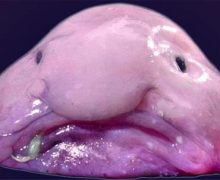
Pay attention to this research from Nuwber and think about the differences between cat people and dog people and what those supposed differences mean. Can you be both? Or perhaps you’re best suited to another animal entirely? (Note that exotic pets seem really cool on social media, but they are almost never a good choice for the average pet owner).

Read on to see how pets benefit mental health, but keep in mind the right pet for you and your environment!

Stress Reduction

Even though cortisol, or “the stress hormone”, has many benefits, such as the regulation of blood pressure and sleep-wake cycle, too much of it can be a problem. And what’s astonishing is that interacting with animals has been demonstrated to reduce cortisol levels. 

The human body releases cortisol in the following situations:

  • Acute stress, such as in a fight or flight scenario;
  • Chronic stress, such as due to working in a stressful environment;
  • Traumatic stress, such as having been a victim of assault or having been involved in a natural disaster.

Higher than usual cortisol levels can show themselves in weight gain, especially in the face or abdomen, high blood pressure, and osteoporosis, among other symptoms.

One study showed that stroking a living creature — notably a rabbit and a turtle — had a stress-relieving effect. This was true even if the subjects didn’t say that they liked the animals. 

Another study demonstrated that kids with autism had less anxiety when they were allowed to play with guinea pigs in the classroom. After playing with these animals, it was discovered that the kids engaged better with each other, were smiling and laughing more, and exhibited fewer signs of stress.

Self-Discipline

In another interesting study, researchers monitored two sets of kids with diabetes. Both groups had to check their glucose levels consistently. 

One group, however, was asked to look after a fish, feeding it twice a day and checking and changing its water regularly. The kids in the group with a fish to care for were more likely consistent with checking their glucose levels. 

This suggests that having to care for an animal helps us stay in a better routine, and therefore take better care of ourselves.

Attention

Fish as pets were also featured in this study that showed people with Alzheimer’s were more attentive and energetic, ate better, and were more likely to eat slower (hence in a healthier way) in front of aquariums containing colorful fish.

In a study of children’s reading, those who read to a dog for thirty minutes once per week had fewer behavioral problems than those who read to dog puppets. Improvements were evident in volunteering, social skills, sharing, and cooperation.

Emotional Intelligence

Looking after a pet is a great way to learn, practice, and appreciate compassion. Even looking after something not so cuddly, like crickets, has been shown to have positive effects on people suffering from depression. 

Mindfulness

Dogs are excellent at being in the moment. Their presence can help people feel grounded. Whether they are excited by a toy, food, or simply sitting, dogs are present. This can have a centering and calming effect on those with anxiety.

The right dog may inspire people to be more mindful rather than stressing about the future or worrying about the past. Dogs’ capacity for attention makes another person feel like the center of the universe.

According to Dr. Ann Berger, a researcher and physician at the NIH Clinical Center, animals have an innate capacity for “attention, intention, compassion, and awareness.” Dogs often know how to give unconditional love, which can be extremely healthy and helpful for people in mental distress. 

Fitness

Physical exercise is well-known to be good for mental health. Exercise can improve mood through the release of endorphins, weight loss, improved cardiac health, and muscle development, which can reduce pain, improve mobility, and lead to a better body image. 

Having a pet that requires physical activity, such as an active dog, can result in boosting the owner’s fitness and sustaining their motivation to exercise, which is likely to have positive effects on mental health.

Now, of course increasing fitness doesn’t happen overnight, but the obligation of taking your dog out will help you become fit, and it may not even feel like exercise! If you want to increase your cardio even more, running with your dog can increase the intensity of the exercise.

We have to remember, however, that not all dogs require the same amount of exercise. A Greyhound, for example, needs surprisingly little exercise, as they are built for running very fast for a short amount of time and then sleeping most of the day. So again, we emphasize the need to research the right pet for you!

Combatting Loneliness

Gentle animals, such as some breeds of dogs, cats, and horses, can be great companions for lonely people.

Pets can even help people meet others. Dog owners often meet new people while out walking their dogs or going to off-leash dog parks. This can be amazing for lonely or shy people or those who have just moved to a new area.

Communities exist around pets, too, which can reduce feelings of isolation and loneliness. There are many dog walking groups, but many groups form around all sorts of pets (like aquarium or reptile enthusiasts) and may exist locally, do a search and find out!

Conclusion

Good news for the two-thirds of the US population that have pets: Science says that our animal friends are excellent for our mental health!

Owning a pet is a fantastic way to improve mental and physical health. Now it’s hard to imagine our lives without our four-legged friends, and they have become the center of it. 

If you still don’t have a pet but desperately want to get one, don’t hesitate. You won’t regret your decision.

The Significance of Data Science in Sports Betting

The growth of sports betting has been unprecedented within a short period. Its high accessibility online continues to attract more people into this industry. However, science is also taking a central role in gaming. Some sports, like wagering, rely heavily on intense research to make successful predictions. In this article, we will look into the significance of data science in sports betting.

What To Know About Data Science

Data science is renowned broadly in the field of science for solving problems using specific methods. It involves following selected numbers and data using a specific pattern. 

Big data analytics is applicable in many industries and also applies effectively in sports betting. For instance, players can analyze real-time info about their favorite teams from various websites before placing a data-informed bet. Some of the information needed to predict matches includes weather patterns, injuries, available players, and previous match history.

The Advantage of Using Data Science in Sports Betting

Using data science gives players an advantage in sports betting. However, the safety net of every bettor relies on their knowledge of the industry and the sport. Sports bettors can gain insight by reading more about their favorite betting game from reliable sources. Fortunately, if you are in the Old North State, you can see North Carolina sports betting sites on TheSportsGeek. This site contains every detail the bettors need to know regarding the sports betting industry in North Carolina. You will also learn about the bookmakers who offer the best bonuses, competitive odds, and the most common payment options.

Some of the major advantages of using big data analytics in sports betting include:

  • Improved decision-making 
  • Enhanced wagering experience
  • Better risk management when placing bets
  • Competitive advantage 

What Makes Data Science Relevant in Wagering

Data science helps create an equal playing field for players, sportsbooks, and game developers. It allows each of these stakeholders to profit from betting, as is evident below:

  • For Game Developers: These specialists use data science to make betting platforms more user-friendly and address bettors’ complaints. 
  • For Bookmarkers: Sportsbooks rely on big data analytics to personalize betting games to give players the games they love. They also use this data to offer the best odds for all popular games. 
  • For Gamers: Bettors can use data science to make accurate match predictions. 

Therefore, we can attest that data science creates a win-win situation, which supports the sustainability of the sports betting industry.

Why Many People Don’t Use Data Science

The complexity of data science is what frustrates most players from trying to implement it into sports betting. Normally, the data analysis process requires professional knowledge to generate the correct odds for predictions. The complicated calculations are also a turn-off for many people. As a result, most bettors opt to bet by chance.

Fortunately, some people have specialized in analyzing data for sports betting. They have built a lucrative career by guiding clients to place the right wagers. If you find that using big data analytics is quite a hassle, you can follow these analysts’ advice or predictions to make data-informed choices when wagering. Remember, while not guaranteed, adopting data science will help your success in betting.

Final Thoughts

You cannot separate big data analytics and sports betting in this era. Bettors need data science to make informed predictions before placing successful bets. Analyzing available data will also minimize risks in your wagers. Although analyzing data consumes time, its fruits can be very rewarding.

How To Start A Successful Photography Business | Untamed Science

The international photography services industry has experienced significant growth over the past few years. Not only have more people been experimenting with personal creative photography projects, but many have made the decision to turn their passion into a profession. 

However, even though it’s a popular option, starting your own photography business can be a daunting task. But with the right strategy, you can set up a system that is altogether profitable, sustainable, and fulfilling. 

In this article, we’ll go through a list of steps any amateur photographer can take towards building up a professional photography business from scratch to stardom.

10 Simple Steps You Can Take To Start Your Own Photography Business 

Becoming a professional, hireable photographer is easier than ever before with such a wide technological reach to various audiences. But that doesn’t mean reaching your goal will come without effort. There are several important steps everyone needs to take to establish themselves as a serious professional photographer.

From obtaining a wider skillset to setting up a great-looking portfolio website, these steps will encompass everything you need to start a successful photography business. 

Step 1: Expand and Refine Your Photography Skills

The very first step you should take in starting a photography business is to develop your skills as a visual artist and photographer. This can be accomplished through taking courses, attending workshops, reading educational books, and practicing photography as often as possible. 

As you work through this development phase of your skills, you can create a solid portfolio of work that will serve your business now and in the future. 

Step 2: Decide Your Niche(s)

The next thing to do is to determine your niche within the photography industry. There are so many different niches to choose from and some of the most popular ones include:

  • Portrait photography
  • Fine art photography
  • Wedding photography
  • Nature photography
  • Event photography
  • Real estate photography

You can choose multiple niches, but it is generally easier and more profitable to focus on just one or two. When deciding your niche(s), aim to choose one that best aligns with your natural interests and skills. 

Step 3: Create a Business Plan

Developing a business plan is a crucial step in starting any business. Yours should include important details such as who your target market is, what pricing model you’re going to use, which marketing strategies you’ll obtain clients with, and financial projections. If those things sound foreign to you, don’t fret. There are plenty of photography business model templates and resources available online that can help you choose and set up a professional plan that suits your style and goals.

Step 4: Select a Business Structure and Officially Register Your Business

If you want to be a truly legitimate pro photographer, you’re going to have to choose the right legal structure for your business. The three main options are:

  • Sole proprietorship
  • LLC
  • Corporation

These options come with their own pros and cons. Once you have decided on a structure, the next step is to register your business and obtain any necessary licenses and permits to work as a professional photographer. This will also protect you in the event of a copyright lawsuit.

Another thing to consider is pricing. You will need a pricing structure that is competitive, profitable, and appealing to your target audience. Some factors that might help you decide include equipment costs, your experience level, and the local market.

Step 5: Acquire the Right Software and Equipment

Every photographer needs access to high-quality hardware and software. Unfortunately, this part can be expensive—but you will need to invest in camera equipment, lighting gear, lenses, and other photography accessories. 

You will also need good quality editing software such as Adobe Lightroom. There are many different options to consider, some of which are free. But the best ones usually come at a cost. In saying that, they are well worth it for the standard of quality they deliver!

Step 6: Create and Define Your Brand 

Your brand is an important part of your business. You should develop a brand that represents your style and value. Once you’ve settled on your branding, ensure you use it to create a cohesive identity. This means learning how to incorporate your brand personality into all your marketing material and knowing how to make an invoice that is professional and follows your branding style. This professionalism will remind clients of why they’re doing business with you. 

You should also create a website that showcases your portfolio, provides information about your services, and makes it easy for customers to contact you.

Step 7: Create a Website

Your website is the first place clients will go when they find out about your services. Keeping that in mind, it needs to represent your brand and your craft in a clear and professional way.

Luckily for present-day photographers, there are plenty of great portfolio websites available, and many of them are free. With a bit of web design training (or perhaps the help of a friend), you can create a website that is both functional and visually stunning. 

Step 8: Create a Winning Marketing Strategy

Marketing is crucial for all business types, professional photographers included. It is essential that you factor the development of marketing strategies into your business plan so that you can reach your target audience and keep them interested in your work.

A lot of photographers use social media to market their services, but you could also use SEO, PPC campaigns, or even word of mouth to let people know you’re open for business. 

Branding is also something to consider in this area. When setting up your social media profiles, for example, make sure to stay consistent in both visual theme, genre, and tone.

Step 9: Deliver High-Quality Photography to Clients 

Last but not least, you should set your gaze on delivering high-quality service to your clients. This step includes providing great customer service, delivering photos punctually, and either meeting or exceeding client expectations.

white cheek pintail on water. bird photography

Shoot For Success

Starting a photography business may not always be easy, but it can be extremely fulfilling. It requires hard work, dedication, and a consistent commitment to delivering high-quality photography services. Once you develop a good client base, things will naturally fall into place.

With the help of the steps in this comprehensive guide and a dedication to continuously improving your skills, anyone can build a successful photography business that is profitable and creatively stimulating.