Are Rose Hips Poisonous? The Facts

The simple answer is no. Rose hips are not poisonous. You can eat all rose hips. However, just because they aren’t exactly toxic, doesn’t mean you can eat all that your heart desires. Rose bushes are often sprayed with various herbicides and pesticides. They also contain irritating hairs in their seeds. If you fail to remove them you could have some adverse reactions.

Ways to Eat Rose Hips

We introduce this common ways to use rose hips (as always) with a short video. This one takes place in the fall on the east coast of Sweden.

Method 1: Eat Rose Hips Raw

In the fall, rose hips can be picked. They’re much better after the first frost (they get sweeter this way). Care should be taken to remove the seeds as they are full of somewhat itchy hairs.

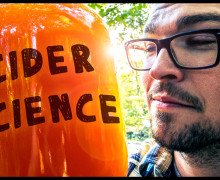
Jonas Stenstrom with wild rose hips

Method 2: Make Nypon Soppa (Translates as Rose Hip Soup)

Nyponsoppa directly translates to Rose hip soup. However, it’s not always a soup. It’s more of a thick juice. It can be very sweet and is often served after dinner as a bit of a sweet addition to the meal. In Sweden you can get it in containers like the one below.

Method 3: Make a Tea

The final method is to make a tea out of the rose hips. You can always buy a packet of rose hip tea from the store, but you can also make your own. Just to be safe we removed the seeds, added the red fruit parts to water that just came to a boil. Then we let is sit for 20-30 minutes and drank. Easy peasy.

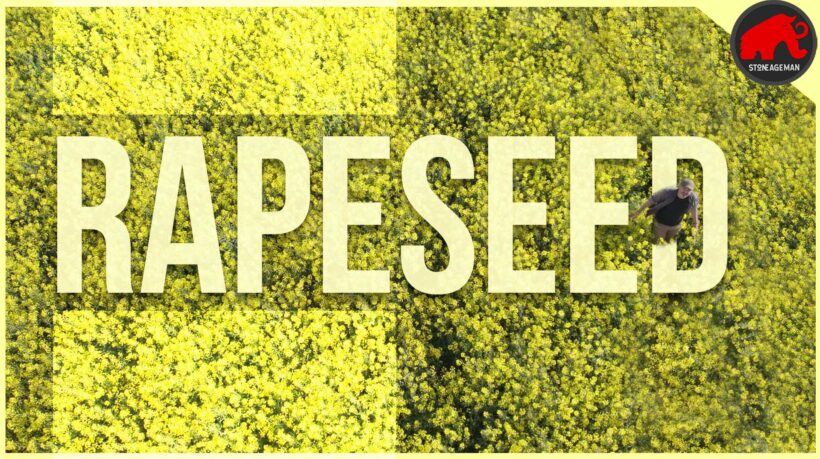
Rapeseed: Both a Miracle Plant and a Big Problem

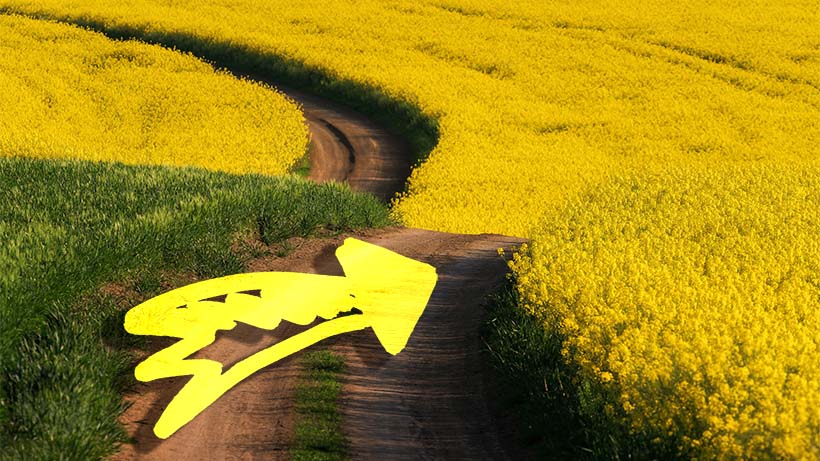
If you travel through Europe in the spring or drive through the northern US or Canada, you may come across massive yellow fields in full bloom. These are the rapeseed fields. They look impressive on the landscape and the proponents in the industry are claiming this is one of the key ingredients in the “green revolution.”

However, this green movement and the use of this plant isn’t all it’s cracked up to be. To understand exactly why, you have to understand the basic biology and the current predicament we’re in. To give this introduction, as always I first created this video: 

In making this rapeseed video above, I was at first only interested in telling the story about the biology, but then got interested in their role as a bio-fuel. Understanding the former is important for understanding the later. 

Rapeseed Biology

The rapeseed plant is Brassica napa a large mustard that is closely related to the yellow and brown mustards we use for condiments. It’s also closely related to Brassica oleracea (brussel spouts, cabbage, kohlrobbi, broccoli). The point of noting the relation is that you can fairly easily create new cultivars in the genetic diversity that exists in the plant. You can also hybridize some of these different species to improve the genetics of the original plant. 

Brassica napa has significant amounts of a toxin known as erucic acid in it. In rats, this has been shown to cause damage and hence, scientists actively worked to reduce the amount of erucic acid in the plant. In the 80’s a form of Brassica napa was selected for to have low erucic acid and it was rebranded CANOLA oil (CAN – for canada, Oil, Low, Acid). Later they created a GMO round-up ready Canola. 

BioFuel Revolution

Now Rapeseed fields make up about 16% of growable land in Czechia (where we shot the video). Most of that is being grown for biofuel. The oils in the seed are squeezed out and through a process of transesterification it is turned into biodiesel.

The benefits of biofuel are mainly in the carbon use in the plant. The efficiency of sequestering this carbon is anywhere from 78% to 43%. The difference depends largely on land use changes. If the land needs little to no clearing or fertilizer, there is only about a 22% addition of fuel needed to plant, harvest and process the oils. If the land needs to be cleared the cost increases. The unfortunate reality though is that most of this does not take into account the loss of available land for other practices. 

Rapeseed Biofuel Downsides

One of the main problems with biofuel in general is that it takes up land that could be either growing forests, grasslands or other food. If not enough land is being left aside for forest services, this could be a large problem. Additionally, land that was once forest is being cleared in developing countries to grow biofuels, leading to deforestation and loss of diversity in those regions. 

I point out all of this to show that that is a very complicated issue. I hope the video helped look at this all in a new light. Looking forward to seeing things get better and better in the future as more people learn how biofuel might be appropriately mixed into our economy.

A Guide to Coronavirus Disease Testing

The past two years have involved a great deal of talk about the coronavirus disease, or COVID-19. You have probably heard a great deal of information about COVID-19 and testing for the virus.

Whether you are planning on traveling outside the United States, returning to your home state from traveling abroad, or you are showing symptoms of coronavirus, you may need testing.

Below is a guide that explains the different types of COVID testing, where you can get them done, and how quickly you can get the results from each type of test.

COVID-19 PCR Testing

A PCR, or polymerase chain reaction, test for COVID-19 is the most accurate way to know whether you are positive or negative for the virus. The test detects genetic material from the virus that is present in your body.

The reason the test is so accurate is that it can pick up on trace amounts of the virus in your system. Many people test positive on a PCR test if they were infected with COVID-19 in the past few weeks or months, as trace materials from the virus remain in your body.

If you are hoping to rule out COVID-19 with near certainty, a PCR test is the best way to do so. A person experiencing symptoms such as aches, fever, cough, chills, fatigue, loss of taste and smell, or headaches for more than a few days should get tested using a PCR test.

The only downside to PCR testing is that results can take one to two days to arrive. If you are in a hurry to know if you are positive or negative, you may need to remain patient, especially if you want the most accurate results.

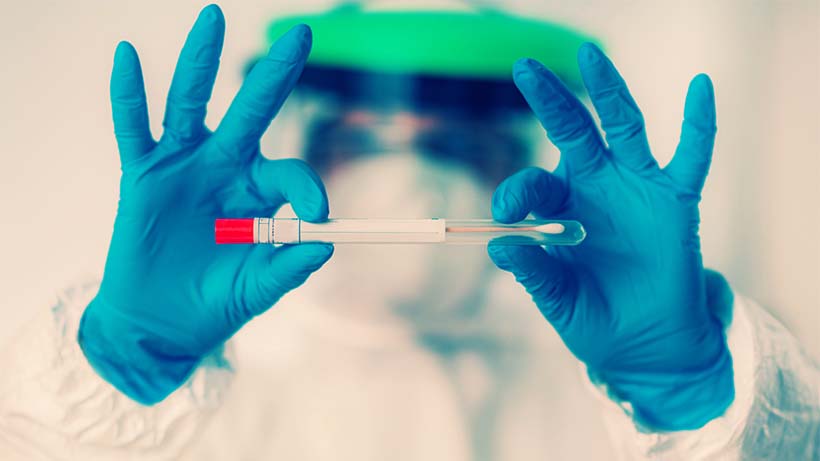
A PCR test is a straightforward process where a healthcare professional uses a swab to take samples from your nose. The sample is then either sent to another laboratory or processed at the site where your PCR test was done.

Rapid Tests for COVID-19

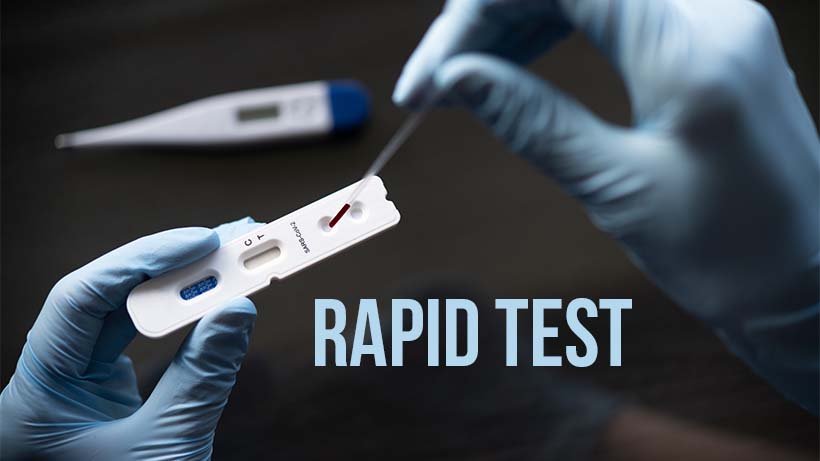
A rapid test for COVID-19 is also known as an antigen test. These tests require a nasal or throat swab, which gets tested for a specific protein that is present in the coronavirus.

If you are positive for the protein, you are positive for COVID-19, and vice versa. These tests can deliver results in up to fifteen minutes, making them very useful if you need to know on the spot whether you have COVID-19 or not.

The issue with the antigen tests is the lack of accuracy in comparison to PCR tests. Since the test checks for a specific protein in your sample, you are more likely to get an accurate antigen result if you are at or near the peak of infection. For those who are not yet symptomatic or past the peak of infection, the rate of false positives and negatives rises significantly. 

Process for Taking a Coronavirus Disease Test

Many people may wonder when they should take a coronavirus disease test. The answer depends on your circumstances. You should take a COVID-19 test if:

  • You are showing symptoms of the virus.
  • You know a close friend or family member who is positive for the virus.
  • You are planning a trip abroad in the coming days.
  • You are visiting a venue or attending an event that requires proof of negative COVID-19 on entry.

Any person who is showing symptoms of COVID-19 should get a test as soon as possible, whether they are vaccinated or not. Even though vaccines do protect against both infection and severe disease, they are a lot more effective at the latter. You can test positive for COVID-19 and experience mild symptoms, even after vaccination.

If you know someone who is positive for the coronavirus, think about the last time you came into contact with that person. Considering a person can be pre-symptomatic for more than a week and spread the virus, if anyone you interacted with over the past week or two is now positive for COVID-19, get a test to ensure you are safe.

Anytime you are traveling abroad or attending an event where they require proof of negative COVID-19, you should get a test. Most venues will accept the results of rapid tests, while airlines have a significant preference for PCR tests, as they are more accurate.

Are At-Home Testing Kits Reliable?

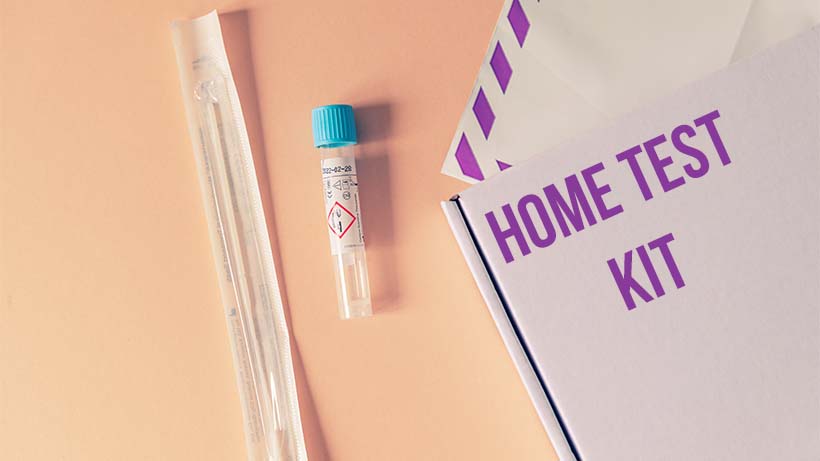
If you shop at supermarkets or pharmacies, or online retailers, you may notice that at-home testing kits are available for the coronavirus disease. Such testing kits are fairly accurate in telling a person whether they are positive or negative for the virus if that person is showing symptoms.

Those who are hoping to test negative ahead of a domestic or international trip should not use a home testing kit unless the kit asks you to send your sample to a lab for testing. If the kit presents the results at home, then you cannot show such a result as proof of a negative test before boarding an airplane, bus, or train.

Individuals who have close family members or friends that test positive or display symptoms of the virus should only use an at-home testing kit if they are also symptomatic. If you are not showing any symptoms of COVID-19, you could be positive, but the at-home testing kit will not produce a positive result.

If you can wait a few days, take a PCR test for maximum accuracy. There will be plenty of locations in your area where you can take a rapid test, which provides results within minutes.

Testing Helps You Stay Safe

The best way to stay on top of your health and wellness during a pandemic is by taking tests anytime you are showing symptoms. If you or a person in your close circle of family or friends displays signs of COVID-19, getting a PCR or rapid test is very helpful.

Testing is also extremely relevant for travelers, especially those who are going outside the United States. Each time you travel internationally, you must display proof of a negative COVID-19 test.

Even though getting a test every few weeks may seem frustrating and troublesome, such a process keeps you and those around you safer.

The Science Behind the Effect of Gambling on the Brain

All people are different. We simply do not fit into one mold. This is the case in all aspects of life including gambling. Let’s look at how gambling can affect your brain and at how this could evoke different responses, some of which could trigger problematic gambling habits. 

Dopamine is a chemical that is released in the brain. It is a neurotransmitter that helps you feel good and raises excitement levels. While we might think that we will only feel the thrill of excitement when we win, even when we lose, our bodies trigger a dopamine response.

Since the thrill and excitement are natural bodily responses to both winning and losing, some people struggle to differentiate which is which. This means that they are not likely to stop playing even when they are on a losing streak. 

Do Our Brains Affect Our Gambling Habits? 

As with everything else in life, our brains affect the way in which we react to things. This includes the ability to stop or continue an activity that may or may not serve us. The dopamine hit is what many are looking for when playing games for both real money and for free. 

When it comes to gambling, other than the thrill of a dopamine hit, you can get many other benefits. The benefits include simple enjoyment while taking part in a fun activity, social connection and of course the chance to win money. All these rewards play a part in why we enjoy gambling. While these are all positives, most of us know when it is time to walk away when we lose or reach our self-imposed loss limits. 

While we know how to practice safer play habits, there are others who do not have the same ability. They simply do not stop when they should. These players continue to look for a win. This phenomenon is well-known as chasing losses. Although not all these players will develop serious gambling addiction, it is possible for them to develop gambling problems. 

Research into Gambling and the Brain

Brain Connections explains how gambling can turn into an addition for some people. To explain gambling addition in layman’s terms, they liken gambling to driving a fast car. You start out confident and excited and you have control over what you are doing. 

The ventral striatum in your brain is like the reward hub. You can compare this to the gas pedal in the car analogy. Put your foot down and drive where you want to go. The pre-frontal cortex, or the top-down control network is somewhat like your car’s brakes. The pre-frontal cortex tells you when it is time to slow down. When there is a communication problem between these two areas of the brain, it is like you putting your foot on the gas even when you need to stop. This makes you go through red traffic lights or drive too fast and do other reckless things. 

When this happens repeatedly, it enters the habit hub, or the dorsal striatum. Once it becomes a habit, it is no longer in your control. You might want to put your foot on the brakes, but don’t know how. In fact, you might even feel like you are no longer actively driving the car. While gambling starts out improving your mood, it slowly becomes something that is less fun but you still want to play. Your mood gets worse and it can even lead to depression. This is why it is important to set healthy boundaries and limits to avoid problem gambling, keep it healthy, fun and a happy experience. 

Factors that Lead to Gambling Problems

It is so important to make sure that we develop good habits early on in life, the same goes for the way we approach gambling. If you see it as a fun activity, set limits, enjoy the social interaction, or the chance to take a break from the stresses of life, you are likely to be fine. So go ahead and enjoy gambling activities. 

For those who are at risk of developing problems from gambling, there are a number of factors that can affect this. Studies into those who are at risk for developing problems with gambling, contributing factors include your cultural background, your socioeconomic status, available gambling resources and your environment. In addition to these, you also need to take into account whether there is substance abuse, mood disorders, psychological factors, social factors, cultural factors, and even your age. 

If you do feel like you are developing a gambling addiction or perhaps the beginning of a problem with gambling, there is plenty help out there. Most online gambling sites post links to organizations that help players to cope with problems with gambling. Reach out for help if you see you are developing an unhealthy relationship with gambling. 

What science says about marijuana’s health benefits

For decades, marijuana has managed to remain a controversial topic without fail. Marijuana is not new to the scene however it is new to the scene of being legalized and accepted by society. Thanks to legalization, there has been much research into marijuana and it has been discovered that the plant has many health benefits that can help people who suffer from many health conditions. The science behind these discoveries is so significant, that doctors around the world are now prescribing medical marijuana for their patients as a treatment for conditions such as chronic pain management, Alzheimer’s, epilepsy, cancer treatment, PTSD, anxiety addiction recovery, and many more. This blog will deep dive into what science has to say about the benefits of marijuana. 

Using marijuana can be therapeutic and increase appetite

Marijuana is said to provide therapeutic effects on users and the substance has helped facilitate healing in millions of people worldwide. Marijuana can be used to treat chronic pain, chemotherapy-induced nausea, and vomiting, neurological conditions such as epilepsy, and many other health conditions. Marijuana also increases appetite and the way that it manages to do this is by stimulating CB1 (cannabinoid) receptors in the brain which results in these receptors releasing a single hormone that increases the intake of food. There is even a term dubbed by the cannabis community called “munchies”, which is a desire to devour food after smoking cannabis. There is much debate on whether or not marijuana can cure certain ailments but as it stands, marijuana is just used to treat conditions and alleviate the symptoms.

The effects of smoking marijuana vary with each individual’s tolerance 

Everyone is built differently and everyone has a different tolerance level. Some people only need a tiny dose of marijuana to experience a satisfactory level of high, whereas others need to consume significantly larger amounts of cannabis to feel a level of high that satisfies them. The same applies to medical marijuana, some individuals cannot withstand high doses of marijuana because it results in sleepiness and lethargy while others need to consume a higher dosage to treat their condition. Your healthcare provider is the ideal person to help you determine the correct dosage; however, it is usually determined by your weight and tolerance level. You also need to consult a doctor if you are using other medications because sometimes it is not advisable to mix certain pharmaceutical drugs with cannabis because of the side effects. 

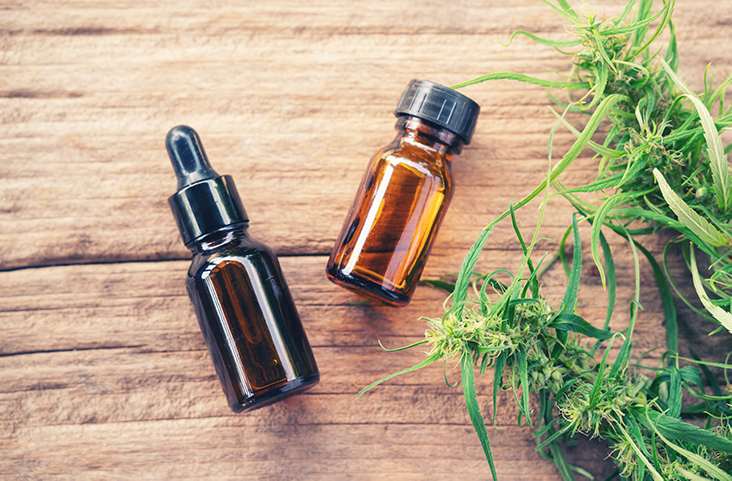
If you are a new cannabis consumer, you want to avoid inhalation methods that produce combustion because these carry severe health risks such as lung cancer and upper airway cancer. Instead, try a dry herb vaporizer which is a vapor-producing inhalation device and can be found on https://cannacabana.com/. Alternatively, you can also try edibles or tinctures which is cannabis flower dissolved in alcohol to form a concentrate that is popular among medical marijuana users, which are also available at Canna Cabana. A tip for first-timers is to begin with a low-THC strain or avoid THC altogether and stay on the safe side with CBD. 

There are no known risks to using medical marijuana 

Generally, marijuana is safe to consume and there are no known risks involved unless you smoke it with a joint which puts your lungs and throat at risk of infection and cancer. However, marijuana itself is safe. Just because it is safe though does not mean that it can be consumed by everyone. For example, teenagers should avoid cannabis as well as people suffering from serious liver, kidney, heart, and lung disease. Cannabis can have a negative effect on these organs which puts you at risk. For example, cannabis is known to increase heart rate which is risky for people who have heart disease. Compared to cigarettes though, marijuana is much healthier for your lungs, however, you want to avoid smoking entirely and rather consume another way that does not involve combustion. People smoke cigarettes because of addiction and because they claim it relieves stress and sometimes social anxiety. Marijuana however has many proven health benefits and is not addictive so overall, this is a healthier alternative. 

It’s safe to say that marijuana is society’s newest super herb and it doesn’t look to be dying out anytime soon. 

10 Vampires of the Animal Kingdom

You’ve probably heard of Dracula and other famous fictional vampires, but did you know that there are real-life vampires that can be found in the animal kingdom? Comprised of a rich array of flora and fauna, there are a few members of the animal kingdom that practice hematophagy, which basically means they consume blood for one reason or another.

While some organisms consume blood to survive, others include the nutrient-dense fluid as part of their balanced diet. However, a few animals acquired the vampire name because they are fearsome predators, or they just looked scary. In light of this, here are 10 real life blood suckers that can be found across the globe.

1. Oxpecker Birds

The oxpecker can be found in the open grasslands of Sub-Saharan Africa. It is a bird that can reach 3.54-inches (9 cm) in length and weigh up to 70 grams. It mostly perches on mammals like buffaloes and other cattle to remove ticks, maggots and flies from their hides. While this may look like a symbiotic relationship, the bird’s intention is only to feed itself. It often takes advantage of the host animal, reopening healing wounds and creating new ones so as to drink its blood.

2. Vampire Squid

The vampire squid is a small marine creature that belongs to the cephalopod group of animals. It’s found in the depths of tropical and temperate oceans and can reach maximum lengths of 11.81-inches (30 cm). Normally, vampire squids don’t prey on live animals but feed on detritus of dead planktons or fecal pellets found near the ocean floor. The vampire name comes from its glowing eye spots and its dark red body which give it a fearsome look.

3. Amazon Giant Leeches

The Amazon giant leech can be found in the coastal wetland marshes of South America. It’s one of the biggest species of leeches worldwide and can grow up to 18-inches (45.72 cm) long and 4-inches (10.16 cm) wide. This creature sucks and obtains blood as food and also as a source of nourishment. While young leeches mostly parasitize fish, frogs and lizards, adult leeches attack caimans, anacondas and cattle. In fact, some can even attack humans if they get the chance.

4. Sea Lampreys

Inhabiting the depths of the Atlantic Ocean are the sea lampreys, creatures that have remained largely unchanged for many years. They are a parasitic species of fish that can grow to lengths of up to 47.24 inches (119.99 cm) and weights of up to 2.5 kg. A Sea Lamprey doesn’t attack humans but mostly sucks blood and other bodily fluids from other fish. It usually attaches to its host with its mouth and using its sharp teeth, it tears the flesh before accessing the blood.

5. Mosquitoes

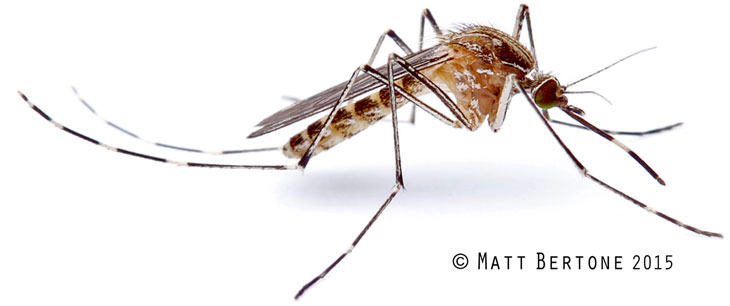
Mosquitoes are the most common human blood-suckers and among the deadliest on the planet. They mostly inhabit forests and marshes of warm and temperate regions across the world. An adult mosquito is relatively small and can grow to about 0.4 inches (1.02 cm) long. Not all of them are vampires though since it’s only the female anopheles type that drinks human blood for purposes of egg production. Consequently, it can transmit serious diseases such as malaria and dengue.

6. Assassin Bugs

This is a predatory insect that is often found in open fields and shrubs in North America. It is mostly used by farmers to control harmful pests like aphids, leafhoppers, beetles and caterpillars. Assassin Bugs are very patient hunters often stalking their prey before attacking with their sharp, piercing beaks. Although they don’t parasitize humans, large species may bite if they get a chance. An adult assassin bug can grow up to 1-inch (2.54 cm) in length.

7. Bedbugs

Bedbugs are human blood-sucking insects that can be found in almost all regions of the world. They are about 0.27 inches (0.69 cm) long and mostly inhabit small cracks and crevices of beds, mattresses, box springs and other dark areas. Often referred to as the perfect parasites, bed bugs mostly feed at night when their hosts are sound asleep. Although their bites are painless, they can lead to several health impacts like skin rashes, allergic symptoms and psychological effects.

8. Cooper’s Nutmeg

This is a type of marine snail that inhabits the offshore sandy substrates of the Pacific Ocean. It is among the largest predatory snail species in the world growing up to a length of 4.4 inches (11.18 cm). The Cooper’s Nutmeg is a highly specialized vampire that sucks blood from a specific fish species known as the Pacific Electric Ray. Mostly buried in the sand, it only appears when it senses its prey, attacks using its elongated proboscis, and begins sucking blood.

9. Ticks

Ticks are external parasites that live by sucking the blood of both cold-blooded and warm-blooded animals. They are mostly found in grassy and wooded areas where their hosts usually live and roam. Although tick bites are harmless to humans, they can transmit harmful microorganisms that cause illnesses such as Lyme disease and Rocky Mountain spotted fever. An adult tick can grow up to a maximum length of 0.2 inches (0.51 cm).

10. Vampire Bats

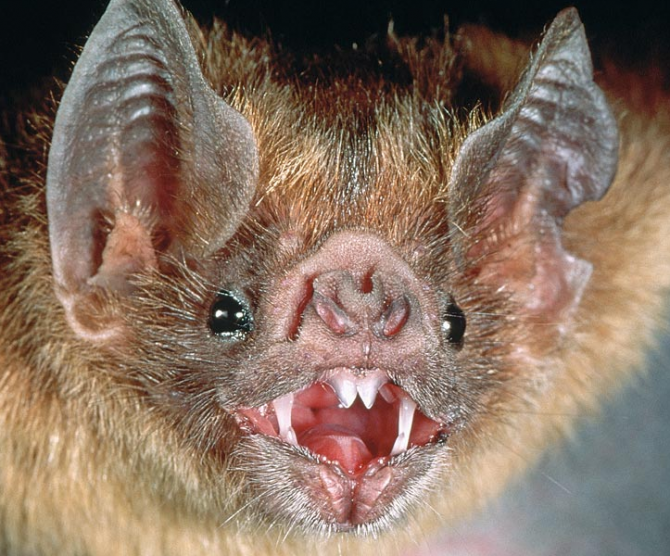
Vampire bats have long been portrayed in horror films as blood-thirsty creatures. Additionally, they are the inspiration behind online casino games such as the Bloodsuckers slot. However, unbeknown to many, only three types of bats among the 1,000+ species inhabiting earth exclusively feed on blood. Furthermore, they don’t attack humans but prefer unsuspecting livestock such as goats and cows. Mostly found in South and Central America, vampire bats can grow up to a maximum of 3.54 inches (8.99 cm) in length.

The act of sucking blood for sustenance, otherwise known as hematophagy, is a habitual practice in the kingdom of animals. After all, this red body fluid has proteins and other nutrients and besides, it is very easy to find. That’s why vampire creatures are sinking their sharp teeth into any blood host that appeals to them.

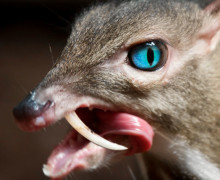
The aforementioned are some of the vampires in the animal kingdom. Others include the vampire finch, musk deer, vampire frogs, kissing bugs, the hood mockingbird and vampire squirrels. While some of these creatures obtain blood from specific hosts, others parasitize and prey on a wide variety of animals.

Haley as a sexy vampire

4 Reasons Why Technology Makes Us Vulnerable and How to Fix It

Without technology, modern life would be unimaginable. Technology is taking over our lives; we are highly dependent on technology, from regular house chores to large-scale industrial operations.

Since the beginning, our development has relied on the use of tools from the dawn of civilization. Humans have always sought a quicker, more accessible, effective, and convenient method to do tasks; thus, Headaches and impaired vision may demand continuous growth that drives humanity to seek new and better solutions. 

Human development is driven by innovation to produce new things; artificial intelligence is one of those. Nowadays, humans don’t have to labor as hard as their ancestors because of modern AI technologies. It helps us to accomplish tasks better, quicker, smarter, and more productively. 

Undeniably, today’s modern society is heavily influenced by technological advancements, significantly affecting how society functions. Similarly, when discussing humanity and technology, researchers claim that these technological advances have raised stress levels and social isolation among social community members.

Even though technology offers many benefits, it has also had detrimental effects on society. Therefore, this article mainly focuses on the downsides of technology and concerns how technology is taking over our lives and we can fix them. 

How Does Technology Affect Us?

The following section will find four major reasons for how technology is taking over our lives and making us vulnerable, adversely affecting our psychological and physical growth. 

Educational Misuse and Poor Intellect

The internet has developed into an excellent learning tool. You can Google every information you need at the comfort of your house rather than visiting a library or enrolling in an academic institution. Yet, technological immersion does not necessarily equate to high-quality education. Students cannot overuse technology in the classroom, which sets them apart from social media apps and other distractive sites. Subsequently, it increases their learning process and social engagement through one-on-one learning opportunities, real-time consultation with the instructor, group, or peer learning, etc.; thus, balancing humanity and technology needs. 

Moreover, through technological use, it is becoming more common to plagiarize and cheat than ever before in an educational setting. This threatens to undermine the new generation’s intellect. 

Is technology making us dumber? Yes, somehow. Games, chatting, and entertainment video streaming create a distraction. Most of the youngsters prefer amusement or social media scrolling over reading and homework.  The more kids utilize entertainment technology like games or social media, the worse their academic performance is. Nevertheless, using the internet to research information leads to better academic scores and higher intellect, whereas gaming or socializing online leads to worse academic performance and lower intelligence. 

Physical and Psychological Imbalance

Aside from the intellectual problems associated with technology, physical impairment (such as obesity) is one of the most damaging effects. To avoid being distracted, individuals tend to eat more, work late, and exercise less when a laptop or tablet engrosses them. More time spent in front of a computer reduces blood circulation in the body, resulting in neck and head discomfort. 

Furthermore, a sedentary lifestyle is the root cause of many people’s curved backbones and poor posture as a consequence. Headaches and impaired vision may be caused by constant gazing at a computer screen. 

Thus, with the relentless use of smart devices and the extensive human dependence on technology, you may be vulnerable to many psychological and physical problems, including eye strain, poor concentration, trouble sleeping, and even abnormal body growth as well. 

Threat to Digital Privacy and Security

When technology is utilized inappropriately, it may expose you to a variety of digital vulnerabilities. The extensive human dependence on technology makes them prone to data breaches, information leakages, and many more. 

Approximately one in every three adolescents reported being the target of cyberbullying. The perpetrators use text messages, social media, and forums to contact their perceived enemies or targeted victims. 

Moreover, online sex crimes are becoming a common occurrence on the internet. Sexting is another potentially dangerous activity that adolescents may be exposed to. According to a recent study in the journal JAMA Pediatrics, 39 percent of adolescents confessed to sending sext messages, while almost half of the youngsters said they had received texts featuring nudity. 

Furthermore, cybercrime is on the increase. Since the lines between personal and public information are becoming more eroded, it is now simpler than ever before to breach someone’s privacy. Scammers may use the information they acquire to break into computers and spread malware. 

Poor Social skills

An extensive human dependence on technology and its related solutions will likely result in a lack of social skills. Online gaming, Facebook scrolling, WhatsApp chatting, Snapchat, Instagram stories are on-trend among youngsters rather than physical workouts, social meetups.  

On the surface, technology seems to build a worldwide network that brings people closer together. However, in practice, this substitutes for real-life communication and results in social isolation. Furthermore, real social ties are being replaced by many superficial “friends” on social media platforms. As a consequence, individuals may experience feelings of loneliness and depression. 

When we substitute online communication for face-to-face contact, we lose the capacity to interpret social signals such as tone of voice, facial expression, body language, and directness. On top of that, violent video games and movies sap people’s empathy and cause them to suffer in their daily lives.
How Can We Reduce the Negative Effects of Technology?

It’s impossible to eliminate all technology-related vulnerabilities.  However, we can fix its downsides to the best of our capabilities. Some of those techniques may include:

Use VPN to Protect your Digital Privacy

Most of our personal data are available online (or at cloud storage) in the digital era. Therefore, there is a considerable risk of data breaches. In this context, we can protect ourselves by using some vast VPN data encryption techniques. 

There is a long list of VPN servers available online. Among them, VeePN is highly recommended by cyber experts. It is a fast and reliable VPN server that can protect all your digitally available data and regularly check the full list of servers and locations associated with your device. You can use its free trial to fix technological vulnerabilities associated with your digital privacy.  

Keep a Balance between Humanity and Technology

Due to artificial intelligence and various learning and streaming resources available on the internet, people have begun to read less, do not participate in one-on-one groups or peer learning, and physically meet less, resulting in poor intellect, poor social skills, and many psychological, physical imbalances. It can be resolved by actively participating in hands-on workshops, seminars, efficient and engaging classroom/team activities, etc. 

However, social skills can be improved by participating in more physical activities such as gym, jogging, sports, exercises, cycling, pooling, etc., with family, friends, and colleagues. 

The Best Nature Reserves in Canada and the USA

Are you looking for a cool vacation destination away from the noise and stress of the city? Are you interested in natural destinations away from all the pollution in the city? If yes, a nature reserve is what you are looking for. 

Asides from the benefits of setting up a nature reserve, a visit to one will give you the thrilling experience you desire.  But which of these beautiful locations are the best for you? Keep reading to find out. 

There are different parts of the world which are renowned for having a remarkable number of natural resources and attractions.  North America is home to different nature reserves too. Each of these reserves is unique, filled with interesting natural landscape, and beautiful to behold. You’ll find everything ranging from deserts to mountains and rushing waters in the nature reserves of the USA and Canada. The natural species and beauty of these national parks will blow your mind and also form impressive backgrounds for your Instagram images. We’ll provide you with a list of the top nature reserves in the region to help you choose your next travel destination. 

Let’s get started. 

Banff National Park – Alberta, Canada

There are only a few things that can compare to the beauty on display at the nature reserve in Alberta, Canada. All of its landscapes are picturesque and you’ll find yourself staring helplessly. Renowned as the oldest nature reserve in Canada, it’s located in the Canadian Rockies. Here, you’ll come across native species such as elk, bighorn sheep, and moose. 

If you find yourself paying a visit to this park, get ready for a thrilling experience with white water rafting. Those who visit during the cold months can also try their hands at ice skating on the frozen Lake Louise. There’s a complete package for tourists including snowmobiles and horse-drawn sleigh rides. 

Grand Canyon National Park – Arizona, USA

If you’re interested in a nature reserve with extraordinary size and more than enough room to explore, the Grand Canyon in Arizona is a great fit. With 4926 sq. km of red rocky landscape and canyons that represent an ancient geological history, this location is worth your time. This fascinating part of Arizona is more than a large hole in the ground. You’ll find a diversity of animal species there, including mountain lions, cottontail rabbits, and coyotes. 

Glacier National Park – British Columbia, Canada

Known for its everlasting beauty, The Glacier National Park serves as the gateway to Canada’s mountain range. It’s filled with numerous picturesque alpine vegetation. Get closer to the vegetation and observe the tall cedar trees. You may also decide to go on an adventure through the meadows as you proceed towards Rogers Pass.

Are you in the mood for something else, asides from playing games at new online casinos? The white-water rapids found in the Kicking Horse River are home to intense rafting expeditions that take you through the canyon. You may also decide to take a break and chill out at the hot springs found all over the region. There’ll also be enough time to observe and marvel at the one-of-a-kind natural landscape. 

Jasper National Park – Alberta, Canada

The Jasper National Park has everything you could want in a nature reserve. Filled with clear waters, mountain ranges, and tall trees, Jasper National Park looks too good to be true. A must-see attraction at the park is the glacial waters of Maligne Lake and Spirit Island. The most beautiful parts of this nature reserve can only be viewed from a boat. It’s also known for the best bear-spotting in the country and you may get a rare chance to see someone hunt for salmon. 

Wrangell St-Elias National Park – Alaska, USA.

If you’re back in the USA but still want a feel of the cold Canadian weather, then a visit to Alaska may not be out of sorts. Despite being the largest state in the USA, it’s also home to the Wrangell St-Elias National Park. This massive 13.2 million acres of icy land is home to grizzly bears, moose, porcupines, and so on. The beautiful park extends from the ocean to Mount St. Elias. Other popular animal species in the region are whales, sea lions, and otters. 

Yellowstone National Park – Wyoming, USA. 

Yellowstone national park boasts an extended lineup of animal species including wolves, antelopes, and elk. The nature park has everything including large canyons, beautiful and long rivers, forests, and a variety of animals. Tourists are also thrilled by the magnificent geyser that erupts every 44 – 125 minutes. Watch in awe as about 32,000 liters of boiling water are shot 44 meters into the air. 

Conclusion

The nature reserves in Canada and the USA are nothing short of spectacular. During a visit to these parks, you’ll be engaged in different fun activities. Your experience also depends on the time of the year when you visit. Make sure to check what season it is before heading out on your nature reserve expedition. 

Web Design Tips for the First-Time Photography Business Owner

Do you want to run a successful photography business? They say that the devil is in the details, and that’s precisely how most photographers succeed. Unfortunately, while industry success might seem straightforward, not everyone knows the best way to tackle business management. That said, it’s a good idea to look for time to enjoy entertaining gaming platforms, such as the new unique slot game from Duelz online casino.

When it comes to running a successful company, the first thing to focus on is web design. After all, online users will end up on the website when they click on its advertising. If the site does not meet expectations, chances are the company won’t experience too many conversions, and most online users will leave before doing anything else. Here are some top-tier web design tips for the first-time business owner.

Understanding your target demographic

While general web design is a great way to start, there’s a big difference between specific industries and web design trends. For example, those running a clinic will want to stay away from vivid colours and design trends that pop. While it’s okay to attract a demographic with distracting features, a clinic has to maintain a neutral and professional tone, only showing online users that the clinic is there to help.

Understanding the demographic is a crucial part of building a website, as it also allows company owners to look into the websites of their competitors for clues. There are often lists out there of the most successful and aesthetically pleasing websites based on the industry, allowing you a sneak peek at what online users find so alluring about such websites.

No matter the case, keep things simple

Keeping things simple is perhaps the number one rule of web design and something that will not change anytime soon. For example, if you put yourself in the shoes of a future client looking for your photos, you wouldn’t want to be distracted by anything else. Therefore, when you enter a website, you would like an easy way of getting what you want as soon as possible. A simple layout for a website ensures online users have an easier time navigating the site.

The same thing goes when you hire professional web design services. The general rule is to keep things simple and professional to help startup business owners get the job done.


Accessibility can help drive revenue

Aside from keeping things simple, adding accessible features to the website is a great way to generate traffic and meaningful conversion. For example, it would be a good idea to build a website with mobile phones in mind. Many people use smartphones for just about everything, and even those with access to laptops and desktop computers will still use their phones to surf the web. So, keep your website accessible, and it can help your company realize its potential.

One of the primary advantages of a new company owner is getting a great start by using other successful companies as an example. With a bit of creativity and a minimalist mindset, it’s more than possible to experience standout success in your new site.

The Scientific Facts about Medical Marijuana

The approach to the use of medical marijuana is controversial, to say the least. Although many people attest to its wide array of benefits, there are still those who believe that it has no medicinal value and serves only to give patients an excuse for recreational use. Others contend that it can be used as a form of therapy in cases where traditional treatment is ineffective, especially with regards to Alzheimer’s and cancer patients. It is natural to be skeptical, especially when one looks at the recreational use of marijuana, but there has been research done on its medical benefits that you may not be aware of. In this article, we will take a look at some of the studies done and see what science has to say about the use of medical marijuana.

What is medical marijuana?

Medical marijuana is pretty much the same as regular marijuana that is used recreationally. There are hundreds of cannabinoids in the marijuana plant, and each one affects your body differently, but the main cannabinoids used in medical marijuana are THC and CBD, with CBD being the main ingredient. These cannabinoids come in different strains and the dried parts of the cannabis sativa plant are used to produce medical marijuana. People have used it as a medical remedy for centuries, and it is used today to treat a wide variety of illnesses from anxiety and neuropathic diseases to pain relief, chronic inflammation, and cancer. Although the herb has been legalized in over 30 states, it is still considered illegal by the federal government. It is for this reason that medical cannabis cardholders are still restricted to products containing less than 0.3% THC, and these can be obtained with a doctor’s recommendation from any legal dispensary.

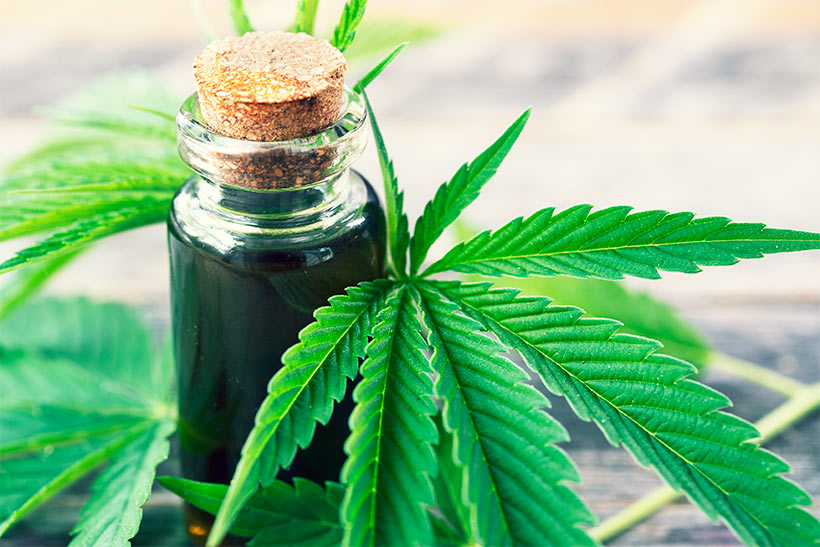
How to take medical marijuana

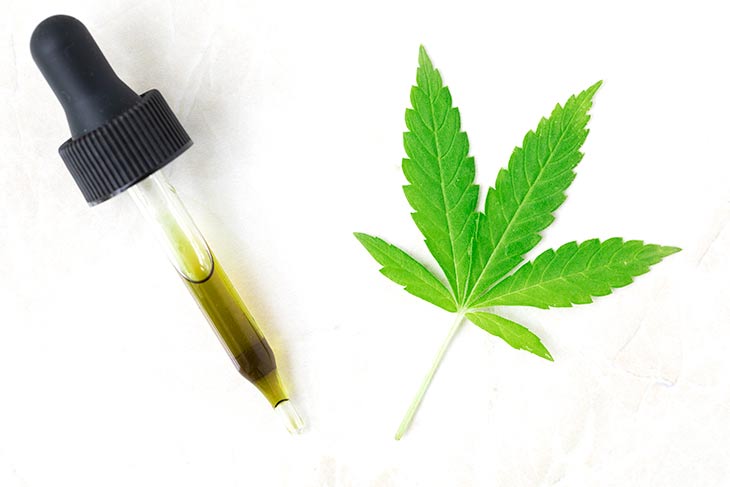
Smoking, in general, is not good for the lungs, but the good news is that medical marijuana can be consumed in various ways. Some methods work significantly faster than others, and it is important to assess the medical need before consumption. There is a vast number of products available on the market, and most medical consumers look at several factors such as discretion and convenience before deciding which is best for them. Medical marijuana can be consumed using vaporizers or glass and hand pipes, and there are many types available in online head shops like DankStop. Edibles are products that can be eaten and tincture drops that are placed under the tongue. These may take up to 2 hours to affect the body, but they offer a slower release that provides relief for much longer periods. Cannabis can also be used topically as creams or lotions, and merely need to be applied to a localized pain area. 

How does Medical Marijuana help?

While the FDA oversees normal prescription drugs, it generally does not offer the same attention to medical marijuana. There is currently only one FDA-approved cannabis-derived drug, Epidiolex, that is used to treat epilepsy. The anecdotal reports seem to hold little power, although millions have shown positive results even with diseases such as Alzheimer’s. It is well known that THC is the ingredient that produces the high sensation when the herb is used recreationally, but CBD on the other hand is non-psychoactive, meaning that it can provide relief without any euphoria. Medical marijuana has been used to effectively treat pain, anxiety, muscle spasms, insomnia, and Alzheimer’s, to name a few, and is the go-to for athletes dealing with chronic pain and inflammation. It is a science after all, and the cannabinoids attach to the endocannabinoid system within the human body to efficiently manage and often reverse the effects of these diseases. Over 60 peer-reviewed studies have been conducted on CBD, and it has been shown that this cannabinoid delivers neuroprotective, antioxidant, and anti-inflammatory qualities among many others. 


Medical marijuana may not be an alternative for everyone. Most consumers have turned to it as a result of the harmful side effects of pharmaceutical opioids that are more widely used. However, medical cannabis does not have the same addictive qualities as these opioids, and in fact, can even be used to provide long-term treatment and relief.