Frogs and Pollution

http://blip.tv/play/gYBm0PBcAg.x?p=1

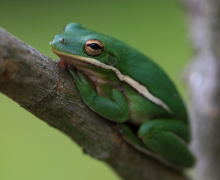
Amphibians are indicator species. Because of their sensitive permeable skin, scientists use amphibians to gauge the overall health of the worldwide ecosystem that we all share.  So with nearly half of the world’s amphibian populations in decline, we’re all potentially in big trouble.  But there are simple things you can start doing today to help.

The above film was made by Jen Grace from Montana State University

World’s Deadliest Snakes

http://blip.tv/play/htl24qViAg.x?p=1

Have you ever wondered what the world’s most deadly snake is?  We asked ourselves the same question.  In fact, in our travels we have wondered this many times.  Its not such an easy question either.  If you watch the crocodile hunter you will hear one thing, if you watch Austin Stevens you hear another.  And if you watch a BBC documentary you’ll likely hear another.

The trick is figuring out how they determine the deadliest and distinguishing deadliest from most venomous. Watch the documentary we created here and leave your comments.  We’d like to hear what you think is the world’s deadliest snake.

Top Toxic Snakes- LD50 Numbers

Ranking Based Just On Ld50 Test Figures (not on number of recorded deaths)

Species LD 50 mg/kg mg Venom yield
Hook-nosed sea snake (Enhydrina schistosa) 0.02 7.0 – 79.0
Russel’s Viper (Vipera russelii) 0.03 130.0 – 250.0
Inland taipan (Oxyuranus microlepidotus) 0.03 44.0 – 110.0
Dubois’s reef sea snake (Aipysurus duboisii) 0.04 0.7
Eastern brownsnake (Pseudechis textilis) 0.05 2.0 – 67.0
Black mamba (Dendroaspis polylepis) 0.05 50.0 – 100.0
Tiger rattlesnake (Crotalus tigris) 0.06 6.0 – 11.0
Boomslang (Dispholidus typus) 0.07 1.6 – 8.0
Yellow-bellied seasnake (Pelamis platurus) 0.07 1.0 – 4.0
Common Indian krait (Bungarus caeruleus) 0.09 8.0 – 20.0
Desert horned viper (Cerastes cerastes) 0.1 20.0 – 45.0
Common taipan (Oxyuranus scutellatus) 0.1 120 – 400
Common European viper (Vipera berus) 0.11 10.0 – 18.0
Tigersnake (Notechis scutatus) 0.12 35.0 – 189.0
Forest cobra (Naja melanoleuca) 0.12 ?
Puffadder (Bitis arietans) 0.14 100.0 – 350.0
Gaboon viper (Bitis gabonica) 0.14 350.0 – 600.0
Seakrait (Laticauda laticaudata) 0.16 ?
Neotropical rattlesnake (Crotalus durissus) 0.17 20.0 -100.0
Mojave rattlesnake (Crotalus scutulatus) 0.18 50.0 – 150.0
Egyptian cobra (Naja haje) 0.19 175.0 – 300.0
Harlequin coralsnake (Micrurus fulvius) 0.2 3.0 – 5.0
Ottoman viper (Vipera xanthina) 0.2 8.0 – 18.0
Erabu seakrait (Laticauda semifasciata) 0.21 2.0 – 14.0
African birdsnake (Thelotornis kirtlandii) 0.21 ?
Ringhal (Hemachatus haemachatus) 0.22 80.0 – 120.0
Olive seasnake (Aipysurus laevis) 0.22 10.0 – 33.0
Black-necked cobra (Naja nigricollis) 0.23 150.0 – 350.0
Saw-scaled viper (Echis carinatus) 0.24 5.0 – 48.0
Common mamba (Dendroaspis angusticeps) 0.26 60.0 – 95.0
Bar-bellied seasnake (Hydrophis elegans) 0.27 9.0 – 24.0
Spectacled cobra (Naja naja) 0.28 150.0 – 600.0
Annulated seasnake (Hydrophis cyanocinctus) 0.35 5.0 – 8.0
Fer-de-lance (Bothrops atrox) 0.35 100.0 – 200.0
White-lipped tree pitviper (Trimeresurus albolabris) 0.37 8.0 – 15.0
Hundred-pace pitviper (Deinagkistrodon acutus) 0.38 ?
Central American coralsnake (Micrurus nigrocinctus) 0.4 5.0 – 8.0

Northern moleviper (Atractaspis microlepidota) ? 5.0 – 10.0
Yellow-lipped seakrait (Laticauda colubrina) 0.4 ?
Jararacussu (Bothrops jararacussu) 0.46 200.0 – 321.0
Nose-horned viper (Vipera ammodytes) 0.48 ?
Common blacksnake (Pseudechis porphyriacus) 0.5 30.0 – 50.0
Deathadder (Acanthophis antarcticus) 0.6 70.0 – 236.0
Hardwicke’s seasnake (Lapemis curtus) 0.62 2.4 – 15.0
Southern coralsnake (Micrurus frontalis) 0.63 20.0 – 30.0
Blunt-nosed viper (Vipera lebetina) 0.64 12.0 – 150.0
Wagler’s pitviper (Tropidolaemus wagleri) 0.75 65.0 – 90.0
Cantil (Agkistrodon bilineatus) 0.8 50.0 – 95.0
King Cobra (Ophiophagus hannah) 0.9 350.0 – 500
Twin-spotted rattlesnake (Crotalus pricei) 0.95 4.0 – 8.0
European asp (Vipera aspis) 1 9.0 – 10.0
Western rattlesnake (Croatalus viridis) 1.01 35.0 – 250.0
Terciopelo (Bothrops aspera) 1.1 100 – 310
Jararaca (Bothrops jararaca) 1.1 40.0 – 70.0
Banded krait (Bungarus fasciatus) 1.2 20.0 – 114.0
Mamushi (Agkistrodon blomhoffii) 1.2 1.0 – 7.0
Eastern diamondback rattlesnake (Crotalus adamanteus) 1.2 200.0 – 850.0
Malayan pitviper (Calloselasma rhodostoma) 1.24 40.0 – 60.0
Picados pitviper (Porthidium picadoi) 1.33 5.0 – 70.0
Eyelash palm pitviper (Bothriechis schlegelii) 1.6 10.0 – 20.0
Timber rattlesnake (Crotalus horridus) 1.64 75.0 – 210.0
Common nightadder (Causus rhombeatus) 1.85 20.0 – 30.0
Lowland copperhead (Austrelaps superbus) 2 ?
Urutu (Bothrops alternatus) 2 60.0 – 100.0
Cottonmouth (Agkistrodon piscivorus) 2.04 80.0 – 170.0
Orsini’s viper (Vipera ursinii) 2.17 1.0 – 4.0
Western diamondback rattlesnake (Crotalus atrox) 2.2 175.0 – 600.0
Jumping pitviper (Porthidium nummifer) 2.4 40.0 – 60.0
Sidewinder (Crotalus cerastes) 2.6 18.0 – 50.0
Pygmy rattlesnake (Sistrurus miliarius) 2.8 12.0 – 35.0
Massasauga (Sistrurus catenatus) 2.9 15.0 – 45.0
Okinawa habu (Trimeresurus flavoviridis) 3.05 ?
Red diamond rattlesnake (Crotalus ruber) 3.7 120 – 450
Speckled palm pitviper (Bothriechis lateralis) 4 10.0 – 20.0
Bushmaster (Lachesis muta) 4.5 200 – 500
Rainforest hognosed pitviper (Porthidium nasutum) 4.6 12.0 – 25.0
Side-striped palm pitviper (Bothriechis lateralis) 4.84 10.0 – 20.0
Slender hognosed pitviper (Porthidium ophryomegas) 6.3 10.0 – 20.0
Godman’s pitviper (Porthidium godmani) 7.6 10.0 – 20.0
Rock rattlesnake (Crotalus lepidus) 9 129
Copperhead (Agkistrodon contortrix) 10.9 40.0 – 75.0

Visiting Homosassa Spring state park

Homosassa Springs State Park

Homosassa Springs State Park is a showcase for native wildlife of Florida.
The 210 acre park is located around this natural spring, which is the headwater of the Homosassa River that has its mouth out in the Gulf of Mexico. The temperature here stays at 72 degrees F all year-round, which attracts a great diversity of wildlife both in and out of the water. A section of the natural spring is closed off for the rehabilitation of West Indian Manatees.
Although it is most famous for its rehabilitation program on West Indian manatees, the park also holds most of the native wildlife found in the state of Florida including Florida Black Bear, Bobcat and even the highly threatened Red Wolf. The park also includes a couple of extra surprises you would not normally see in Florida…

The park also has about 350 volunteers that help in the operation, maintenance and improvement of the park.

Crew involvement

We visited Homosassa springs to shine light on the threatened West Indian Manatees that live in springs around Florida. The manatees are often injured from boat traffic, fishing lines and crab lines and today only an estimated 3500 individuals remain in the wild.
We were allowed to send Jonas down into the water with the 6 manatees that the park now look after. And if you think that these animals are shy, think again. Jonas even had difficulties getting the video he tried to get because these curious animals kept wanting to play. And when you have an animal of around 3500 pounds playing with you, there isn’t much else you can do. Just as an important reminder though, if you see manatees in the wild, do not chase them to get closer. If they feel like it, they will approach you. It is also against the law to touch them. They are wild animals that presently are very threatened.

jonas-manatee

Read more about the manatees here

https://untamedscience.com/biodiversity/animals/chordates/mammals/manatees-and-dugongs/manatees/trichechus/west-indian-manatee

More History

The park area actually used to be an exotic animal park with animals from all over the world, such as black spider monkeys, lions and bears. In 1989, the Florida State Park Service purchased the park from the county. Today all the exotic animals have been removed, except from one: Lu the Hippo, who was allowed to stay after locals put up a fight when Lu was supposed to be shipped out. Lu now holds an honorary state citizenship, still living in Homosassa park.

Daily Educational Programs

Wildlife Encounters: 10:30am & 2:30pm
Manatee Programs: 11:30am & 3:30pm
Alligator/Hippopotamus Program at 12:30pm

Costs

Adults (age 13 and over) – $9
Children (age 3 – 12) – $5
Children under 3 years – no charge

Visiting information

Park is open 7 days a week between 9:00am until 5:30pm
The park can be entered from two locations. Through the main entrance along Highway 19 in Homosassa you can go by boat or tram through beautiful forest scenery to the Wildlife Park where you can see many of the interesting Florida birds as well as a lot of alligators and fresh water turtles.

The park is located at 4150 S. Suncoast Blvd. (US 19 & 98) in Homosassa Springs, Florida

Common Forest Plants in Hawaii

http://blip.tv/play/geMCgdS6PgI.html?p=1

To help both travelers and locals learn about the flora of the Hawaiian Islands, I have compiled the most common forest species one will find in the Hawaiian Islands.  These species were selected based on the years of experience I had as a local nature tour guide on the islands.  The most common species a tourist might find when exploring the forests of all the main islands are listed somewhat higher on the list.  Less common species are listed lower.  The order is not exact, however, as I’ve added a few species toward the bottom that are locally abundant. Yet, this should give the traveler a good head start learning about the plants found in the forests.

Plants in Hawaii

Koa

Family Fabaceae

Plants Hawaii

‘Ohi’a lehua

Family Myrtaceae

Plants in Hawaii

Guava

Family Myrtaceae

Plants in Hawaii

Paperbark

Family Myrtaceae

Plants in Hawaii

Ironwood

Family Casuarinaceae

Plants Hawaii

Koster’s Curse

Family Melastomataceae

Plants in Hawaii

Candlenut tree

Family Euphorbiaceae

Plants in Hawaii

Koa haole

Family Fabaceae

Plants in Hawaii

Ti Plant

Family Agavaceae

Plants Hawaii

Kahili ginger

Family Zingiberaceae

Plants in Hawaii

Mountain Naupaka

Family Goodeniaceae

Plants in Hawaii

Malayan Ground Orchid

Family Orchidaceae

Plants in Hawaii

Wiliwili

Family Fabaceae

Plants Hawaii

Silk Oak

Family Proteaceae

Plants in Hawaii

‘Ie’ie

Family Pandanaceae

Plants in Hawaii

‘Lapalapa

Family Araliaceae

Plants in Hawaii

‘Ilima

Family Malvaceae

Plants Hawaii

Red Ginger

Family Zingiberaceae

Plants in Hawaii

Strawberry Guava

Family Myrtaceae

Plants in Hawaii

Christmas Berry

Family Anacardiaceae

Plants in Hawaii

Miconia

Family Melastomataceae

Plants Hawaii

Fiddlewood

Family Verbenaceae

Endangered Hawaiian Forests

As a nature tour guide on Oahu, I used to ask tourists to look at the green mountains that towered above Waikiki. “How much of that green do you think is introduced,” I’d ask. Responses would always vary but everyone was shocked when I told them that only about two percent of the forest plants on Oahu were native. That number wasn’t the total number of species but the biomass of the forest.

When walking through a lowland forest on Oahu, as in many of the other developed islands, it is difficult to even find a native species. The two most easily seen are Koa and ‘Ohi’a. If you’re in a good spot you’ll see many others, but the uncomfortable truth is that the forests are not like they used to be. Invasive plants have colonized the islands and are taking root faster than native species can grow back. Much of the forests are also secondary growth, having been cut down in the 1800’s and early 1900’s for cattle ranching.

How to learn more about plants in Hawaii

There are some great books and online resources to help the casual observer learn about the amazing diversity of native and non-native plants in Hawaii. The following is our list of top sources.


As a final note, this resource is an ongoing project. It’s something I do when I visit the islands (now that I’m living on the mainland). I’ve linked to the main species here, but have yet to create videos for all of them. If you want to help you can take some video, post it to Youtube and send me the link. I’ll link each species to the appropriate video. Happy planting!

How Frogs Mate

When frogs mate, the male frog tends to clasp the female underneath in an embrace called amplexus. He literally climbs on her back, reaches his arms around her “waist”, either just in front of the hind legs, just behind the front legs, or even around the head. Amplexus can last several days! Usually, it occurs in the water, though some species, like the bufos toads will mate on land or even in trees! While in some cases, a complicated courting behavior occurs before mating, many species of frogs are known for attempting to mate with anything that moves!

Check out the above video to see some examples of mating frogs!

Rhino Poaching in Swaziland

Our contact in Swaziland, Elaine Franklin just sent me this breaking news. On June 4th the first rhino was poached in Swaziland in almost 20 years. Devastating and sad, to say the least. It has been in the local Swaziland papers ever since the incident. Apparently this didn’t make international news and so she sent the news to us.

Unfortunately, the rhino threat was reported in April by the rhino conservation society. Here they stated that “seven people were reportedly arrested … for illegally hunting animals in the three protected areas of Swaziland’s Big Game Parks (BGP).” Unfortunately this threat resulted in the death of one rhino this June.

Swaziland only has a very small rhino population; they have 89 white and 18 black rhinos, as reported by TRAFFIC in 2009.  Rhinos are under attack because their horns are thought to have medicinal value in the far east. Unfortunately this is a myth that is killing the rhino.

Luckily suspects have been apprehended and have had their preliminary court hearing. Franklin hopes this will let the international organized crime ring behind them know that they can’t get away with poaching in her home country.

Meanwhile, rhino poaching in South Africa has been escalating and 333 rhinos were poached in 2010 alone. Everyone should be aware that anything made from rhino horns should not be purchased.

More information

Tip to Tip: Cycling the Americas

TiptoTip

In the summer of 2012, the crew of Untamed Science will begin their most extensive adventure to date: A one year tip-to-tip America ride to promote an understanding of the natural sciences on these two continents. Along the way, they will observe the way people live with nature, whether in cities, wild places or rural villages. What are the issues in these places? How well do the locals understand the importance of chemistry, environmental science, biology and ecology in shaping the way they live with the wildlife around them?

http://blip.tv/play/geMCgrD_DgA

How do people’s perspectives on life and nature differ in relationship to where they live?

Beyond the crew’s goals to learn about the people and wildlife along the way, the story on screen is one of adventure and exploration.  Our world is full of interesting and often crazy people.  Trips like this tend to be magnets that pull them out of the woodwork.

biketrip

The Riders


robRob Nelson (Biodiversity): 
Rob has a masters degree in biology and filmmaking. He has been an active guiding force in Untamed Science since the beginning and continually pushes the crew to test the boundary of inspirational science filmmaking. Rob’s goal on this trip is to explore the ever-changing diversity of organisms in each region – from invasive species to endangered organisms. Rob has already taken 3 long distance cycling adventures, including Cycling the Last Frontier (2004).


louise_0Louise Fornander (Chemistry):
 Currently, Louise is getting her PhD in physical chemistry from Chalmer’s University of Technology in Sweden. Her main passion is to communicate the complexities of life through chemistry. To show that chemistry is everywhere on our journey, she might explain the chemistry behind the toxin of a poison dart frog or the chemistry behind climate change.  She is presently the host of a 12-part chemistry series for the International Year of Chemistry initiative.


haleyHaley Chamberlain Nelson (Food and Culture):
Haley is a biologist from the College of Charleston whose main focus has been on communicating science in an effective way.  Because Haley is extremely focused on family, one of her main interests on the trip is to explore food and the way each cultures view the food they take in.  Haley was the lead producer for our recent 80 part science series for Pearson publishing, and she produced 48 original songs for the topic of this series.


jonasJonas Stenstrom (Adaptations to Extremes): 
 Jonas is the other Swedish adventurer on this journey, and he’s willing to do just about anything to learn and share about the world around him.  On this trip, Jonas has made it his mission to explore the environmental extremes and adaptation. He plans to take the crew through the extreme habitats to explore how animals survive in those areas.  Jonas has been a producer with Untamed Science for 5 years.

The Route

The
amapjourney will begin in Prudhoe Bay, near the Arctic National Wildlife Refuge. The team will travel south through the Yukon, British Columbia, and then down through Washington, Oregon and California.  From there, they will ride east towards Texas and then south through Veracruz, Mexico, across Belize and Honduras, Nicaragua, Costa Rica, and Panama. The team will take a boat around the Darien Gap and ride through Columbia to the Ecuadorian Amazon.  Finally, the team will ride through Peru, Bolivia, south through Chile – ending the trip in Tierra del Fuego, Argentina.

Nomad Travel

The only rule on the trip is that the team can not pay for hotel accommodation.  They are setting up a site where people can volunteer to house us for a night and show us the wildlife in their neck of the woods.  We feel it’ll be the most important way for us to fully understand how people feel about the wildlife that surrounds them. Plus, it will give Haley a chance to experience the cuisine from the locals!

hostnow

The Travel Diary: Video Updates

In 2004, Rob Nelson wanted to test the feasibility of doing a trip like this – updating a travel blog with video and written content while on the road. At that time, travel blogging (especially with video) was very young. With only one other rider, he produced 22 videos in 2,000 miles of cycling!

The current crew has 4 travel writers and filmmakers who are each dedicated to tell voicing their own perspective on the trip: Food & Culture (Haley), Biodiversity (Rob), Adaptions (Jonas), and Chemistry (Louise).  The video travel blog will be made for a young adult audience with the intent of distributing segments in multiple venues.

Atacama-desert

Transportation

Primary Transport

The entire trip will be made on bikes, kayaks, sailboats, and dugout canoes.

Support Vehicle: Electric + Solar = Green Transport

In May of 2011, Rob and Haley will have their first kiddo – baby Mamba. Even in a perfect world, the back of a bike isn’t the greatest daily transport for a newborn – but that’s not stopping the crew. Haley is intending to bring Mamba with her in a support car, where she’ll be able to bring a filmmaking companion with her through each section. The support vehicle will allow the Nelson family to continually stay together and increase the ease of the video production.  With the aim of keeping all crew transport “green”, the crew is aiming to acquire an electric car, decked out in solar panels – making as much of the transport as possible completely renewable and eco-friendly.

electric-car

Cultural Visits on the way

Along the way, the crew wants to visit and learn from the locals.  In their travels, have found that some of the most odd, interesting, inspiring and meaningful experiences have come about through seeking the advice of locals. Sometimes the people have a long history, such as indigenous groups. Others are recent migrants.  No matter who the people, the team will gather valuable perspectives as they cross the continents. Here are some of the possible groups we may be seeing along the way:

  • Cowboys
    Jonas-Stenstrom – in the western US
  • Warani Tribes – Ecuador
  • First Nations People – Canada
  • Inuits – Alaska
  • Hipsters – Seattle
  • Hunters/Trappers – Alaska and BC
  • Surfers – California Coast
  • SCUBA Divers – Roatan and Belieze
  • Chefs and Food – Mexico to Columbia

Environmental Science Web Series

The crew will produce 19 environmental science videos that can compliment the 19 topics in the untamed science environmental science series intended launch just before the trip leaves. These topics align with what a traditional environmental science book would cover. Check out the ideas for topics here!

lastfront

Mapping the Journey

The route from north to south has many possible destinations along the way. We’ve highlighted a few of them, just to get an idea of the viable adventure the team is planning on doing.

bigmap

Environmental Science Video Ideas

Economics and Environmental Policy

In western BC, the government has supported large scale salmon farms. After years of production, these farms have breed lice and disease that have all but eliminated wild salmon from the Frasier river. We’re visiting local activist and BC filmmaker Twyla Roscovich to learn more about how government policies can affect entire regions … and what and understanding of science can do to help save the wildlife of the area. The following is an short video Twyla made about this topic.

env-salmon-farms

Environmental Systems – Water Cycles

The water cycle is fairly easy to conceptualize, but not many have done it quite like we plan on doing it.  We plan to hike the to the top of Acongagua, the highest mountain in South America and then follow the snow and rainmelt on its way to the sea.  It’s an epic cycle, that deserves an epic tale.

env-watercycle

Population/Community Ecology – Orcas/Sea Otters/Sea Urchins/Giant Kelp

Nearly every textbook that talks about populations and communities talks about the classic study that showed the relationship with Orcas and Giant Kelp.  Each predator has control over lower trophic levels.  However, even though this is long-quoted study, what is going on today with the sea otters?  Are the orcas still preying on these fury mammals?  We plan to start our investigation in the Kenai Peninsula, AK in the town of Seward.

env-kelpforest

Invasive Species and Biodiversity

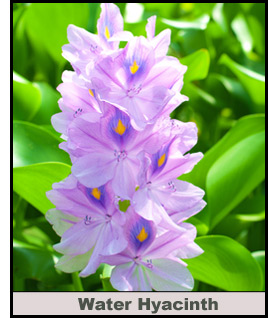
We all know invasive species have been causing havoc all over the world.  However, we haven’t thought about what our native species are doing in other places.  We plan on looking at two organisms, both of which are causing problems in the opposite location.  We’ll look at Water Hyacinth, a south American native aquatic plant that is destroying North American waterways.  We’ll then look at the bullfrog, and American native that is destroying south American native ecosystems.

World Biomes – The Chaparral, the Desert Scrub, the Desert, The Tundra

We have four biomes left to complete our series on world biomes.  We’ll hit all four on our journey.  The Chaparral in southern California, the Desert Scrub in Mexico, the Desert in Chili, and the Tundra in northern Alaska.

Biodiversity – The Yasuni

The most biodiverse spot in the entire world is a small section of rain forest in Ecuador currently protected known as the Yasuni. This wild amazonian rain forest is home of the Huaorani tribes, and home to more plants and animals per hectare than anywhere else on earth.  Yet, oil has been found in this park and the government wants the western world to pay them to protect it.  The battle isn’t over.  Could the most biodiverse spot on earth fall victim to an oil rush?  We plan on heading into the jungle, talk to the locals and get the real scoop.

env-yasuni

Human Population

In most textbooks, human population growth is compared between developed countries.  In the textbook we grew up with we compared Mexico to Sweden.  Since Jonas is Swedish and we’ll be traveling through Mexico we thought this classic example would be great to reexamine – starting in a large city in Mexico – Mexico City.

Enivornmental Health – Biomagnification

DDT is still being sold to farmers in Mexico. Why?

Urbanization – Green Building

We plan on finding a key example of green building, and examine just what it takes to make a home green!  In particular, we’ll be looking for a Earthship.

env-green-building

Forest Management: Deforestation in the Amazon

Learn about deforestation in the Amazon.

Agriculture

Where does our food come from?  You think you know where your bananas come from, but we’ll trace where the bananas you buy actually come from as we tour a plantation in Costa Rica.

Mineral Resources and Mining

We’ve heard there is a green gold mine in Bolivia.  Sound unusual?  Lets check it out.

Water Resources – Kayaking the Green river in Utah

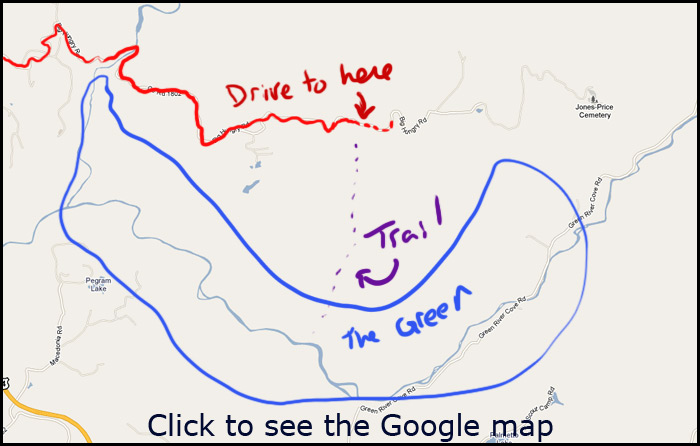
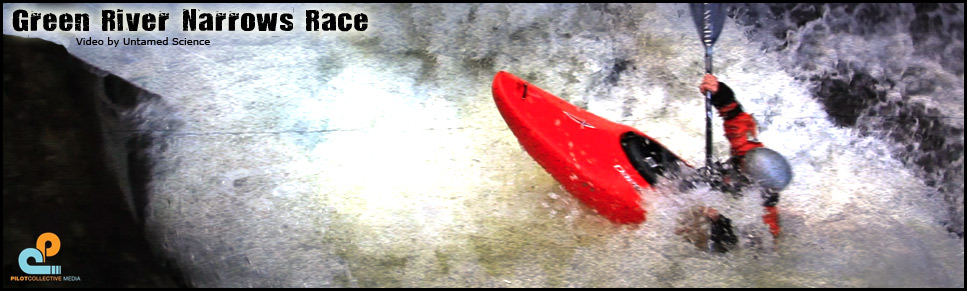
Water has always been somewhat rare in the desert. Today, water shortages are becoming even more of a problem.  We learn a bit about what’s happening to water resources as we kayak down the canyons that lead to the Grand canyon.

The Atmosphere – Skydiving

We couldn’t do an entire trip without finding a way to go skydiving. Skydive Arizona in Eloy is one of the top places in the world to skydive, and its right on our path. What a better place to look at the complexities of the atmosphere than as we skydive through it!

Global Climate Change – Melting Glaciers

Exit glacier is a large glacier near Anchorage Alaska that has been rapidly receeding since they started tracking it earlier this century.  We’ll talk about some of the issues of climate change in relation to this one glacier.

Non-renewable Energy: Fossil Fuels

At the very start of our trip we’ll be in the Arctic National Wildlife Refuge in northern Alaska.  Its here that they’ve found oil – it just so happens be under the largest calving ground of caribou in the Northern Hemisphere. Right now they have not started to drill, but what do the locals think of the proposal?

Renewable Energy Alternatives – Hydropower

Damns can create enormous amounts of energy as the potential energy of water is released. Chile has many wild rivers, just waiting for a hydropowered damn to go in. But what effect will this have?  We’ll kayak the mighty Feudalafu, in Chile and explore what effect these damns are having to the people and biodiversity of the area.

Waste Management

Landfills – how do different countries manage their waste.  We’ll compare the US to Guatamala.

Music Production during the Elementary Science Series

For two weeks the “Charleston Team” (Jonas Rob and Haley) will be Charleston SC recording the music for out next big video series.  We’re putting the music into a series of music videos that are going to blow your socks off!

It just occurred to us though that you all might like to see where we’re actually doing this. In many ways its kind of “untamed” as well.  We didn’t expect this until we got here, but our contact Chris set up this sweet facility where we’ll be working for the next two weeks.  Check it out.

http://blip.tv/play/hNNNgd7fBwA

Meet the Faces from this Video


robRob Nelson:
Rob is both a marine biologist and filmmaker by training. He has been an active guiding force in Untamed Science since the idea to teach and inspire first occured to Rob. He now leads thepodcastingefforts,world biomes site, and biodiversity pages. He also stars as an oncamera personality in many of the episodes of the new BioAdventures DVD that is being produced with Pearson Publishing. Rob is an active Scuba Diver and Extreme Sports junkie …more on Rob


jonasJonas Stenstrom
: Jonas is one of the lead producers for our science outreach videos online and through Pearson Publishing. He is the primary Dive Rite Ambassador contact for the crew and is working to help promote Ocean Awareness with the Untamed Science team. Jonas worked with the Save our Seas Grant to help promote ocean awareness through a whole slew of online aquatic ecosystem videos. He also has a passion for adventure sports. Jonas is also an oncamera host …more on Jonas


haleyHaley Chamberlain:
Haley is one of our oncamera Ecogeek faces. She is both a biologist and actress by training. As an ecogeek she has ben in charge of our elementary science programs and music videos. Her passion for music and learning have gone far beyond her on camera presence however. Haley travels extensively to schools around the country giving shows about science to students of all ages.Read more about Haley


Kennedy Space Center

From space, you can easily see the large island that the Kennedy Space Center is on.  This is of course, the launching ground for all of NASA’s rockets.  Missile Control is in Houston, but the launches all happen right here.

Seeing a launch has been Haley’s dream for a long time.  She has missed a few and watched others on TV. This year, we drove down to try and document the last launch of the Discovery Shuttle. To do that we got media passes, which lets us go behind the scenes, interview astronauts, and get a special spot to view the launch.  Plus, we get to see the whole thing from the special press section.

Here is a quick update from the front line:

Insert Video of the entire trip.

Media Perks

One of the main benefits of being in the media is that you get to see things a lot closer than you would if you were a VIP or tourist.  We end up seeing the launch from about 3 miles away.  Apparently there are only a few people that are any closer, one of which is the fuel team.  You don’t want to be much closer though as that shuttle is packed with a lot of explosive rocket fuel!

The Press staging area

Upon getting through the gates, we went to the press area.  Its basically a large complex of buildings in front of the vehicle assembly building.  Just in front of this building is the historic “clock” where the countdown is shown.  Oddly, the only people that ever see this are the few media that film the launch. Yet, it becomes the classic and somewhat iconic view of space launches.

Press-area

Inside the press building, there are rows and rows of tables with reserved seating for all the big news affiliates – CNN, ABC, Channel 2, … There are several live feeds from NASA cameras that are being displayed on a board.  All these feeds are being picked up by the news channels, who then turn around and air any footage they want.  Even media like us have the opportunity to grab the feed, just after it is shot and do with it as we like – free of charge.  Its a great system.

In the back of the room is a table with several sheets of paper for things to sign up for.  Since the media needs to be bussed around the facility, there is limited space to take people to the designated spots.  You can interview astronauts, watch the astronauts come out of their buildings before the launch, you can go place remote cameras in the marsh before the launch … and many other cool things.  We signed up for a few, the coolest of which was the roll-out.

The Rollout

After the shuttle is crawled out to the launch pad, the press are allowed to go out to watch what is known as the rollout.  Basically, the series of mobile scaffolds that are in place to help engineers check the rocket are “rolled away” from the actual ship. Its an amazing sight.  While most people are at least 3 miles away by now, we’re only about 300 yards from the actual space shuttle.