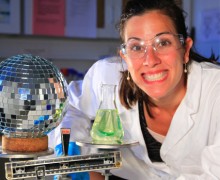
Here at Untamed Science, we are big fans of including sports in our science videos. We’ve done this in the past with kayaking, skydiving, and cycling, to name a few. With the Sochi 2014 Winter Olympics rolling around, we thought we’d look at some really fun Olympic science. To do that, we’ve teamed up with Brain Craft and The Curious Engineer to create the ultimate Olympic Science Playlist. Here is the first one, an introduction from me:
And just in case your playlist is not working, here are the others. Mine is about the science of altitude training:
BrainCraft asked how brain training improves athletic performance. In typical BrainCraft fashion, Vanessa went about using paper cutouts to show a really cool research project. Here she looked at the science of visualization. In my past life as a competitive swimmer, I remember doing this on cool-down days with the team at the pool. I always wondered if there was science behind it; apparently there is!
I wrapped it all up with a look at how our bodies can fly in the wind! (And don’t think I wasn’t trying to find an excuse to get into the wind tunnel one more time.) I need to say a special thanks to Derek Perkowski for letting me use some of his footage. He’s an amazing guy. Thanks, Derek.
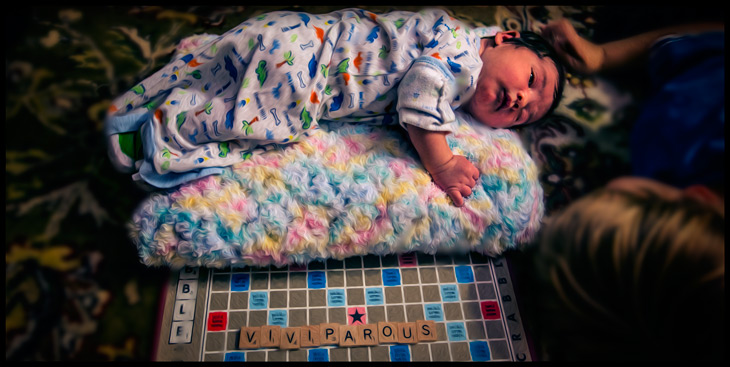
Humans aren’t weird…or are we? Hard to say, isn’t it? The reason I bring it up is that weird and unusual births really are relative. Animals have many ways of giving birth, and only our closest relatives in the animal kingdom do it like us. So let’s explore some unusual births.
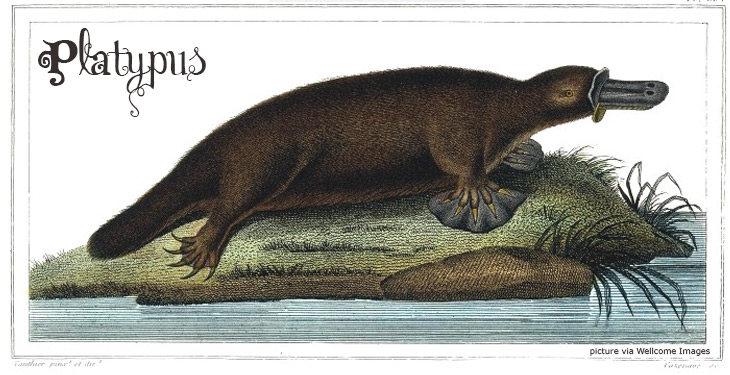
Duck-billed Platypus
Not only is the duck-billed platypus an unusual critter, it has an unusual birth. It is a mammal that lays eggs (oviparous). If you’re a fellow monotreme (there are only five species), this might not seem all that odd. For mammals, this seems really odd.
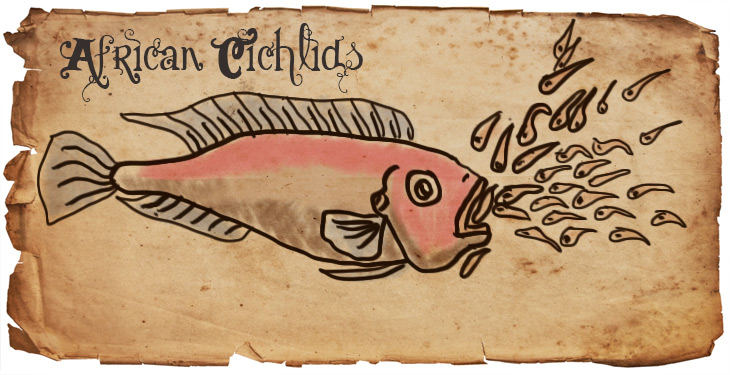
African Cichlids
Fish have a huge diversity of birthing types. Some give birth to live young (like guppies) and some lay eggs (like damselfish). The unusual thing about African cichlids is the way they raise their young. Some are known as mouth-brooders, meaning that they care for the young by sucking them into their mouths. I’m a parent myself, and I like making sure dangerous predators don’t get to my kids. But sucking them into my mouth never crossed my mind. I physically couldn’t do it, but if I could, I’m not sure I would.
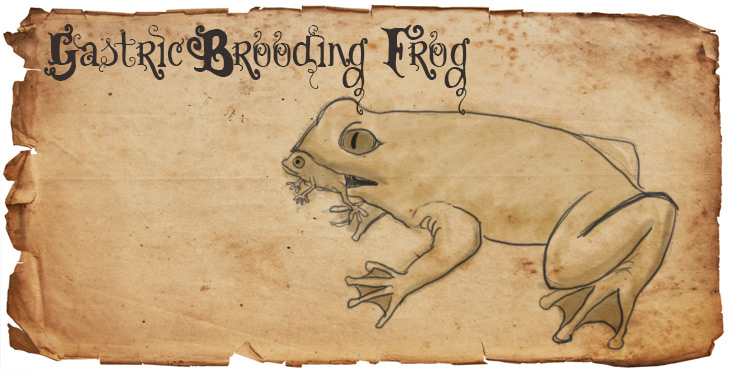
Gastric-brooding Frogs
Gastric-brooding frogs do the same thing as the mouth-brooding cichlids. For frogs though, it’s highly unusual. Sadly, this frog went extinct in the 1980s. (Through the miracles of modern science, there is a chance we could bring them back. Should we? I don’t know. I might leave that topic for another post.)
Hammerhead Sharks
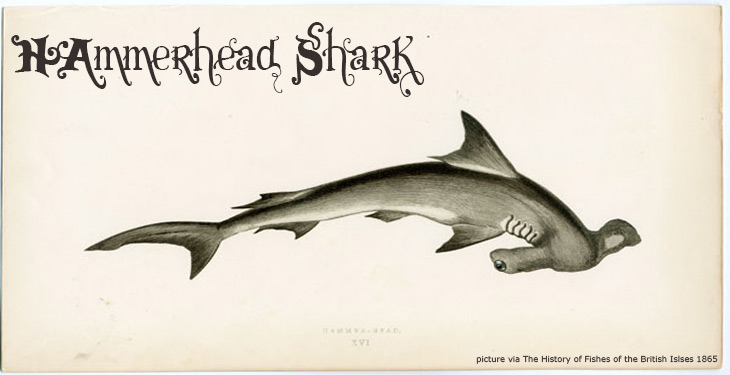
In 1999, a captive hammerhead shark in a Nebraska Zoo gave birth to another hammerhead. But the mother was the only hammerhead in the tank. It was a virgin birth! Scientists call virgin births parthenogenesis. It’s basically like giving birth to a clone of yourself, and it’s really odd. Only a few other animals are known to do this. The most notorious are some species of geckos and lizards.
Surinam Toad
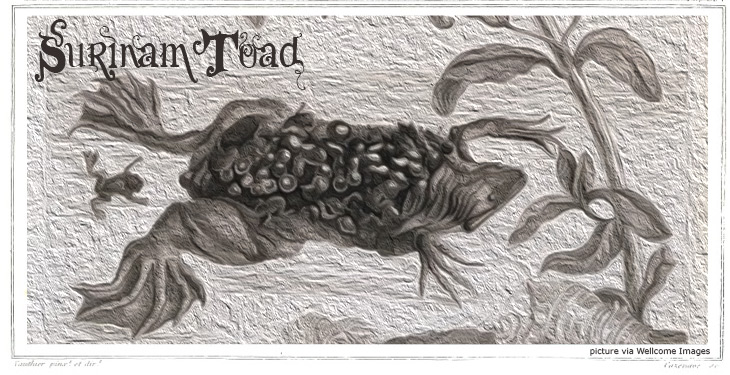
For the grossest birth, I refer to the Surinam toad. It lays eggs, and the male places them on the female’s back. She then proceeds to grow a skin up and over the eggs, incubating them until they hatch. At this stage, the little babies wiggle out of the moms back. As much as other biologists say it’s a beautiful process, it’s kinda gross. I have to admit. Haley recently talked about it on Nat Geo Wild’s show, World’s Weirdest.
An Update from Untamed Science
We wanted to share this post now, because as of January 8, 2014, Haley and Rob have a new baby boy: Leo Wilder. He was part of the inspiration for this article. Thanks again for following what we do on Youtube and here at Untamed Science!
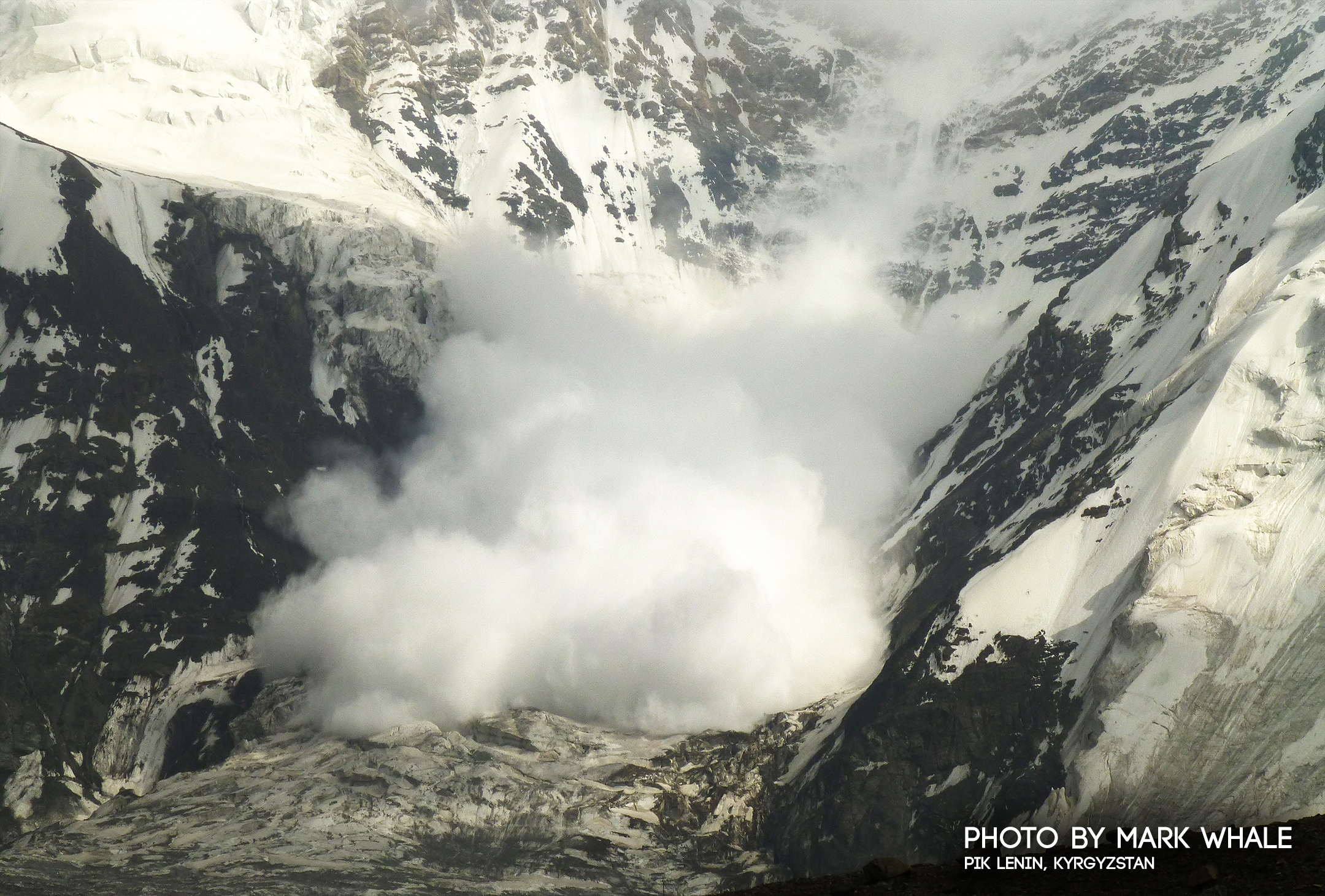
I created this video to give you an idea of what avalanche factors to look for when you’re skiing, including slope angle, slope direction, weather, and wind. I created it because I’ve been thinking a lot about avalanche safety, ever since our last trip to the French Alps …
The first snow had fallen and instantly awoke memories from last season’s trip. We spent every day searching for the best powder. When the snow is deep and soft, you feel like nothing can hurt you. If you fall, it is like falling into a pool of feathers (just a tiny bit colder).
As the days went by, the runs got steeper and farther away from the safe zones of the prepared and marked slopes. We were a group of eight experienced skiers with a guide to help get the most out of our days. Our guide really knew the area, not just where the to find the best snow but the dangers to avoid.
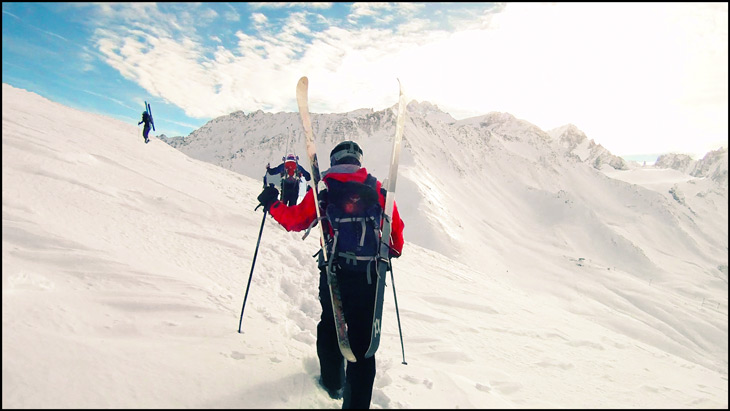
One day we started the morning with a hike up and around one of the of the peaks, far from the lifts and the crowds. We were the first to get to the spot, and the snow was awesome. We went down one at a time and tested the snow before riding, stopping to wait for the others behind big obstacles. We would never rest in the middle of the slope. These were all safety measures we had been trained on, and the run was amazing.
Everyone got down safely, so you might wonder why I brought this up at all? Well, this was the kind of place where an avalanche could start. We did all we could to make sure it didn’t and that we would be safe.
We took the ski lift up again and started traversing the hillside between two slopes. We passed some scattered trees and forest not too far below. There were also tracks from other skiers who had been there before us. In comparison to where we had just been it wasn’t very steep, and it was not at all as exposed. There was a slight drop on our downhill side to the left, but nothing extreme. After the small drop was an area with what seemed to be pretty nice snow, and we were all getting mentally prepared to turn downhill, but our guide kept traversing the side of the hill herding us to the side that didn’t look even half as nice. We were all a bit bummed and wondered why we weren’t going down where the snow looked the best.
He pointed to the nice snow and explained that last year he had been part of the rescue team that searched this area for a man who was swept and buried by a big avalanche. The man had been skiing with his girlfriend just before dusk, and she was wearing the only transceiver they had. The search team probed the snow, seeking a needle in a haystack, and astonishingly found the man alive. He had been buried for four hours!
All of us felt that we knew where an avalanche could potentially occur, and this was not it. Our guide’s story changed that. We looked at the mountain a lot differently from that point on. In the following days, we practiced one simulated avalanche rescue scenario per day until we were able to find our “victim” (a transceiver in a plastic bag buried in snow) in three minutes or less. Definitely worth sacrificing 30 minutes of skiing.
Before you head out this season, make sure you brush up on your avalanche safety skills. Don’t forget transceivers, probe, shovel, and other safety gear. Practice how to use them in a safe setting. I do this every year, and the guides we know do it multiple times a year, even though they are experts.
Transceiver. This is an electronic device that everyone needs to wear (and make sure is ON). If someone is hit and covered by an avalanche, the transceiver will signal its location to others. Make sure you know how to use them.
Good collapsable shovel. They are small enough to fit in your backpack and can dig through compact and hard snow after an avalanche.
Probe. These look sort of like tent poles. They are used to poke through the snow to find victims. They are really lightweight and simple but will save you valuable time searching for missing people.
ABS backpack. This is a special Airbag System built into a backpack. It is used by many backpack brands and will help keep a person hit by an avalanche “floating” on the snow rather than being buried.
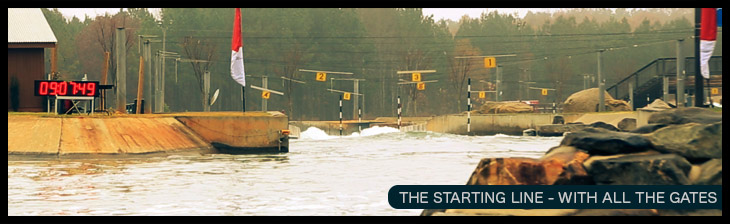
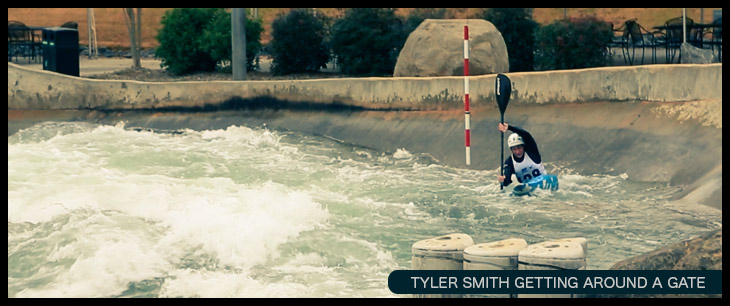
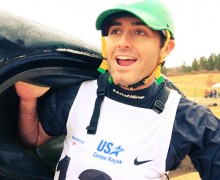
Today was my first slalom race! If you’ve never seen slalom kayaking in action, I put this short together for you to watch first.
I’m relatively new to kayaking (this is only my third year), and it really is one of the most fun sports I’ve tried. I’ve also noticed that I am one of the older slalom paddlers on the water. Camren (my ex-rugby playing kayaking partner) and I talk a lot about what makes this sport different from other sports we’ve played. To elaborate a bit on our conversations, here are the top 5 things we find unique about slalom kayaking.
1. You versus the Gates
First, the “team” aspect is kinda relative in this sport. It really is just about you and the gates. In that sense, it’s a bit like swimming or the time-trial section of a bike race. The time keeper signals that it’s your turn, and it’s your goal to get through the course as quickly as possible. Touch a gate, and you get two seconds added to your time. Miss a gate, and you get 50 seconds. And you have another racer starting a minute behind you, so you’d better not be too slow!
2. Unpredictability
The main problem with this whole you-versus-the-clock aspect of the sport is that each race is ever so slightly different. One of the physics videos we’re doing this year is about chaos theory. Now that I’ve kayaked, all I can see is its unpredictability. The water is ever-changing, so you need a lot of tricks up your sleeve to be prepared for what the water throws at you while you’re trying to make the gates.
3. The Fear Factor
I don’t want anyone thinking that racing is scary. It’s not that scary. By the time you’re at the highest training level, you’re pretty comfortable around white water. However, it is very scary when you start. If you have problems with claustrophobia or fears of drowning, you’re going to have a tricky time getting into this sport. Imagine squeezing into a relatively small opening and essentially locking your legs in and securing a skirt around the boat to make sure you don’t fall out if you go upside down. Also know that the river has rocks in it, which fly by your head, adding to the urgency to get back up. Now realize that if you do go upside down and for some reason lose your paddle or can’t get over, the only way out is a little release cord on that kayak, which you better find in a hurry.
Essentially, there is no easing into slalom kayaking in whitewater rapids. You just do it. To put this in perspective, I’m a skydiver. I like to jump out of planes. The first few jumps are scary because you can’t ease into that first jump. You have to commit and go for it. If you’re tentative, you risk really messing it up, which hurts.
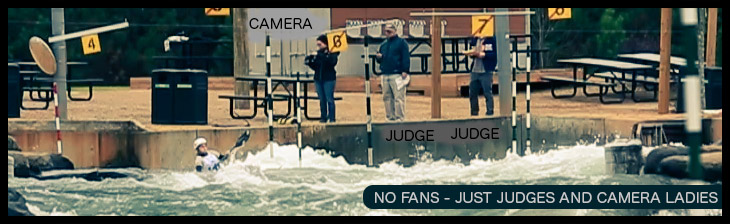
4. The Fans
I’ve never played sports that attract large crowds. I’ve been a swimmer, cyclist, soccer player, wrestler, and triathlete for much of my competitive career, and none of those sports attract much of a crowd. Slalom kayaking here in the States isn’t much different. In fact, I think I had more people at my 7th grade football games than I’ll ever have at one of these. I’m ok with that, though. (I’m already married, so I don’t have to worry about picking up the ladies!)
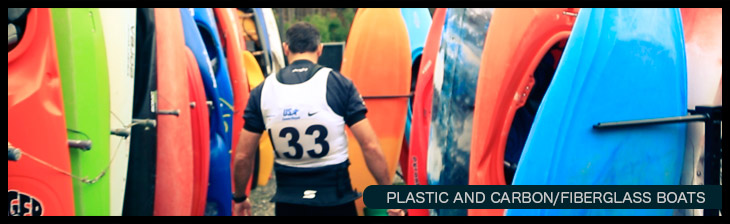
5. Your Gear
Kayaking isn’t as gear-intensive as say race car driving, but it ranks somewhere in there with triathlons or cycling. Most of your skill comes from knowing your stuff, but having a good boat is a significant factor. I have a really old boat with lots of holes. It’s not ideal.
When I was in first grade I was really jealous of one of my classmates. His dad worked at the local dump, the place where people got rid of all sorts of awesome, broken stuff instead of getting it fixed. Why was I jealous? Because my friend’s dad was also really great at fixing those awesome things, so my friend had all sorts of fun toys. Like his own pinball game. Seriously, who else has a pinball game at home!?
At the time I didn’t think too much about recycling, just how awesome it was to be able to get all the cool toys people threw away. Now, one of my biggest pet peeves when I’m out in nature is finding trash. It really messes with my experience as I love traveling and seeing beautiful, untouched nature. But I also think about recycling from a more global perspective. When I was in elementary school there were around 5 billion people on the planet; today’s population is calculated to over 7.1 billion and estimated to reach 8 billion by around 2025 (we even did a video on that). The equation is simple: More people = a need for more resources.
I know, this whole global resources and recycling talk is something we are fed every day on the news, and there are voices screaming that they don’t want to be told what to do. I don’t want to tell anyone what to do; it really comes down to everyone making a justified and conscious decision. But seriously, I just don’t see any problem with the idea of separating the trash and having it recycled.
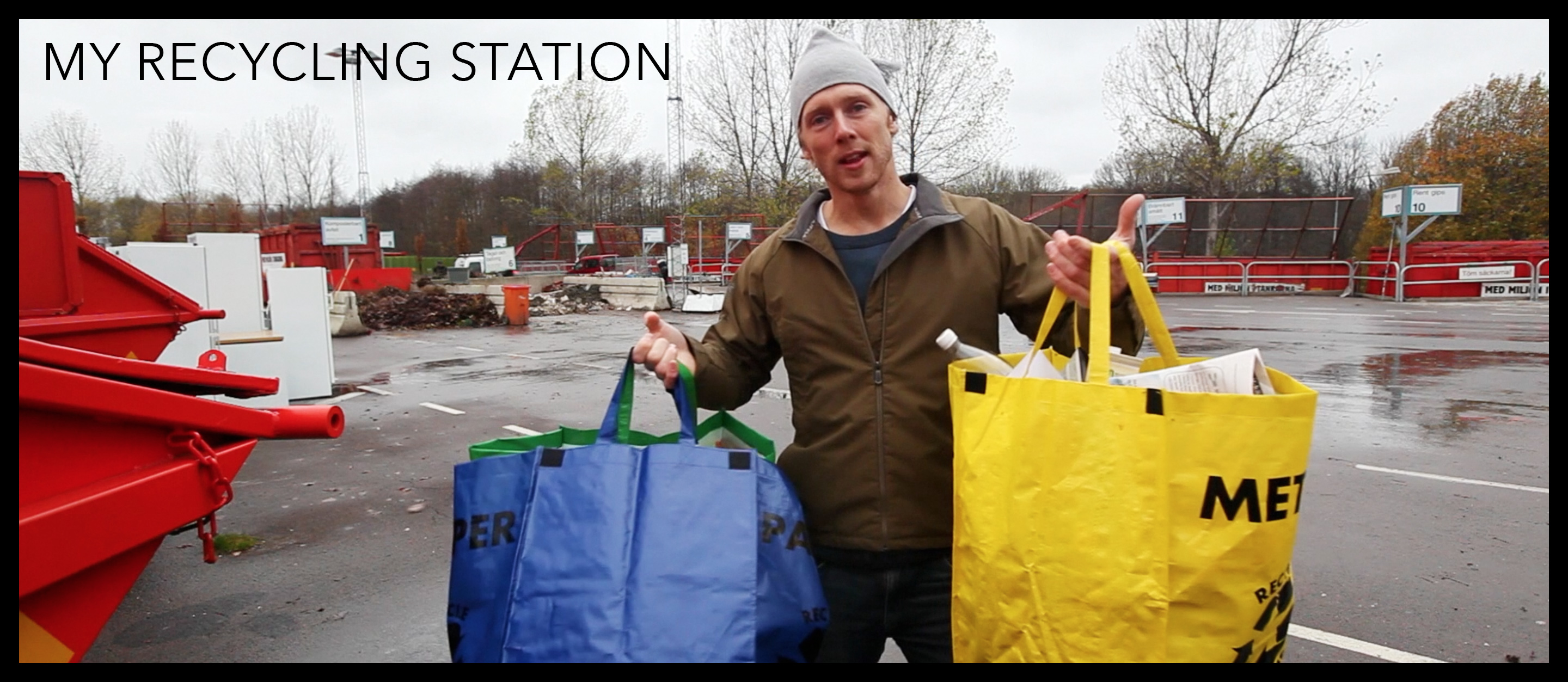
Where I live in Sweden, we are fortunate to have small, public recycling stations available everywhere. You usually don’t have to travel more than 1km (around half a mile) to find one. Plastic, glass, metal, newspaper, cardboard, and batteries each have their own bins.
Metals
Metals are separated from each other through different processes. Magnetic items are easily separated from non-magnetic ones. Then using techniques like electrolysis, where electricity is used to drive a chemical reaction, the different metals can be further separated from each other and purified.
I found out that we use about 475 billion metal cans worldwide each year. That is a lot of metal!
Steel (iron) and aluminum are two success stories in recycling; both are relatively easy and very cost-effective to recycle. The energy it takes to recycle these (and most metals) is far less than it takes to mine new metal ore, and it avoids the negative impact mining has on the environment.
Glass
Most glass bottles and jars can be recycled. Clear and colored glass should almost always be separated right away; one colored glass bottle in with clear glass can ruin a whole batch of recycled clear glass.
There are some glass items that are trickier, like light bulbs. How to handle light bulbs seems to differ quite a bit depending on where you are. Some places say they shouldn’t be thrown out with the rest of your waste, but in other places they should. Some light bulbs contain mercury and should be returned as hazardous waste. Incandescent bulbs are generally not recyclable, but many places recycle them separately and make use of their parts (like metals). The newer low-energy bulbs are apparently easier to recycle.
Plastic is tricky. Plastics are usually synthetic solid materials that can be made in a variety of ways, resulting in many types of plastics. Some can be recycled but some cannot. Some plastics can be recycled for only a limited time after manufacturing; over time they become too brittle and worn to be recycled.
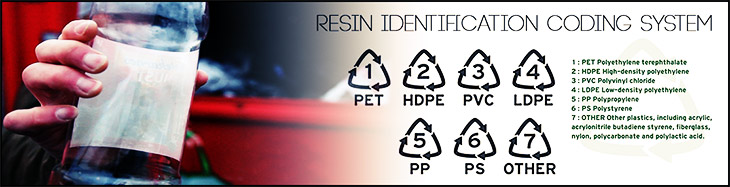
There are also great differences in how we handle recycled plastics around the world and locally within countries. To make it easier to figure out what kind of plastic we are holding and what recyclers should do with them, the Society of the Plastics Industry (SPI) developed a code system in 1988. You have probably seen the symbols; these are Resin Identification numbers. The number indicates what kind of material it is.
There are some items that don’t have this code, like most plastic bags. In some places you are only allowed to recycle plastics if they have a Resin Identification number. Check what the situation is in your area to know for sure. But whatever you do, please don’t leave plastics in nature. They take forever to break down.
Paper
Paper comes from the cellulose fibers in trees, so some might say, “Hey, trees are natural and they grow all the time. Perfect, we should have plenty of paper!”
Well, that’s partly true. Trees are renewable, and that is great. But we use an enormous amount of paper. Here are some numbers I found:
In first-world countries, one person may use more than 20kg (about 44 pounds) of toilet tissue per year.
To be able to produce Sunday newspapers, we apparently use 500,000 trees. Each week!
When recycled, paper is divided up into different quality grades. For example, copy paper is a higher grade than newspaper. Every cycle that paper goes through ages it; eventually (after about 6-7 turns) it cannot be recycled and will be burned or sent to landfills. Newspaper-quality paper often contains recycled elements.
Everything else
In terms of helping the environment, we should always make sure to take waste to the right place. Items that contain chemicals can become a big problem if they get out in nature. So if you suspect a waste item could contain toxic stuff, please look up where to hand it in. This includes batteries, paint buckets, spray cans, oil containers, etc.
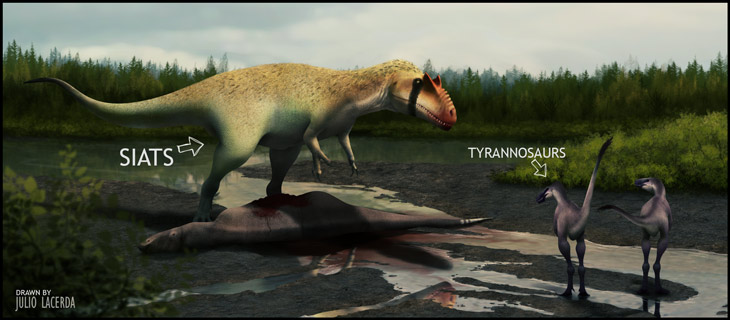
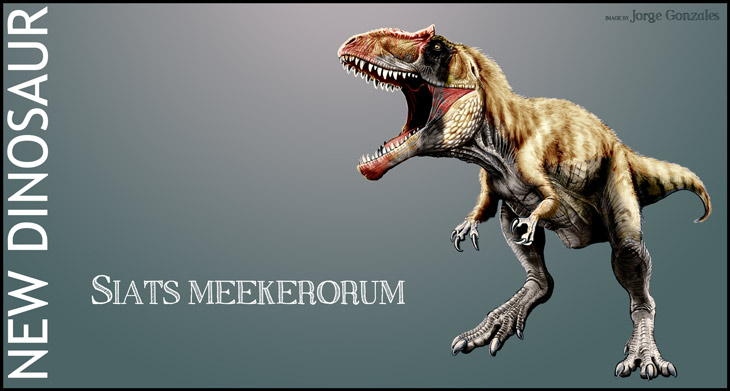
Untamed Science is excited to work with Dr. Lindsay Zanno once again, director of Paleontology & Geology Research Laboratory at the North Carolina Museum of Nature Science, to announce a new dinosaur species! Today we reveal to the world… Siats meekerorum!
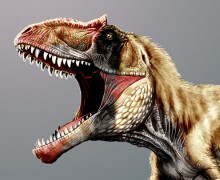
The Siats dinosaur (pronounced SEE-otts) is a giant mega-predator (think T. rex but living at a different time). I just like saying that out loud: GIANT MEGA-PREDATOR! It is the first large, mega-predator found in the US in over 60 years, and it is the second or third largest carnivore EVER found in North America!
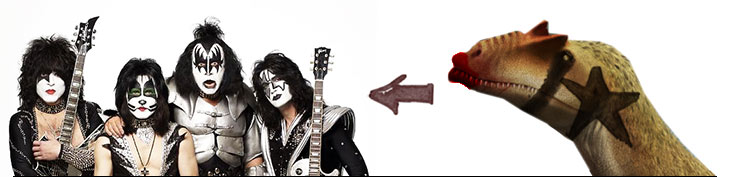
The artist’s rendering features a downy back of feathers and colorful skin patterns. It is now thought that many dinosaurs had a downy layer, evidenced by the presence of feather impressions or quill knobs (bumps that connect feather to bone), to provide extra insulation. Scientists have even been able to prove the color of some dinosaur feathers. But skin is a different story. Siats could very well have looked like it could be in a Kiss cover (I mean, tribute) band. But for now the colors and pattern are beautifully speculative.
When Did Siats Live?
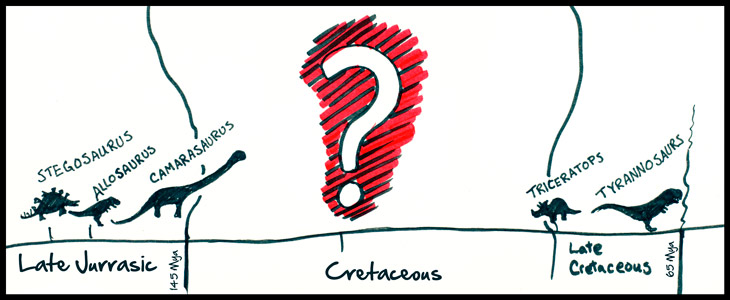
Siats ruled about 100 million years ago (MYA) in a period of time between the Jurassic and Cretaceous periods. We know a lot about dinosaurs of the late Jurassic (like Stegosaurus, Allosaurus, Camarasaurus) and the late Cretaceous (like Triceratops and Tyrannosaurus rex), but there are tens of millions of years between these periods where we have had little idea of what lived. What paleontologists are finding are whole other ecosystems composed of unique groups of dinosaurs we didn’t know existed at the time! One such group is the Carcharodontosaurs.
Siats is part of the carcharodontosaurid dinosaur group, containing a couple of the largest known predatory dinosaurs. At this time, Carcharadontosaurs were the top predators. So imagine a world where the giant Siats is top dog, and ancestors of the T. rex (tyrannosaurs) about the size of great danes were running around. How adorable is that? It wasn’t until Siats and other Carcharodontosaurs went extinct that T. rex was able to evolve and eventually fill its niche in the ecosystem–the top predator most of us grew up learning about. If this sounds like a different world of dinosaurs than you were taught as a kid, that’s because IT IS! Relatively little is known about this period between the late Jurassic and the end of the Cretaceous periods…another reason the Siats find is so fascinating!
How Siats was found?
Siats was found in the desert of central Utah, an area great for finding dinosaur bones because of the exposed rock and sparse vegetation. This is ideal for spotting dinosaurs eroding right out of the ground. Paleontologists worked through 130° heat and monsoon rains to unearth the skeleton. If you want to see the dig site and how bones are really dug up and brought to the museum, you can see Dr. Zanno in action in this other video we did, Paleontology 101:
It’s quite different from the Hollywood portrayal of discovering a dinosaur; it’s way more hardcore.
Dr. Zanno and her crew honed in on this particular area to look at rocks that date to around 100 MYA, the time we know least about in the fossil record. The areas best for preserving dinosaurs were places where dinosaurs would die and get covered in sediment, especially near rivers, lakes and ponds. The finer the sediment that covered the dinosaur, the better the preserved detail in the resulting fossils. Some lake sediment can be so fine that it preserves an impression of dinosaur skin, wings, and feathers!
About the Name
Siats comes from a Native American legend about a man-eating monster called the Siats. The scientists who unearthed the skeleton learned of the story in the area in Utah it was discovered, and they adopted the name to reflect this local lore. To be clear, Siats were NOT man-eaters, of course. They lived 100 MYA and were extinct by the time the T. rex flourished at the end of Cretaceous.
So you might be thinking, “why isn’t it called Siats-osaurus?” Well the simple answer is that Lindsay named it and she’s bored with “-saurus.” Dinosaurs don’t have to have “–saurus” at the end of their name to be a dinosaur. Plus, paleontologists are so cool; they do what what they want. Scientists have named between 600-700 dinosaurs all around the world; many of the names are things you might not expect–areas where they were found or other sources of inspiration.
Why Does It Take So Long to Find New Dinosaurs?
You might be surprised that the initial discovery of the Siats skeleton was in 2008. The proper process to unearth a skeleton can be quite long. Here’s an overview :
2008: Siats was discovered.
2009: Permits were acquired for the full dig.
2009 -2010: Siats is dug up and plastered.
2010-2013: Volunteers carefully uncase and reveal the skeleton, lots of research, writing, and publication
November 22, 2013: the big announcement!
The Future
There are still so many questions about Siats and the ecosystems of this in-between time that it’s really an exciting time to be a paleontologist… or even someone who just loves dinosaurs! The more Siats fossils found, the more we will know about this fascinating creature that ruled a period of time that is still a wonderful mystery. If you have any questions about Siats, please Leave a Reply below!
Sooner or later, just about everyone is required to learn about the major rock types: Igneous, Sedimentary, and Metamorphic. But other than being a rock climber or a contestant on Jeopardy, why are they important to know? One good reason is that the rock types can often reveal a great deal about the geologic history an an area. That geologic history affects (among many other things) the soil – and that, in turn, affects everything from farming, to the water you drink, to city construction, roads, forest types, and on and on! To give you the basics, here’s a little video about the three main rock types:
Now let’s take a look at each type a little closer…
Igneous Rocks
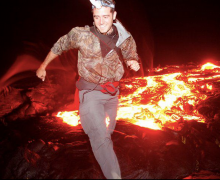
I think everyone starts their discussion of rock types with igneous rocks. It seems like a good place since igneous rock is the rock that forms from molten magma or lava – and it is often the parent rock for the forming of the other types of rocks. In the video, I showed fresh lava cooling and forming a nice Pāhoehoe flow (Pronounced “Puh-Hoy-Hoy”, great name I might add). However, this is not how ALL igneous rock forms. In fact, most of the igneous rock we have on the planet formed very slowly, deep inside Earth (intrusive). Rocks like granite cooled this way. Since Granite cools slowly, you end up getting beautiful crystals that form. Next time you go hiking in the mountains, I’m sure you’ll see a lot of granite. Look around for the different crystals that form in the rock.
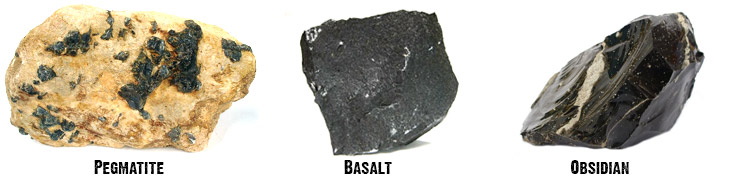
The slower an igneous rock cools, the longer and larger the crystals can grow. Pegmatites are igneous rocks that have the largest crystals – and by the way, that’s also where you find diamonds. Basalt is a common igneous rock that looks gray and has really small crystals that you can hardly see because they cooled faster and are smaller. Lava that’s extruded into the sea cools very quickly and can form obsidian, which looks like black glass. Because obsidian can break with very sharp and glass-like edges, Native Americans used it for making arrowheads and knives.
Sedimentary Rock
Sedimentary rocks form from the broken pieces of other rocks or from the accumulation of the hard body parts of marine organisms. Now here’s an important concept to remember : sedimentary rocks can form from all the other rock types – igneous rocks, metamorphic rocks and other sedimentary rocks. Usually you’ll find sedimentary rocks forming in places where sediments get deposited – like lake beds, oceans, or river mouths. But here’s the big kicker : sedimentary rocks can also form as minerals that get deposited in an area. Some ancient seas accumulated concentrated salts that precipitated out as crystals that settled to the bottom. In some places like Michigan, they have over 700 feet of salt beds that are part of the sedimentary rock sequences there. Marine limestone is also sedimentary rock that formed from the hard body parts of marine creatures – and they formed those hard body parts (shells and skeletons) using the dissolved minerals in sea water – usually calcium carbonate. Limestone is one of the most common types of sedimentary rock. The other two main types are sandstone (made from sand, duh) and shale that’s made from mostly mud. Basically, if it didn’t form from molten magma, it’s sedimentary – unless of course it formed from heat and pressure, making it the next type of rock…
Metamorphic Rock
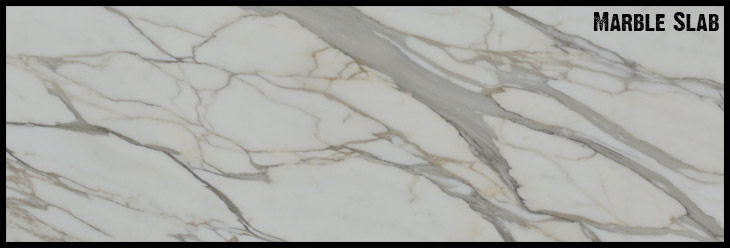
Metamorphic rocks form when tremendous heat and/or pressure is added to a rock. This heat and pressure changes the outward appearance of the rock and the physical nature of the rock. The rock we climbed in the above video, for example, is known as Gneiss (pronounced “nice”). That metamorphic Gneiss used to be granite, and the marble we use for counter-tops is metamorphosed limestone.
The Rock Types and the Rock Cycle
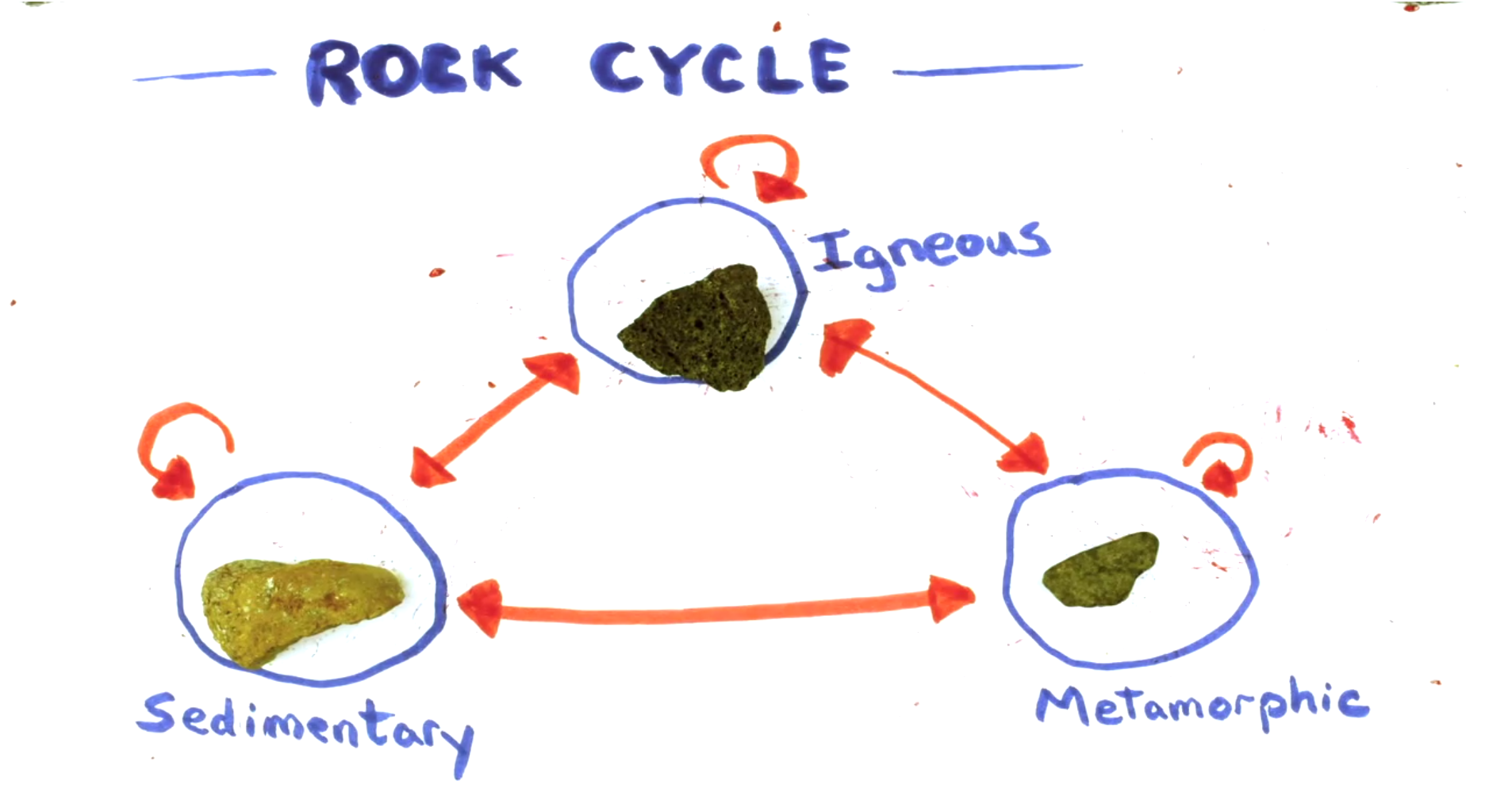
An important concept to convey in this whole discussion is that rocks can actually change over time. It’s all part of the never ending geologic cycle of mountain-building and erosion as Earth’s crust shifts. For instance, magma can build mountains that eventually get broken down and eroded. Those rock particles get washed into rivers and eventually into the sea where they can form sedimentary rocks. We all understand that plant’s grow, and that it takes time to see it. Rocks are similar, though it just takes millions of years for some of these processes to influence the size, shape and type of rock. The following diagram comes from our video and simply shows how the rocks can change from one type to another. Bottom line, geology ROCKS!
Zombies. What does that term mean to you? Chances are you think about something from Hollywood. I actually thought that’s all there was to this Halloween character. I was wrong.
Zombies have a true biological basis to them. The stories as we know them have their origin in the country of Haiti. This small Carribean country is famed as being one of the only places where the African slaves revolted and kicked out the Europeans. After doing that, their African tribal culture took over. Many say it’s now more African than Africa! It’s also the epicenter of Voodoo.
When you think of Voodoo, think witch doctors. In fact, witch doctors are integral to the culture in Haiti and help create order. People are in constant fear there that the witch doctors may turn them into a zombie. They’re particularly susceptible if they’ve done something bad. Thus, the threat of zombification may keep some order.
Hogwash, you might say; it’s just crazy voodoo beliefs that have no basis. That’s what I thought until I read about a man named Clarvius Narcisse.
In 1980, the world got the first real proof that zombies existed. Clarvius, walked into a hospital one day claiming to be a zombie, and for the first time ever, there was proof that he was pronounced dead and buried. Turns out, it was at the same hospital he walked into. He even had a scar on his cheek from the nail they drove into his casket. He claimed that someone dug him up, beat him and drugged him for the last 18 years as he worked as a slave on a sugar cane field. So how did this happen?
To help solve this mystery, ethnobotanist Wade Davis immersed himself in the Haitian culture. After meeting with several witch doctors, he finally got his hands on a few “zombie potions.” To his surprise they all contained a similar toxin, known as tetrodotoxin. This came from the ground up remains of a pufferfish.
The story goes that a witch doctor would blow this potion onto a victim, and the toxin would start to take effect. It would drop the vital functions to such a low value that people would pronounce them dead, and they’d be quickly buried. Then, witch doctors would dig them out of the grave before they actually died. They’d beat them and make them work as slaves in a stupefied state the rest of their life.
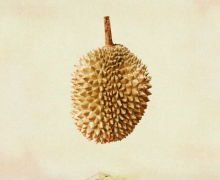
The key to zombies though isn’t just the tetratotoxin; that just falsifies the death and helps give credence to the legends of zombies rising from the grave. In fact, a plant by the name of Datura, or the “zombie cucumber” (Datura stramonium) actually gives the stupefied state to the enslaved. Datura is a plant in the deadly nightshade family, related to mandrake and henbane (of werewolf legends).
The concoction I’ve just described though, isn’t a recipe for zombies. In fact, it’s not a good idea to replicate any of this. A dosage that is even a fraction too high would kill someone. In fact, it’s highly likely that 99 percent of witch doctor potions would kill someone. There are even a lot of critiques of Wade Davis that claim that none of the concoctions he presented could make a real zombie.
In the end, it might not really matter if this works in practice anymore. The zombie idea is so entrenched in the lore of the area and that might be all that matters. To Haitians, zombies are real. In the meantime, we can make them real in the movies. Just know that it all comes from what could be a very real biological basis.
In this ecofact we’re here to discuss how the legend of vampires may very well have arisen from a basic misunderstanding of human biology. Let us explain.
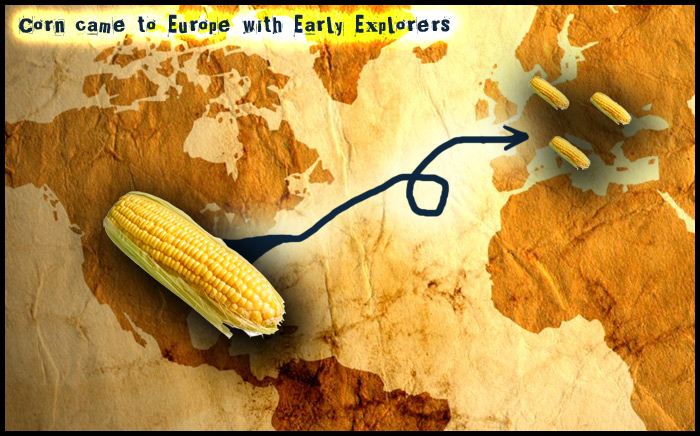
Corn, which was discovered in the new world, was brought back to Europe in the 1500s. It quickly became a crop of the poor, who would often eat nothing but raw corn as their main energy source. But, here is the problem. Corn contains the essential vitamin niacin, but it is inaccessible in its raw form. Thus, eating a diet of only raw corn leads to a vitamin deficiency known as pellagra. Victims of pellagra are hyper-sensitive to sunlight. If exposed, the skin often turns shiny with scaly areas. The brain starts to degenerate causing the person to have insomnia, anxiety, aggression, and depression. Often the persons stomach bleeds, meaning they can not eat normal food and can often digest only blood.
Here is another interesting tidbit: Pellagra was not common in the new world where corn was native. The reason for this is that peasants in Mexico and Central America prepared corn differently. Corn tortillas were often prepared with lime (an alkali)which helped to extract niacin from the corn and thus insured that pellagra didn’t arise.
We’ve all had the experience of standing around with a group of friends, trying to make plans for dinner. One person is a vegetarian, another a dedicated carnivore, while a third has a wheat allergy. Half the group lives on one side of town and is lobbying for a restaurant close to home, while the other half is already hungry and would rather not travel so far to eat. Reaching a compromise in a group with such different needs and preferences generally requires extensive discussion and negotiation.
Animal groups confront similar challenges every day, but can’t talk through their conflicts or debate their options. How do they reach a consensus about where to go and what to do? Do they vote democratically? Or does a despotic dictator make the decisions for everyone? To figure this out, we need to be able to track the movements and behaviors of an entire group of animals, simultaneously. High resolution GPS tracking technology–the same basic equipment that car navigation systems use—makes this possible.
The goal of this project is to capture and GPS-collar every member of a baboon social group, and track their movements and behaviors in very fine detail. These data will help us figure out if baboons vote and maybe give insight into how we as humans make decisions as well.
Researchers
Meg Crofoot
Meg is the lead researcher on the project and brings a great deal of background in primate behavior work. Most of her work has been on capuchin monkeys in Panama. However, with the technology available, this research question called for larger animals, and baboons fit the bill. Meg is currently a researcher with the Smithsonian Tropical Research Institute, the Max Planck Institute in Germany, and will be an Assistant Professor at UC Davis in 2013.
Roland is the director of the Lab of Biodiversity and Earth Observation in Raliegh, NC. He has research projects all over the world, all involving animal tracking. For this project, he came down to help assist Meg in the baboon trapping and help oversee the collar data collection.
Suzan Murray
Suzan is the lead veteranarian at the Smithsonian’s National Zoo, in Washington DC. She specializes on a wide range of exotic animals, and has been to Kenya for several years. During this study she took blood samples to study disease transmission in primates.
Matthew Mutinda – KWS
Matthew was the vet for the Kenya Wildlife Service, KWS, a team that helped coordinate the project with the Kenya government. Matthew brought with him several trapping specialists, who were vital to helping the project become a succesfull collaboration between all parties.
Robert Lessnau
When you get to know “Bob”, like we do, you’ll know that he’s the kind of guy that really doesn’t care about danger. He walks through elephant fences, and smokes cigars from the end of a burning log. Bob is a specialist in darting baboons and curator of mammals at the Detroit Zoo.
What is it like to be a field biologist?
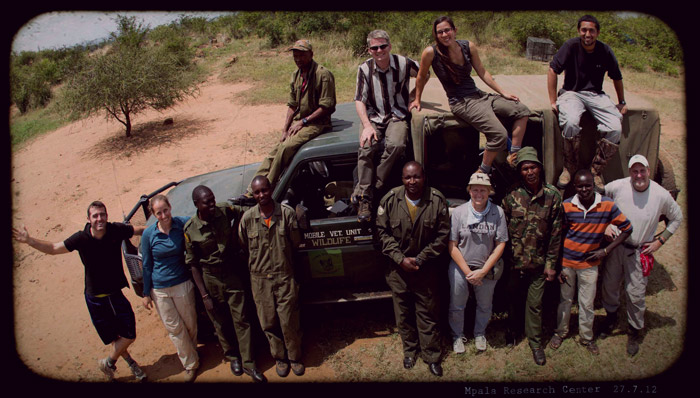
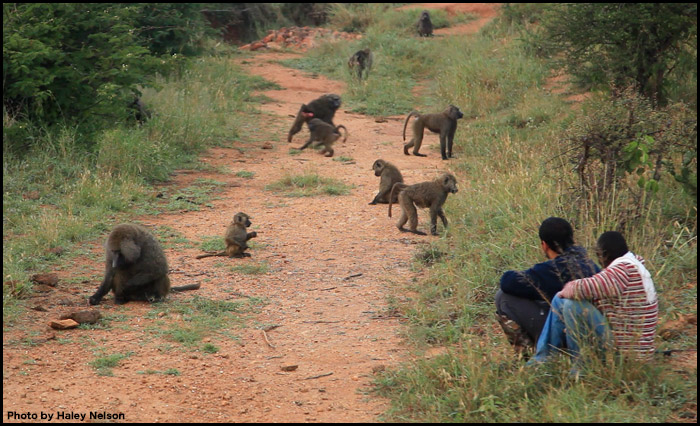
A lot of students probably wonder what it’s like to do biological field research. In fact, most people probably have little idea what biologists do in the field. While field biologists are as diverse a bunch as you might get, Rob and Haley took a trip to the Mpala Research Station in Kenya to get a feel for one study in progress by a diverse crew of biologists.
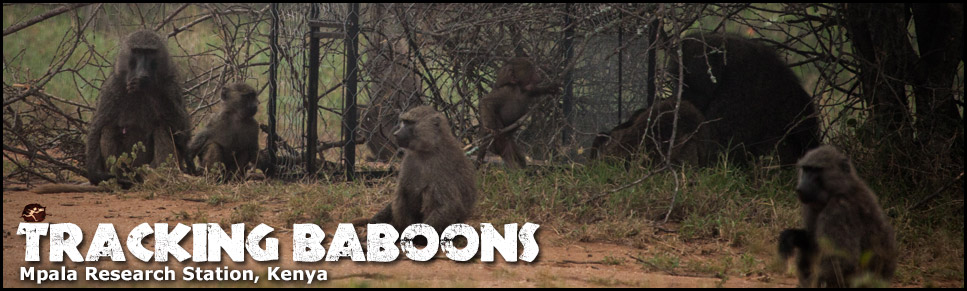
In this ground-breaking project on baboons, the researchers are using cutting edge technology (GPS collars), and good old field research (tracking the baboons on a daily basis) to help ask how groups of animals make decisions. To do that, they needed to capture an entire troop of baboons and put these radio collars on them. It’s not as easy a task as it might seem.
This video should show your students a great glimpse into the world of field biology, which can be both difficult, and entirely thrilling at the same time.