The Science of How Your Body Feels Pain
Pain feels simple from the inside. You touch a hot stove, you snatch your hand back, end of story. Underneath that instant reaction sits one of biology’s most sophisticated warning systems, built over millions of years to keep you alive.
Understanding how that system works changes how you think about treating it. When pain stops being a mystery and becomes a process, it is easier to see why specialists such as Core Medical & Wellness target the source rather than just the symptom. This piece breaks down the science.
How Does the Body Actually Feel Pain?
Through a relay race of specialized cells, faster than conscious thought. Pain begins with sensors called nociceptors, scattered in their millions through the skin, muscles, and organs.
When tissue is damaged or threatened, these nociceptors fire. They convert the threat, whether heat, pressure, or chemicals, into an electrical signal. That signal races along nerve fibers toward the spinal cord at speeds that can top 100 feet per second for the sharpest pains. Slower fibers follow with the dull ache that lingers afterward.
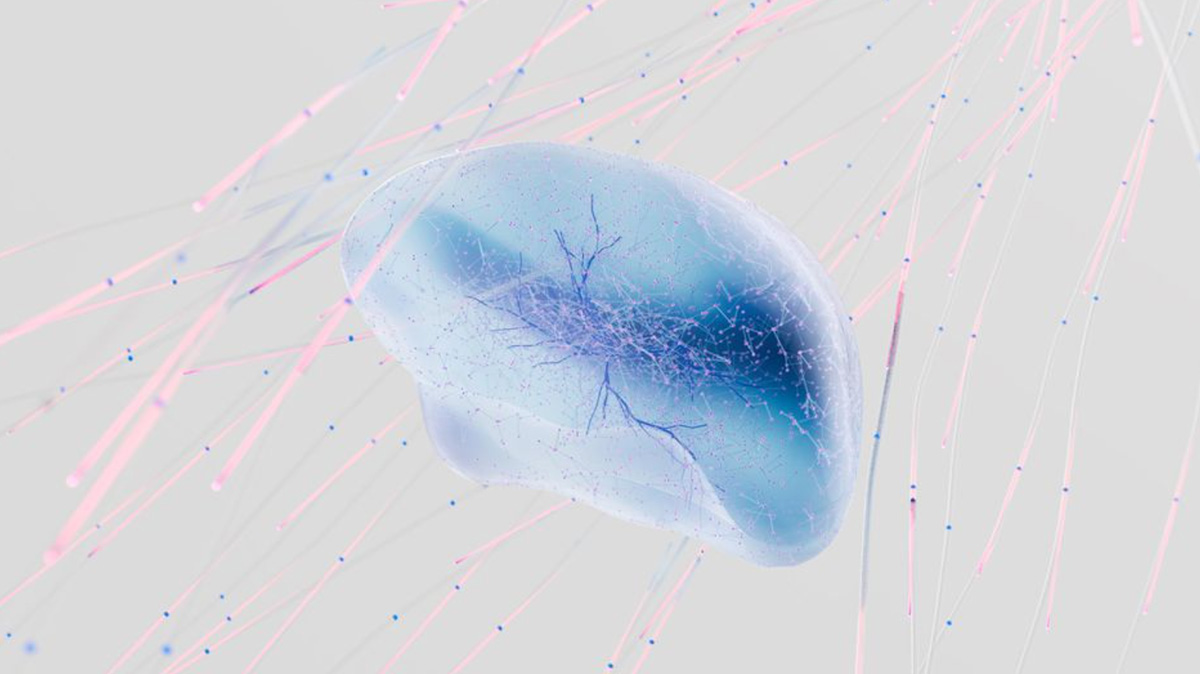
From the spinal cord, the message shoots up to the brain, which decides what it means. Only there does raw signal become the feeling we call pain. The brain weighs context, mood, and past experience before it rings the alarm.
This is why pain is never purely physical. The same injury can hurt more on a bad day, because the brain is part of the circuit. Pain is information processed at the cellular level and interpreted by the mind.
Why Does Acute Pain Differ From Chronic Pain?
Because they serve opposite purposes. Acute pain is a healthy alarm, while chronic pain is an alarm that will not switch off.
Acute pain is short-term and protective. A burn or a sprain hurts precisely so you protect it while it heals. Once the tissue mends, the pain fades. An acute sting from something like a hornet is the system working exactly as designed.
Chronic pain is different and far stranger. Defined as pain lasting more than 3 months, it often continues after an injury has healed, or with no clear injury at all. The alarm keeps ringing for a fire that is already out.
That distinction matters enormously for treatment. Treating chronic pain like a stubborn acute injury usually fails, because there is often no injury left to fix. The problem has shifted from the tissue to the pain system itself, and that is a fundamentally different thing to treat.
What Happens When Pain Becomes Chronic?
The nervous system essentially rewires itself to be more sensitive. Several changes drive that shift:
- Central sensitization. The spinal cord and brain amplify signals, turning up the volume on pain.
- Lowered thresholds. Nerves start firing at gentle touch that should not hurt at all.
- Brain remapping. Areas tied to emotion and memory get pulled into the pain experience.
- Persistent inflammation. Ongoing chemical signals keep nociceptors primed and reactive.
- The pain-stress loop. Stress and poor sleep feed the system, which feeds more pain.
These changes are real and measurable, not imagined. Johns Hopkins’ resource on chronic pain is a clear starting point on just how tangled the underlying causes can become. Researchers can now see these shifts on brain scans, which is why chronic pain is treated as a condition in its own right. Understanding this is the first step toward breaking the cycle.
How Does Modern Medicine Treat Pain?
By targeting the system, not just numbing the signal. The table below shows how different approaches act on the science above.
| Approach | What It Targets |
| Physical therapy | Retrains movement and calms an oversensitive system |
| Interventional procedures | Interrupts specific pain signals at the source |
| Medication | Acts on inflammation, nerves, or brain signaling |
| Mind-body techniques | Addresses the brain’s role in amplifying pain |
| Lifestyle changes | Breaks the stress, sleep, and inflammation loop |
The best results usually come from combining these, because chronic pain has many moving parts. Guidance on managing chronic pain reflects that multi-pronged reality. A single fix rarely matches a problem with several causes.
Key Points About Pain
- Pain starts with nociceptors and is ultimately interpreted by the brain.
- Acute pain protects you; chronic pain is the system stuck on alarm.
- Pain lasting beyond 3 months involves real changes in the nervous system.
- Central sensitization makes the body more sensitive over time.
- Effective treatment targets the whole pain system, not just symptoms.

Why the Science Matters
Knowing how pain works is more than trivia, it reframes how we treat it. Once you see chronic pain as a nervous system stuck in alarm mode, the old advice to simply rest and wait it out makes little sense. Modern pain care follows the biology, working to calm and retrain the system rather than just silence it. That shift, from mystery to mechanism, is what gives people a real path back to comfort. The more we learn about the system, the less permanent chronic pain has to be.
Frequently Asked Questions
What Are Nociceptors?
Nociceptors are specialized sensory nerve endings that detect potentially harmful stimuli like heat, pressure, or damaging chemicals. They convert those threats into electrical signals sent toward the brain. They are the first step in how the body registers pain.
Why Does Chronic Pain Last After an Injury Heals?
Because the pain system itself can change. Through central sensitization, the nervous system becomes more reactive and keeps signaling pain even when the original damage is gone. The alarm, in effect, gets stuck on, which is why chronic pain needs a different approach.
Is Pain All In the Brain?
Not exactly, but the brain is central to it. Pain signals start in the body, yet the brain decides how much they hurt based on context, emotion, and memory. That is why the same injury can feel different from day to day.
Can the Nervous System Be Retrained to Feel Less Pain?
To a meaningful degree, yes. Approaches like physical therapy, graded movement, and mind-body techniques can calm an oversensitive system over time. It is rarely instant, but the same plasticity that makes pain chronic can also help ease it.