
What Science is Running the Pokies?

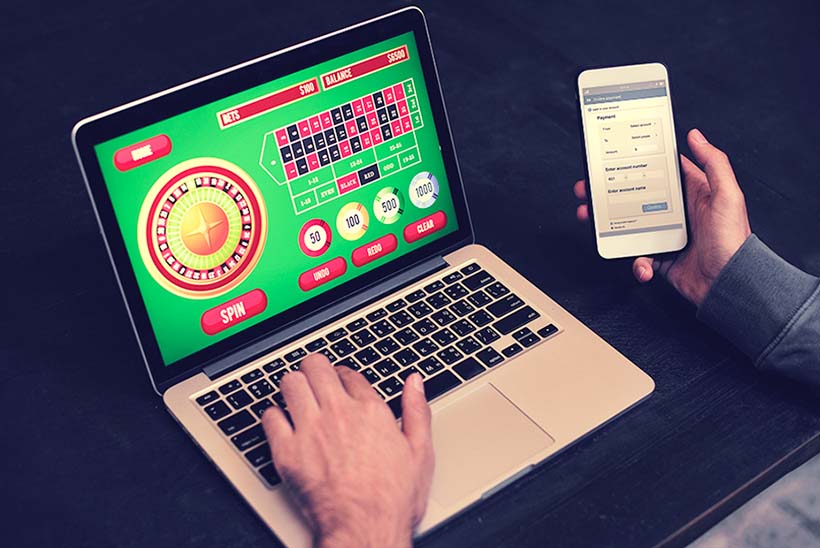
Generally speaking, a Pokie machine or a Slot machine is a specific gambling machine which allows its customers to partake in a game of utmost probability and chance. As a standard, pokie machines usually have a screen consisting of three or more reels, which tend to spin once the game is said to be activated. 

There are still some skeuomorphic features in modern pokie machines, such as levers used to initiate plays. Nevertheless, most early machines are now controlled by buttons and touchscreens, and in succession, Random number generators have replaced the mechanics of early machines. 

There are currency detectors installed on pokie machines which helps verify the nature of payment that is made, whether it’s coins, cash, vouchers, or gambling tokens. When the spinning reels stop, the machine pays off based on the combination of symbols displayed on the screen. In NZ-based leading online casinos, pokie machines are the most popular form of online gaming and earn more than 70% of the average casino’s revenue.

The Pay Table

There is a table on each machine that indicates the number of credits the player is accountable to receive as long as the symbols on the paytable arrange themselves on the pay line just as they should. There are symbols that are known as wilds; a wild symbol is one that substitutes for nearly all other symbols to form a winning combination. 

A Brief Universe of the Reels

A traditional slot or pokie machine displays and determines results by spinning mechanical reels. Five-reel machines were the original slot machines, but three-reel machines became the standard quickly since they were more reliable and simpler.

  • A three-reel pokie machine with 10 symbols would allow only 1000 combinations.
  • A pokie machine with 22 symbols would amount to 10,648 different results. 
  • And finally, a virtual reel machine with 256 reels would result in 16,777,216 combinations.

The Matter of Computerization

As microprocessors become more commonplace, manufacturers are now able to offer different probabilities for each symbol on each reel. Players may believe they have gotten very close to winning a symbol, when in fact the likelihood of winning is much less. 

It was during the 1980s that a wave of microprocessor-powered machines hit the United Kingdom. Upon inserting a coin into the machine, it would either be directed directly to the owner’s cashbox or directly into a channel that would be used as the payout reservoir, with the microprocessor monitoring this channel to determine the number of coins in it. 

The Role of RNG (Random Number Generators) 

Since online casino gambling is such a remote activity, fair gaming is a mandatory requirement. Using random number generators (RNGs) allows online casinos to satisfy this requirement for online slots. 

Online casinos generate random number generators from computer algorithms as a way to ensure that the outcomes of each spin are totally random. In order to accomplish this, it creates a sequence of numbers, which correspond to symbols on each reel, and that no one can predict except with chance. 

The Division of RNGs

There are two kinds of RNGs, one is the Hardware Random Number Generator and the other is the Pseudo-Random Number Generator. 

  • RNGs that generate random numbers via hardware are known as a hardware random number generators. 
  • Meanwhile, pseudo-randomly generated numbers are those that appear to be random only.

The Functionality of the RNG

First, with the software, a seed value is set up for the algorithm. As an underlying principle, anything that runs repeatedly must have a starting point. That value is called the seed value. A seed value is generated through a series of repeated activities or actions occurring in the computer. 

There can be several possibilities. It might be a process that is running, a pattern for a mouse-click, a pattern of keystrokes, or even the clock of the computer.

The Thing About the Return to Player Value (RTP)

RTP (return to player) value is another aspect of slot machines in terms of science. Slots, on average, pay out a certain amount of return over a period of time, which is called their RTP. 

Slot machines have their RTP calculated and expressed in percentage terms; thus, a 96% RTP means that a slot machine will pay back $96 for every 100 dollars wagered over the life of the machine. 

Slot Machines and Their Prices

A player’s cost per spin represents the price. Therefore, for a 100-cent spin, the price that the player sees is exactly what the player pays. However, on the operator’s side, the price would also reflect house edge along with the cost per spin. 

If the house edge is therefore 7%, the operator’s profit is mainly determined by the 7% they collect on each spin over the course of time.

Conclusion

Well, that is it. To quote Stephen Hawking, when you understand the way one thing operates you in a way learn to control it. The same goes for the pokies!


Data Science: What Can It Bring to GamStop?

Advancement in the current day digital environment is majorly driven by data extraction and using it to predict an outcome or a situation. This is more or less known to every soul today. The rapid growth of the gambling industry is also an example of how data can be used in ways to make a particular industry flourish. The United Kingdom Gambling Commission ordered all the operators registered under the UK to make progress in certain Digital spaces from October 2019 to heighten their standards of player safety.

The scientists looked after aspects like customer interaction, budget advertisement, and other such markers. Determination of certain standards is quite straightforward but recognition of these aspects can be done only by adopting strictly academic approaches like the application of core data science. Considering the recent services provided by these online casino operators, keeping a track of the database is what keeps the actions rolling. 

For example, in order to block casino sites, collection of data is indispensable otherwise the entire system will experience a crash. The same theory is applicable for meeting the requirements of the protection of the operators themselves.  For various legal formalities, this data can be stored by UKGC which is again useful for resolving technical issues.

About the Type of Data Collected by GamStop

Firstly, the kind of data that is collected consists of the basic information of customers such as name, phone number, email address, date of birth, and even residential address at times. But in most cases, GamStop aims to collect more data for improving their services. Sure the customer service executives play a huge part as they extract additional details using the context of various purposes. The call recordings serve as evidence in support of the collected data. A massive amount of it is extracted from the operators by bigger corporations of the same industry. However, as GamStop doesn’t cover these online casinos that aren’t licensed by UKGC, the British Commission cannot force them to send all the details of registered customers.

One of the most important steps for these organizations is to verify the data collected in order to ensure accuracy. Inauthentic data may affect the quality of services provided. Verification can either be done using the TransUnion database where the data collected are simply stored at a database. The goal is to obtain perfectly accurate data that will be stored for a long period of time for further use. Data can also be obtained from independent owners to carry out verification which will finally yield the closest results to the accurate details.

How Data Science can Add in detecting a Problematic Gambler

There are certain markers that can classify users  according to four different categories like, 

  • Frequency, which deals with the number of sessions played during a particular span of time; 
  • Variability, which deals with the change in the gambling behavior of the particular player;
  • Intensity, which is the  time spent and bets placed in a minute of a total session of a played;
  • Trajectory, that is the change of behavior according to the data over time according to the three main markers stated above.

Using these markers of harm often helps in building protection for players. Another major factor that contributes to it is the determination of players who are often searching for sources to escape the GameStop ban. A number of machine learning models are put into use in order to predict the behavioural pattern of the demographics as well as individual players. These data help form the algorithm. 

The protection of players is single-handedly determined by the data extracted. Although there are several blind spots that should be acknowledged and can be categorized into two sections. This is related to the acknowledgement of problematic gambling behaviour. The fact that not every player in need of self-exclusion will ultimately opt for self-exclusion and not every player opting for self-exclusion has addiction issues with gambling. There might be cases where a person is facing major losses in the financial sector and still consistently choosing to gamble away their money.

Effects of using Data Science in GamStop

There are 2 major outcomes of the steps which can be recorded as

  1. People can opt for the GamStop self-exclusion team as a voluntary step to get over their gambling addiction.
  2. The 24 hours cooling-off period is the preliminary step towards the detection of any sign of addictive gambling.

The amount of data stored by GamStop is not always the most desirable outcome but considering how helpful it is towards the detection of problematic gambling, it is almost acceptable to some extent. The latest compliance with the Data Shed makes it legal for GamStop to extract data from operators in the UK and keep it for as long as 14 years!

Data Science Tool & Gamstop Cooperation

Gambling in the UK has become a huge industry over the years. With the growth, there comes a higher risk of problem gambling. As per March 2021 records, 0.4% of gambling addicts belong to the 16-24 age group, 0.3% to the 25-34 age group, 1.1% in the 35-44 age group, and 0.4% to the 45-54 age group. Thus, it is important to focus on the gamblers who would like to exclude themselves from online gambling in the UK. 

The Data Shed is a Data Services firm registered in Wales and England. It has recently won a major contract with Gamstop self-exclusion scheme by the United Kingdom Gambling Commission. It helps punters to self exclude themselves from online gambling platforms registered under Gamstop in the UK. 

How Does Gamstop Work?

Gamstop allows gamblers to put control measures over their gambling tendencies. Once a punter signs up on Gamstop, it blocks the user from accessing all gambling applications and websites run by companies licensed under Great Britain. The self-exclusion period is chosen by the punter himself which can be 6 months, a year, or 5 years. However, the chosen period of time is irreversible and has to be fulfilled at all costs. However, Gamstop is not the sole platform for restricting punters, other applications like Gamban, Gamblock are also available. 

Gamstop only blocks users from accessing UK-based platforms and cannot control overseas gambling. Thus, GamStop users can gamble on other UK casinos outside of the local self-exclusion system and UKGC rules. Gamstop is a free service and operates only in the UK. After a gambler signs up, an email is sent to the registered email id with all the gambling exclusion details and might take up to 24 hours to take effect. 

The CEO of Gamstop stated that it aims at expanding its services offered to punters and Data Shed was an added advantage due to the expert knowledge of data and experience. Gamstop’s work with Data Shed has enhanced the services of Gamstop at a rapid pace. The CEO of Leeds City Council, Tom Riordan expressed his excitement for witnessing the growth of Data Shed in Leeds. 

Gamstop And Data Shed 

Data Shed has recently joined hands as the technology partner of Gamstop for offering support and enhancing the scheme after the 2018 Beta launch. The scheme is specifically designed to help problem gamblers include themselves in a central exclusion list. 

This indicates that each time a random person registers or logs in to a UK-based casino, the operator has to check the exclusion list for confirmation that the person is not a part of the self-exclusion scheme. This entire process requires a real-time supply of data gathered from Gamstop customers to reach a conclusion. The challenge lies in disallowing registered Gamstop users from engaging in overseas online gambling activities without impacting others signed up for the scheme. 

All the UK licensed casinos will have to follow new rules such as signing up for the Gamstop scheme as per the condition for a license in 2019. Ed Thewlis from The Data Shed states that the main challenge faced by them was to assemble a secure and flexible platform that allows operators to verify login by users at ease. This process is especially applicable on peak days such as Boxing Day, The Grand National where bets are made at maximum. 

Data Shed – Speed, Volume, And Security

Data Shed caters to millions of data matching requests each day which includes a combination of small data, large marketing databases. Individual attempts are usually responded to in under a minute. The platform is responsible for holding sensitive personal information and thus high security is maintained within the platform design, operations, and processes. Data Shed works with AWS for providing high security which also includes employing the best technologies and working with accredited penetration testers for maximum protection. 

Data Shed is proud to be a part of Gamstop and has recently carried out a load test that was able to manage around 20,000 hits each second. This leads to the conclusion that it is a safe and cost-effective environment. However, the next challenge of Data Shed is to use its matching algorithm expertise even strongly to improve customer service. 

Our team stated that the majority of the punters gamble for fun and not for obsessive tendencies. Some of them need all the help they can get to improve their lifestyle and relationships. Gamstop steps in during that time to help people via self-exclusion. 

What Data Is Used To Run Gamstop?

Gamstop self-exclusion scheme introduced by the United Kingdom Gambling Commission has gained immense popularity in the UK. 

The aim is to register and restrict oneself from accessing all betting platforms and casinos inside the network, but it can’t stop players from using casino sites that aren’t on GamStop exclusion based in the United Kingdom and outside it. Information regarding the treatment of data collected by individuals is important for avoiding liability under the data protection legislation since it possesses an immense amount of data. 

Why Is Data Collected?

In order to fulfil the goal of Gamstop and lessen the odds of a contract breach under the terms of use, it is necessary to identify all participants and users associated with the scheme. The identification process is done through the data collected for a gambler’s registration. It is also utilized by Gamstop services for amplifying the functions of the service. 

Personal data gathered from gamblers via personal interaction, contact with family and friends helps to meet the objectives of the scheme. Gathering personal data from punters while signing up is mandatory and helps to effectively meet the expectations of the client for coming out of gambling addiction. Personal data gathered comprises of : 

  • Full Name and Surname of the client
  • Date of birth of the punter 
  • The mobile number which would form a part of the self-exclusion process
  • Email address of the client 

All these data gathered from gamblers are secured by Gamstop via complex and sophisticated technical measures. Gamstop hashes personal data and exchanges them with service partners through secure API links. However, Gamstop cannot access the data if punters choose to access overseas casinos that are not under Gamstop since they have no link to the National scheme and are not bound to follow UKGC regulations. 

How Is The Data Collected?

The aforementioned data gathered from gamblers are obtained during the registration process of the user on Gamstop. Data collection is done in multiple ways:

Call recording of gamblers is done by The Gamstop Contact Centre for personnel training, performance monitoring, and service accuracy. However, this is only done after the contact centre sends a message to the user at the beginning of the call to inform them that calls to them are recorded. 

Online registration verification where the data provided by users are verified via a concert with Transunion for determining the authenticity of the information. Gamstop can obtain data from a large representation of punters which is sent to the Transunion database and is verified by asking certain questions during the registration process. Gamstop accordingly informs the users of the match after checking the correspondence of the replies given by users. 

Data sent by iGaming companies to the Gamstop matching service which is further compared to the personal data provided by Gamstop users. Operators participating under Gamstop have to mandatorily carry out this process in order to restrain users who have signed up on Gamstop to aid their gambling tendencies. 

What Happens When Data Does Not Match?

Like other systems, there lies a probability of incorrect processing of data of punters who did not sign up for the services offered by Gamstop. To minimize these circumstances, Gamstop has partnered with a DataShed Software company based in Leeds, UK. 

Gamstop has imposed a strategy to avoid incorrect matching of individuals who have not signed up for self-exclusion. This is done by storing the personal data of punters for future use with such compliance in its system that it can prevent the exclusion of such punters by gambling operators in the future. 

Gamstop Data Retention

Personal data of Gamstop users are saved by Gamstop for varying periods of time depending upon the purpose of such data collection. Personal information related to customers who were not successful for registration completion, any information already fed in are kept for a month (30 days). For exceptional cases, such data can be kept for 7 years as they get added to the case management system of Gamstop. Sensitive data of users who have successfully registered for self-exclusion are retained for a period of 7 years, after which it gets deleted. 

Summing Up

GamStop offers a database with user data to UK-based casinos to check if punters have registered on Gamstop. The aim is to block punters who have voluntarily signed up to come out of their gambling addiction. However, that does not restrict punters from accessing land-based casinos and overseas casinos. To exclude themselves from gambling harm, UK gamblers also have the option to join SENSE, download and register on applications like Gamblock and Gamban. 

Are Rose Hips Poisonous? The Facts

The simple answer is no. Rose hips are not poisonous. You can eat all rose hips. However, just because they aren’t exactly toxic, doesn’t mean you can eat all that your heart desires. Rose bushes are often sprayed with various herbicides and pesticides. They also contain irritating hairs in their seeds. If you fail to remove them you could have some adverse reactions.

Ways to Eat Rose Hips

We introduce this common ways to use rose hips (as always) with a short video. This one takes place in the fall on the east coast of Sweden.

Method 1: Eat Rose Hips Raw

In the fall, rose hips can be picked. They’re much better after the first frost (they get sweeter this way). Care should be taken to remove the seeds as they are full of somewhat itchy hairs.

Jonas Stenstrom with wild rose hips

Method 2: Make Nypon Soppa (Translates as Rose Hip Soup)

Nyponsoppa directly translates to Rose hip soup. However, it’s not always a soup. It’s more of a thick juice. It can be very sweet and is often served after dinner as a bit of a sweet addition to the meal. In Sweden you can get it in containers like the one below.

Method 3: Make a Tea

The final method is to make a tea out of the rose hips. You can always buy a packet of rose hip tea from the store, but you can also make your own. Just to be safe we removed the seeds, added the red fruit parts to water that just came to a boil. Then we let is sit for 20-30 minutes and drank. Easy peasy.

Rapeseed: Both a Miracle Plant and a Big Problem

If you travel through Europe in the spring or drive through the northern US or Canada, you may come across massive yellow fields in full bloom. These are the rapeseed fields. They look impressive on the landscape and the proponents in the industry are claiming this is one of the key ingredients in the “green revolution.”

However, this green movement and the use of this plant isn’t all it’s cracked up to be. To understand exactly why, you have to understand the basic biology and the current predicament we’re in. To give this introduction, as always I first created this video: 

In making this rapeseed video above, I was at first only interested in telling the story about the biology, but then got interested in their role as a bio-fuel. Understanding the former is important for understanding the later. 

Rapeseed Biology

The rapeseed plant is Brassica napa a large mustard that is closely related to the yellow and brown mustards we use for condiments. It’s also closely related to Brassica oleracea (brussel spouts, cabbage, kohlrobbi, broccoli). The point of noting the relation is that you can fairly easily create new cultivars in the genetic diversity that exists in the plant. You can also hybridize some of these different species to improve the genetics of the original plant. 

Brassica napa has significant amounts of a toxin known as erucic acid in it. In rats, this has been shown to cause damage and hence, scientists actively worked to reduce the amount of erucic acid in the plant. In the 80’s a form of Brassica napa was selected for to have low erucic acid and it was rebranded CANOLA oil (CAN – for canada, Oil, Low, Acid). Later they created a GMO round-up ready Canola. 

BioFuel Revolution

Now Rapeseed fields make up about 16% of growable land in Czechia (where we shot the video). Most of that is being grown for biofuel. The oils in the seed are squeezed out and through a process of transesterification it is turned into biodiesel.

The benefits of biofuel are mainly in the carbon use in the plant. The efficiency of sequestering this carbon is anywhere from 78% to 43%. The difference depends largely on land use changes. If the land needs little to no clearing or fertilizer, there is only about a 22% addition of fuel needed to plant, harvest and process the oils. If the land needs to be cleared the cost increases. The unfortunate reality though is that most of this does not take into account the loss of available land for other practices. 

Rapeseed Biofuel Downsides

One of the main problems with biofuel in general is that it takes up land that could be either growing forests, grasslands or other food. If not enough land is being left aside for forest services, this could be a large problem. Additionally, land that was once forest is being cleared in developing countries to grow biofuels, leading to deforestation and loss of diversity in those regions. 

I point out all of this to show that that is a very complicated issue. I hope the video helped look at this all in a new light. Looking forward to seeing things get better and better in the future as more people learn how biofuel might be appropriately mixed into our economy.

A Guide to Coronavirus Disease Testing

The past two years have involved a great deal of talk about the coronavirus disease, or COVID-19. You have probably heard a great deal of information about COVID-19 and testing for the virus.

Whether you are planning on traveling outside the United States, returning to your home state from traveling abroad, or you are showing symptoms of coronavirus, you may need testing.

Below is a guide that explains the different types of COVID testing, where you can get them done, and how quickly you can get the results from each type of test.

COVID-19 PCR Testing

A PCR, or polymerase chain reaction, test for COVID-19 is the most accurate way to know whether you are positive or negative for the virus. The test detects genetic material from the virus that is present in your body.

The reason the test is so accurate is that it can pick up on trace amounts of the virus in your system. Many people test positive on a PCR test if they were infected with COVID-19 in the past few weeks or months, as trace materials from the virus remain in your body.

If you are hoping to rule out COVID-19 with near certainty, a PCR test is the best way to do so. A person experiencing symptoms such as aches, fever, cough, chills, fatigue, loss of taste and smell, or headaches for more than a few days should get tested using a PCR test.

The only downside to PCR testing is that results can take one to two days to arrive. If you are in a hurry to know if you are positive or negative, you may need to remain patient, especially if you want the most accurate results.

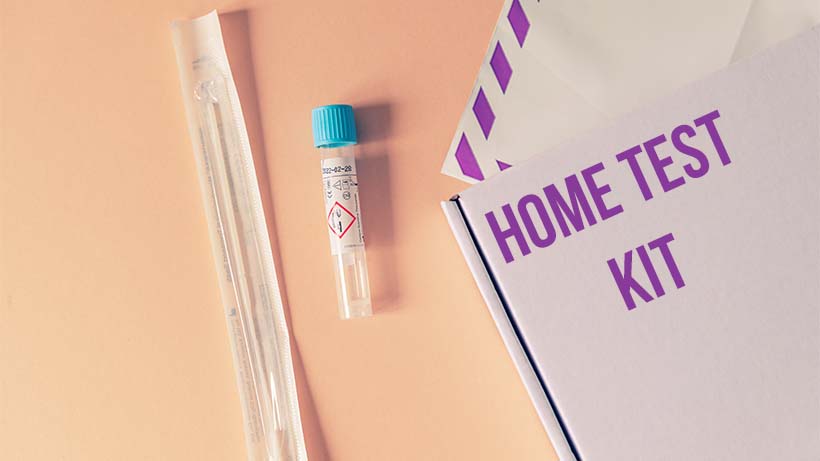
A PCR test is a straightforward process where a healthcare professional uses a swab to take samples from your nose. The sample is then either sent to another laboratory or processed at the site where your PCR test was done.

Rapid Tests for COVID-19

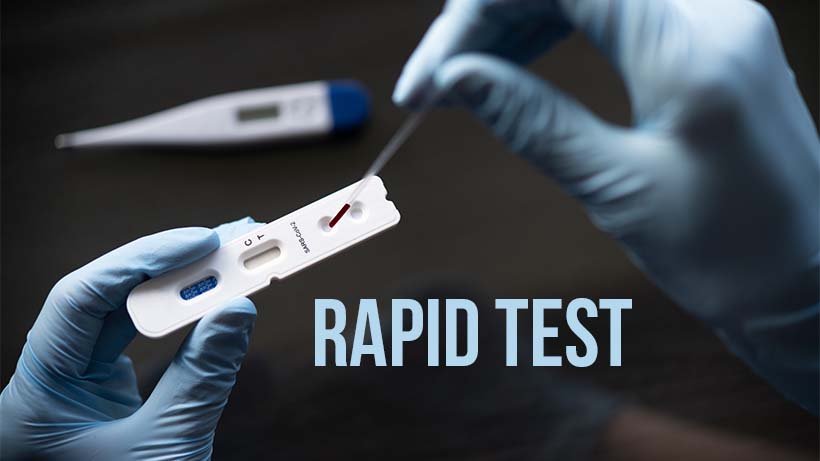
A rapid test for COVID-19 is also known as an antigen test. These tests require a nasal or throat swab, which gets tested for a specific protein that is present in the coronavirus.

If you are positive for the protein, you are positive for COVID-19, and vice versa. These tests can deliver results in up to fifteen minutes, making them very useful if you need to know on the spot whether you have COVID-19 or not.

The issue with the antigen tests is the lack of accuracy in comparison to PCR tests. Since the test checks for a specific protein in your sample, you are more likely to get an accurate antigen result if you are at or near the peak of infection. For those who are not yet symptomatic or past the peak of infection, the rate of false positives and negatives rises significantly. 

Process for Taking a Coronavirus Disease Test

Many people may wonder when they should take a coronavirus disease test. The answer depends on your circumstances. You should take a COVID-19 test if:

  • You are showing symptoms of the virus.
  • You know a close friend or family member who is positive for the virus.
  • You are planning a trip abroad in the coming days.
  • You are visiting a venue or attending an event that requires proof of negative COVID-19 on entry.

Any person who is showing symptoms of COVID-19 should get a test as soon as possible, whether they are vaccinated or not. Even though vaccines do protect against both infection and severe disease, they are a lot more effective at the latter. You can test positive for COVID-19 and experience mild symptoms, even after vaccination.

If you know someone who is positive for the coronavirus, think about the last time you came into contact with that person. Considering a person can be pre-symptomatic for more than a week and spread the virus, if anyone you interacted with over the past week or two is now positive for COVID-19, get a test to ensure you are safe.

Anytime you are traveling abroad or attending an event where they require proof of negative COVID-19, you should get a test. Most venues will accept the results of rapid tests, while airlines have a significant preference for PCR tests, as they are more accurate.

Are At-Home Testing Kits Reliable?

If you shop at supermarkets or pharmacies, or online retailers, you may notice that at-home testing kits are available for the coronavirus disease. Such testing kits are fairly accurate in telling a person whether they are positive or negative for the virus if that person is showing symptoms.

Those who are hoping to test negative ahead of a domestic or international trip should not use a home testing kit unless the kit asks you to send your sample to a lab for testing. If the kit presents the results at home, then you cannot show such a result as proof of a negative test before boarding an airplane, bus, or train.

Individuals who have close family members or friends that test positive or display symptoms of the virus should only use an at-home testing kit if they are also symptomatic. If you are not showing any symptoms of COVID-19, you could be positive, but the at-home testing kit will not produce a positive result.

If you can wait a few days, take a PCR test for maximum accuracy. There will be plenty of locations in your area where you can take a rapid test, which provides results within minutes.

Testing Helps You Stay Safe

The best way to stay on top of your health and wellness during a pandemic is by taking tests anytime you are showing symptoms. If you or a person in your close circle of family or friends displays signs of COVID-19, getting a PCR or rapid test is very helpful.

Testing is also extremely relevant for travelers, especially those who are going outside the United States. Each time you travel internationally, you must display proof of a negative COVID-19 test.

Even though getting a test every few weeks may seem frustrating and troublesome, such a process keeps you and those around you safer.

The Science Behind the Effect of Gambling on the Brain

All people are different. We simply do not fit into one mold. This is the case in all aspects of life including gambling. Let’s look at how gambling can affect your brain and at how this could evoke different responses, some of which could trigger problematic gambling habits. 

Dopamine is a chemical that is released in the brain. It is a neurotransmitter that helps you feel good and raises excitement levels. While we might think that we will only feel the thrill of excitement when we win, even when we lose, our bodies trigger a dopamine response.

Since the thrill and excitement are natural bodily responses to both winning and losing, some people struggle to differentiate which is which. This means that they are not likely to stop playing even when they are on a losing streak. 

Do Our Brains Affect Our Gambling Habits? 

As with everything else in life, our brains affect the way in which we react to things. This includes the ability to stop or continue an activity that may or may not serve us. The dopamine hit is what many are looking for when playing games for both real money and for free. 

When it comes to gambling, other than the thrill of a dopamine hit, you can get many other benefits. The benefits include simple enjoyment while taking part in a fun activity, social connection and of course the chance to win money. All these rewards play a part in why we enjoy gambling. While these are all positives, most of us know when it is time to walk away when we lose or reach our self-imposed loss limits. 

While we know how to practice safer play habits, there are others who do not have the same ability. They simply do not stop when they should. These players continue to look for a win. This phenomenon is well-known as chasing losses. Although not all these players will develop serious gambling addiction, it is possible for them to develop gambling problems. 

Research into Gambling and the Brain

Brain Connections explains how gambling can turn into an addition for some people. To explain gambling addition in layman’s terms, they liken gambling to driving a fast car. You start out confident and excited and you have control over what you are doing. 

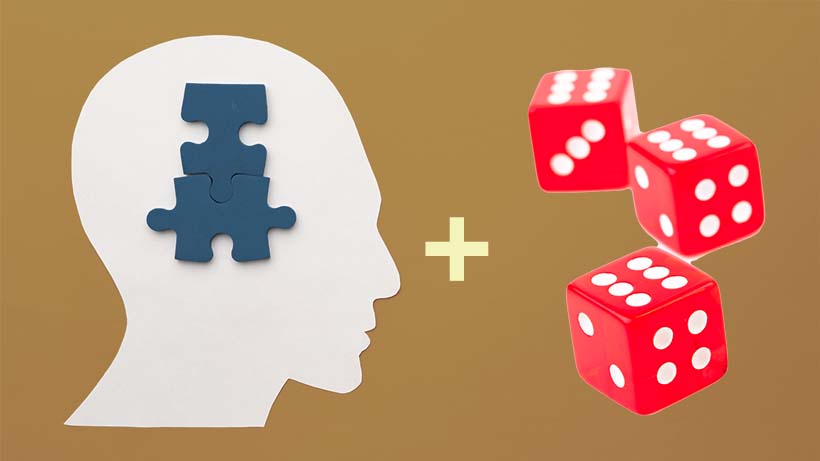
The ventral striatum in your brain is like the reward hub. You can compare this to the gas pedal in the car analogy. Put your foot down and drive where you want to go. The pre-frontal cortex, or the top-down control network is somewhat like your car’s brakes. The pre-frontal cortex tells you when it is time to slow down. When there is a communication problem between these two areas of the brain, it is like you putting your foot on the gas even when you need to stop. This makes you go through red traffic lights or drive too fast and do other reckless things. 

When this happens repeatedly, it enters the habit hub, or the dorsal striatum. Once it becomes a habit, it is no longer in your control. You might want to put your foot on the brakes, but don’t know how. In fact, you might even feel like you are no longer actively driving the car. While gambling starts out improving your mood, it slowly becomes something that is less fun but you still want to play. Your mood gets worse and it can even lead to depression. This is why it is important to set healthy boundaries and limits to avoid problem gambling, keep it healthy, fun and a happy experience. 

Factors that Lead to Gambling Problems

It is so important to make sure that we develop good habits early on in life, the same goes for the way we approach gambling. If you see it as a fun activity, set limits, enjoy the social interaction, or the chance to take a break from the stresses of life, you are likely to be fine. So go ahead and enjoy gambling activities. 

For those who are at risk of developing problems from gambling, there are a number of factors that can affect this. Studies into those who are at risk for developing problems with gambling, contributing factors include your cultural background, your socioeconomic status, available gambling resources and your environment. In addition to these, you also need to take into account whether there is substance abuse, mood disorders, psychological factors, social factors, cultural factors, and even your age. 

If you do feel like you are developing a gambling addiction or perhaps the beginning of a problem with gambling, there is plenty help out there. Most online gambling sites post links to organizations that help players to cope with problems with gambling. Reach out for help if you see you are developing an unhealthy relationship with gambling. 

What science says about marijuana’s health benefits

For decades, marijuana has managed to remain a controversial topic without fail. Marijuana is not new to the scene however it is new to the scene of being legalized and accepted by society. Thanks to legalization, there has been much research into marijuana and it has been discovered that the plant has many health benefits that can help people who suffer from many health conditions. The science behind these discoveries is so significant, that doctors around the world are now prescribing medical marijuana for their patients as a treatment for conditions such as chronic pain management, Alzheimer’s, epilepsy, cancer treatment, PTSD, anxiety addiction recovery, and many more. This blog will deep dive into what science has to say about the benefits of marijuana. 

Using marijuana can be therapeutic and increase appetite

Marijuana is said to provide therapeutic effects on users and the substance has helped facilitate healing in millions of people worldwide. Marijuana can be used to treat chronic pain, chemotherapy-induced nausea, and vomiting, neurological conditions such as epilepsy, and many other health conditions. Marijuana also increases appetite and the way that it manages to do this is by stimulating CB1 (cannabinoid) receptors in the brain which results in these receptors releasing a single hormone that increases the intake of food. There is even a term dubbed by the cannabis community called “munchies”, which is a desire to devour food after smoking cannabis. There is much debate on whether or not marijuana can cure certain ailments but as it stands, marijuana is just used to treat conditions and alleviate the symptoms.

The effects of smoking marijuana vary with each individual’s tolerance 

Everyone is built differently and everyone has a different tolerance level. Some people only need a tiny dose of marijuana to experience a satisfactory level of high, whereas others need to consume significantly larger amounts of cannabis to feel a level of high that satisfies them. The same applies to medical marijuana, some individuals cannot withstand high doses of marijuana because it results in sleepiness and lethargy while others need to consume a higher dosage to treat their condition. Your healthcare provider is the ideal person to help you determine the correct dosage; however, it is usually determined by your weight and tolerance level. You also need to consult a doctor if you are using other medications because sometimes it is not advisable to mix certain pharmaceutical drugs with cannabis because of the side effects. 

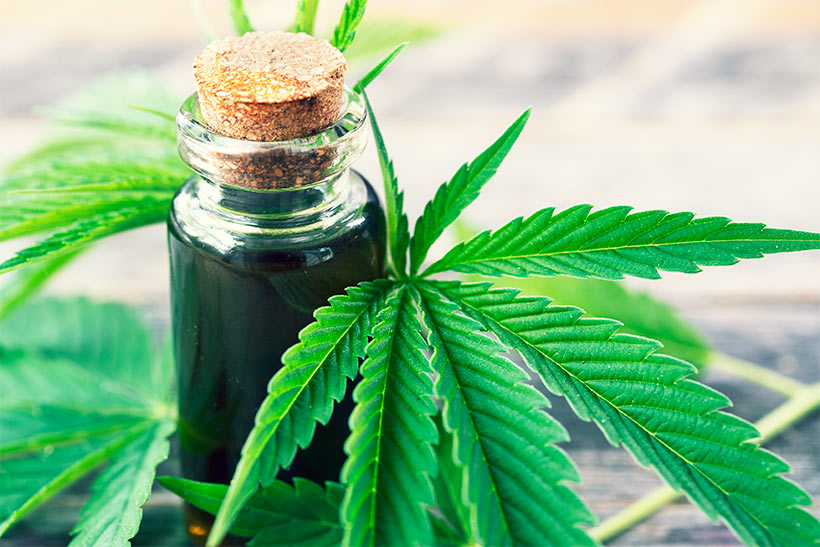
If you are a new cannabis consumer, you want to avoid inhalation methods that produce combustion because these carry severe health risks such as lung cancer and upper airway cancer. Instead, try a dry herb vaporizer which is a vapor-producing inhalation device and can be found on https://cannacabana.com/. Alternatively, you can also try edibles or tinctures which is cannabis flower dissolved in alcohol to form a concentrate that is popular among medical marijuana users, which are also available at Canna Cabana. A tip for first-timers is to begin with a low-THC strain or avoid THC altogether and stay on the safe side with CBD. 

There are no known risks to using medical marijuana 

Generally, marijuana is safe to consume and there are no known risks involved unless you smoke it with a joint which puts your lungs and throat at risk of infection and cancer. However, marijuana itself is safe. Just because it is safe though does not mean that it can be consumed by everyone. For example, teenagers should avoid cannabis as well as people suffering from serious liver, kidney, heart, and lung disease. Cannabis can have a negative effect on these organs which puts you at risk. For example, cannabis is known to increase heart rate which is risky for people who have heart disease. Compared to cigarettes though, marijuana is much healthier for your lungs, however, you want to avoid smoking entirely and rather consume another way that does not involve combustion. People smoke cigarettes because of addiction and because they claim it relieves stress and sometimes social anxiety. Marijuana however has many proven health benefits and is not addictive so overall, this is a healthier alternative. 

It’s safe to say that marijuana is society’s newest super herb and it doesn’t look to be dying out anytime soon. 

10 Vampires of the Animal Kingdom

You’ve probably heard of Dracula and other famous fictional vampires, but did you know that there are real-life vampires that can be found in the animal kingdom? Comprised of a rich array of flora and fauna, there are a few members of the animal kingdom that practice hematophagy, which basically means they consume blood for one reason or another.

While some organisms consume blood to survive, others include the nutrient-dense fluid as part of their balanced diet. However, a few animals acquired the vampire name because they are fearsome predators, or they just looked scary. In light of this, here are 10 real life blood suckers that can be found across the globe.

1. Oxpecker Birds

The oxpecker can be found in the open grasslands of Sub-Saharan Africa. It is a bird that can reach 3.54-inches (9 cm) in length and weigh up to 70 grams. It mostly perches on mammals like buffaloes and other cattle to remove ticks, maggots and flies from their hides. While this may look like a symbiotic relationship, the bird’s intention is only to feed itself. It often takes advantage of the host animal, reopening healing wounds and creating new ones so as to drink its blood.

2. Vampire Squid

The vampire squid is a small marine creature that belongs to the cephalopod group of animals. It’s found in the depths of tropical and temperate oceans and can reach maximum lengths of 11.81-inches (30 cm). Normally, vampire squids don’t prey on live animals but feed on detritus of dead planktons or fecal pellets found near the ocean floor. The vampire name comes from its glowing eye spots and its dark red body which give it a fearsome look.

3. Amazon Giant Leeches

The Amazon giant leech can be found in the coastal wetland marshes of South America. It’s one of the biggest species of leeches worldwide and can grow up to 18-inches (45.72 cm) long and 4-inches (10.16 cm) wide. This creature sucks and obtains blood as food and also as a source of nourishment. While young leeches mostly parasitize fish, frogs and lizards, adult leeches attack caimans, anacondas and cattle. In fact, some can even attack humans if they get the chance.

4. Sea Lampreys

Inhabiting the depths of the Atlantic Ocean are the sea lampreys, creatures that have remained largely unchanged for many years. They are a parasitic species of fish that can grow to lengths of up to 47.24 inches (119.99 cm) and weights of up to 2.5 kg. A Sea Lamprey doesn’t attack humans but mostly sucks blood and other bodily fluids from other fish. It usually attaches to its host with its mouth and using its sharp teeth, it tears the flesh before accessing the blood.

5. Mosquitoes

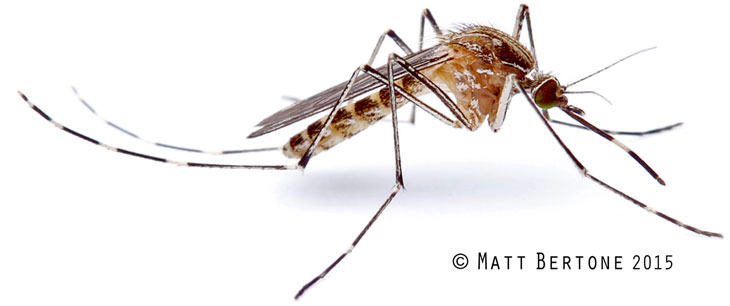
Mosquitoes are the most common human blood-suckers and among the deadliest on the planet. They mostly inhabit forests and marshes of warm and temperate regions across the world. An adult mosquito is relatively small and can grow to about 0.4 inches (1.02 cm) long. Not all of them are vampires though since it’s only the female anopheles type that drinks human blood for purposes of egg production. Consequently, it can transmit serious diseases such as malaria and dengue.

6. Assassin Bugs

This is a predatory insect that is often found in open fields and shrubs in North America. It is mostly used by farmers to control harmful pests like aphids, leafhoppers, beetles and caterpillars. Assassin Bugs are very patient hunters often stalking their prey before attacking with their sharp, piercing beaks. Although they don’t parasitize humans, large species may bite if they get a chance. An adult assassin bug can grow up to 1-inch (2.54 cm) in length.

7. Bedbugs

Bedbugs are human blood-sucking insects that can be found in almost all regions of the world. They are about 0.27 inches (0.69 cm) long and mostly inhabit small cracks and crevices of beds, mattresses, box springs and other dark areas. Often referred to as the perfect parasites, bed bugs mostly feed at night when their hosts are sound asleep. Although their bites are painless, they can lead to several health impacts like skin rashes, allergic symptoms and psychological effects.

8. Cooper’s Nutmeg

This is a type of marine snail that inhabits the offshore sandy substrates of the Pacific Ocean. It is among the largest predatory snail species in the world growing up to a length of 4.4 inches (11.18 cm). The Cooper’s Nutmeg is a highly specialized vampire that sucks blood from a specific fish species known as the Pacific Electric Ray. Mostly buried in the sand, it only appears when it senses its prey, attacks using its elongated proboscis, and begins sucking blood.

9. Ticks

Ticks are external parasites that live by sucking the blood of both cold-blooded and warm-blooded animals. They are mostly found in grassy and wooded areas where their hosts usually live and roam. Although tick bites are harmless to humans, they can transmit harmful microorganisms that cause illnesses such as Lyme disease and Rocky Mountain spotted fever. An adult tick can grow up to a maximum length of 0.2 inches (0.51 cm).

10. Vampire Bats

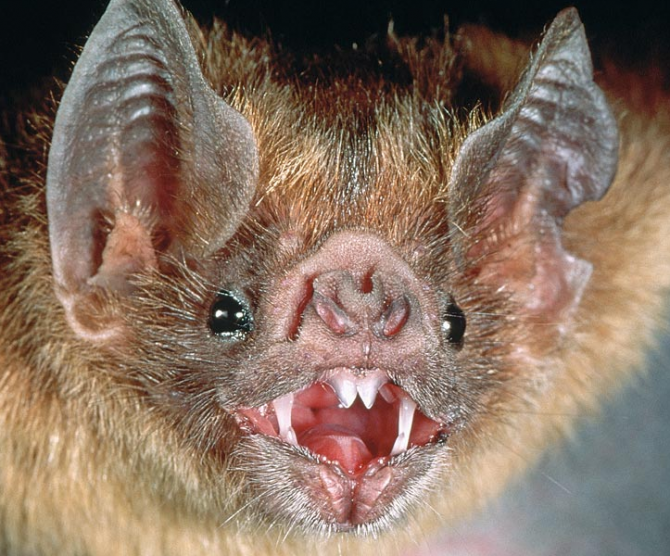
Vampire bats have long been portrayed in horror films as blood-thirsty creatures. Additionally, they are the inspiration behind online casino games such as the Bloodsuckers slot. However, unbeknown to many, only three types of bats among the 1,000+ species inhabiting earth exclusively feed on blood. Furthermore, they don’t attack humans but prefer unsuspecting livestock such as goats and cows. Mostly found in South and Central America, vampire bats can grow up to a maximum of 3.54 inches (8.99 cm) in length.

The act of sucking blood for sustenance, otherwise known as hematophagy, is a habitual practice in the kingdom of animals. After all, this red body fluid has proteins and other nutrients and besides, it is very easy to find. That’s why vampire creatures are sinking their sharp teeth into any blood host that appeals to them.

The aforementioned are some of the vampires in the animal kingdom. Others include the vampire finch, musk deer, vampire frogs, kissing bugs, the hood mockingbird and vampire squirrels. While some of these creatures obtain blood from specific hosts, others parasitize and prey on a wide variety of animals.

Haley as a sexy vampire