Tip to Tip: Cycling the Americas

TiptoTip

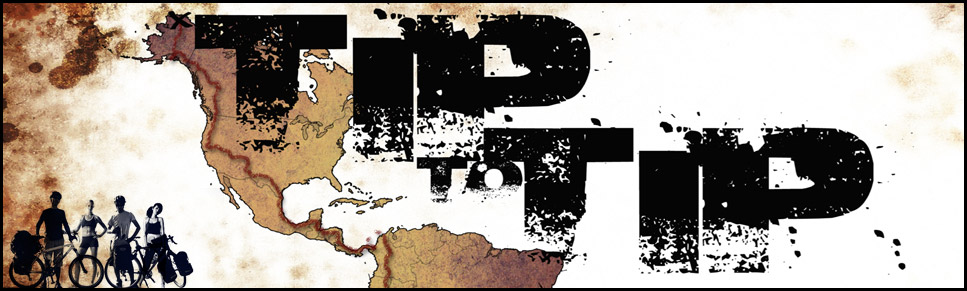
In the summer of 2012, the crew of Untamed Science will begin their most extensive adventure to date: A one year tip-to-tip America ride to promote an understanding of the natural sciences on these two continents. Along the way, they will observe the way people live with nature, whether in cities, wild places or rural villages. What are the issues in these places? How well do the locals understand the importance of chemistry, environmental science, biology and ecology in shaping the way they live with the wildlife around them?

http://blip.tv/play/geMCgrD_DgA

How do people’s perspectives on life and nature differ in relationship to where they live?

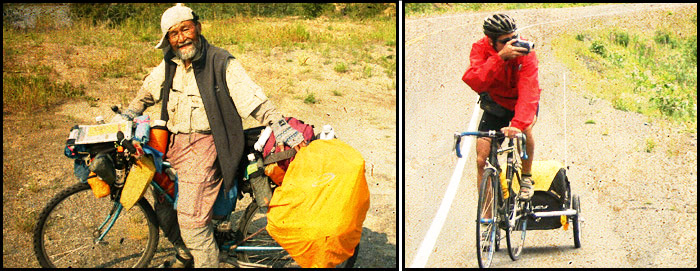
Beyond the crew’s goals to learn about the people and wildlife along the way, the story on screen is one of adventure and exploration.  Our world is full of interesting and often crazy people.  Trips like this tend to be magnets that pull them out of the woodwork.
biketrip

The Riders


robRob Nelson (Biodiversity): 
Rob has a masters degree in biology and filmmaking. He has been an active guiding force in Untamed Science since the beginning and continually pushes the crew to test the boundary of inspirational science filmmaking. Rob’s goal on this trip is to explore the ever-changing diversity of organisms in each region – from invasive species to endangered organisms. Rob has already taken 3 long distance cycling adventures, including Cycling the Last Frontier (2004).

louise_0Louise Fornander (Chemistry):
 Currently, Louise is getting her PhD in physical chemistry from Chalmer’s University of Technology in Sweden. Her main passion is to communicate the complexities of life through chemistry. To show that chemistry is everywhere on our journey, she might explain the chemistry behind the toxin of a poison dart frog or the chemistry behind climate change.  She is presently the host of a 12-part chemistry series for the International Year of Chemistry initiative.

haleyHaley Chamberlain Nelson (Food and Culture):
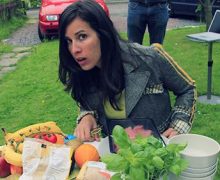
Haley is a biologist from the College of Charleston whose main focus has been on communicating science in an effective way.  Because Haley is extremely focused on family, one of her main interests on the trip is to explore food and the way each cultures view the food they take in.  Haley was the lead producer for our recent 80 part science series for Pearson publishing, and she produced 48 original songs for the topic of this series.

jonasJonas Stenstrom (Adaptations to Extremes): 
 Jonas is the other Swedish adventurer on this journey, and he’s willing to do just about anything to learn and share about the world around him.  On this trip, Jonas has made it his mission to explore the environmental extremes and adaptation. He plans to take the crew through the extreme habitats to explore how animals survive in those areas.  Jonas has been a producer with Untamed Science for 5 years.

The Route

The
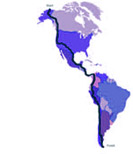
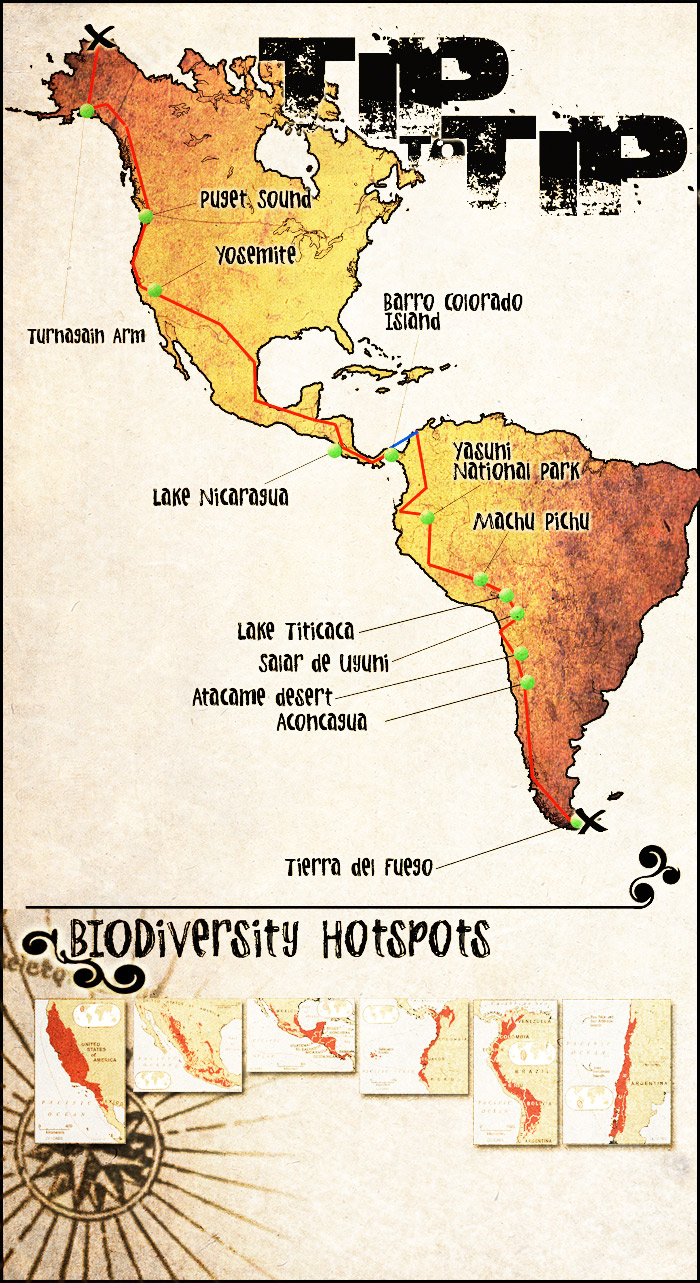
amapjourney will begin in Prudhoe Bay, near the Arctic National Wildlife Refuge. The team will travel south through the Yukon, British Columbia, and then down through Washington, Oregon and California.  From there, they will ride east towards Texas and then south through Veracruz, Mexico, across Belize and Honduras, Nicaragua, Costa Rica, and Panama. The team will take a boat around the Darien Gap and ride through Columbia to the Ecuadorian Amazon.  Finally, the team will ride through Peru, Bolivia, south through Chile – ending the trip in Tierra del Fuego, Argentina.

Nomad Travel

The only rule on the trip is that the team can not pay for hotel accommodation.  They are setting up a site where people can volunteer to house us for a night and show us the wildlife in their neck of the woods.  We feel it’ll be the most important way for us to fully understand how people feel about the wildlife that surrounds them. Plus, it will give Haley a chance to experience the cuisine from the locals!

hostnow

The Travel Diary: Video Updates

In 2004, Rob Nelson wanted to test the feasibility of doing a trip like this – updating a travel blog with video and written content while on the road. At that time, travel blogging (especially with video) was very young. With only one other rider, he produced 22 videos in 2,000 miles of cycling!

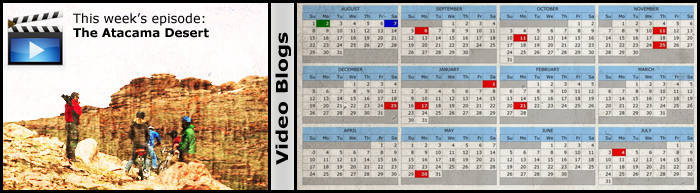
The current crew has 4 travel writers and filmmakers who are each dedicated to tell voicing their own perspective on the trip: Food & Culture (Haley), Biodiversity (Rob), Adaptions (Jonas), and Chemistry (Louise).  The video travel blog will be made for a young adult audience with the intent of distributing segments in multiple venues.
Atacama-desert

Transportation

Primary Transport

The entire trip will be made on bikes, kayaks, sailboats, and dugout canoes.

Support Vehicle: Electric + Solar = Green Transport

In May of 2011, Rob and Haley will have their first kiddo – baby Mamba. Even in a perfect world, the back of a bike isn’t the greatest daily transport for a newborn – but that’s not stopping the crew. Haley is intending to bring Mamba with her in a support car, where she’ll be able to bring a filmmaking companion with her through each section. The support vehicle will allow the Nelson family to continually stay together and increase the ease of the video production.  With the aim of keeping all crew transport “green”, the crew is aiming to acquire an electric car, decked out in solar panels – making as much of the transport as possible completely renewable and eco-friendly.

electric-car

Cultural Visits on the way

Along the way, the crew wants to visit and learn from the locals.  In their travels, have found that some of the most odd, interesting, inspiring and meaningful experiences have come about through seeking the advice of locals. Sometimes the people have a long history, such as indigenous groups. Others are recent migrants.  No matter who the people, the team will gather valuable perspectives as they cross the continents. Here are some of the possible groups we may be seeing along the way:

  • Cowboys
    Jonas-Stenstrom – in the western US
  • Warani Tribes – Ecuador
  • First Nations People – Canada
  • Inuits – Alaska
  • Hipsters – Seattle
  • Hunters/Trappers – Alaska and BC
  • Surfers – California Coast
  • SCUBA Divers – Roatan and Belieze
  • Chefs and Food – Mexico to Columbia

Environmental Science Web Series

The crew will produce 19 environmental science videos that can compliment the 19 topics in the untamed science environmental science series intended launch just before the trip leaves. These topics align with what a traditional environmental science book would cover. Check out the ideas for topics here!

lastfront

Mapping the Journey

The route from north to south has many possible destinations along the way. We’ve highlighted a few of them, just to get an idea of the viable adventure the team is planning on doing.
bigmap

Environmental Science Video Ideas

Economics and Environmental Policy

In western BC, the government has supported large scale salmon farms. After years of production, these farms have breed lice and disease that have all but eliminated wild salmon from the Frasier river. We’re visiting local activist and BC filmmaker Twyla Roscovich to learn more about how government policies can affect entire regions … and what and understanding of science can do to help save the wildlife of the area. The following is an short video Twyla made about this topic.

env-salmon-farms

Environmental Systems – Water Cycles

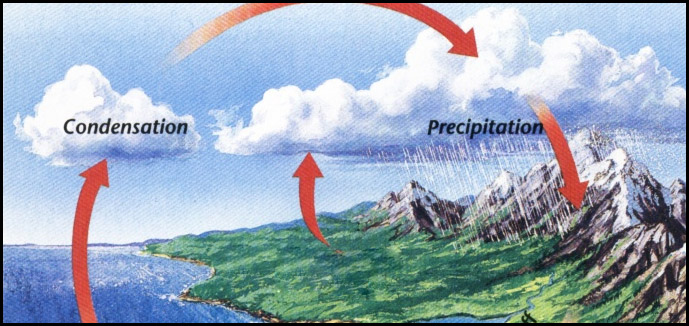
The water cycle is fairly easy to conceptualize, but not many have done it quite like we plan on doing it.  We plan to hike the to the top of Acongagua, the highest mountain in South America and then follow the snow and rainmelt on its way to the sea.  It’s an epic cycle, that deserves an epic tale.

env-watercycle

Population/Community Ecology – Orcas/Sea Otters/Sea Urchins/Giant Kelp

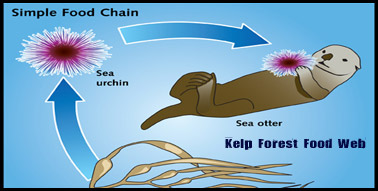
Nearly every textbook that talks about populations and communities talks about the classic study that showed the relationship with Orcas and Giant Kelp.  Each predator has control over lower trophic levels.  However, even though this is long-quoted study, what is going on today with the sea otters?  Are the orcas still preying on these fury mammals?  We plan to start our investigation in the Kenai Peninsula, AK in the town of Seward.

env-kelpforest

Invasive Species and Biodiversity

We all know invasive species have been causing havoc all over the world.  However, we haven’t thought about what our native species are doing in other places.  We plan on looking at two organisms, both of which are causing problems in the opposite location.  We’ll look at Water Hyacinth, a south American native aquatic plant that is destroying North American waterways.  We’ll then look at the bullfrog, and American native that is destroying south American native ecosystems.

World Biomes – The Chaparral, the Desert Scrub, the Desert, The Tundra

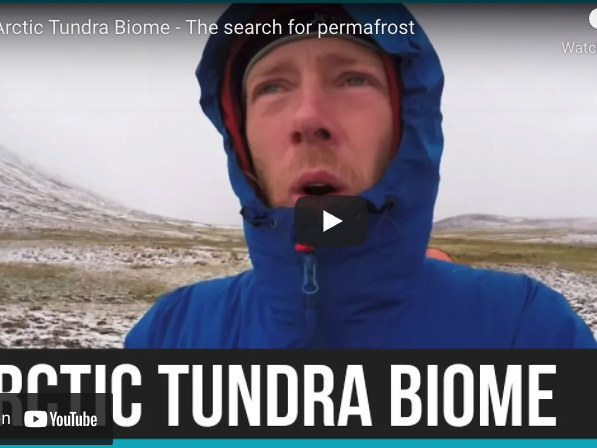
We have four biomes left to complete our series on world biomes.  We’ll hit all four on our journey.  The Chaparral in southern California, the Desert Scrub in Mexico, the Desert in Chili, and the Tundra in northern Alaska.

Biodiversity – The Yasuni

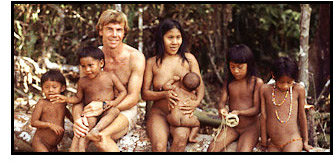
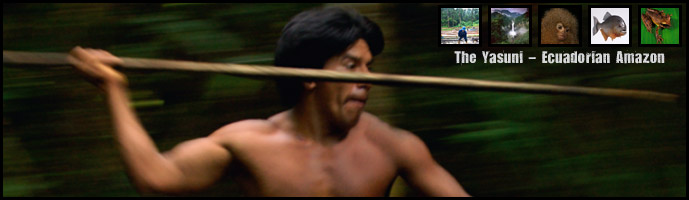
The most biodiverse spot in the entire world is a small section of rain forest in Ecuador currently protected known as the Yasuni. This wild amazonian rain forest is home of the Huaorani tribes, and home to more plants and animals per hectare than anywhere else on earth.  Yet, oil has been found in this park and the government wants the western world to pay them to protect it.  The battle isn’t over.  Could the most biodiverse spot on earth fall victim to an oil rush?  We plan on heading into the jungle, talk to the locals and get the real scoop.

env-yasuni

Human Population

In most textbooks, human population growth is compared between developed countries.  In the textbook we grew up with we compared Mexico to Sweden.  Since Jonas is Swedish and we’ll be traveling through Mexico we thought this classic example would be great to reexamine – starting in a large city in Mexico – Mexico City.

Enivornmental Health – Biomagnification

DDT is still being sold to farmers in Mexico. Why?

Urbanization – Green Building

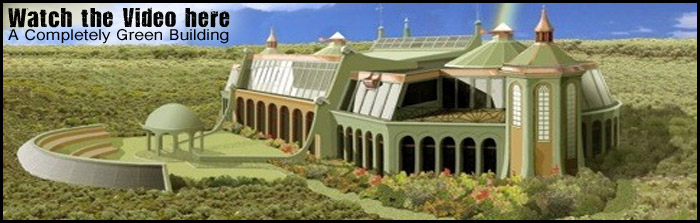
We plan on finding a key example of green building, and examine just what it takes to make a home green!  In particular, we’ll be looking for a Earthship.

env-green-building

Forest Management: Deforestation in the Amazon

Learn about deforestation in the Amazon.

Agriculture

Where does our food come from?  You think you know where your bananas come from, but we’ll trace where the bananas you buy actually come from as we tour a plantation in Costa Rica.

Mineral Resources and Mining

We’ve heard there is a green gold mine in Bolivia.  Sound unusual?  Lets check it out.

Water Resources – Kayaking the Green river in Utah

Water has always been somewhat rare in the desert. Today, water shortages are becoming even more of a problem.  We learn a bit about what’s happening to water resources as we kayak down the canyons that lead to the Grand canyon.

The Atmosphere – Skydiving

We couldn’t do an entire trip without finding a way to go skydiving. Skydive Arizona in Eloy is one of the top places in the world to skydive, and its right on our path. What a better place to look at the complexities of the atmosphere than as we skydive through it!

Global Climate Change – Melting Glaciers

Exit glacier is a large glacier near Anchorage Alaska that has been rapidly receeding since they started tracking it earlier this century.  We’ll talk about some of the issues of climate change in relation to this one glacier.

Non-renewable Energy: Fossil Fuels

At the very start of our trip we’ll be in the Arctic National Wildlife Refuge in northern Alaska.  Its here that they’ve found oil – it just so happens be under the largest calving ground of caribou in the Northern Hemisphere. Right now they have not started to drill, but what do the locals think of the proposal?

Renewable Energy Alternatives – Hydropower

Damns can create enormous amounts of energy as the potential energy of water is released. Chile has many wild rivers, just waiting for a hydropowered damn to go in. But what effect will this have?  We’ll kayak the mighty Feudalafu, in Chile and explore what effect these damns are having to the people and biodiversity of the area.

Waste Management

Landfills – how do different countries manage their waste.  We’ll compare the US to Guatamala.

Music Production during the Elementary Science Series

For two weeks the “Charleston Team” (Jonas Rob and Haley) will be Charleston SC recording the music for out next big video series.  We’re putting the music into a series of music videos that are going to blow your socks off!

It just occurred to us though that you all might like to see where we’re actually doing this. In many ways its kind of “untamed” as well.  We didn’t expect this until we got here, but our contact Chris set up this sweet facility where we’ll be working for the next two weeks.  Check it out.

http://blip.tv/play/hNNNgd7fBwA

Meet the Faces from this Video


robRob Nelson:
Rob is both a marine biologist and filmmaker by training. He has been an active guiding force in Untamed Science since the idea to teach and inspire first occured to Rob. He now leads thepodcastingefforts,world biomes site, and biodiversity pages. He also stars as an oncamera personality in many of the episodes of the new BioAdventures DVD that is being produced with Pearson Publishing. Rob is an active Scuba Diver and Extreme Sports junkie …more on Rob



jonasJonas Stenstrom
: Jonas is one of the lead producers for our science outreach videos online and through Pearson Publishing. He is the primary Dive Rite Ambassador contact for the crew and is working to help promote Ocean Awareness with the Untamed Science team. Jonas worked with the Save our Seas Grant to help promote ocean awareness through a whole slew of online aquatic ecosystem videos. He also has a passion for adventure sports. Jonas is also an oncamera host …more on Jonas


haleyHaley Chamberlain:
Haley is one of our oncamera Ecogeek faces. She is both a biologist and actress by training. As an ecogeek she has ben in charge of our elementary science programs and music videos. Her passion for music and learning have gone far beyond her on camera presence however. Haley travels extensively to schools around the country giving shows about science to students of all ages.Read more about Haley

 

Kennedy Space Center

From space, you can easily see the large island that the Kennedy Space Center is on.  This is of course, the launching ground for all of NASA’s rockets.  Missile Control is in Houston, but the launches all happen right here.

Seeing a launch has been Haley’s dream for a long time.  She has missed a few and watched others on TV. This year, we drove down to try and document the last launch of the Discovery Shuttle. To do that we got media passes, which lets us go behind the scenes, interview astronauts, and get a special spot to view the launch.  Plus, we get to see the whole thing from the special press section.

Here is a quick update from the front line:

Insert Video of the entire trip.

Media Perks

One of the main benefits of being in the media is that you get to see things a lot closer than you would if you were a VIP or tourist.  We end up seeing the launch from about 3 miles away.  Apparently there are only a few people that are any closer, one of which is the fuel team.  You don’t want to be much closer though as that shuttle is packed with a lot of explosive rocket fuel!

The Press staging area

Upon getting through the gates, we went to the press area.  Its basically a large complex of buildings in front of the vehicle assembly building.  Just in front of this building is the historic “clock” where the countdown is shown.  Oddly, the only people that ever see this are the few media that film the launch. Yet, it becomes the classic and somewhat iconic view of space launches.
Press-area

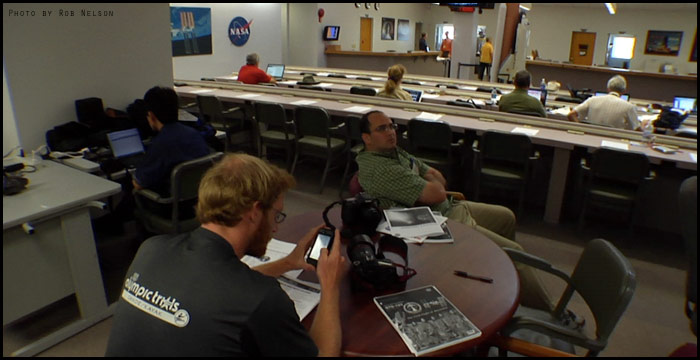
Inside the press building, there are rows and rows of tables with reserved seating for all the big news affiliates – CNN, ABC, Channel 2, … There are several live feeds from NASA cameras that are being displayed on a board.  All these feeds are being picked up by the news channels, who then turn around and air any footage they want.  Even media like us have the opportunity to grab the feed, just after it is shot and do with it as we like – free of charge.  Its a great system.

In the back of the room is a table with several sheets of paper for things to sign up for.  Since the media needs to be bussed around the facility, there is limited space to take people to the designated spots.  You can interview astronauts, watch the astronauts come out of their buildings before the launch, you can go place remote cameras in the marsh before the launch … and many other cool things.  We signed up for a few, the coolest of which was the roll-out.

The Rollout

After the shuttle is crawled out to the launch pad, the press are allowed to go out to watch what is known as the rollout.  Basically, the series of mobile scaffolds that are in place to help engineers check the rocket are “rolled away” from the actual ship. Its an amazing sight.  While most people are at least 3 miles away by now, we’re only about 300 yards from the actual space shuttle.

Hunter Farm

Where does your food come from? If you’ve taken a trip to the Hunter Farm you’d know that all our food comes from the farm. They actually have a program for school students in the Charlotte area to come to the farm, milk a cow, feed sheep and pick pumpkins.  If I was a kid, this would be an awesome little field trip.

A short video update from UntamedScience

We visited the farm in early October and thought we’d show you a few highlights from the trip in this short video update from the Hunter farm.

http://blip.tv/play/hJw5goLjfAA

Where is the Hunter Farm Located?

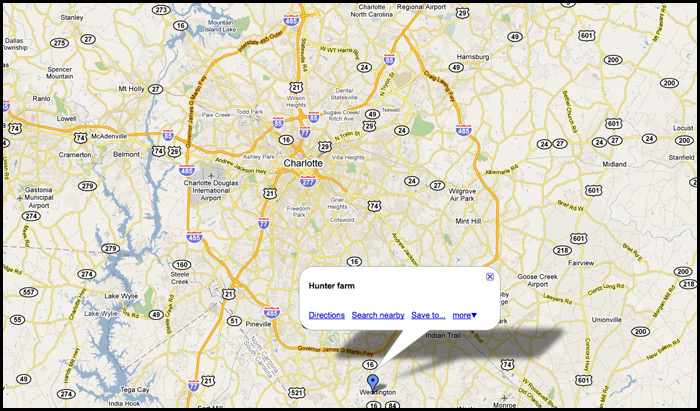
The farm is located in Weddington, NC just south of the 485 loop in Charlotte. The following map shows the approximate location.

HunterFarm-Location

How do I book a school group through Hunter Farms?

The best way to get a hold of the farm is to go through their official website: www.thehunterfarm.org


hunterfarmwebsite

More About the Untamed Science Faces in this Video


robRob Nelson:
Rob is both a marine biologist and filmmaker by training. He has been an active guiding force in Untamed Science since the idea to teach and inspire first occurred to Rob. He now leads the pod-casting efforts, world biomes site, and biodiversity pages. He also stars as an on-camera personality in many of the episodes of the new Bio-Adventures DVD that is being produced with Pearson Publishing. Rob is an active Scuba Diver and Extreme Sports junkie … more on Rob.


haleyHaley Chamberlain
: Haley is one of our on-camera Ecogeek faces. She is both a biologist and actress by training. As anecogeek she has been in charge of our elementary science programs and music videos. Her passion for music and learning have gone far beyond her on camera presence however. Haley travels extensively to schools around the country giving shows about science to students of all ages. Read more about Haley

Mangrove Kayaking

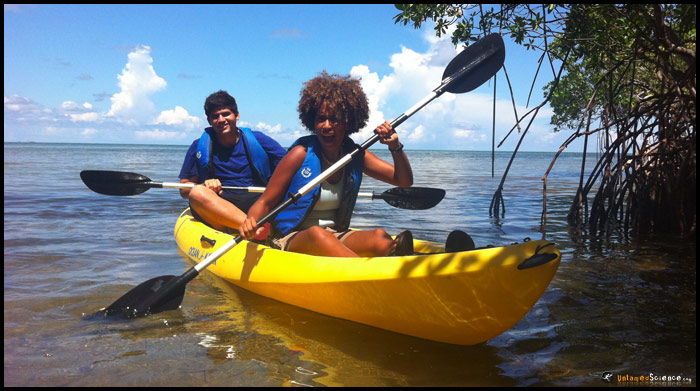
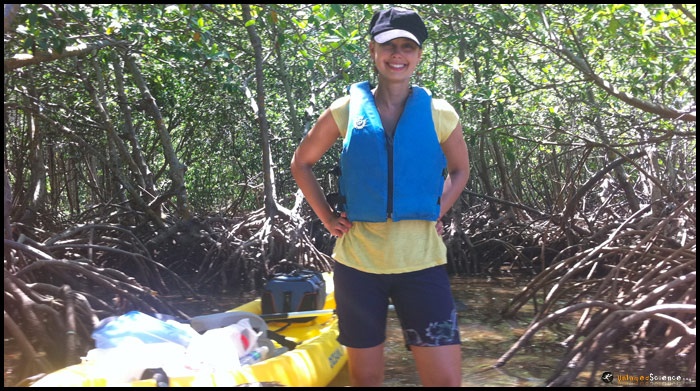
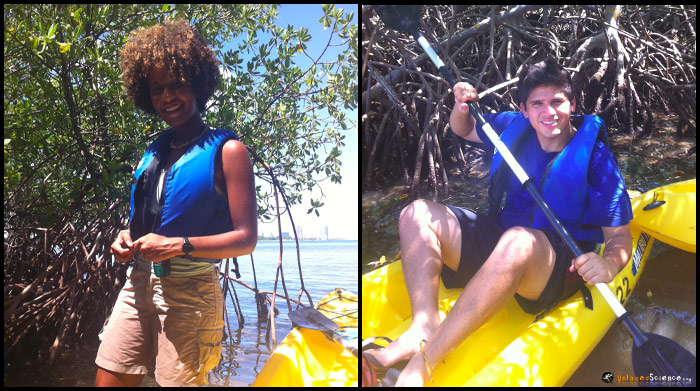
Recently the Untamed Science crew went on a geocaching adventure treasure hunt off of the coast of Key Biscayne in Miami, Florida. Ecogeeks Danni Washington and Diego Meza searched for a series of little treasures, or geocaches, that all had a thermochemisty theme. They had to locate each geocache by following a series of GPS coordinates and using a handheld GPS. But that was just the beginning… In order to get the next set of GPS coordinates, Danni and Diego had to figure out what type of chemical reaction was occurring with the items in or around each geocache container. And along the way, they waded through mangrove forests, kayaked over tide pools along the Florida coast, and hiked in an everglades forest. Stay tuned for our upcoming High School Chemistry series to see the video!

Images from the trip

mangrove-kayaking1

mangrove-kayaking2

mangrove-kayaking3

Spinner Dolphins in Hawaii

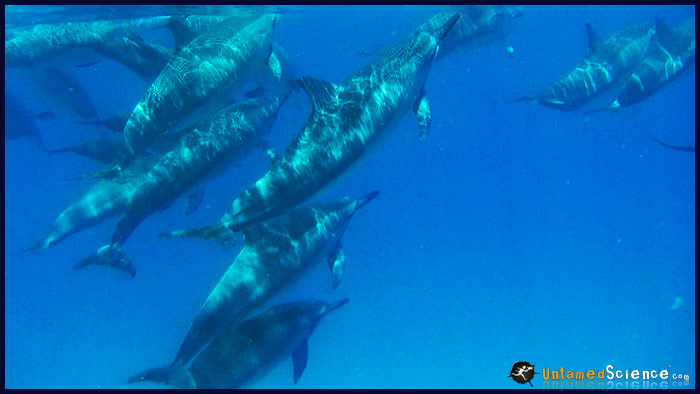
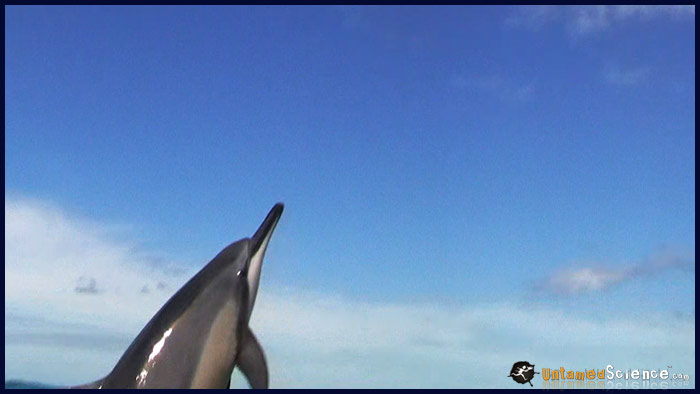
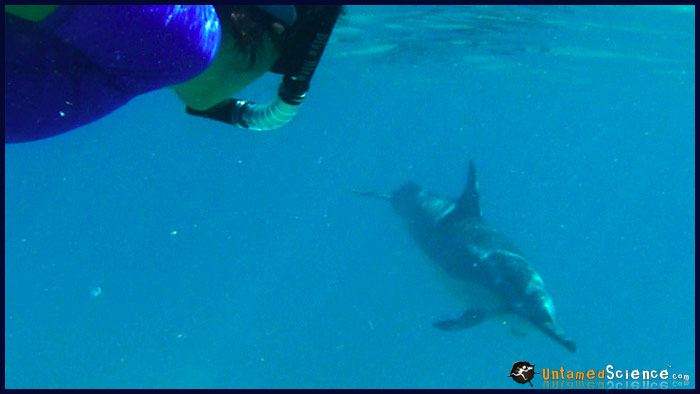
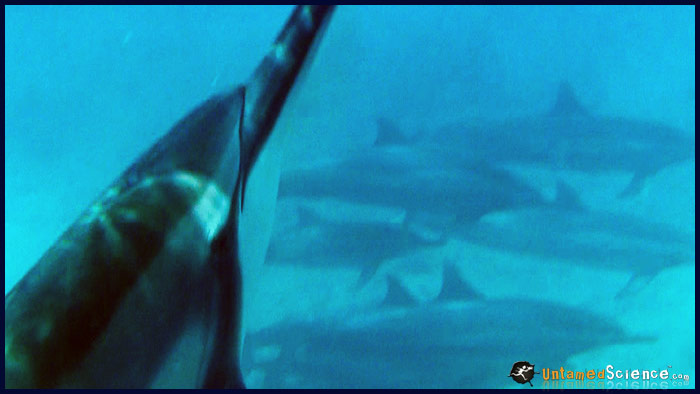
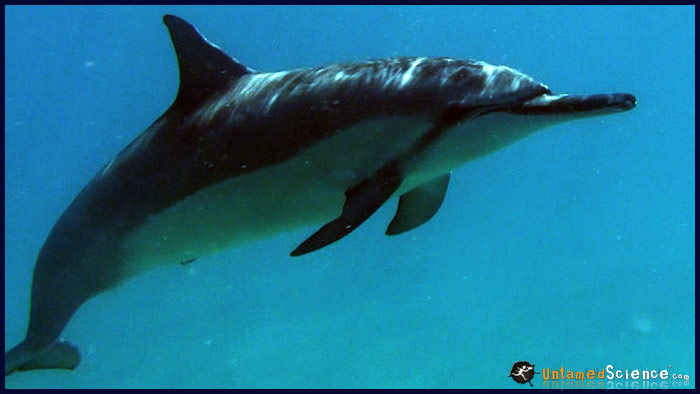
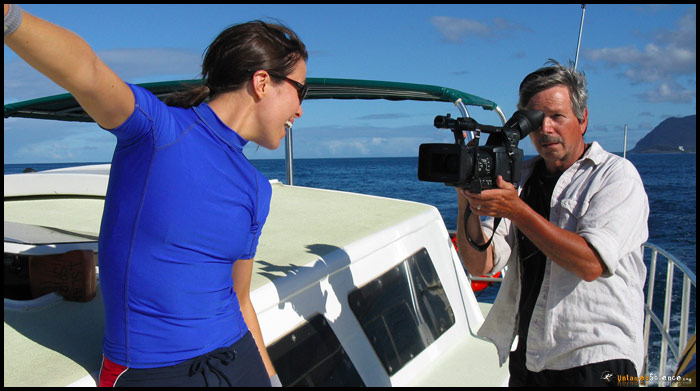
It’s a rare day indeed when weather, cameras, tides, water conditions and fate bring together over 100 spinner dolphins right into the laps of Suze Roots and camera-squid Untamed Science producer, Dan Bertalan. But that’s exactly what happened today during a wild dolphin excursion with the Wild Side… an internationally recognized professional, innovative crew that conducts environmentally responsible marine interactions. Lead by marine biologist and spinner dolphin expert, Alexa Olsen, Suze and Dan swam headlong into the offshore waters of western Oahu to videotape these extraordinary marine mammals during their interactions… all part of exploring the world of dolphins while investigating the science behind myoglobin… the oxygen binding protein that allows these creatures to dive for up to 10 minutes and 1000 feet deep when feeding. Even with fins, trying to keep up with the swimming pods exhausted our team, but only after they captured some exceptional underwater footage. As you can see, some curious spinners wanted to investigate the film crew and showed off some “spinning” dives right in front of the camera. Wait until you see the video.

dolphins1

dolphins2

dolphin3

dolphins4

dolphins5

Meet the Faces of this story

Untamed Science is dedicated to explaining science with unique adventures stories. Learn more about the crew members that helped shoot this piece.

Rob nelsonDan Bertalan: Dan is one of the film making scientists with Untamed Science.  Besides the work he does behind the camera, he has made award winning documentaries on North American Bears.  These documentaries will be a key feature in upcoming Untamed Science ecofacts and podcasts.  Dan leads one of the Untamed Science base stations in Madison Wisconsin.  Watch a short ecofact where Dan explains elk behavior or …read more about Dan

Suze RootsSuze Roots:“Suze” as we call her, is one of our on-camera hosts. She is currently studying tropical woody vines (lianas) through the University of Wisconsin Milwaukee in the Republic ofPanama. Another part of Suze’s job is to be one of our writers, working to make the content scientifically accurate and fun for both students and teachers to watch.  Suze is the star of several of the new BioAdvenures Videos … more on Suze

More about the trip, the animals and filmmaking

Learn more about Untamed Science and what we’re doing to help protect Planet Earth.

dolphins6

Alexa_Olsen

Alexa Olsen – Wild Side Dolphin Encounters

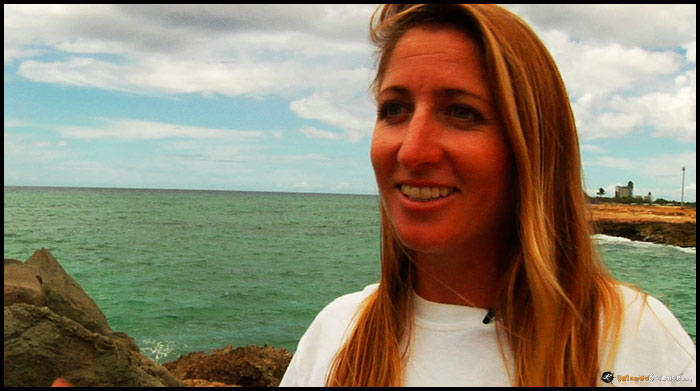
Speaking of fish… A true “fish out of water”, Alexa has spent her whole life in connection with the water in some fashion or another. A California native gone islander, she has been an ocean lifeguard for 10 years, possesses a BS in Marine Biology and Zoology with a Scientific SCUBA Diving minor from Humboldt State University. “Lex”, a world-traveling surfer, is enthusiastic about all of nature’s wonders both in and out of the water and sharing that love with others through education, awareness, and experience. She is an Yoga enthusiast and qualified trainer, and her passion and spirit resonate in every trip.

A video from Channel 8 about the Wild Side Dolphin group

Pirate Film Spoof

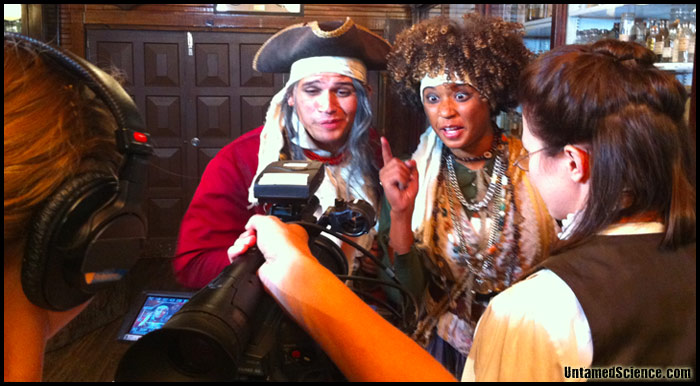
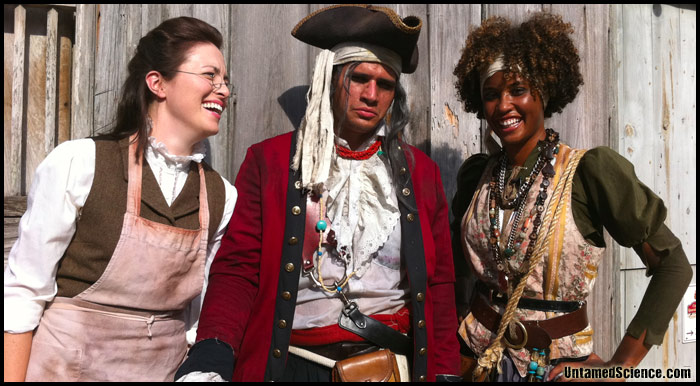
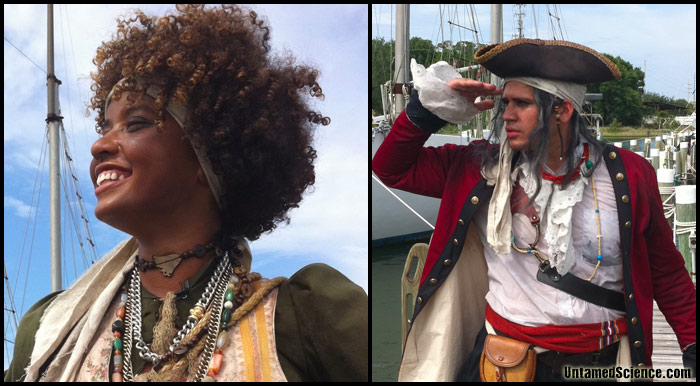
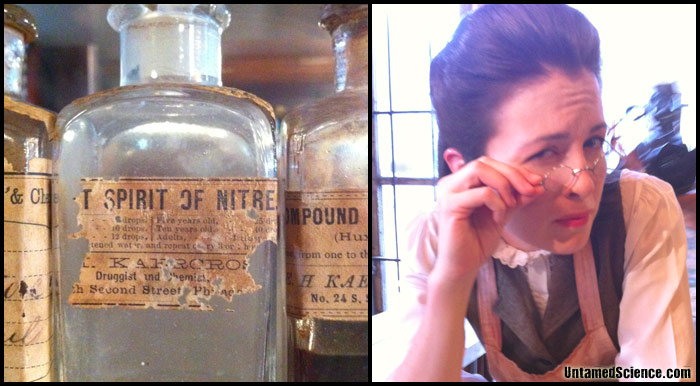
Sick of serious science lectures? Well, we are too! Here at Untamed Science we’re filming a series of historical spoofs to explain chemistry concepts in a fresh, new way! Our latest video took us back in time to one of the oldest cities in the US: St. Augustine, Florida. We filmed a short video starring two quartermaster-alchemists (Ecogeeks Danni Washington & Diego Meza), who after a long journey lost at sea, venture to shore to buy supplies that will help them complete their voyages. There’s only one problem. When they arrive at the “Voyagers’ Supply Store” to get their goods, they soon discover that they have been left in the past by speaking languages of archaic chemistry. Lucky for them and their crews, the more modern, supply store chemist (Suze Roots) figures out what supplies they need, and explains the system we use today to name chemical compounds and formulas. This video will be part of the High School Chemistry series being produced by the Untamed Science team this year.

Photos from the Shoot

piratespoof1

piratespoof2

piratespoof4

piratespoof5

piratespoof6


Caverns of Sonora

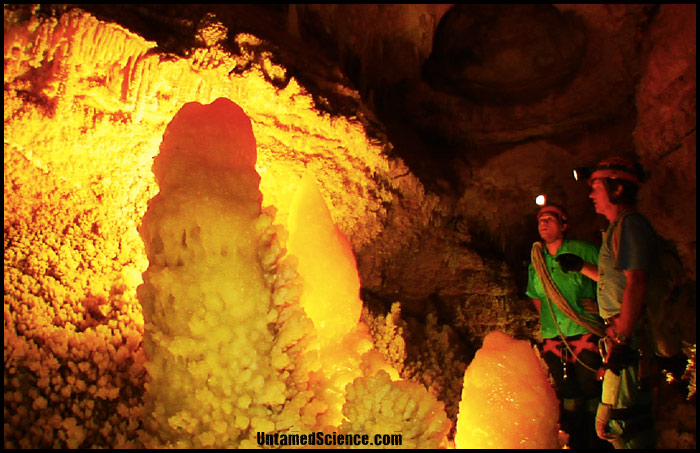
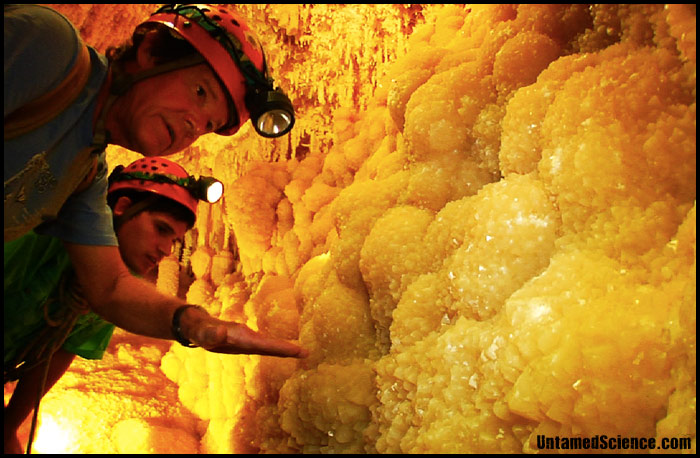
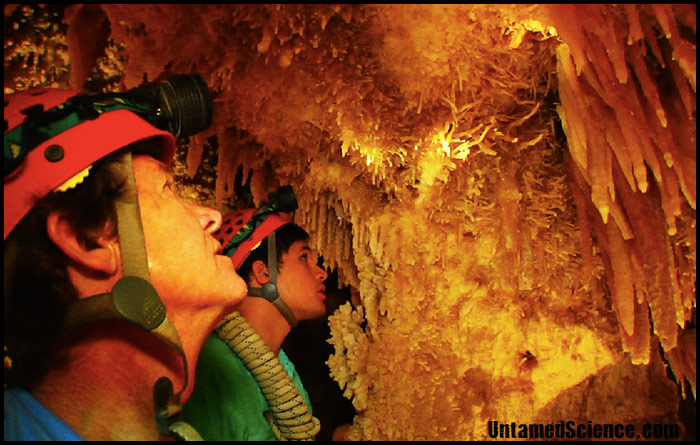
Diego and Dan entered where few people get to venture in the Caverns of Sonora in Texas, the most decorated show cave in North America. Diego (shown with cave expert Bill Sawyer) even mustered the courage to rappel over 50 feet into the depths of the “Devil’s Pit” where he got to enter a spectacular world of crystal formations and cave features that look like they belonged on Mars instead of Earth. Profiling Sonora’s Caverns was part of the High School Chemistry series being produced by the Untamed Science team, where this time they faced real dangers off the trail exploring hidden parts of this mystical labyrinth that still reveals new sections of this massive cave network. Way to go Diego and Dan for surviving the Devil’s Pit and bringing back some awesome science.

Images from the pit with Dan and Diego

cavernsofsonora1

cavernsofsonora2

cavernsofsonora3

Video from the Cave

This video is not from us, but its one of the few videos we found on youtube that showed the cave to any extent.

More Information about Caverns of Sonora

For more information about the cave, the formations and ways to visit the cave we recommend the official site: CavernsofSonora.com


cavernsofsonora4


Hang Gliding

http://blip.tv/play/geMCgYa+HwA

Hang-glide-Haley-002

The Problem

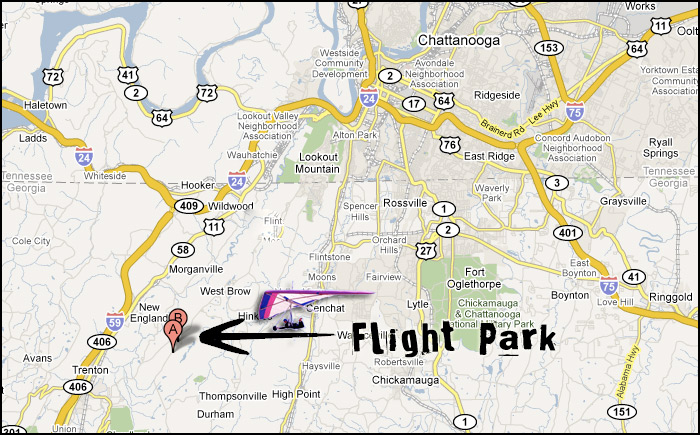
How do you explain the importance of the atmosphere in a way that students will be engaged enough to listen to? This question was brought up by the crew in order to make a video about ‘how the atmosphere works’. The logical answer from the crew was to do something extreme in the atmosphere. So … we enlisted in the best hang gliding school in the country – Lookout Mountain Flight Park near Chattanooga TN.

Lookout Mountain Hang Gliding and the Atmosphere

When you start hang gliding, the one thing you’ll realize is that you spend a lot of time waiting for the right atmospheric conditions. In fact, the flight school is set up around somewhat typical patterns in the weather. We start every morning around 7:45am on small practice hills. We can’t practice all day though because mid-day thermal heating creates too much turbulent weather for beginners. In fact, you can often predict the location of local thermals by finding hawks and vultures rising on them. In the afternoon (when the weather conditions get better) we gear up to do tandem flights high in the atmosphere – or even gear up to solo fly off the mountain!

Crew Training Stories


Jonas’ Story of his first Jump off the training hill

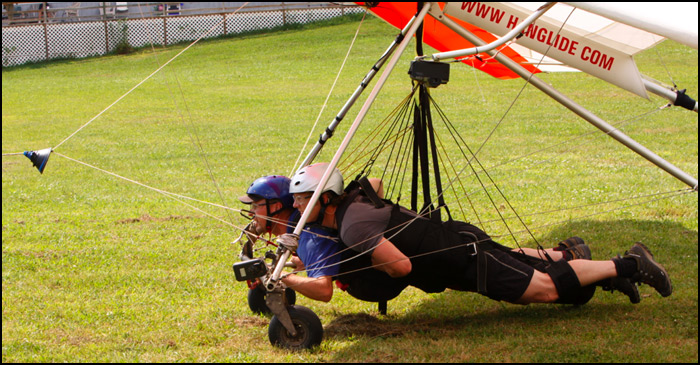
I think all of us at some point have dreamed about having the ability to fly.Hang gliding was as close to this I could think of, and finally the time had come spread my wings for the first time and get one step closer to understanding a birds view on life. Well, that first step was going to be from a sloping 60ft hill, with maybe a couple of seconds of air time – with a certain belly-drag landing but still, it was time for me to fly.

“Clear”, my signal that I was ready. Glider resting on my shoulders, wings leveled, eyes fixed on a target far up ahead. A couple of slow steps forward, then jogging, The glider was sliding out of my hands and the weight was taken off my shoulders. Now running. Even though I still really have no idea what I’m up for, I kept my eyes focused on my target because, well, that is what I’ve been told to do. Suddenly I can’t feel the ground anymore, my legs are running in mid-air and I’m hanging in my carabiner – connecting me with my wings. A strange feeling strikes you when you realize that you no longer belong to the group of animals on Earth limited to staying on the ground. I am now also part of the airborne members of the animal kingdom. My feet were dangling and I could feel the wind playing with my glider. Even though I knew I was supposed to relax body and hands I felt myself involuntarily gripping on with my hands harder on the bars. Even though only a couple of meters above the ground, I was actually flying.

Amazing. I knew it was no point trying to avoid the inevitable belly flop, and only seconds later I was stopped on the grass, suspended in my harness
with a silly grin on my face. My first flight was over. It might have lasted for a full, breathtaking 5 seconds. A small first step, I know, but I can’t wait until tomorrow!

Hang-glide-Jonas-002

Story of the First Tandem Flight – Rob:

For me the first flight was both frightening and amazing at the same time. To give you some perspective, a tandem flight at lookout-mountain is done by attaching yourself to a hang glider and then attaching both the hang-glider and you to tow-line behind a plane.

The first thought when looking at the apparatus was, “who in their right mind thought this was a good idea to try for the first time?” In reality it is very safe, but you do have to know how to fly the glider when getting up behind the plane. On our way up we hit turbulent weather and the plane was jumping up and down and all around. That also caused the hang glider to jump around. It is extremely difficult for me to tell how much skill it took for the tandem pilot to keep us on track but it seemed like he had to make a lot of corrections. Finally, around 2,000 feet, we were able to pull the chord and detach from the airplane.

Upon releasing, the feel was extremely different. The way up was a roller-coaster ride, and the way down an air-boat ride. I was able to grab the controls and practice turning and maneuvering the glider. I was also able to look up and see the storm clouds that were producing the turbulence at eye-level. Finally, the instructor took the controls and finished the flight with a sharp turn to the ground which initiated a near nose-dive that resulted in a gentle (but fast) landing.
Overall, the flight was so new and exhilarating that I barely new what to say. I could hardly even sound exhilarated because I was so shocked by the first flight. I was on a ride to become one with the air. It was an amazing ride.

Haley Climbs the small hill over and over and over…

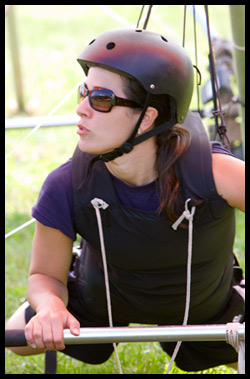
You know all those cheesy things people say about how it feels to fly? It’s all true – only better than description can purvey. Not only does the act of flying feel amazing, but the journey that gets you there makes it even more satisfying.

As with many things you just wish you could just go and do…there’s a process. Training for hang gliding on this mountain demands the same process for everyone, but everyone goes at their own pace. The simple look at it is that you start on the ground, train on the small hill, clear the small hill, train on the big hill, clear the big hill, jump off the cliff. Also, somewhere in there you have to read 300 pages and pass three written tests that make sure you really understand what you’re doing out there.

Now, I love a good process – there are few things more satisfying than crossing through an item on a list…but it gets tricky out here. Every step toward the ultimate goal of being a novice hang gliding pilot presents new challenges that you have to not only meet, but consistently master before moving on.

So what if you accomplished a skill yesterday, but you can’t seem to recreate it today? You have to start over. It messes with you – especially if others around you are advancing more rapidly on a given task. For instance, it took me almost twice as many launches to get cleared from the small hill as it did for Rob and Jonas. I needed to be able to have a beautiful launch, flight, and landing…four times in a row. I almost did it the same day as the boys – three good ones in a row – then a lousy flare kept me there until I could do it. Then I just started to make silly mistakes – not relaxed and not feeling my way through it. It took two and a half days for me, my brain, fears, muscle memory, hang-ups and frustrations to really “get it”.

I trudged up that “small” (60 ft) hill with the glider over and over over – at times I felt like Sisyphus, but every flight was about learning something new. Each setback offered more advice from my instructors – translating into better launches, better flights and more persistent, goal-oriented practice on technique – and more FUN! It was mentally and physically challenging, largely because I had to accept my own pace.

How did this look so easy for other people? It was just going to take what it was going to take to really understand – not just check an item off a list. No matter how much I got discouraged, disappointed or close to saying, “maybe I’m just not a pilot”, it was all worth it. It took more than 60 trips up and down that hill for me, and I’m glad for every, single one of those runs. There is no magic involved in learning skills, you just do them until you know them. All the work made it all that much sweeter to hear, “Haley, get off my hill!”

After graduating to the big hill, it was smooth gliding. I was ready to be there, and I cleared for the mountain in a day with confidence and utter joy (accompanied by a jump/hug onto my instructors). Now it’s time to run off the edge of this mountain…and I feel ready. See you at the landing zone!

Thank you to all my instructors at Lookout Mountain Flight Park – Dan, Trevor, Gordon, Diana, Tom and Tim – your patience, encouragement, feedback, and BIG FUN kept me going up and down those hills until my body and mind just knew what to do. There’s a reason why you guys are the best!


Lookout Mountain Hang-gliding

The school, learning to fly and tandem packages

We are going to refer everyone to the official hang gliding website when looking for directions and prices, but these are the current prices, directions and courses as of our course.

Prices

Discovery Tandem – $149 (Nice tandem flight)

Introductory Experience – $199 (Tandem and 5 training hill flights)

Weekend Package – $399 (2 Tandems and 20 hill flights)

Mountain Package – $699 (50 training hill flights and 3 mountain solo flights)

Eagle Package – $999 (50 training hill flights, 4 mountain solo flights and 4 tandem flights)

V.I.P Package – $1699 (Unlimited hill flights, 12 tandem flights, and 5 solo flights … and a bunch of other cool things)

Maps

HANGGLIDEMAP